REVIEW · BOLOGNA
Walking tour unveiling Bologna
Book on Viator →Operated by Bologna Accomodation · Bookable on Viator
Bologna is best understood at walking speed. This 3 to 4 hour guided walk strings together the city’s most recognizable sights with the textures that make Bologna feel real: tight lanes, tower views, and medieval porticoes you can actually walk through. Add in a coffee stop and later street-food tastes from the Romagna area, and you get a tour that feels more like a local circuit than a checklist.
I especially like the way the route balances big landmarks with the in-between details. You get the symbols (like the Torre degli Asinelli area) plus the lesser-seen passages that explain how Bologna worked in the Middle Ages. One thing to consider: coffee and street-food items are not included in the price, so you’ll want a little extra cash or card for tastings.
In This Review
- Key highlights at a glance
- Entering Bologna’s center from Piazza del Nettuno
- How the 3–4 hours actually feel on the ground
- Stop 1: Via Guglielmo Oberdan and the coffee taste in context
- Stop 2: The former ghetto alley and the towers symbol, Torre degli Asinell
- Stop 3: Corte Isolani and Bologna’s arcades that do real work
- Stop 4: Piazza Santo Stefano and the seven little churches with a Dante link
- Stop 5: Via Borgonuovo for Romagna street-food tastes
- Guides, and why their names show up again and again
- Price and value: what $45.71 buys you (and what it doesn’t)
- Who should book this walking tour in Bologna
- Should you book Walking tour unveiling Bologna?
- FAQ
- Where does the tour start and end?
- How long is the walking tour?
- What is included in the price?
- Are coffee and lunch part of the cost?
- How big are the groups?
- Is there free cancellation?
Key highlights at a glance
- Small group size (max 15) keeps the pacing easy and questions encouraged
- Neptune Square meeting point puts you in the historic center fast
- Bologna’s towers and former ghetto alleyway connect symbols to lived history
- Arcades at Corte Isolani show how shade, trade, and daily life shaped the city
- Piazza Santo Stefano with seven little churches adds a Dante-linked twist
- Coffee tasting plus Romagna street-food stop turns sightseeing into a snack break
Entering Bologna’s center from Piazza del Nettuno
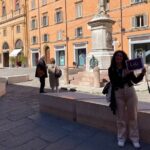
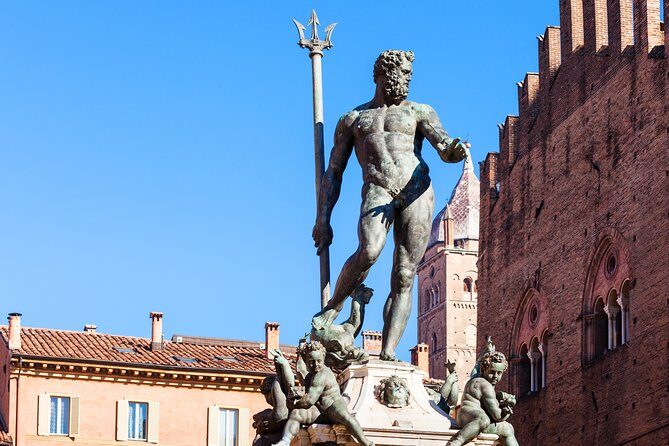
You start at Piazza del Nettuno, Bologna’s classic “you’ve arrived” square. It’s a great launchpad because the historic core is right there, and you’re not wasting time on long transfers. The tour ends back at the same meeting point, which matters on a day when you want your energy later for dinner plans.
The format is simple: a local expert leads you through the city with enough stops to stay focused, but not so many that you spend your whole day walking in silence. A mobile ticket is used, so make sure you have your phone charged and ready. Also, with a maximum of 15 people, it stays manageable even if you’re the type who likes to ask one more question.
Practical note: one reviewer suggested the meeting point could be easier to find. My advice is boring but useful: confirm the exact spot in your booking info and locate Neptune’s fountain area before the scheduled time, not five minutes later.
You can also read our reviews of more walking tours in Bologna


How the 3–4 hours actually feel on the ground
This is a walking tour designed for flow. Each stop is timed (most are around 30 to 45 minutes), and you’ll move between them through lanes and under arcades. That pacing helps you avoid the two common tour problems: rushing past details or getting stuck at one place too long.
You’ll also get a mix of stories. Some parts are visual and symbolic, like the tower zone. Other parts are practical: how porticoes functioned as protected routes, how courts and arcades shaped movement, and how medieval spaces still influence what you see today. The best part is that you don’t just hear about these things; you walk through them, so the city’s layout makes sense in your head.
For comfort, wear shoes you trust. Bologna’s historic center is walkable, but you’ll be moving over uneven pavement and along narrow lanes.
Stop 1: Via Guglielmo Oberdan and the coffee taste in context
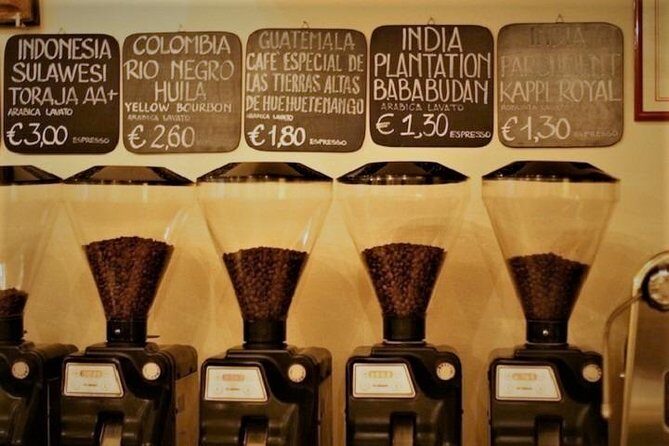
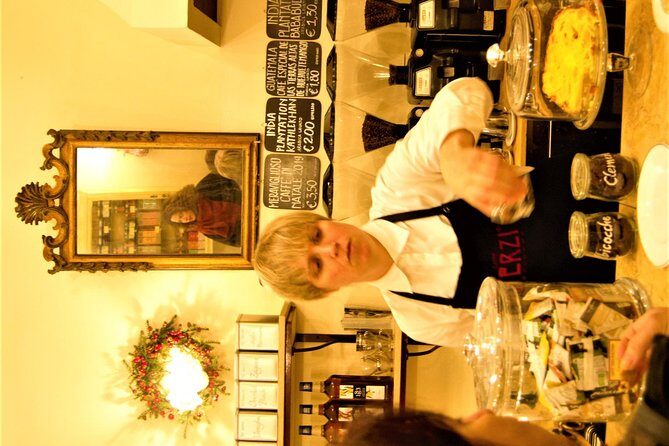
The tour kicks off at Via Guglielmo Oberdan with a coffee tasting plus a short intro to what makes Bologna coffee special. You’re not tasting blindly. The guide sets the context so you understand what you’re paying attention to, and you get a quick sense of the city’s style before you move into its tighter, older streets.
You may have coffee costs separate, because the experience lists coffee/tea as not included. The good news is the tasting is still part of the tour’s rhythm, so it works as a first “settling in” moment rather than a random detour. The tasting is tied to a local roaster experience featuring Caffè Terzi, so it’s not a generic stop.
If you’re caffeine-sensitive, plan your day around this early moment. Starting with coffee can make the rest of the walk feel easier.
Stop 2: The former ghetto alley and the towers symbol, Torre degli Asinell
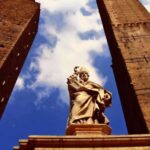
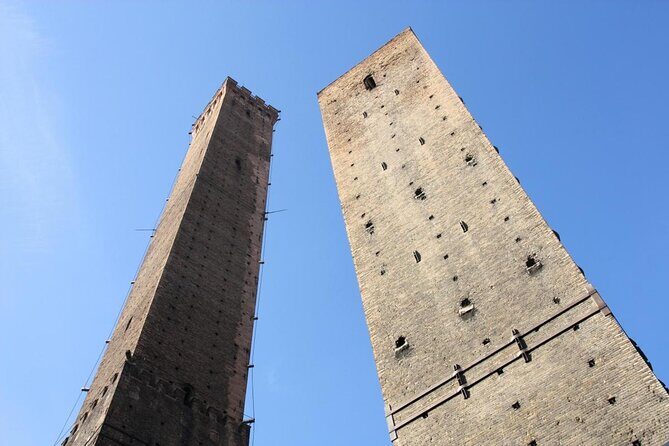
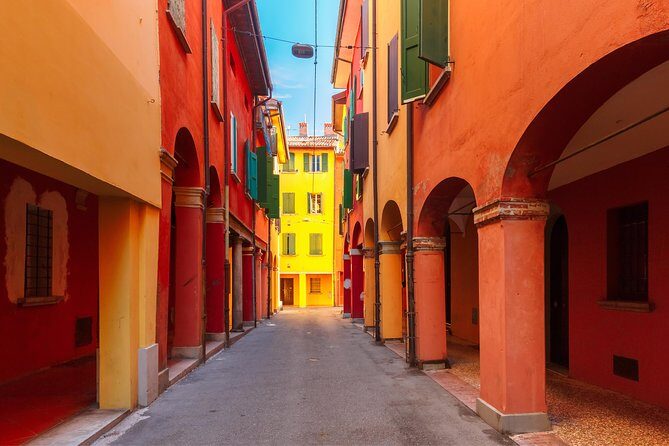
Next you pass through a small alleyway tied to the former ghetto area, then you move into one of Bologna’s big icons: the towers area, including Le Due Torri and specifically the Torre degli Asinell zone. This is a good pairing because the walk doesn’t treat history as a museum label. You move from a quieter passage into a skyline-defining symbol.
Why this stop works: the towers are visible from far away, but your understanding changes when you approach them through narrow urban fabric. You start noticing how Bologna’s streets funnel you toward landmarks. Even if you don’t go up into a tower, you’ll get the meaning of why these structures mattered for status and identity.
Also, the stop includes a guided introduction, and the time feels right. You get enough explanation without turning it into a lecture.
Stop 3: Corte Isolani and Bologna’s arcades that do real work

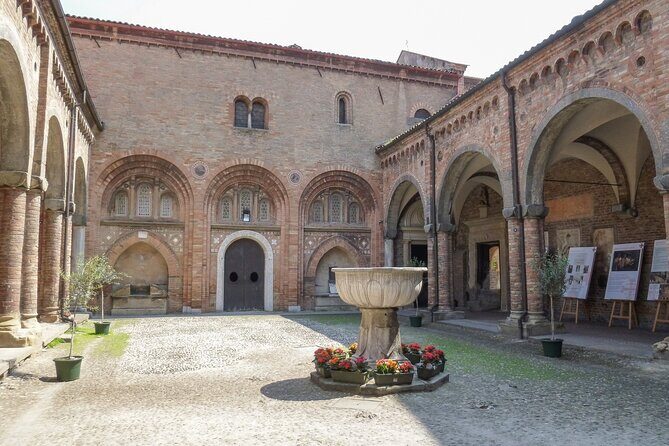
At Corte Isolani, you shift from towering symbols to something more “Bologna in daily life”: the porticoes—covered walkways—that made the city practical. You’ll discover the arcades’ legacy and secrets, then pass through the courts to reach Piazza S. Stefano.
Here’s what I love about this part: porticoes aren’t just pretty. They were built for movement, weather protection, and everyday commerce. Once you’re under them, you immediately get why Bologna is famous for these long corridors of architecture. They create a different pace—cooler, quieter, and more human-scale.
This stop is also where the city starts to feel layered. You’ll recognize that Bologna’s medieval identity isn’t only in grand plazas or tall towers. It’s in the hidden connections between spaces.
One consideration: court areas can feel a bit tighter for photo stops and for keeping your group together. If you’re traveling with slow-moving friends, pick a spot to regroup and don’t wait for the perfect photo moment before you move on.




Stop 4: Piazza Santo Stefano and the seven little churches with a Dante link
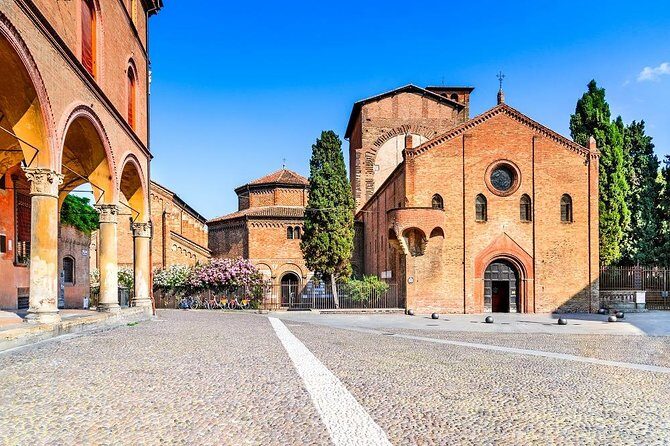
Now you hit Piazza Santo Stefano, one of the most eminent and splendid medieval squares in the center. You’ll access the seven little churches there and hear how this area connects to the inspiration behind Dante’s comedy.
This stop is longer—about an hour—because it’s meant for observation. You’re not just standing in a plaza. You’re walking into a complex of small churches, so the mood changes in steps: from open-air square to more structured sacred space.
The Dante angle matters because it gives you a story hook. Instead of treating the architecture as only decorative, you start seeing it as part of a cultural landscape that influenced literature. Even if you’re not a deep Dante reader, the connection gives your brain something to hold onto while you look.
Tip for enjoying this stop: listen first, then look. It’s easy to start photographing instantly and miss the explanation of what you’re seeing. A quick reset works well—take in the main features, then start snapping photos.
Stop 5: Via Borgonuovo for Romagna street-food tastes
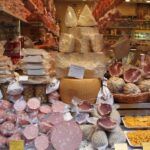
You finish with Via Borgonuovo, where you get a street-food taste and an intro to typical Romagna snacks. Street food is where Bologna’s identity becomes fun and immediate: you stop thinking like a tourist and start thinking like someone who actually lives here.
The tour description mentions lunch-style street food like piadina, but lunch is listed as not included. So plan for a small extra spend for whatever you’re offered. This is normal for food-focused stops, but it’s worth knowing so you don’t feel surprised halfway through.
The best way to handle a tasting stop is to treat it as part of your meal plan, not a separate meal. If you want dinner later, don’t overbuy drinks or add a second snack right after the tasting. Use the tour food stop to steer your appetite, not derail it.
Guides, and why their names show up again and again
Part of the value here is the human factor. People consistently praise the guides for being engaging and genuinely helpful, and you’ll hear different names attached to that experience—Olga, Mirko, and Elena. One guide, Mirko, is noted for confirming details ahead of time, which is a small thing but hugely helpful when you’re trying to line up your day in a new city.
Olga is also highlighted for being extremely knowledgeable and enjoyable, plus sharing a list of recommended restaurants. That kind of practical add-on is gold because it turns your guided walk into a real plan for the rest of your evening.
Elena is connected to an excellent tour experience as well, with one small note about the meeting point being harder to find. That’s not a dealbreaker, but it reinforces the idea that you should show up a few minutes early and use the square as your reference.
Price and value: what $45.71 buys you (and what it doesn’t)
At $45.71 per person, this tour sits in the affordable end for a guided historic walk with multiple scheduled stops. What you’re paying for is not just access to sights. It’s the sequencing and the explanations: coffee context up front, a symbolic towers approach, portico walk-through education, and a longer stop at Piazza Santo Stefano.
Included is a mini-guide, and the rest of the experience is built around interpretation from your local expert. The food elements matter, but coffee/tea and lunch are not included, so you should budget a little extra for tastings.
So is it good value? Yes—if you like guided context and you’re the type who will actually appreciate the “why” behind Bologna’s layout. If you only want photos with minimal talking, you might be happier with a self-guided route. But if you want your walk to make sense as you go, the structure earns its price.
Who should book this walking tour in Bologna
This experience fits best if you want:
- A focused overview that hits the city’s most important medieval identity markers
- A small-group atmosphere (max 15) where you can stay engaged
- A mix of architecture + street-level flavor
It’s also a solid choice if you’re visiting for the first time and want your bearings fast. The route uses recognizable anchors (Neptune Square, the towers area, Piazza Santo Stefano), so it helps you understand where Bologna’s “story” is told in physical space.
You might also enjoy it if you’re a history-and-food combo person. The pacing lets you learn without feeling stuck in classrooms, and the street-food element keeps you moving with energy.
Should you book Walking tour unveiling Bologna?
If you want a guided Bologna that connects symbols (towers), daily design (arcades), and meaningful spaces (Piazza Santo Stefano) with food stops, this is an easy yes. The price is reasonable for a 3 to 4 hour guided walk, and the guide quality seems consistently strong based on the names and feedback linked to the experience.
I’d especially recommend booking if:
- You like walking tours that explain what you’re seeing
- You want restaurant inspiration for later in your trip
- You don’t mind paying separately for coffee or street-food tastings
Skip it only if you’re determined to avoid any extra food spending or if you prefer self-guided tours where you control every stop. Otherwise, this is a practical way to experience Bologna’s center without getting lost in the details.
FAQ
Where does the tour start and end?
It starts at Piazza del Nettuno (Neptune Square), Bologna, and ends back at the same meeting point.
How long is the walking tour?
The tour runs about 3 to 4 hours.
What is included in the price?
The experience includes a mini-guide. Coffee/tea and lunch are listed as not included.
Are coffee and lunch part of the cost?
No. Coffee and/or Tea and lunch (including piadina mentioned for a lunch break) are listed as not included, even though coffee and street-food tastings appear during the walk.
How big are the groups?
The tour has a maximum of 15 travelers, so it stays small.
Is there free cancellation?
Yes. You can cancel for a full refund up to 24 hours before the experience’s start time. Confirmation is received at booking, and you can cancel free depending on that timing.