REVIEW · BOLOGNA
Bologna: Guided Walking Tour
Book on GetYourGuide →Operated by Manuela Roversi · Bookable on GetYourGuide
Bologna rewards slow walking. This 3-hour route strings together Piazza Maggiore and the covered porticoes that make the city feel built for wandering.
I like how the guide, often Manuela Roversi, ties monuments to real stories so you don’t just look up and move on. One catch: you’ll face church dress rules on a few stops, and the Archiginnasio anatomy theatre ticket costs extra.
In This Review
- Key things you’ll notice on this Bologna walking tour
- Bologna’s best highlights, stitched together in 3 hours
- Piazza del Podestà → Piazza Maggiore: where the tour gives you bearings fast
- La Dotta, La Grassa, La Rossa: city nicknames that actually explain what you see
- San Petronio and the longest sundial: the kind of detail that makes the basilica click
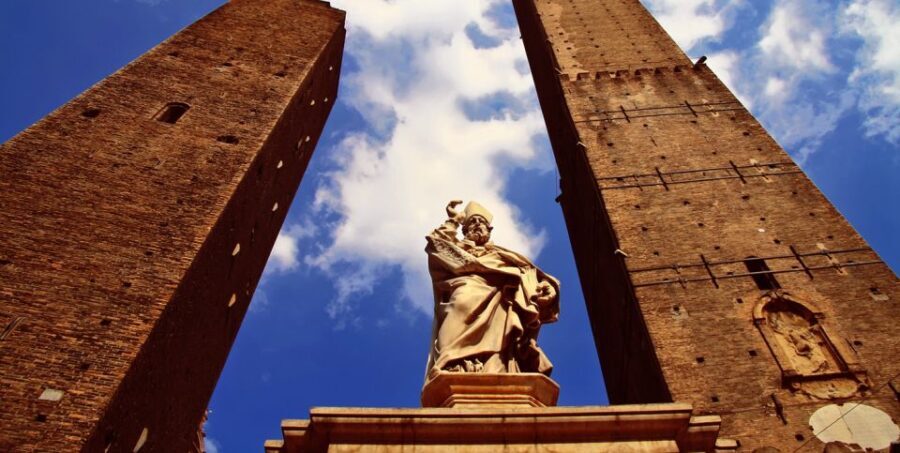
- The two leaning towers: what you’re really looking at
- Archiginnasio and the anatomical theatre: a university stop with real texture
- Torre Galluzzi and the medieval texture between the big stops
- Via Farini, Via Strada Maggiore, and the covered routes that save your day
- Piazza Santo Stefano porticoes: Bologna’s architecture as a moving experience
- Mercato di Mezzo: why food is part of the Bologna story
- Price and value: $118.95 for a private group up to 5
- Getting the most from your guide in the real world
- Practical tips so your churches and porticoes cooperate
- Should you book this Bologna guided walking tour?
- FAQ
- How long is the Bologna guided walking tour?
- How much does the tour cost?
- Where do we meet for the tour?
- What’s included in the price?
- Is the Anatomy Theatre of the Archiginnasio included?
- What should I wear, and is the tour wheelchair accessible?
Key things you’ll notice on this Bologna walking tour
- Piazza Maggiore highlights: Neptune Fountain and the Palazzo del Podestà area
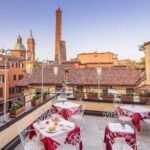
- The two leaning towers: the famous “donkey towers” views and context
- Saint Petronio’s longest sundial: a fun detail that makes the basilica feel specific, not generic
- Archiginnasio + the anatomical theatre: university history you can actually see
- Porticoes all the way: Piazza Santo Stefano’s covered walkways and Court Isolani’s passage
- Food culture at Mercato di Mezzo: why Bologna takes eating so seriously
Bologna’s best highlights, stitched together in 3 hours
Bologna can feel like a city of layers. Old stone, long arcades, university clout, and food culture that’s taken personally for centuries. This guided walk is designed to help you spot the “what matters” quickly, without turning your day into a checklist.
The big win is that the sights connect. You start where the city shows off—Piazza Maggiore—then you move through the medieval-and-early-modern Bologna that makes the nicknames stick: La Dotta (The Learned), La Grassa (The Fat), and La Rossa (The Red). You’ll also get that signature Bologna rhythm: stop, look up, duck under an arcade, and keep going.
And yes, this is a walking tour. You’ll want comfortable shoes and a pace that matches a steady stroll. If you’re hoping to hit every museum, this isn’t that. It’s about giving your eyes the right guide rails so the city makes sense fast.
You can also read our reviews of more walking tours in Bologna

Piazza del Podestà → Piazza Maggiore: where the tour gives you bearings fast
You meet at Piazza del Podestà, Piazza Maggiore 1/e, near the entrance door of the Bologna Welcome tourist office. It’s a central hub, and you’ll feel that right away. Piazza Maggiore isn’t just “a big square.” It’s the kind of place where politics, power, and civic pride are carved right into the buildings.
From the start, the tour hits familiar anchors:
- The Fountain of Neptune in Piazza Maggiore (easy to spot, satisfying to learn)
- The Palazzo del Podestà area (the kind of landmark that looks official because it was meant to be)
What I like here is the guide’s approach. Instead of dumping dates, you get enough context to understand why the architecture and the layout matter. Bologna’s civic identity shows up in how spaces are organized, where people gathered, and how authority was displayed.
This first segment also sets you up for one of Bologna’s trickier features: the city’s “visual overload.” Between façades, arches, balconies, and the sheer amount of stone work, it’s easy to feel lost. A good guide helps you learn what to notice so you don’t miss the city’s better details.
La Dotta, La Grassa, La Rossa: city nicknames that actually explain what you see
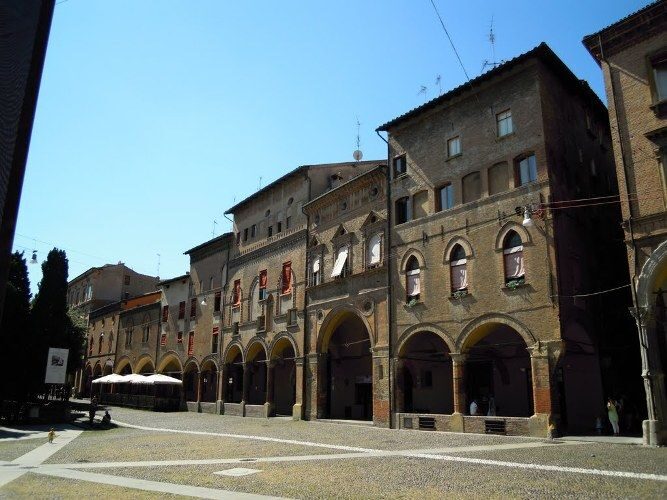
The best way to appreciate Bologna is to know what it’s proud of. This tour does that with the three nickname themes—La Dotta, La Grassa, and La Rossa. You’ll hear what each one means and how they show up in everyday life and long-term history.
Here’s how it connects to your walk:
- La Dotta (The Learned) feeds directly into the university stops later, including the Archiginnasio area.
- La Grassa (The Fat) shows up when you get to the market and learn why food isn’t a side hobby—it’s part of Bologna’s identity.
- La Rossa (The Red) is a visual clue, since parts of Bologna have that red-toned stone and brick character you’ll start spotting once the guide points it out.
This matters because Bologna isn’t just “pretty old buildings.” It’s a working city with a long memory. When you understand the themes, the sights stop being random.
San Petronio and the longest sundial: the kind of detail that makes the basilica click
Next, you move toward the Basilica of Saint Petronio area, where the tour spotlights a standout: the longest sundial inside. That’s not a trivia tidbit you’d stumble on by accident. A guide makes it meaningful—why it exists, what it symbolizes, and how it fits the city’s way of blending science, religion, and civic life.
San Petronio (Saint Petronio) can overwhelm you if you don’t have a focal point. With the sundial as your “hook,” the basilica becomes easier to read. You start noticing how the church functions as a public statement, not just a religious space.
One practical note: churches require planning from you. You’ll need to be covered up when entering. No shorts allowed, and your shoulders must be covered. Bring light layers if you’re traveling in warm weather.
The two leaning towers: what you’re really looking at
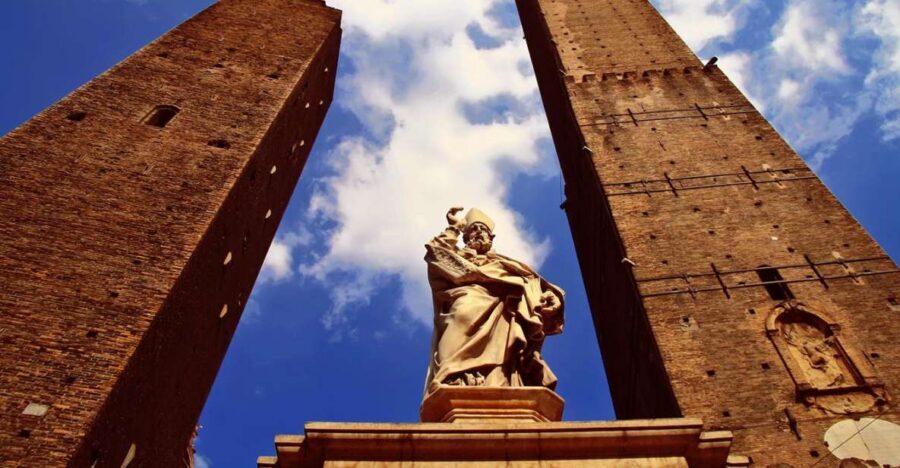
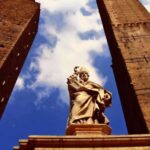
Bologna has two famous leaning towers—often referred to in playful ways as the donkey towers. On this tour, you’ll see them and get the story behind why they lean, plus what their presence meant in the medieval city.
The payoff is twofold:
- You get the correct landmarks. These towers are iconic, but they’re not always easy to identify if you arrive on your own.
- You learn what their odd posture signals about Bologna’s medieval world—where families competed, where towers acted like status symbols, and where the city’s building habits shaped the skyline.
It’s one of those moments where your brain switches from sightseeing mode to understanding mode.
You can also read our reviews of more guided tours in Bologna

Archiginnasio and the anatomical theatre: a university stop with real texture
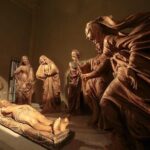
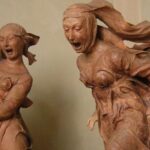
Bologna’s university history isn’t abstract here. The tour points you toward the Archiginnasio and the unique anatomical theatre inside. You’ll learn why Bologna is considered one of Europe’s oldest university centers, and the stop helps connect learning to physical spaces.
A crucial detail: entrance to the Anatomy Theatre of the Archiginnasio is not included. You’ll pay about €3.50 per person, and you must book in advance. So when you book, think about whether this is a must-see for you. If it is, plan ahead so you don’t end up with a sad workaround.
Even if you don’t go inside the anatomical theatre, the stop is still valuable. The guide can explain what makes the setting unusual and how it reflects the era’s ideas about study and the human body. It’s also a great contrast to Bologna’s more airy outdoor vibes—suddenly you’re in a space designed for close, intense learning.
Torre Galluzzi and the medieval texture between the big stops
Between headline monuments, you’ll pass through smaller-but-useful pieces of Bologna’s medieval character, including the Torre Galluzzi. This is the kind of stop that helps you understand the city beyond its “top ten photos.”
Why it matters: if you only see the biggest sights, Bologna can feel like a parade of isolated landmarks. Stops like Torre Galluzzi and similar architectural cues teach you that the city grew in a pattern, not as a single planned event. Medieval Bologna was intense, competitive, and vertical in ambition.
Via Farini, Via Strada Maggiore, and the covered routes that save your day
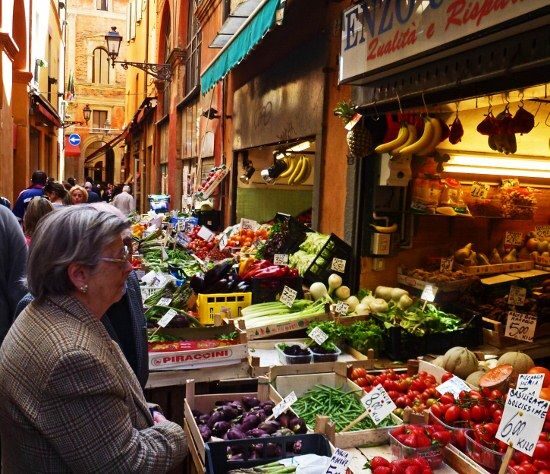
This tour includes stretches along Via Farini and Via Strada Maggiore. These are not just “between places.” They’re the connective tissue of Bologna’s walkability.
And then comes one of the most Bologna things you’ll experience: the covered passageways and arcades, including:
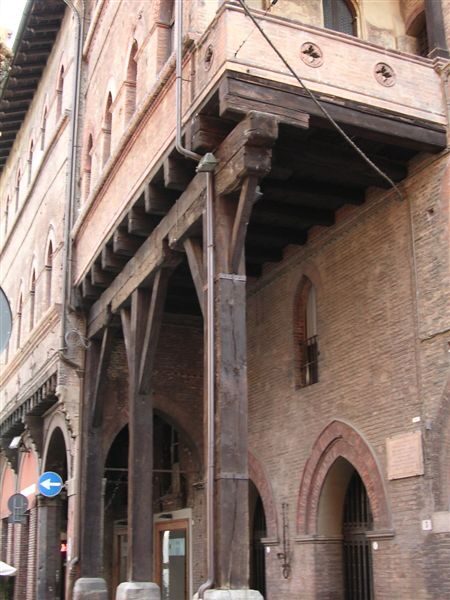
- The Court Isolani covered passageway
- The porticoes leading you toward Piazza Santo Stefano
If you’ve ever visited a city and realized you spent half your trip waiting for weather, Bologna’s arcades are the fix. They don’t eliminate walking fatigue, but they can make a cold day or sudden rain far less annoying. One guide approach that shows up in the tour experience is working with the group and using covered spots to keep things comfortable.
Piazza Santo Stefano porticoes: Bologna’s architecture as a moving experience
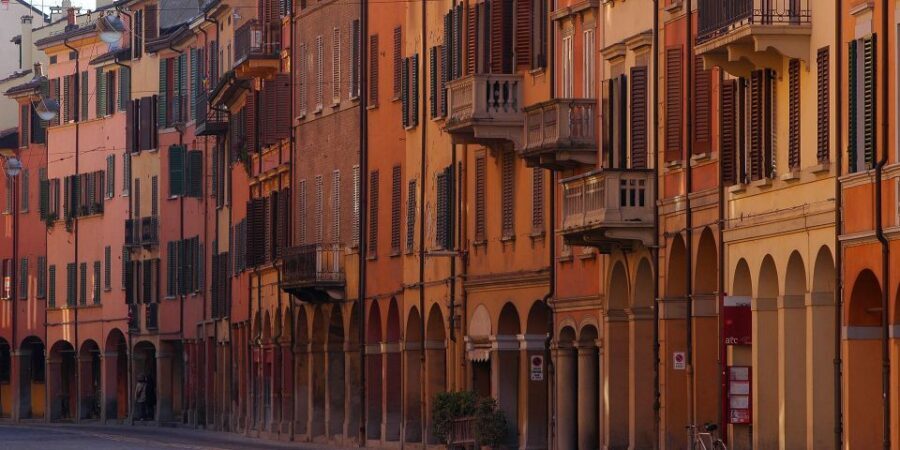
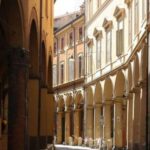
Piazza Santo Stefano’s porticoes are a signature Bologna moment. Instead of seeing buildings from a distance, you move through the covered design. The experience is sensory—sound changes under the arcades, light softens, and the city feels like it has an internal rhythm.
The guide helps you read what you’re seeing so it doesn’t turn into “more arches.” You’ll connect the porticoes to Bologna’s identity—how people traveled, shopped, gathered, and built practical public space into the city’s DNA.
This portion is also where many people start realizing why the nicknames make sense. You’re not just learning history. You’re experiencing the city’s choices.
Mercato di Mezzo: why food is part of the Bologna story
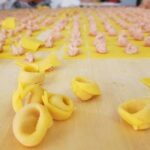
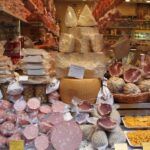
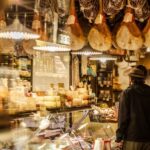
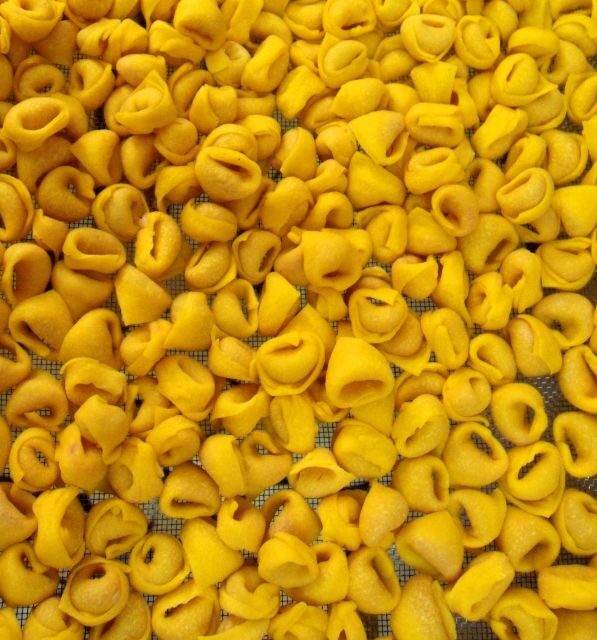
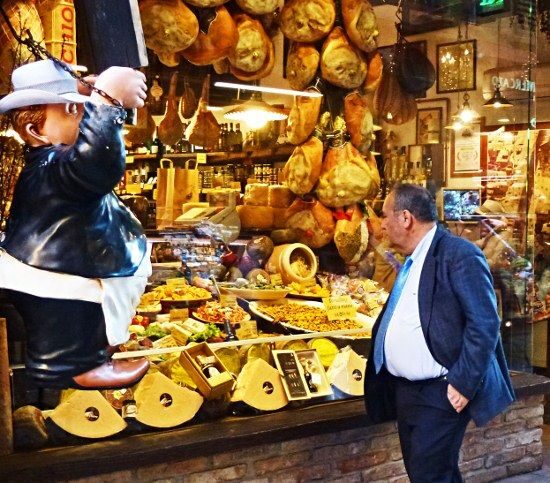
The walking route brings you to the Mercato di Mezzo area, where the guide explains why food is such a central part of Bologna life. This is one of the best “human” parts of the tour because it shifts from architecture to culture.
What you’re likely to pick up:
- Bologna’s food isn’t only about taste
- It’s about routines, markets, local identity, and pride
If you’re even mildly interested in eating well on your trip, this stop helps you understand what to look for later: not just dishes, but why locals care about them.
Price and value: $118.95 for a private group up to 5
The price is listed as $118.95 per group up to 5, and the duration is 3 hours. For a walking tour in a major Italian city, this is a value move—especially because it’s a private group.
Here’s how I’d think about value:
- If you’re traveling as two to five people, you’re paying for a guide without feeling like you’re in a crowd.
- The guide time is concentrated: you’re not burning your itinerary on long transit or standalone museum tickets.
- The tour sets up your later self-guided explorations by giving you the map in your head.
One caution for value: the anatomy theatre entry is extra (about €3.50 per person), and you have to book ahead. If you’re not planning to add that, the tour still works. If it is on your list, factor it in early.
Also note the small-but-real detail: this is a walking tour. If you’re expecting a lot of sitting time, you’ll be happier elsewhere.
Getting the most from your guide in the real world
Two guide qualities show up strongly in the tour experience: passion and staying power. You’ll see it in the way the guide keeps the story going from square to square, and in how they handle questions on the spot.
Guides associated with this experience include Manuela Roversi, and at least one other guide mentioned in the tour context is Giulia. Both are described as keeping people interested and making Bologna feel like more than a set of buildings. That’s what you want on a 3-hour walk: not just facts, but momentum.
If you’re visiting with people who get restless, private groups help. You can move at a pace that fits your group, and your guide can adjust explanations if someone wants more or less detail.
Practical tips so your churches and porticoes cooperate
A few “make your day easier” notes:
- Wear comfortable shoes. The tour is 3 hours, and Bologna adds up your steps quickly.
- Pack for church stops: you must be covered up. No shorts, and your shoulders need to be covered.
- Expect an added choice at Archiginnasio: the anatomy theatre ticket is not included and requires advance booking.
- Languages are Spanish, English, Italian, and German, so pick the option that matches your group.
Weather happens in Bologna like it does everywhere. The good news is the city’s covered architecture helps. The even better news is that your guide can help you use those covered routes to keep the walk comfortable.
Should you book this Bologna guided walking tour?
Book it if you want:
- A fast, organized way to see the Bologna highlights: Piazza Maggiore, the leaning towers, Saint Petronio’s sundial, Archiginnasio, and the porticoes around Piazza Santo Stefano
- A guide who connects monuments to why Bologna is known as La Dotta, La Grassa, and La Rossa
- A private group setup that keeps the experience flexible for your pace
Skip it or adjust expectations if:
- You’re allergic to walking (3 hours still adds up)
- You want museum-style time, because the anatomy theatre is an optional add-on with advance booking
- Your group might struggle with church dress rules—plan ahead so you’re not hunting for something acceptable mid-trip
If you like cities that reward attention, this tour gives you that in the right order. You leave with a mental map, a sharper eye for details, and a clearer sense of why Bologna is one of Italy’s most personality-rich stops.
FAQ
How long is the Bologna guided walking tour?
It’s a 3-hour walking tour. Starting times depend on availability.
How much does the tour cost?
The price is $118.95 per group for up to 5 people.
Where do we meet for the tour?
The tour starts at Piazza del Podestà, Piazza Maggiore 1/e, close to the entrance door of the Bologna Welcome tourist office.
What’s included in the price?
The tour includes the 3-hour guided walking tour and a live guide.
Is the Anatomy Theatre of the Archiginnasio included?
No. Entrance to the Anatomy Theatre of the Archiginnasio costs about €3.50 per person and must be booked in advance.
What should I wear, and is the tour wheelchair accessible?
You must be covered up when entering churches: no shorts and shoulders must be covered. The tour is listed as wheelchair accessible.
You Might Also Enjoy
 Private tour Brunello di Montalcino and Nobile di Montepulciano wine experience in Tuscany
 Florence: Street Food Tour and Sightseeing with Local Expert Guide in 2.5 hours
 Private Tour to Tuscan Jewels in one day:Siena, Monteriggioni, S.Gimignano, Pisa
 Tuscany Wine Tour: 2 Wineries & San Gimignano from Florence