REVIEW · FLORENCE
Accademia Gallery: Michelangelo’s David, A Symbol of Strength.
Book on Viator →Operated by Star Florence · Bookable on Viator
You’ll feel the pressure of David’s scale. This guided skip-the-line stop is built for real viewing time, not standing in a crowd. I especially like the skip-the-line ticket and the radio system so you can actually follow the story while you move room to room. The main thing to watch is timing: if you arrive after the start, you cannot join and you will not get a refund or a reschedule.
What makes this one work is the flow. You don’t just sprint to David and call it a day. You get a guided route that connects David to the related sculptures and paintings around him, including the Hall of the Colossus, the Hall of the Prisoners, the Tribune, and the plaster casts in the Gipsoteca Bartolini—then you’re released with time to go back and linger where you want.
In This Review
- Key highlights at a glance
- Why Michelangelo’s David is worth an organized plan
- Price and logistics: what $55.63 buys you in real terms
- The meeting point at Via Ricasoli 57: don’t wing it
- The one-hour route through Accademia’s top rooms
- Hall of the Colossus: where other artists set the stage
- The Tribune: David up close, plus Allori on the wings
- Hall of the Prisoners: Slaves and the story behind unfinished work
- Gipsoteca Bartolini: plaster casts that teach your eye
- Guides you might meet: Matteo, Rosie, Pam, and more
- After the tour: how to finish your museum day the smart way
- Who should book this Accademia David tour
- Should you book this David and Strength tour?
- FAQ
- How long is the Accademia Gallery tour?
- What language is the tour offered in?
- Does the ticket include admission to the Accademia Gallery?
- Is skip-the-line access guaranteed?
- Where do I meet, and where does the tour end?
- How many people are in the group?
- What happens if I arrive late or need to cancel?
Key highlights at a glance
- Skip-the-line access helps you spend your energy looking, not waiting
- Headsets/radio system keep your guide’s explanations clear as you walk
- David plus linked masterpieces in about an hour, without feeling crushed by information
- Hall of the Prisoners focus on Michelangelo’s unfinished Slaves and creative process
- Gipsoteca Bartolini plaster casts that help you compare forms and proportions fast
- Small tour size (max 19) keeps the pace manageable
Why Michelangelo’s David is worth an organized plan
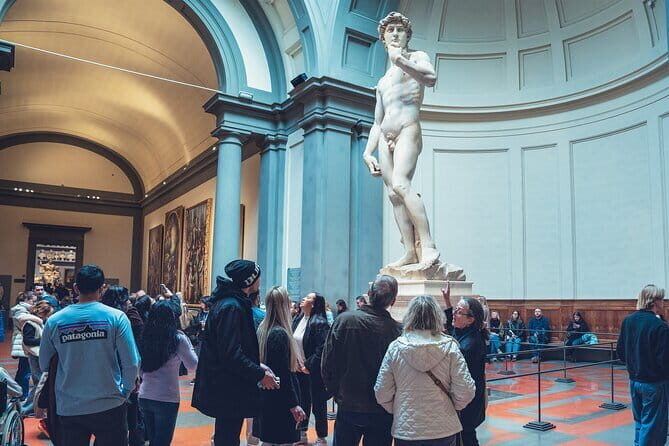
Accademia’s David is the kind of artwork that ruins your baseline for everything else. Even if you think you know what it looks like, seeing it in person hits differently. The sculpture’s presence is physical. It pulls your attention in. It also makes the museum feel busy, because everyone is funneling toward the same spot.
That’s where a guided format helps. A one-hour tour keeps you from getting stuck in the biggest bottleneck at the wrong moment, and it gives you something more useful than just staring: context for why certain details matter. Your guide doesn’t treat David like a standalone “photo spot.” You’ll hear how the work connects to other sculptures and to artists around Michelangelo—so you leave with a clearer picture of Renaissance art as a conversation, not a series of isolated masterpieces.
You can also read our reviews of more museum experiences in Florence

Price and logistics: what $55.63 buys you in real terms
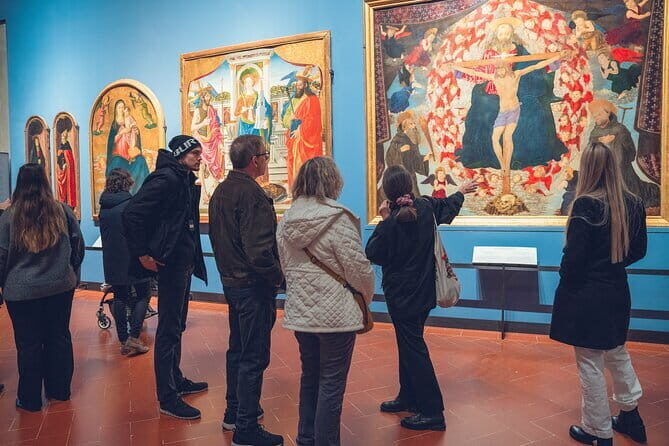
At $55.63 per person for about 1 hour, you’re paying for three things that matter in Florence: an officially certified guide, a reserved entry ticket, and a built-in way to hear the explanation while you move.
Here’s the practical value:
- Reserved entry with skip-the-line: In peak season, the savings can be hours of frustration.
- Radio system: You’re not stuck trying to read placards and guess what your guide is saying.
- Admission included: You’re not juggling separate tickets and timing.
What you should consider: this is a high-impact highlights tour. You’re not doing a slow museum day. If you’re the type who wants to study every panel and every statue for a long time, plan to return after the tour. The good news is you’ll have time afterward to revisit what grabbed you most.
The meeting point at Via Ricasoli 57: don’t wing it
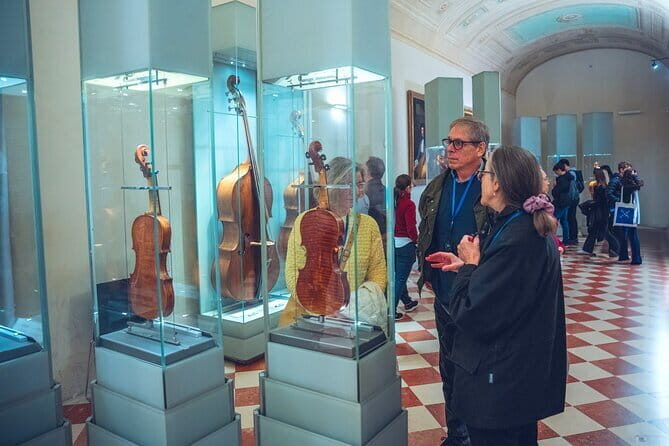
Your start point is Via Ricasoli, 57, 50121 Firenze FI, Italy. The tour ends back at the same meeting point.
Two practical rules:
- Arrive early. The start time is firm, and if you arrive after, you can’t join and you won’t be refunded or rescheduled.
- Find the right doorway/address on arrival. The meeting spot is specific, and it can be easy to get flustered if you show up late or rush to match the address to the building.
Take five minutes before your tour start to orient yourself. Use Google Maps until the last possible moment, and then switch to a quick visual check. Florence is full of similar-looking entrances, and your goal is to avoid a stressful scramble right when you want the tour to feel smooth.
The one-hour route through Accademia’s top rooms
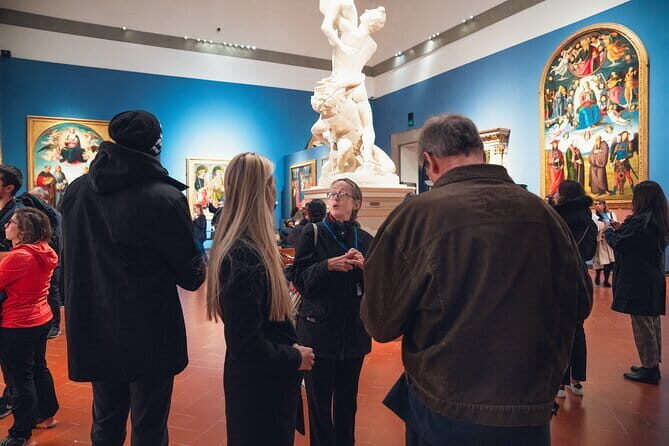
This tour is designed like a smart walking loop. You’ll enter with your guide, get an orientation to Michelangelo’s David and the broader collection, and then move through key spaces in a set order.
Expect this rhythm:
1) Hall of the Colossus (art that broadens your frame beyond David)
2) Hall of the Prisoners (Michelangelo’s unfinished sculptures and process)
3) The Tribune (the main David focus, plus related works)
4) Gipsoteca Bartolini (plaster casts and a documentation space)
The big advantage of this structure is that you’re not overwhelmed. You’re seeing the museum’s biggest ideas without trying to absorb everything at once. And because it’s scheduled, you’re guided to the most important stops at a pace that helps you avoid the heaviest crowd pressure.
Hall of the Colossus: where other artists set the stage
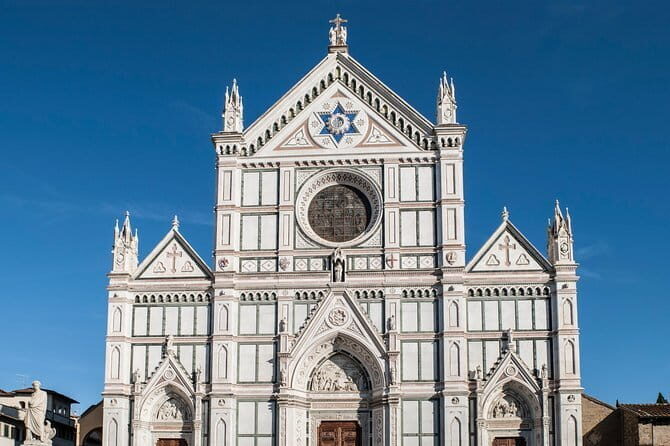
Your guide starts by warming you up with what to notice, then you head to the Hall of the Colossus. This is where the tour widens the story.
In this room, you’ll focus on works including:
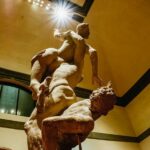
- Giambologna’s Rape of the Sabines
- Cassone Adimari
- Domenico Ghirlandaio’s St. Stephen between St. James and St. Peter
Why this matters for you: seeing these pieces before David changes how you look at David. You start noticing sculptural drama, composition, and religious storytelling patterns that were part of Florentine culture. Even if you’re mostly in it for David, this detour helps you understand what artists were responding to and competing with.
Potential drawback: because the tour is only about an hour, you’re not given a slow, museum-studious experience in every room. You’ll likely get just enough time to appreciate what the guide points out, then you move on.
- Tuscany Day Trip from Florence: Siena, San Gimignano, Pisa and Lunch at a Winery
★ 5.0 · 21,634 reviews - The Best tour in Florence: Renaissance & Medici Tales – guided by a STORYTELLER
★ 5.0 · 12,316 reviews


The Tribune: David up close, plus Allori on the wings
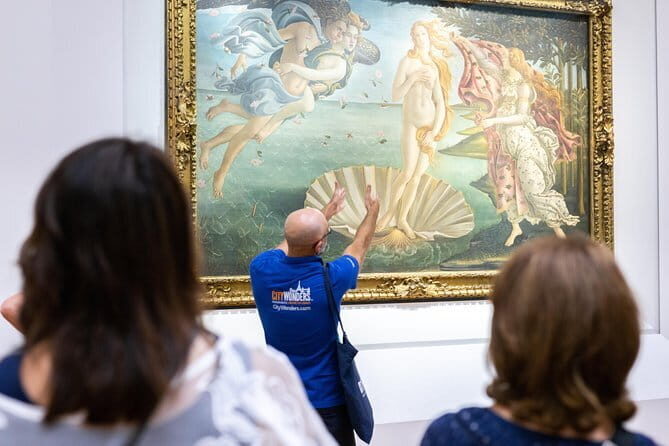
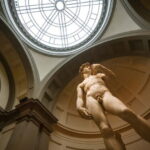
The highlight you came for arrives in the Tribune, where you’ll spend focused time on Michelangelo’s David.
You’ll also hear about Allori’s Coronation of the Virgin Mary on the Tribune’s left wing. That pairing is quietly smart. It places David inside a broader visual world where Florence’s artists were producing major religious and symbolic works side by side with masterpieces of sculpture.
What I like about this part of the tour is the pacing. You’re guided to notice David’s presence without wasting time guessing what you should be looking at. And since your guide is moving with you, the explanation stays aligned with what you’re seeing in that exact moment.
If you want a real tip: use the radio system. A few people have said they sometimes didn’t use the headsets and had to lean in to catch the guide. If you want the story to stay effortless, don’t let yourself fall into the trap of thinking you can rely on your hearing plus crowd noise.
Hall of the Prisoners: Slaves and the story behind unfinished work
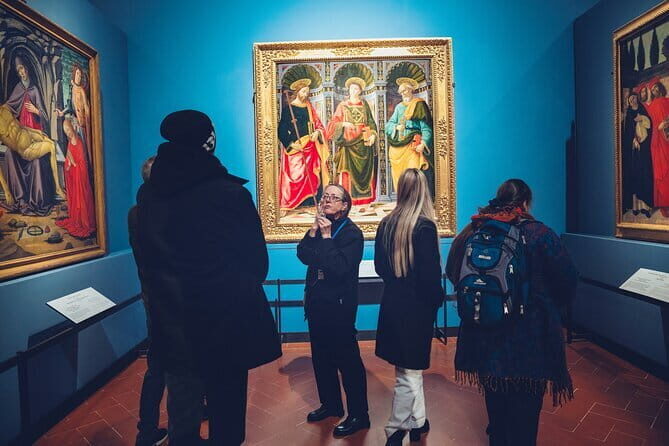
Next comes one of the most fascinating sections for anyone who likes process. In the Hall of the Prisoners, you’ll learn about Michelangelo’s unfinished statues—often referenced as the Slaves—and how to read unfinished sculpture as a sign of thought, experimentation, and intent.
Your guide also connects the pieces to Michelangelo’s artistic relationships, including mutual influence and connections with artists such as:
- Fra’ Bartolomeo
- Pontormo
- Granacci
Why this stop is so valuable: David is finished and iconic. But the Slaves and related unfinished works help you understand how Michelangelo moved toward that perfection. It turns the museum from a “look, photo, move on” experience into something closer to following a creative mind at work.
A consideration: if you’re only interested in the famous finished sculpture, this room can feel like extra time. But if you care about how art gets made, it’s often the moment that makes the whole trip stick in your memory.
Gipsoteca Bartolini: plaster casts that teach your eye
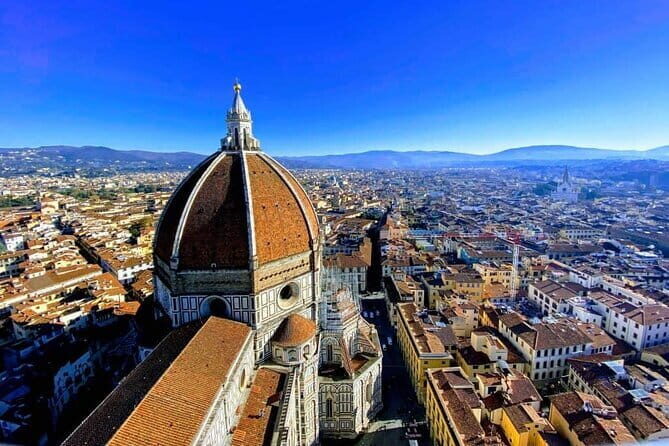
The final stop is the Gipsoteca Bartolini, where you’ll see plaster casts and supporting documentation in the first floor area.
Casts you’ll encounter include:
- Reclining Venus
- Arnolfo
- Brunelleschi
- Lorenzo Monaco
Why you might enjoy this: casts can be a fast way to compare forms and notice proportions without getting lost in interpretation. Instead of only seeing one masterpiece, you’re seeing models and references that help you understand how artists studied bodies and forms.
This section also works as a decompression moment. After the weight of David and the intensity of the Prisoners hall, the casts feel like a calmer way to end your tour with fresh visual input.
Guides you might meet: Matteo, Rosie, Pam, and more
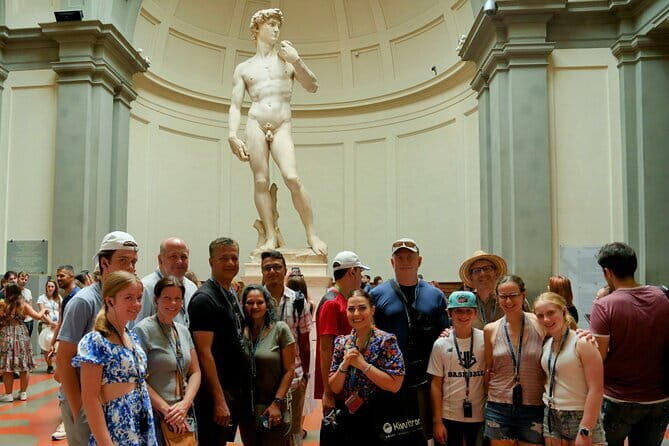
One reason this tour gets strong marks is the guide energy. You may meet different guides depending on your date. Based on names that have led this experience, you could be guided by people like Matteo, Rosie, Pamela (Pam), Francesco, Gayla, Hilaria, Gabriella, or Hilary.
What’s consistently useful is the teaching style many of these guides use:
- keeping explanations clear enough for kids and mixed groups
- staying friendly while still pointing out specific details
- timing sections so you don’t walk straight into the worst crowd crush
- answering questions instead of treating the tour like a lecture
If you’re traveling with family, that matters. A museum tour can turn into a slog if the guide can’t manage attention. Here, you’re getting a tour format built for motion and listening—not just standing and reading.
After the tour: how to finish your museum day the smart way
At the end of the guided hour, you can return to anything you want to see again, including David. This is a big deal. It means you’re not locked into the guide’s pace forever.
Here’s how I’d use your free time:
- Go back to the Tribune for a second look at David after the context lands
- Revisit any room where something caught you—especially if a question your guide answered made you want more
- Use quieter corners to read placards at your own speed instead of trying to do that while walking
One practical note: the tour is capped at about 19 travelers, so the museum still feels lively. Don’t expect solitude. But with the guided structure done, you’ll know where to focus.
Who should book this Accademia David tour
This is a great fit if you:
- want David up close without losing your morning to lines
- prefer a guided highlights plan over a full-day museum marathon
- like art context that connects sculptures and artists, not just isolated facts
- are traveling with kids or a mixed-age group who needs a bit more structure
- are doing other major sites in Florence soon and want a clean 1-hour block
You might consider a different option if you:
- want to spend hours studying every painting and sculpture
- hate structured routes and want complete freedom with no schedule at all
Should you book this David and Strength tour?
Yes—if you want a smart, time-efficient way to see the Accademia’s core moments, this booking makes sense. The skip-the-line advantage is the biggest practical win, and the included radio system turns the hour into real learning instead of guesswork. The itinerary also avoids a common mistake: you’re not just running to David and missing the surrounding clues that explain why Renaissance sculpture works the way it does.
My advice: book it early enough that you can match your day’s energy, and plan to be at Via Ricasoli 57 ahead of time. If you do that, you’ll get what most people want from a Florence museum visit—less stress, clearer context, and more looking at what’s actually in front of you.
FAQ
How long is the Accademia Gallery tour?
It runs for about 1 hour.
What language is the tour offered in?
The tour is offered in English.
Does the ticket include admission to the Accademia Gallery?
Yes. The tour includes an entrance ticket with reservation to the Accademia Gallery.
Is skip-the-line access guaranteed?
Skip-the-line access is guaranteed, including during peak season, except in the event of delays or strikes by the museum management.
Where do I meet, and where does the tour end?
You meet at Via Ricasoli, 57, 50121 Firenze FI, Italy, and the experience ends back at the same meeting point.
How many people are in the group?
There is a maximum group size of 19 travelers.
What happens if I arrive late or need to cancel?
If you arrive after the tour start time, you will not be able to join and you will not be refunded or rescheduled. If you cancel, the experience offers free cancellation up to 24 hours in advance for a full refund.

More Museum Experiences in Florence
More Tour Reviews in Florence
- Tuscany Day Trip from Florence: Siena, San Gimignano, Pisa and Lunch at a Winery
★ 5.0 · 21,634 reviews - The Best tour in Florence: Renaissance & Medici Tales – guided by a STORYTELLER
★ 5.0 · 12,316 reviews