REVIEW · TUSCANY
Adrenaline kayaking on the Lima and Serchio rivers in Bagni di Lucca
Book on Viator →Operated by Firenze Rafting · Bookable on Viator
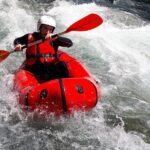
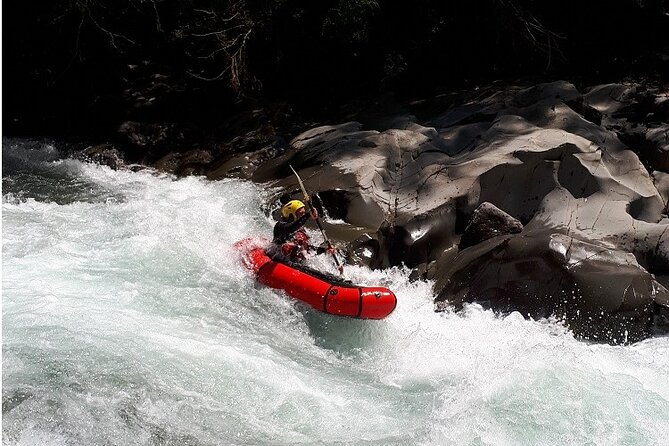
Tuscan river rapids are the point here, and you feel it fast. This 3-hour run near Bagni di Lucca mixes a packrafting descent with an inflatable kayak feel on the sparkling Lima torrent (spring/autumn) and the Serchio (summer), all in wild valleys and narrow rocky gorges. One standout detail: you get to pass under the arches of the mysterious Ponte del Diavolo.
I especially like the clear-water setting and how it keeps the action visible. In this area, the water is described as very clear, so when you hit waves and rapids, you’re not just surviving the ride—you’re watching it unfold.
The other thing I like is how they set you up with gear and coaching that works even if you’re not an expert. Still, there’s one practical drawback to know: this is not a lazy paddle. You need to be ready for cold water, wet gear, and active effort even if the ride isn’t always hardest-rapid the whole time.
In This Review
- Quick hits before you hit the water
- Why this adrenaline kayaking feels different in Tuscany
- Lima in spring/autumn vs Serchio in summer
- What you wear: the wetsuit setup makes or breaks it
- The 3-hour flow: what your day will feel like
- Coaching and safety: friendly confidence, not macho posturing
- The Ponte del Diavolo moment: why this arch pass is the headline
- Stop 1 at Ponte Sospeso di San Marcello Pistoiese
- How the rapids feel: waves, emotions, and alternating effort
- Value check: why $77.44 can make sense here
- Who should book this (and who should skip it)
- Should you book this Lima/Serchio adrenaline run?
- FAQ
- How long is the kayaking and packrafting experience?
- Which river will I paddle on?
- What gear is included?
- What should I bring with me?
- Is this experience suitable for children?
- Is there a weight limit?
- What’s the group size and language?
Quick hits before you hit the water
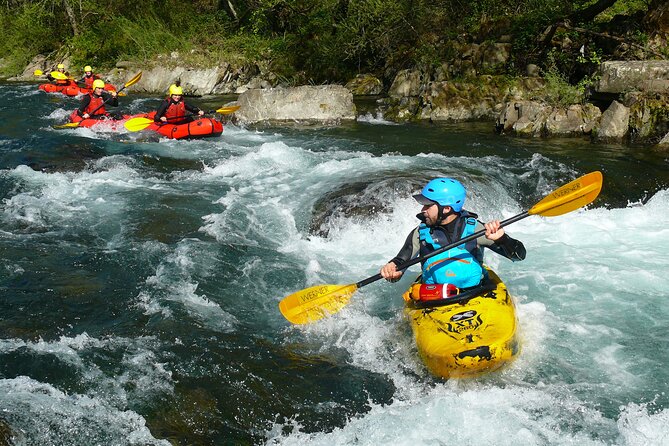
- Seasonal river choice: Lima in spring/autumn; Serchio in summer
- Gear is included: neoprene wetsuit, helmet, life jacket, neoprene boots, paddle
- Ponte del Diavolo pass: the route is built around that dramatic arch moment
- Small group pace: maximum 10 travelers, with a minimum of 2
- Optional helmet camera: add-on available for an extra cost in at least some groups
Why this adrenaline kayaking feels different in Tuscany
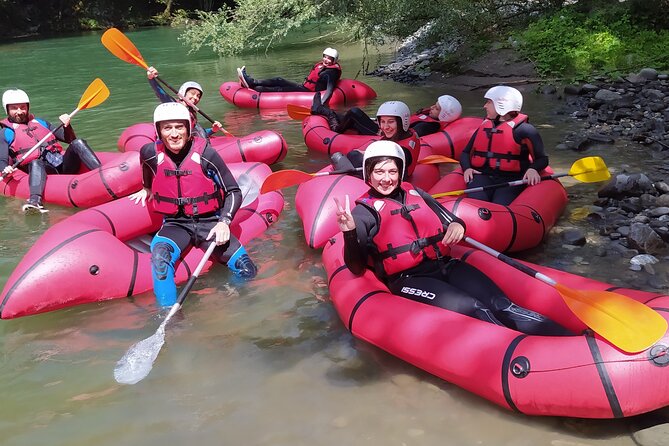
Most “kayak” days in Italy are calm-water sightseeing with the occasional splash. This one is built around a torrent—waves, rapids, and a route through tight terrain—so your brain stays switched on the whole time. The company also frames it as the only real canoeing activity on a torrent in Tuscany that includes the famous arch crossing experience under Ponte del Diavolo.
That matters because it changes how you’ll remember the day. Instead of a photo line at a viewpoint, you’ll remember the next rapid coming and the sudden change in river mood. And because the water is described as very clear, the contrasts feel sharper: a calmer stretch shows you what’s coming next, and then the river kicks back into action.
The run is also designed to keep emotion high without turning into a technical white-knuckle course. The description talks about a succession of fantastic rapids and waves, but the overall feel lands as active fun rather than pure survival. In one example, an English-speaking guide named Pietro explained everything clearly for beginners, and the effort was described as moderate—rapids and light currents alternate.
You can also read our reviews of more tours and experiences in Tuscany.
Lima in spring/autumn vs Serchio in summer
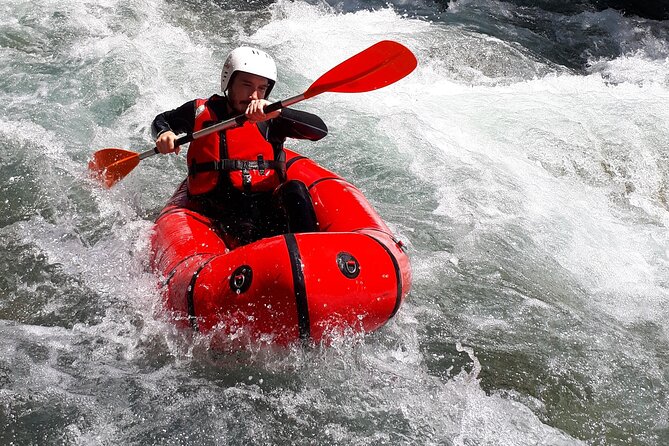
You don’t just pick a date here—you pick a river mood based on the season.
- Spring and autumn: you float the Lima torrent with the “sparkling” water vibe.
- Summer: you switch to the Serchio river.
If you’re the type who hates uncertainty, it helps that the seasonal split is stated clearly. You’ll know which river you’re on once you book for your travel window, and you can plan clothing and expectations accordingly.
Also, think about timing and weather. This tour requires good weather. If conditions aren’t right, you’ll either get a different date or a full refund. That’s worth factoring into your schedule in Tuscany—don’t book this as your only “outdoor backup” plan if your week is packed.
What you wear: the wetsuit setup makes or breaks it
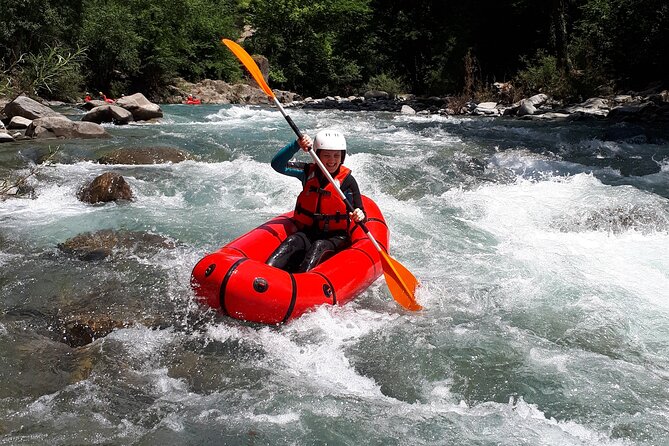
You’ll get most of the stuff that keeps cold water from winning: neoprene wetsuit, helmet, life jacket, neoprene boots, and a paddle. That’s great value because it means you don’t have to shop for gear in Italy.
What to bring is simpler than you’d think, but don’t ignore it:
- You need a DA bathing suit (wording from the listing). Basically, plan on swimwear under your wetsuit.
- Bring sneakers if you’re using them for the start/end and any walking segments.
- A thermal T-shirt is optional. If you run cold easily, it’s an easy upgrade.
- Bring a towel. You’ll want it right after the run.
Practical tip: wear what’s comfortable to drain. Neoprene boots feel snug, and anything too thick under your suit can get annoying once you’re wet. If you can, go for swimwear you’re okay with getting permanently “river-scented.”
And yes, it can feel like a lot of gear for a “3-hour trip.” But once you’re moving, it’s part of the fun. You’re not just getting wet—you’re getting equipped to handle waves and rapids.
The 3-hour flow: what your day will feel like
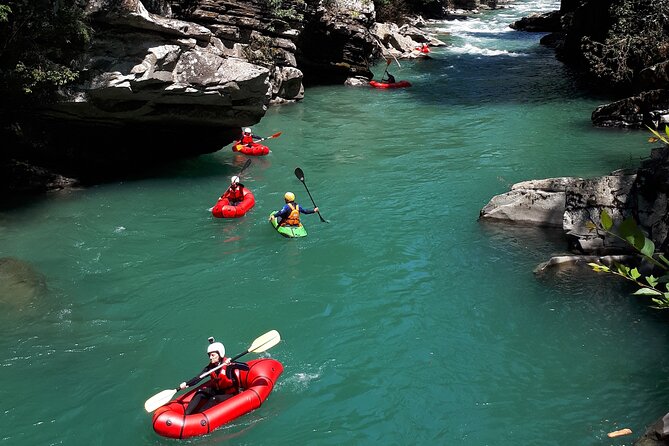
This isn’t an all-day rafting excursion. It’s about 3 hours, and the structure is straightforward: you meet up, get fitted, get instructions, then run the river.
The activity ends back at the meeting point, so you don’t need to plan another transfer right after. The start location is at FIRENZE RAFTING – Centro Rafting, Canyoning, Kayak e Packrafting di Bagni di Lucca, Via Fabbriche, 29, 55022 Fabbriche Casabasciana (LU), Italy.
Here’s what I’d expect the experience rhythm to be like based on how these runs are described:
- You’ll spend time getting suited up and briefed on how to paddle, where to position yourself, and how to react when the river changes.
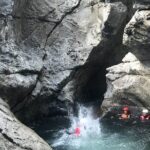
- Then you get into the sequence: waves and rapids, followed by lighter stretches that let you reset and take in the scenery in wild valleys and narrow rocky gorges.
- Near the highlight structures, you’ll focus more and slow down mentally to catch the right moment for the arch passing experience.
Group size is capped at 10 travelers, which usually means less waiting and more actual time on the water. It also helps with instruction quality. One review described a group of three and praised how the guide explained things for beginners.
Coaching and safety: friendly confidence, not macho posturing
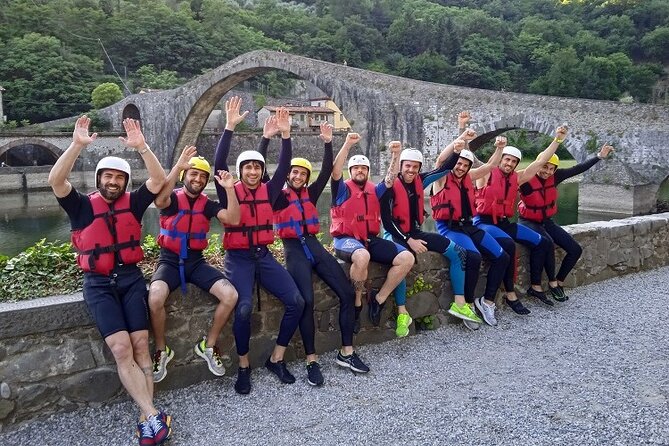
You should expect a real guide presence. At least one group explicitly mentioned the guide being very nice and giving clear explanations for beginners. The same group also noted that it was easy to talk in English.
That matters. When you’re dealing with rapids, “instructions” can’t be vague. The river punishes guesses, so coaching needs to be practical—how to hold the paddle, how to keep balance, and what to do when you’re pushed off your ideal line.
The good news is the physical level is listed as moderate. This is not only for elite athletes, but it’s also not a sit-there-and-smile float. If you’re comfortable with basic swimming, can wear wet gear without panicking, and can follow quick instructions, you’re in the right zone.
One more constraint to take seriously: it’s not allowed for children under 16, and it’s also prohibited for people who weigh more than 100 kg. Those limits aren’t there to be annoying; they’re about safety and fitting gear and boats properly.



The Ponte del Diavolo moment: why this arch pass is the headline
The most famous “do you really get that?” detail here is the chance to pass under Ponte del Diavolo. The description calls it mysterious, and honestly, that’s exactly the energy you want before a torrent ride—something a little dramatic and story-ish, but still grounded in the actual mechanics of the river.
When you pass under arches during a rapid environment, you’re dealing with a mix of:
- tighter spatial awareness (your brain has less room to adjust),
- a visual moment you’ll remember, and
- the need to stay calm so your paddling stays consistent.
This is the kind of highlight that turns a fun day into a “tell people about it later” day. Most river experiences have a view. This one has a structure that becomes part of the ride.
If you’re a photographer type, this is where you’ll want your eyes. One review mentioned an optional helmet camera add-on (for 50€) to capture the experience. If you want action shots without juggling a device, that’s the cleanest approach.
Stop 1 at Ponte Sospeso di San Marcello Pistoiese
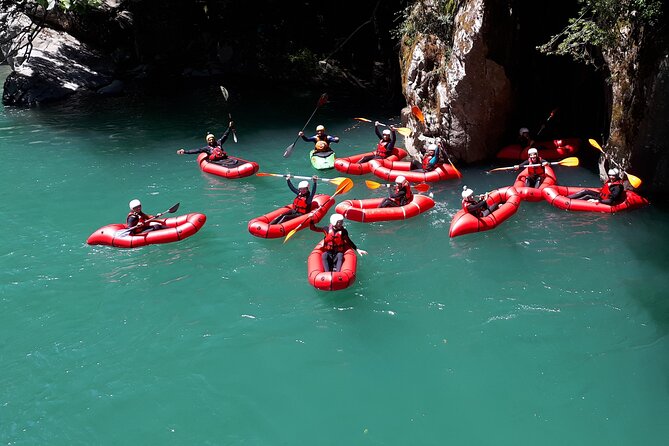
Your route includes a named stop at Ponte Sospeso di San Marcello Pistoiese. Even if you treat it as a quick “moment” rather than a long sightseeing stop, it’s still useful to know that the itinerary is built around recognizable points—not just floating blindly through river bends.
Why a bridge stop matters on a river day: it gives the guide a natural place to pause, regroup, and orient the group. And for you, it’s a mental reset. After a rapid sequence, your body gets tired. A brief check-in point can make the difference between feeling steady for the whole trip versus getting worn out.
Also, named bridges often help you track where you are in the valley. If you’re the kind of person who likes context (and I think many do), it gives you something to anchor the experience to beyond the water alone.
How the rapids feel: waves, emotions, and alternating effort
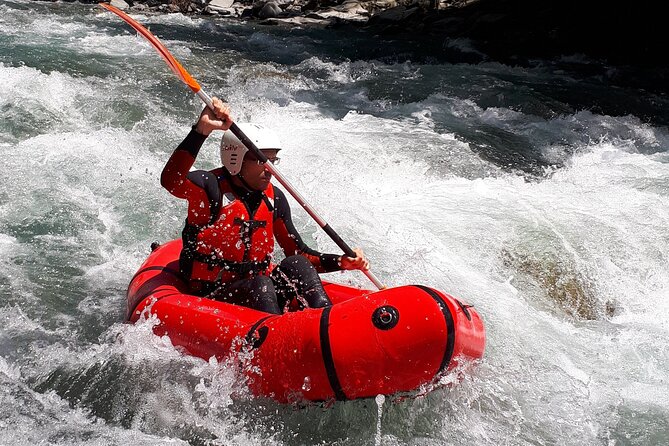
The ride is described as having a “succession of fantastic rapids,” plus waves and emotion, flowing through wild valleys and narrow rocky gorges. That’s the big-picture promise.
The practical reality, based on real feedback from an English-speaking group: the intensity is not constant. Rapids and stronger current sections alternate with lighter flow. That pattern is exactly what you want if you’re adrenaline-driven but not looking to be exhausted.
In that same example, the effort was described as rather moderate. That doesn’t mean it’s easy—it means the ride doesn’t feel like one long grind. You get bursts, then you recover.
So your strategy should be simple: listen to the guide, keep your body ready for sudden pushes, and treat the calmer stretches as active recovery, not as a chance to stop paying attention.
Value check: why $77.44 can make sense here
At $77.44 per person for about 3 hours, this can be good value if you think about what’s included and what you’re actually doing.
Consider what you’d otherwise pay for:
- rental gear for cold-water paddling (wetsuit, helmet, life jacket, boots, paddle),
- a guide to handle river conditions and keep the group safe,
- and the cost of access to a route that includes a signature arch moment and torrent riding.
You’re not just buying time on water. You’re buying a guided setup where the company handles equipment and the river route. And the small group cap (max 10) typically helps the quality of instruction.
If you want extra media, there’s at least one option noted: a helmet camera add-on for 50€. That’s optional, but it’s a smart upgrade if you’re trying to bring home more than blurry memories.
Who should book this (and who should skip it)
This tour fits best if you:
- want adrenaline without committing to a full-day expedition,
- like the idea of combining scenery with controlled chaos,
- can handle wet gear and cold water for a few hours,
- and you’re ready to follow instructions quickly when the river changes.
It’s probably not a great fit if:
- you hate getting cold and wet,
- you’re looking for a purely scenic, calm paddling day,
- or you fall outside the safety limits (under 16 or above 100 kg).
If you’re traveling solo, it still works because there’s a minimum group requirement, but the max is small. If you have friends, you may end up in a tight group that gets more attention.
Should you book this Lima/Serchio adrenaline run?
I’d book it if you want something more active than typical Tuscan sightseeing and you like the idea of earning your photos with real river time. The big draw for me is the mix of torrent adrenaline plus a memorable engineering moment under Ponte del Diavolo, not just generic kayaking.
I’d hesitate only if you’re fragile about cold water or you want a leisurely experience. This is gear-up, get-in, paddle through rapids, and then get warm afterward. Done right, it’s the kind of day that feels different from the rest of your Tuscany trip.
If your dates are flexible and you can handle the moderate effort level, it’s a strong choice near Bagni di Lucca for a short, high-impact adventure.
FAQ
How long is the kayaking and packrafting experience?
It lasts about 3 hours.
Which river will I paddle on?
It depends on the season: the Lima torrent is used in spring and autumn, and the Serchio river is used in summer.
What gear is included?
You get a neoprene wetsuit, helmet, life jacket, neoprene boots, and a paddle.
What should I bring with me?
Bring a bathing suit, sneakers, a towel, and an optional thermal T-shirt if you want extra warmth.
Is this experience suitable for children?
No. It’s prohibited for children under 16.
Is there a weight limit?
Yes. People weighing more than 100 kg are not allowed.
What’s the group size and language?
The tour is offered in English and has a maximum of 10 travelers.