REVIEW · TUSCANY
Corso di Pasta Fresca
Book on Viator →Operated by Agriturismo Biologico Diacceroni · Bookable on Viator
Fresh pasta lessons hit different in Tuscany.
This class takes place in the hills near Volterra, where you learn by doing, not watching. I like that it’s taught in Italian and English, so you can follow the steps without guessing.
Two things I really like: you’ll craft three traditional pasta shapes, and then you actually sit down to eat them with classic sauces and wine. One thing to keep in mind is that the day can feel a bit time-tight once serving starts, so go in expecting a friendly, efficient flow rather than a slow lunch marathon.
In This Review
- Key Points to Know Before You Go
- Fresh Pasta in Volterra: Why This Class Feels Like the Real Deal
- Meeting and Finding the Agriturismo Kitchen
- Your 3-Hour Flow: From Apron Up to Full Plates
- Step 1: Welcome to your workstation
- Step 2: Learn three traditional pasta shapes
- Step 3: Your pasta gets cooked and served
- Lunch or Dinner with Diacceroni Wine (and the Pace to Expect)
- What You Actually Get (Beyond the Recipe)
- Allergies and Food Preferences: How to Protect Your Day
- Who This Tour Suits Best (and Who Should Look Elsewhere)
- Should You Book Corso di Pasta Fresca at Agriturismo Biologico Diacceroni?
- FAQ
- How long is the Corso di Pasta Fresca course?
- What pasta dishes will I learn to make?
- Is the class offered in English?
- Where do I meet the group?
- What’s included with the class price?
- How big is the group?
- What if I have food allergies?
Key Points to Know Before You Go
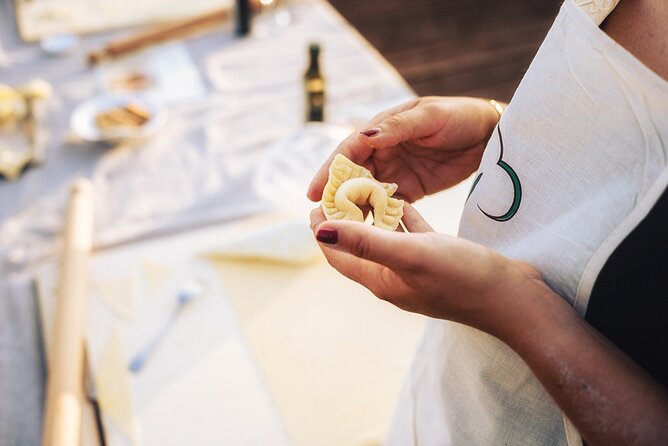
- You make three pasta shapes: a stuffed pasta plus two types of egg pasta.
- You eat what you make: your pasta is cooked and served after the class, with traditional sauces.
- Small group size: maximum 15 travelers, which helps with hands-on help at your station.
- English support is built in: the course runs in Italian and English.
- You get take-home souvenirs: a hat and apron for after you leave the kitchen.
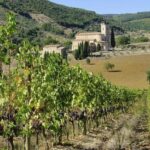
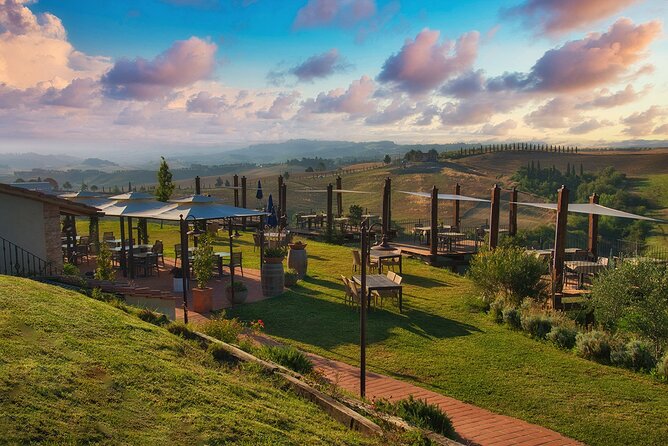
- Views and meal vibe matter: it’s set at an agriturismo with the kind of countryside calm that makes lunch feel like part of the lesson.
Fresh Pasta in Volterra: Why This Class Feels Like the Real Deal
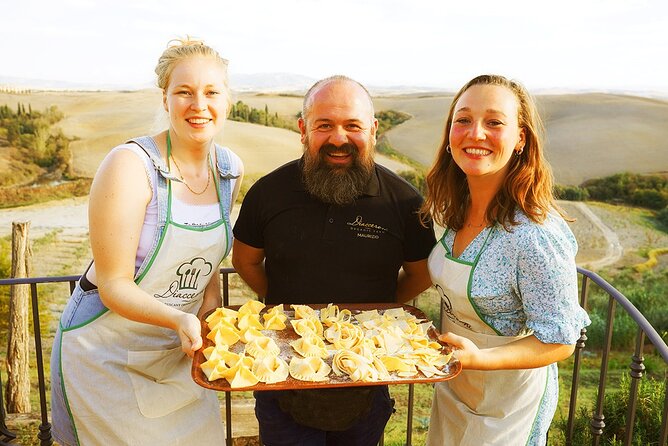
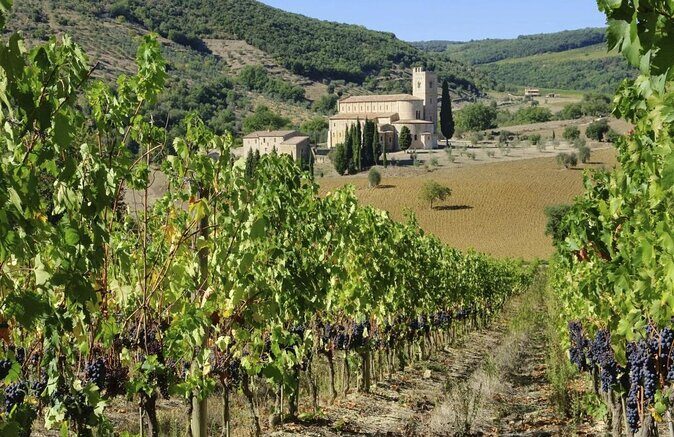
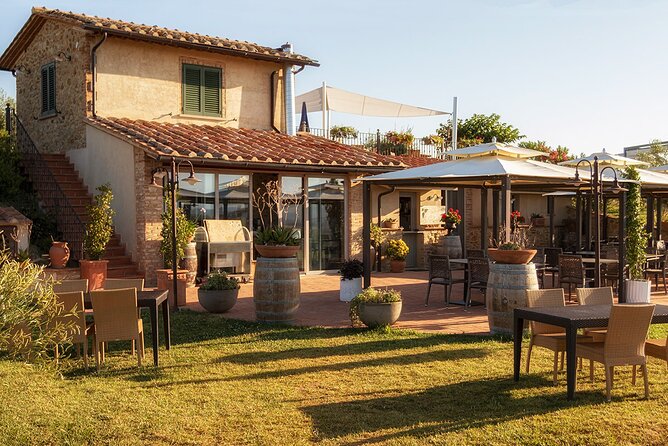
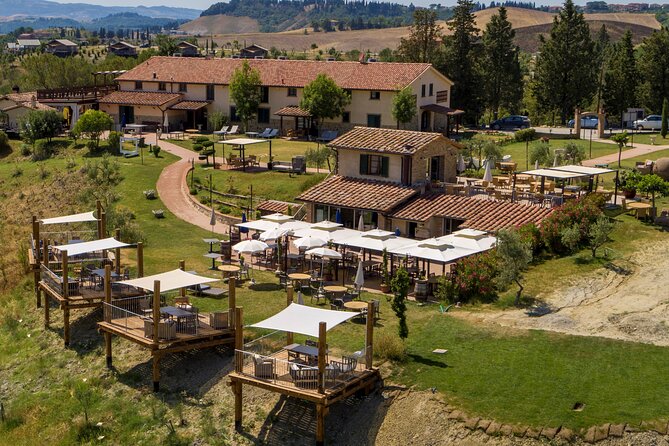
If you want the Tuscany that comes with flour on your hands and a full stomach, this is a strong pick. The setting is the Tuscan countryside around Volterra, at an agriturismo (Agriturismo Biologico Diacceroni), so you’re not trapped in a city classroom. You’re in a place where food is treated like a daily craft.
I also like the structure. You’re not just learning recipes—you’re learning the actual mechanics of fresh pasta (dough feel, shaping, and how it holds up), then seeing it turn into dinner on the table. That “make it, then eat it” loop is one of the best ways to retain what you learn.
The practical bonus: since it’s capped at 15 people, it’s easier for the instructors to correct small mistakes quickly. That matters with egg pasta, because small differences in dough consistency can change everything.
You can also read our reviews of more tours and experiences in Tuscany.
Meeting and Finding the Agriturismo Kitchen
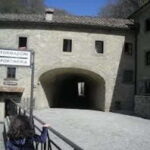
The experience starts and ends back at Via della Bonifica, 156, 56048 Volterra PI, Italy. Plan to arrive a few minutes early so you can settle in and get your bearings before things get busy.
One detail that’s worth your attention: if you’re driving, use GPS coordinates rather than relying on the address alone. It can be easier to land in the right spot in rural areas where street numbering and map pins don’t always match perfectly.
You’ll receive a confirmation within 48 hours of booking, if availability allows. For day-of stress, the mobile ticket is helpful—you can keep everything in your phone and focus on the drive and the views.
Your 3-Hour Flow: From Apron Up to Full Plates
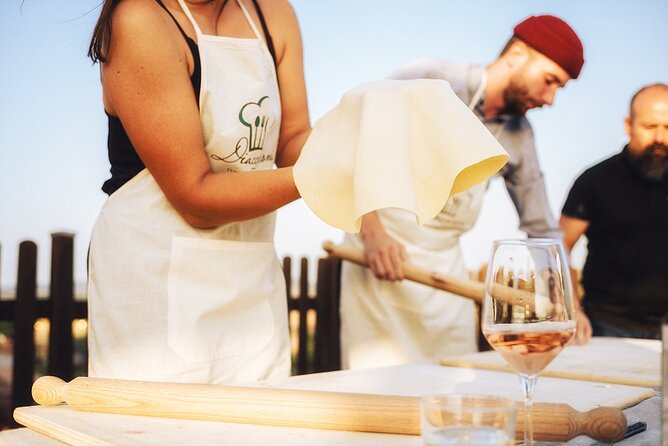
This course runs about 3 hours total. The rhythm is hands-on first, then tasting and eating. Here’s the typical order of what you’ll experience.
Step 1: Welcome to your workstation
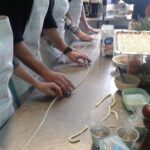
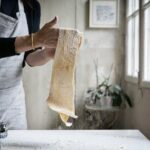
When you arrive, you’re guided to your own workstation. You’ll find your apron and the ingredients laid out for the pasta you’ll prepare. That setup is more than convenience—it’s how you avoid wasting time hunting for tools mid-class.
The atmosphere is meant to feel like a family lunch in Tuscany: cheerful, relaxed, and focused on food. You’ll hear stories and curiosities from the chef/instructor, which helps connect the techniques to the local culture rather than treating pasta like a generic cooking project.
Step 2: Learn three traditional pasta shapes
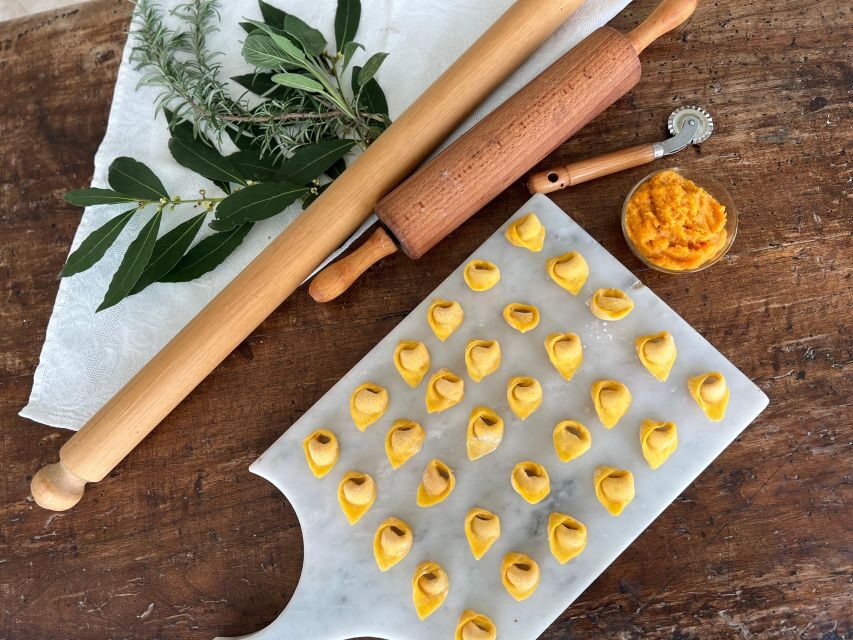
The course focuses on three traditional pasta shapes:
- A stuffed pasta
- Two types of egg pasta
Because you’re making multiple forms, it’s a good course if you want variety rather than just mastering one dough and one shape. Egg pasta also teaches you how different shapes handle rolling, filling, and thickness—so you get practical repetition.
During the class, you’ll participate in the preparation, and the instructors explain what you’re doing along the way. Instructors you may encounter include people like Naima, Lucia, Rosa, Ilenia, Mauricio, and Ariel. Even if you don’t get one of those exact names, the teaching style seems consistent: friendly, patient, and geared toward helping you get the dough and shaping right.

Step 3: Your pasta gets cooked and served
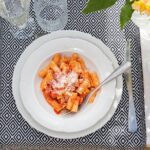
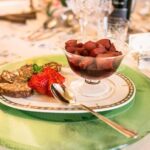
Once you’ve finished shaping, the pasta you made is cooked and served afterward. You won’t just take raw pasta home and hope for the best—you’ll taste what you created, enhanced with traditional sauces.
That’s a key value point. With fresh pasta, the “success” depends on cooking timing and sauce pairing. This class handles that for you, so you can learn the result without guessing.
Lunch or Dinner with Diacceroni Wine (and the Pace to Expect)
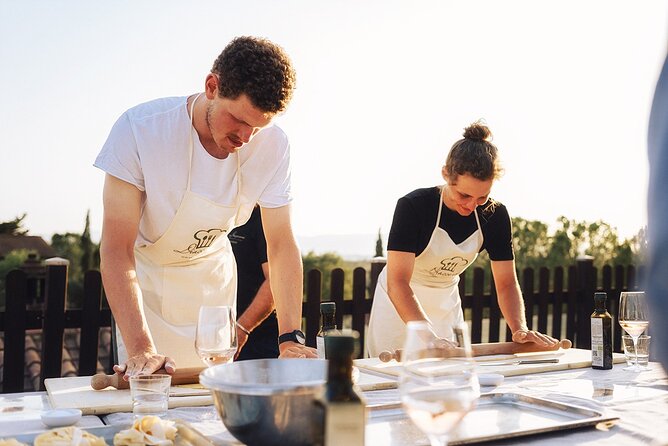
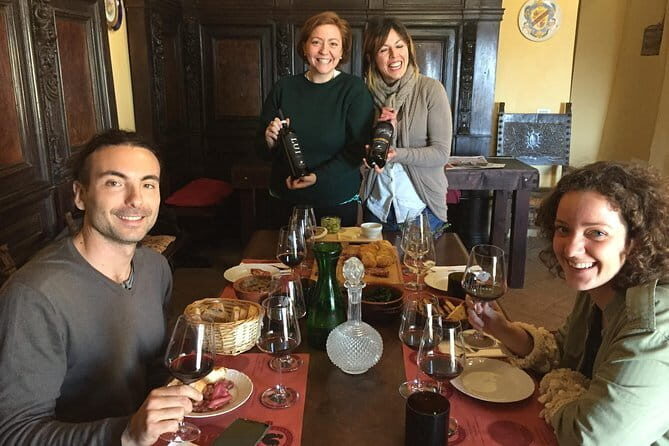
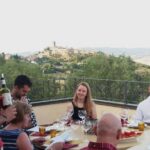
After your cooking work, you’ll sit down for lunch or dinner, depending on the session. Either way, the meal includes Diacceroni wine with your pasta. This is where the class shifts from technique to reward: you get to enjoy the food without working anymore.
A practical heads-up: the serving part can feel fast once everything starts coming out. Some people noted quick transitions between dishes and a tight timeline during the meal service. That doesn’t mean it’s a bad experience—it’s just a style choice. If you want lots of lingering time at the table, plan to lean into the flow, eat, and enjoy the conversation when you can.
Also, some days may include extra touches during the meal, like musical entertainment. It isn’t something you should count on as guaranteed, but it’s part of the overall agriturismo experience and can add a nice festive feel.
What You Actually Get (Beyond the Recipe)
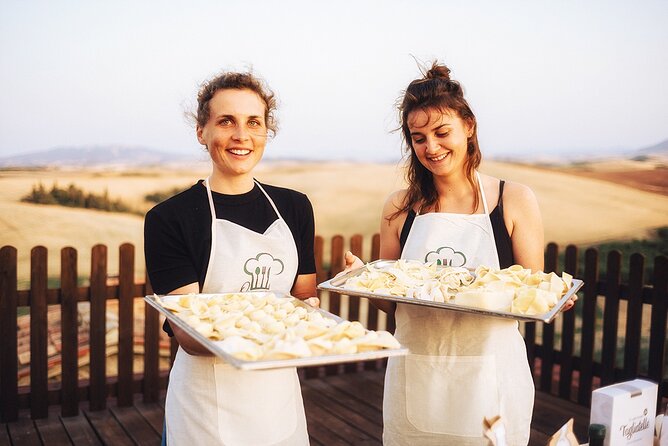
This class feels like it’s built around real output: you leave with pasta skills, plus a tangible memory.
You’ll receive:
- A hat and apron as souvenirs
- The experience of making three pasta shapes
- A sit-down meal featuring your pasta and traditional sauces
- Diacceroni wine
Now the value math: at $126.50 per person, you’re paying for more than cooking entertainment. You’re paying for ingredients, instructor time, kitchen space, cooking and serving logistics, and the meal component. The souvenir set is a small bonus, but the big value is the full circle—hands-on prep, then tasting the outcome.
If you’re the type who enjoys taking home a story and then recreating a version later, this class is especially satisfying. You’re not just eating; you’re learning how to make fresh pasta in a structured way.
Allergies and Food Preferences: How to Protect Your Day
Fresh pasta is made with simple ingredients, but kitchens still need clear communication. The operator asks you to inform them about any food allergies or intolerances when making your reservation.
That matters because sauces and accompaniments can vary, and you’ll want to ensure you’re safe before you start. If you have serious restrictions, write them clearly during booking so the team can plan.
Who This Tour Suits Best (and Who Should Look Elsewhere)
This pasta class is a great fit if you want:
- A hands-on food experience in Tuscany (not a demo-only workshop)
- Instruction in English and Italian
- A small group setting with enough attention at your station
- A meal that feels like part of the cooking lesson
It may be less ideal if:
- You’re expecting a super long, slow dining experience with plenty of downtime between courses.
- You need very specific dish choices and you want total control over what you make.
One caution from real-world experience: sometimes course descriptions can be confusing about what you’ll prepare. If your booking details imply you’ll choose dishes, double-check the exact pasta shapes you’ll be making for your specific session before you show up. That avoids the disappointment of arriving expecting one thing and getting another.
Should You Book Corso di Pasta Fresca at Agriturismo Biologico Diacceroni?
I’d book this if you want a genuine Tuscany food day with real teaching, real output, and a proper meal afterward. The small group size, English/Italian instruction, and the fact you make three pasta shapes—and then eat them—make it strong value for the money.
I’d think twice if you’re extremely time-sensitive about how long you want to sit at the table, or if you have strict expectations about exactly which dishes you’ll prepare. In those cases, confirm the plan clearly before you go.
If you want to leave Tuscany with flour-fresh memories and skills you can actually use later, this is a solid call.
FAQ
How long is the Corso di Pasta Fresca course?
It runs for about 3 hours.
What pasta dishes will I learn to make?
You’ll prepare three traditional pasta shapes: a stuffed pasta and two types of egg pasta.
Is the class offered in English?
Yes. The course is conducted in both Italian and English.
Where do I meet the group?
The meeting point is Via della Bonifica, 156, 56048 Volterra PI, Italy, and the activity ends back at the same place.
What’s included with the class price?
In addition to the cooking class, you’ll have a lunch or dinner served with traditional sauces and Diacceroni wine, and you’ll receive a souvenir hat and apron.
How big is the group?
The activity has a maximum of 15 travelers.
What if I have food allergies?
You should inform the provider of any food allergies or intolerances when making your reservation. The team specifically asks for this so they can manage your needs.