REVIEW · TUSCANY
Guided tour of the Artisan Chocolate Factory in Tuscany
Book on Viator →Operated by Tuscani Cioccolato · Bookable on Viator
Chocolate valley smells amazing.
In Tuscany’s Val di Nievole, this guided stop inside Tuscani Cioccolato gives you a real bean-to-bar look at how cocoa turns into chocolate, right on site. I like how the guide breaks down the machines and tools clearly, with answers as you go (I’ve seen sessions led by guides such as John, Jean Lucca, and Gianluca). I also like the built-in tasting at the end, where you compare different products made by the master chocolatier instead of just grabbing a single sample.
One thing to consider: you’re dealing with a small workshop. If you’re visiting during a busy travel window, double-check your timing and confirmation before you head over—there have been cases of last-minute closures that cost people time.
In This Review
- Key highlights you should know
- Entering the chocolate valley: what this tour is really about
- Finding Tuscani Cioccolato in Uzzano (and why location matters)
- The bean-to-bar walkthrough: what you’ll actually see
- Cocoa sourcing from Nicaragua: La Dalia and Matiguas
- Roasting to tempering: the steps that shape flavor
- Tastings that actually help you compare
- Meeting the chocolatier and seeing the human side
- Shop time: choose what you love to take home
- Price and value: is $100 worth it?
- Who should book this Tuscany chocolate factory tour
- A practical game plan before you go
- Should you book this tour?
- FAQ
- How long is the artisan chocolate factory tour?
- How much does the tour cost?
- Where is the meeting point?
- Is the tour private?
- What method of chocolate making does the factory use?
- Do you get tastings during the tour?
- Does the experience include time in a shop?
- Is the ticket mobile?
- Is it easy to get there with public transportation?
- Can I cancel for a full refund?
Key highlights you should know
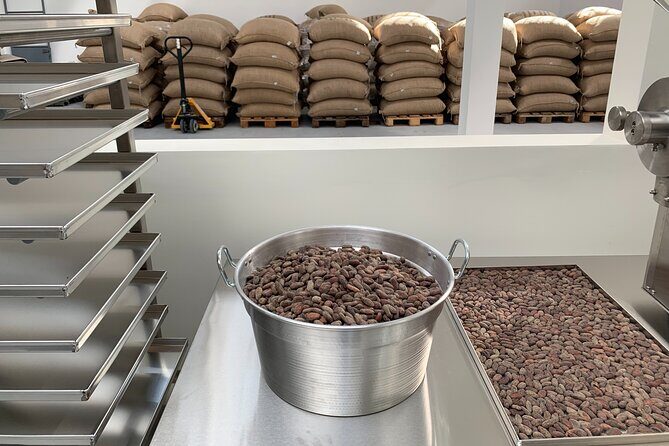
- Bean-to-bar on site: You’ll see the process from cocoa bean to chocolate bar, in the same place.
- Nicaragua cocoa story: Tuscani Cioccolato imports from La Dalia and Matiguas.
- Roasting to tempering focus: The tour explains how they chase aroma and complexity through key steps.
- Tastings with comparisons: You’ll compare products instead of tasting blind.
- Clear, Q-and-A friendly guides: Guides like John, Jean Lucca, and Gianluca are known for clear explanations.
- Shop time without pressure: After the tour, you can choose what you want to take home.
Entering the chocolate valley: what this tour is really about
This is the kind of Tuscany activity that makes sense even if you are not a die-hard chocolate person. Why? Because it’s not just about eating sweets. It’s about understanding how artisan chocolate is made and why that matters for taste.
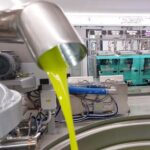
The factory sits in the center of what many people call the chocolate valley in Val di Nievole. You’re not touring a museum model. You’re walking through an active lab setting where everything is processed according to the bean-to-bar method, meaning the cocoa bean is transformed into a chocolate bar where you can see the steps. That hands-on transparency is the heart of the experience.
At about 1 hour 30 minutes, the pace stays focused. You’ll have a guided explanation of the machines and tools used in bean-to-bar production. Then you’ll finish with a tasting phase and time in the shop to pick your favorite.
And since this is private—your group only—it feels easier for questions. Families often like that part, too, because different ages can ask what they’re curious about and still stay on schedule.
You can also read our reviews of more tours and experiences in Tuscany.

Finding Tuscani Cioccolato in Uzzano (and why location matters)
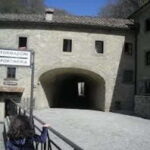
You meet at Via Giacomo Matteotti, 1, 51010 Uzzano PT, Italy. The good news: it’s listed as near public transportation, so you are not stuck planning a complicated taxi situation just to get there.
This matters because small food experiences can be time-sensitive. You’ll want to arrive with enough slack to check in, get oriented, and start on time. There’s a mobile ticket involved, so you’ll be using your phone rather than hunting for a printed voucher.
Also, because the tour returns back to the meeting point, you’re not committing to a long, scattered schedule across multiple stops. That makes it a nice add-on to a day already filled with Tuscan driving, towns, or winery visits.
The bean-to-bar walkthrough: what you’ll actually see
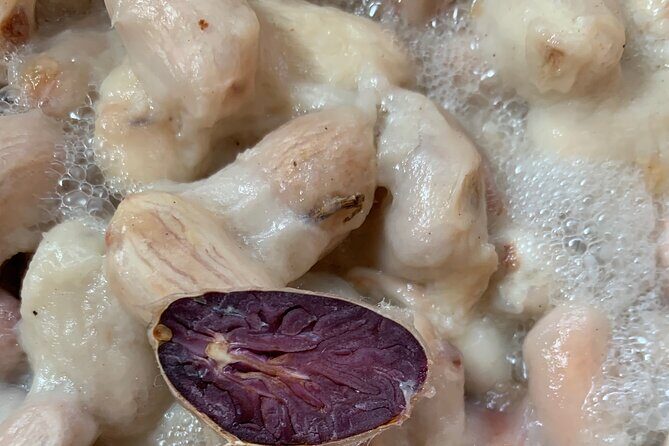
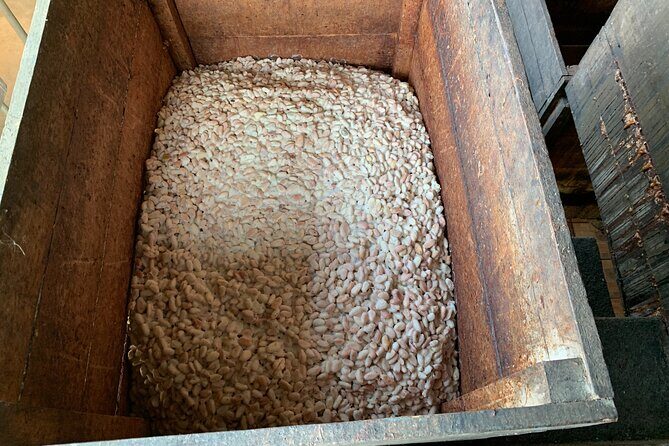
The tour is built around watching chocolate production as it moves from cocoa bean to finished bar. You’ll be shown key processes and the equipment used during each stage. The guide’s job is to make the technical bits understandable—so you can connect what you’re seeing to what you taste later.
Here’s the big idea to keep in mind: artisan chocolate is not just one flavor. It’s the result of multiple decisions—how beans are roasted, how cocoa butter and solids are refined, and how the chocolate is tempered before it sets.
During your visit, you’ll learn the basic flow and the purpose behind each step. You should expect explanations that connect the equipment to flavor outcomes: aroma, smoothness, snap, and overall complexity. If you like food science but hate feeling lectured, this format tends to work well because it’s tied to actual production stages.
Most of the time is spent in this guided production walkthrough. It’s not just walking past conveyors and guessing what you’re looking at. The guide will explain the tools used in the world of bean-to-bar chocolate and help you understand what each step accomplishes.
Cocoa sourcing from Nicaragua: La Dalia and Matiguas
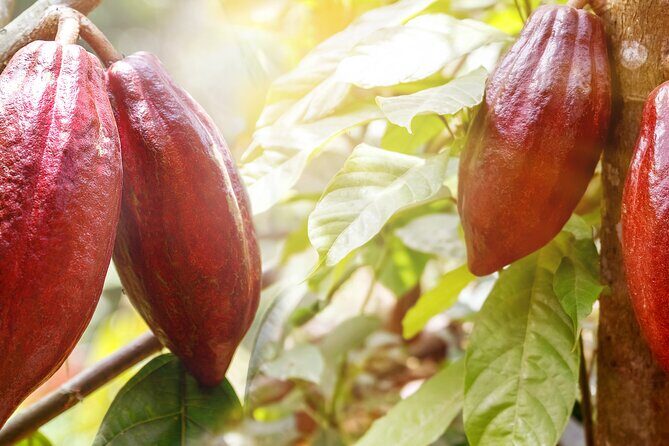
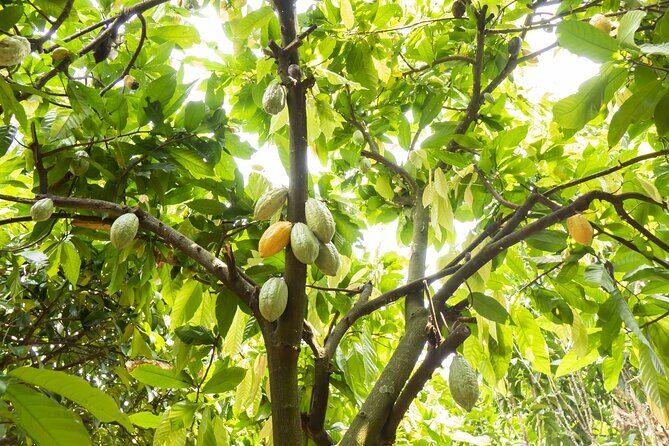
One of the strongest reasons this tour feels grounded is the sourcing story. Tuscani Cioccolato directly imports cocoa from Nicaragua, specifically from two regions: La Dalia and Matiguas.
That matters because single-origin cacao tends to carry distinct flavor traits depending on where it’s grown and how it’s processed. By focusing on two specific regions and two types of single-origin Trinitarian cocoa, the company gives you something concrete to taste and compare.
In plain terms, you’re not going to a generic chocolate place where every bar tastes like the same idea. You’re tasting a company’s choices about cocoa origin and how they handle it through the transformation process.
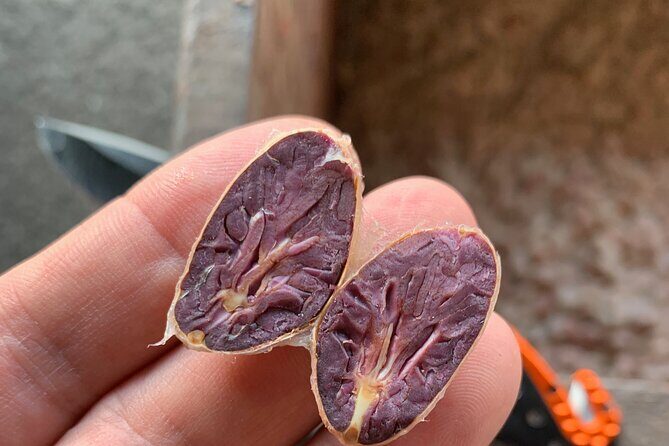
During the tour, they emphasize that from roasting to tempering, they work to extract the maximum aromas from the Nicaraguan cocoa. That’s a promise you can test at the tasting phase. If you go in curious, you’ll likely come out with a better sense of what aroma actually means in chocolate, not just what sweetness you notice first.
Roasting to tempering: the steps that shape flavor
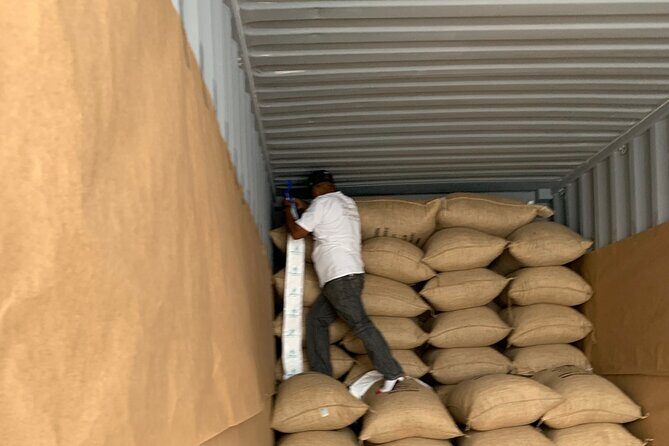
If you’ve ever wondered why one chocolate snaps cleanly and another feels dull or soft, you’re asking the right question. The tour’s production sequence focuses on the stages that influence aroma and finished texture.
You’ll learn about roasting and how it affects the cocoa’s developing flavors. Then you’ll hear about tempering—one of the most important steps for how chocolate sets and how it handles on the palate. Tempering is not the most romantic word, but it’s where a lot of the magic happens for a bar’s look and feel.
The guide will explain how their process is designed to bring out complexity. In their case, they’re working to enhance qualities of their two single-origin Trinitarian cocoas while keeping aromas in play through the stages of transformation.
This is also where the private, question-friendly format pays off. If you want to ask what a specific machine does, you’re in the right environment. I’d use that time. It’s easier to ask while you’re standing near the process than to remember later and then Google with a sugar headache.
You can also read our reviews of more tours and experiences in Tuscany
Tastings that actually help you compare
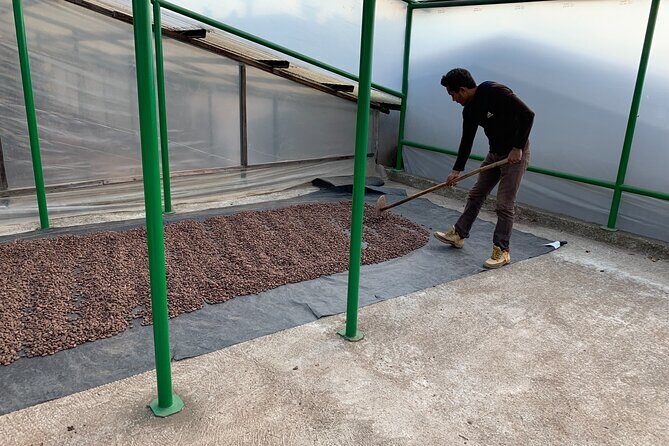
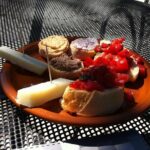
The best part for many people comes at the end: tasting. This isn’t presented as a random plate of samples. You’ll compare and evaluate different products made by their master chocolatier.
That comparison piece is key. If you taste only one bar, you leave with a yes/no feeling. If you taste multiple products and compare them, you start noticing differences in flavor and texture—especially those connected to the cacao origin and production steps you just saw.
A strong sign this tour lands well: guides are known for including tasting and for explaining the process of turning cacao into chocolate in a clear way. One session even included tasting at different steps along the way, which helps you connect what you see in production to what you notice on your tongue.
And then there’s the pacing: the tasting is the payoff. By the time you start tasting, you’ve already heard about roasting and tempering and you’ve already gotten a sense of their cocoa sourcing. So the tasting feels like a conversation, not a test.
Meeting the chocolatier and seeing the human side
Another detail that can make this tour feel extra personal is that the founder and chocolatier may join in. In at least one session, the chocolatier provided background and details, and there was also a moment where the group met the owner and spent time with them.
That human touch isn’t required for the process to be interesting—but it adds context. You understand this is a real small business making specific choices, not a factory line doing a generic routine.
You also get a better sense of what matters to them: aroma extraction, single-origin focus, and the emphasis on bean-to-bar processing where the work happens in-house.
If you’re the type who likes learning how small teams make big food decisions, you’ll probably enjoy that part.
Shop time: choose what you love to take home
After the tour, it ends back at the meeting point, and you also get shop time. The shop is where you can pick your favorite dessert to take with you.
The experience is described as giving you the freedom to purchase without pressure, which is exactly how it should be. You just watched the process and tasted the product. You’re not being rushed into a hard sell. You’re choosing.
What I’d do: decide on a couple of bars or treats that match what you liked during tasting. If you enjoyed something that felt more aromatic or had a cleaner finish, prioritize that style rather than just buying the prettiest package.
Also, since you’re in Tuscany, you might be tempted to buy gifts. This is a good place to do it because it’s tied to a specific origin and method, and you’ll have a story you can actually tell.
Price and value: is $100 worth it?
The listed price is $100, and the duration is about 1 hour 30 minutes. That can sound steep if you’re comparing it to a quick, walk-through stop.
But this experience isn’t only watching. You’re paying for three things that tend to be hard to replicate on your own:
- a guided explanation of the bean-to-bar process and equipment
- a tasting where you compare products
- a private group setup, meaning your questions and your pacing matter more
If you’re traveling with others who actually enjoy food or learning, the value tends to feel better because the whole group gets something out of the session. If chocolate tasting is your weak spot, this tour can feel like a perfect use of time: you learn, you taste, you buy what you genuinely like.
Who should book this Tuscany chocolate factory tour
This is a smart choice if you:
- want more than a chocolate shop stop and like a real process explanation
- enjoy tastings where you can compare flavors and textures
- travel as a small group and prefer private experiences
- want a family-friendly activity that can work across ages
It’s also a great match for anyone spending time around Uzzano and the broader Val di Nievole area who wants one focused, memorable food event.
If you’re the type who hates any kind of guided talk, then the tasting alone might not be enough to justify the full session. But based on the style of the guides described—clear explanations and room for questions—most people who like food education find this manageable.
A practical game plan before you go
Here are a few simple moves that make the tour smoother:
- Wear something comfortable. You’ll be standing and paying attention during the process explanation.
- Plan to arrive on time at Via Giacomo Matteotti, 1. Small workshops run on their schedule.
- Come with one or two questions you truly care about. Tempering, aroma, and how roasting changes flavor are good starting points.
- During tasting, slow down. Try to notice texture and finish, not only sweetness.
- If you’re sensitive to strong smells, chocolate aroma is part of the deal. You’ll smell cocoa.
And since the experience uses a mobile ticket, make sure your phone battery is healthy.
Should you book this tour?
I think you should book if you want a real bean-to-bar education in Tuscany, not a quick photo stop. The tour’s strength is the mix: process walkthrough, aroma-focused production steps like roasting and tempering, and tastings that help you compare products. Add in the chance to meet the chocolatier, and it becomes more than just a purchase-and-leave experience.
Skip it (or at least think twice) if you only want a casual chocolate snack with no interest in how it’s made, or if your schedule is so tight that even a brief delay would ruin your day. Also, because small places can occasionally have closure issues, it’s worth treating your confirmation seriously and checking timing before you drive in.
FAQ
How long is the artisan chocolate factory tour?
It runs for about 1 hour 30 minutes.
How much does the tour cost?
The price is listed as $100.
Where is the meeting point?
You meet at Via Giacomo Matteotti, 1, 51010 Uzzano PT, Italy.
Is the tour private?
Yes. It is a private tour or activity, with only your group participating.
What method of chocolate making does the factory use?
The factory works using the bean-to-bar method, processing everything from cocoa bean to chocolate bar in the same place.
Do you get tastings during the tour?
Yes. After the production walkthrough, there is a tasting phase where you compare and evaluate different products made by the master chocolatier.
Does the experience include time in a shop?
Yes. The tour ends back at the meeting point and includes shop time where you can choose what to take with you.
Is the ticket mobile?
Yes. It includes a mobile ticket.
Is it easy to get there with public transportation?
It is listed as near public transportation.
Can I cancel for a full refund?
Yes. You can cancel up to 24 hours in advance for a full refund. If you cancel less than 24 hours before the start time, you won’t receive a refund.