REVIEW · BOLOGNA
Bologna Grand Tour Italy: sfoglini for a day
Book on GetYourGuide →Operated by Grand Tour Italia S.r.l. · Bookable on GetYourGuide
Fresh pasta, taught like a real craft. This one-hour workshop in Emilia-Romagna is built around working the dough with an experienced sfoglina supervising you, so you’re not just watching how it’s done. You’ll practice classic techniques with a rolling pin, from the old-fashioned way of making puff pastry to shaping staples like tagliatelle and tortellini.
Two things I really like about this experience: you get hands-on instruction you can use at home, and you can take your finished pasta with you (the class focuses on creation, not dining). One potential drawback to plan for: the full experience is tight on time—if you’re hoping for long explanations, you may find the pace a bit brisk.
In This Review
- Key highlights worth your attention
- One Hour With a Sfoglina: What This Class Really Builds
- Where to Meet in Friuli Venezia Giulia and Find the Park Entrance
- The Lesson Flow: Puff Pastry to Fresh Pasta, Step by Step
- Old-fashioned puff pastry, taught by hand
- Fresh pasta technique you can repeat at home
- Shaping Bologna Favorites: Tagliatelle, Tortellini, and More
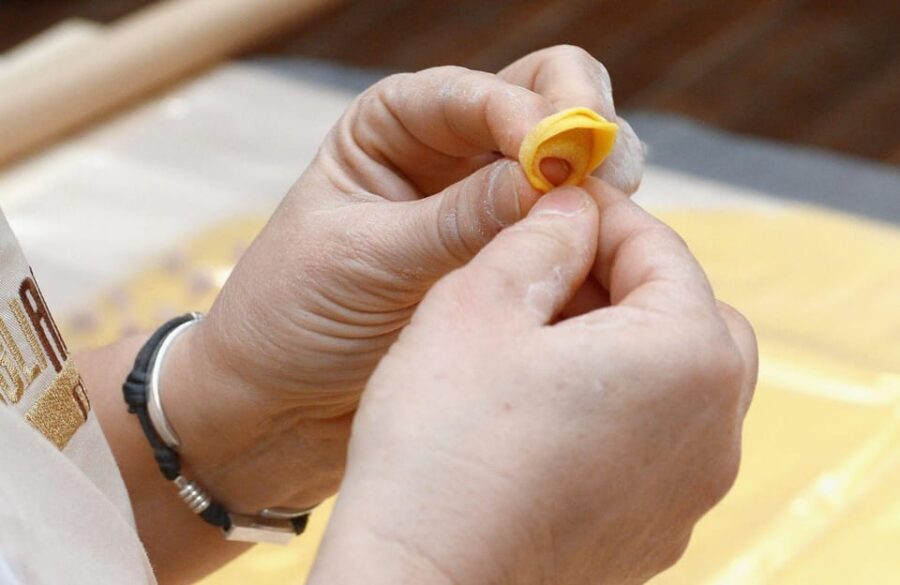
- Tagliatelle: simple shape, real technique
- Tortellini: the part where patience pays
- Why these shapes matter for your cooking life
- Your Finished Pasta: Take Home Value and Any Served Samples
- Price and Value: Is $21 Enough for Real Skill?
- Pacing Reality: Fast, Hands-On, and Manage Your Expectations
- Language, Group Dynamics, and How to Get the Most Out of It
- Who This Workshop Suits Best
- Should You Book This Sfoglini Workshop?
- FAQ
- Where is the meeting point for the workshop?
- How long is the class?
- What will I learn during the sfoglini course?
- Will I taste the pasta during the course?
- What languages are used by the instructor?
- Is free cancellation available?
- Is the activity wheelchair accessible?
Key highlights worth your attention
- Hands-on workshop with direct supervision from an experienced sfoglina
- Old-fashioned puff pastry method plus fresh pasta dough technique in one session
- Classic formats like tagliatelle and tortellini (and often more shapes you can reproduce)
- You take the pasta home, so the real payoff continues after the class
- Italian and English instruction, useful if your pasta vocabulary is still a work in progress
- Short duration (1 hour), ideal when you want skill without using up your whole day
One Hour With a Sfoglina: What This Class Really Builds
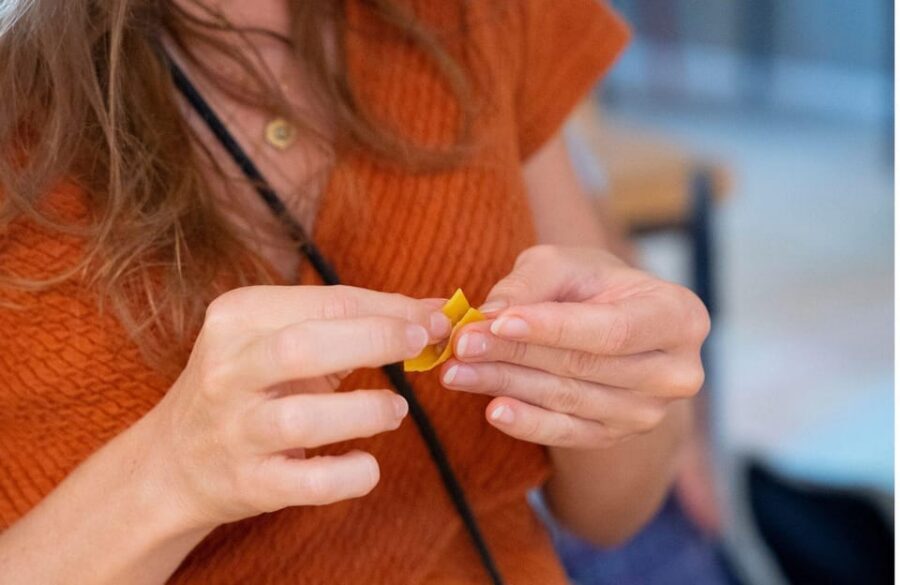
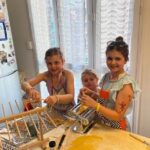
This isn’t a lecture about pasta. It’s a short, practical cooking lesson where your hands do the learning. You’ll roll, work the dough, and practice techniques meant to turn ingredients into something you can shape neatly and confidently.
The value here is the transfer to your kitchen. Once you understand how the dough feels and how to shape it, fresh pasta stops being scary. You start thinking, I can do this again, not just wow, that looked impressive in a photo.
Also, the format is ideal if you’re squeezing activities into a Bologna area trip. One hour means you can fit it between sightseeing blocks without having to rearrange your whole day.
You can also read our reviews of more tours and experiences in Bologna.
Where to Meet in Friuli Venezia Giulia and Find the Park Entrance
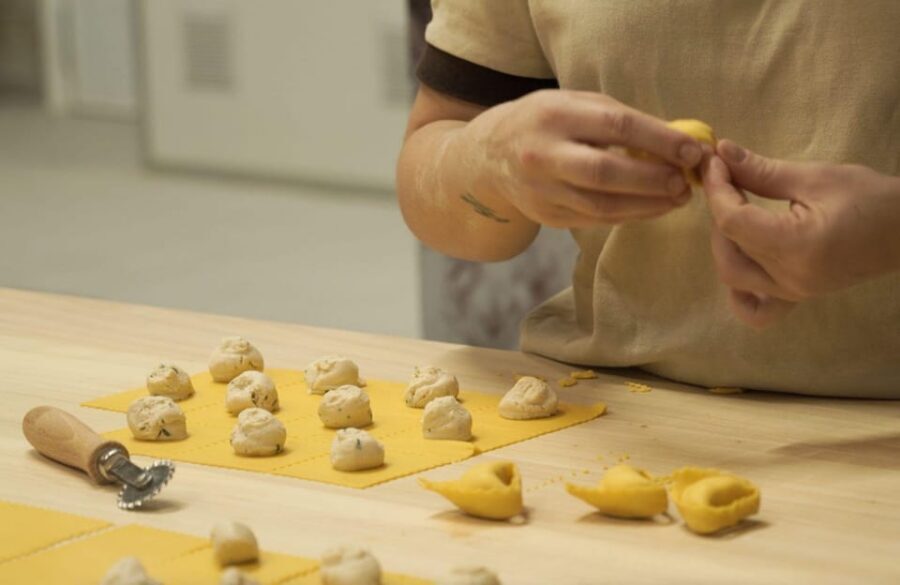
The meeting point is in Friuli Venezia Giulia. The key detail is that the activity happens inside the park, and you access it from the main entrance.
That matters more than it sounds. If you arrive expecting a city-center studio setup, you can waste time wandering. Give yourself a little buffer, and once you’re at the main entrance, follow signage or staff directions to where the workshop takes place inside the park area.
The Lesson Flow: Puff Pastry to Fresh Pasta, Step by Step
This workshop is designed to move logically from technique to results. You start with dough work, then shift toward fresh pasta—so the skills build on each other instead of feeling random.
Old-fashioned puff pastry, taught by hand
You’ll learn how to make puff pastry the old-fashioned way, with an emphasis on technique. Even if you’ve never made pastry layers before, the course is built around learning how to handle dough properly, not just memorizing a recipe.
What you should watch for as you practice:
- How the dough responds as you work it
- How to handle rolling so you don’t tear or deform it
- How to keep your attention on the texture as you go
This part is especially useful if you’ve only ever bought puff pastry from a package. You’ll get a real sense of what changes when you control the dough yourself.
Fresh pasta technique you can repeat at home
After the pastry portion, you’ll work with fresh pasta dough and learn tricks for handling it. Think of this as the “feel” part of cooking—how dough should look, how it stretches, and what it needs when you shape it.
You’ll use a rolling pin, and you’ll learn practical methods for getting the dough to the right consistency for shaping.
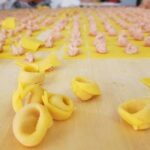

Shaping Bologna Favorites: Tagliatelle, Tortellini, and More
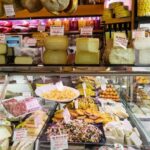
The course focuses on traditional specialties. Tagliatelle and tortellini are front and center, and you’ll learn how to make pasta that looks right and holds up while cooking.
Tagliatelle: simple shape, real technique
Tagliatelle is one of those dishes that seems straightforward until you try to do it consistently. The lesson helps you understand how to roll and cut so the pieces are even enough to cook well and look like they belong on a Bologna table.
If you like food that feels everyday but tastes special, this is a smart skill to take home.
Tortellini: the part where patience pays
Tortellini require more specific shaping. This workshop gives you the hands-on practice to get comfortable with the form, so you’re not stuck guessing when to fold, seal, and shape.
A bonus from the experience itself: people have practiced multiple formats during their sessions—like tortellini, tortelloni, farfalle, linguine, and tagliatelle—so you may leave with a wider menu of skills than you expected. The exact mix can vary by class, but the emphasis stays the same: shaping craft, not just one-off tricks.
Why these shapes matter for your cooking life
You’ll learn formats tied to Emilia-Romagna tradition, not generic pasta. That’s what makes the experience stick. When you cook again at home, you’ll be recreating something regional and specific, not just making “pasta” in general.
Your Finished Pasta: Take Home Value and Any Served Samples
Here’s the big practical point: the pasta prepared during the course will not be tasted, but you can take it home.
In other words, the workshop is built around doing the work and preserving the result for later. That’s great for value because it turns your class time into real food you control afterward—your future dinner plans get cheaper and more satisfying.
One thing to be aware of: some sessions may include a brief sample or sauce served as part of the experience. If you care a lot about eating during the workshop, ask when you arrive (or check your booking details) to confirm what’s included for your specific time slot.
Either way, you should expect to leave with pasta you made yourself.
Price and Value: Is $21 Enough for Real Skill?
At $21 per person for a one-hour hands-on pasta session, this is priced like a skill workshop rather than a full-day culinary event. In plain terms: you’re paying for guidance, practice time, and the use of tools and teaching structure.
What makes it feel like good value is the combination:
- One-on-one-style attention from an experienced sfoglina (instructor-led, supervised)
- The chance to learn multiple core techniques in a short session: old-school puff pastry method and fresh pasta handling
- The takeaway result: you can take your pasta home instead of relying on a single meal during class
Are you getting hours of instruction? No. That’s not the point. The value is in focused coaching and leaving with the confidence to make at least a few regional pasta shapes again.
Pacing Reality: Fast, Hands-On, and Manage Your Expectations
The workshop duration is 1 hour, and the class is structured around active participation. That’s usually good for beginners who want to jump in right away.
One caution: at least one prior experience noted the pacing felt quicker than expected, with less lecture time than advertised. If you’re the type who needs slow, detailed explanations to absorb technique, plan to lean into practice rather than expecting long, step-by-step storytelling.
That said, if you’re comfortable learning by doing, the pace can actually be an advantage. You stay engaged, your hands keep moving, and you build muscle memory.
Language, Group Dynamics, and How to Get the Most Out of It
Instruction is available in Italian and English. That’s helpful because pasta skills aren’t only about facts—they’re about cues. Even a small clarification like how to judge dough texture can make a big difference.
Group size can also shape your experience. Some sessions may be small, which can mean more direct attention while you shape and cut. If you want maximum coaching, choose a time slot that’s known to run with fewer people (or ask staff how the session group size tends to look).
Your best strategy: show up ready to work. Wear clothes you don’t mind getting flour on, and be open to repeating the same motion until it clicks.
Who This Workshop Suits Best
You’ll probably love this if:
- You want hands-on Bologna-style cooking rather than a slow tour through markets
- You enjoy learning technical food skills you can repeat later
- You like regional Italian specialties such as tortellini and tagliatelle
- You’re short on time but want a real activity with a tangible payoff (pasta to take home)
You might be less thrilled if:
- You want a long sit-down meal experience during the class
- You need extra explanation time to feel confident
- You prefer learning from watching rather than practicing with dough
Should You Book This Sfoglini Workshop?
Book it if you want a focused, skill-building hour with an experienced instructor and a take-home result. At $21, the math works especially well if you’re the type who will actually cook again after returning home.
Skip it only if your top priority is eating a full pasta meal during the class or you need very slow, lecture-heavy instruction. Otherwise, this is a solid way to get closer to what Emilia-Romagna cooking feels like—less about tourist theater, more about learning the craft.
FAQ
Where is the meeting point for the workshop?
The meeting point is at Friuli Venezia Giulia. Access is from the main entrance of the park where the activity takes place.
How long is the class?
The workshop lasts 1 hour.
What will I learn during the sfoglini course?
You’ll learn how to make puff pastry the old-fashioned way and you’ll practice techniques for preparing fresh pasta at home. The course also covers traditional specialties like tagliatelle and tortellini.
Will I taste the pasta during the course?
The pasta prepared during the course will not be tasted. You can take what you make home.
What languages are used by the instructor?
The instructor works in Italian and English.
Is free cancellation available?
Yes. You can cancel up to 24 hours in advance for a full refund.
Is the activity wheelchair accessible?
Yes, the activity is wheelchair accessible.