REVIEW · BOLOGNA
Bologna: Pasta & Tiramisu Cooking Class at a Local’s Home
Book on GetYourGuide →Operated by Cesarine · Bookable on GetYourGuide
Fresh pasta at someone’s dining table? Yes.
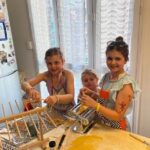
This Bologna class is built around a real home kitchen, run by Cesarine hosts who open their doors and their family habits to you. You’ll learn sfoglia (fresh pasta dough) by hand, then turn it into two classic pasta recipes and finish with Italy’s best-known dessert: tiramisu. I especially like that you get both the technique and the tasting, plus a warm aperitivo start with prosecco and nibbles. One heads-up: the full address is sent only after booking, so plan on a bit of coordination before you arrive.
I like the pacing too. In about three hours, you go from dough to dinner without it turning into a rushed demo. And because the class is hosted at home, you’re more likely to get practical cooking tips you’ll actually use later, not just memorized steps. The possible drawback is simple: this isn’t designed for wheelchair users, and home kitchens can mean steps, tight workspaces, and a lot of moving around.
In This Review
- Key things you’ll do (Bologna style)
- A Bologna Home Kitchen, Not a Studio
- Rolling Sfoglia by Hand: The Skill That Makes Everything Click
- Two Pasta Recipes from Scratch (And Why That’s Better Than One)
- Tiramisu: The Dessert Lesson You’ll Actually Re-Make
- Aperitivo First: Prosecco and Nibbles Set the Tone
- How the 3 Hours Usually Move (Without Feeling Rushed)
- Cesarine Hosts You Might Meet: Marco, Silvia, Roberta, and More
- Price and Value at $112.15 per Person
- Who Should Book This Class (and Who Might Not)
- Should You Book This Bologna Pasta and Tiramisu Class?
- FAQ
- How long is the Bologna pasta and tiramisu cooking class?
- What’s the price per person?
- What do I cook during the class?
- Is an aperitivo included?
- What drinks are included?
- Where does the class take place?
- When will I get the host’s full address?
- What language is the instruction in?
- Is it suitable for wheelchair users?
- Is free cancellation available?
Key things you’ll do (Bologna style)
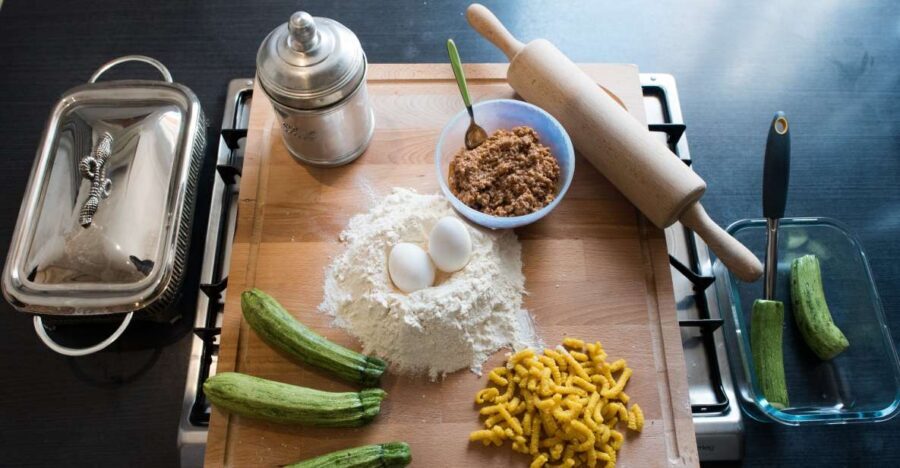
- Roll sfoglia by hand, learning how the dough should feel as you work it
- Make two different pasta recipes from scratch, then taste what you made
- Build tiramisu the classic way, with clear steps you can repeat later
- Start with an Italian aperitivo, including prosecco and nibbles
- Cook and eat in a local home, not a studio, for a more personal feel
- Choose your host with input, sharing food needs, allergies, and how you’ll travel
A Bologna Home Kitchen, Not a Studio
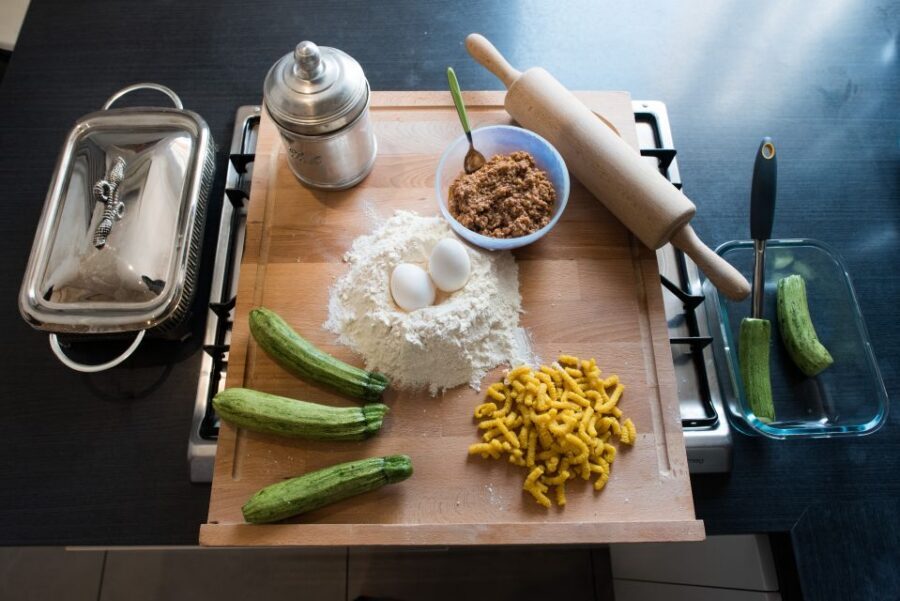
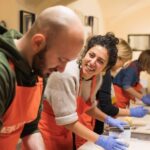
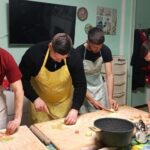
Bologna is famous for food that takes you seriously, and this class follows that spirit. Instead of sitting in a classroom or watching from the sidelines, you cook at a local’s home as part of the Cesarine network. Cesarine is Italy’s home-cook system, with hosts who serve local specialties from family cookbooks and repeatable, everyday methods.
That home setting changes the mood fast. You’ll feel more like you were invited than like you bought a ticket. And you’ll usually move through the kitchen the way locals do: flour in reach, hands busy, questions welcome.
I also like the language setup. The instructor is listed as Italian and English, which matters because pasta is detail-heavy. When you can ask a question in the language you’re comfortable with, you waste less time guessing.
One more practical point: for privacy, you only get the full address after you book. So don’t treat this like a walk-in activity. You’ll want to keep your phone ready so the host’s details can reach you in time.
You can also read our reviews of more cooking classes in Bologna
Rolling Sfoglia by Hand: The Skill That Makes Everything Click
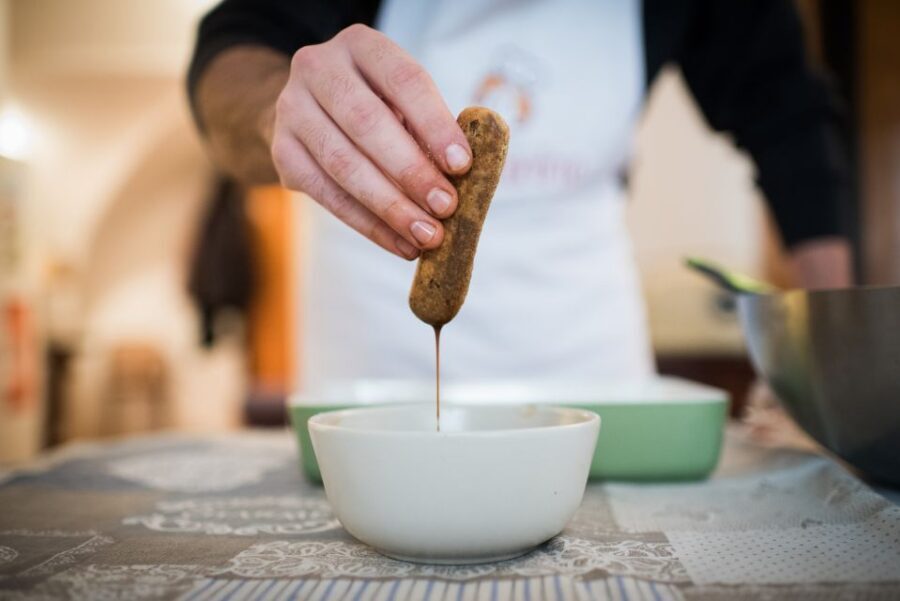
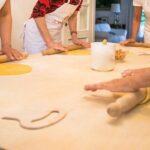
Fresh pasta dough looks simple, until you’re the one pressing it and rolling it. That’s why the hands-on sfoglia lesson is the heart of the experience. You learn how to roll the dough by hand and what “right” looks like as the texture changes.
This is the kind of skill that pays off after your trip. Once you understand how the dough behaves, you stop treating every pasta shape like a separate mystery. You can use the same basic logic for different fillings and cuts.
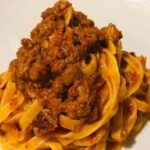
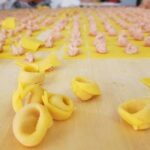
In Bologna, the classic shapes often come down to technique plus patience. Your host will guide you as you work the dough and shape it for the two pasta types you’ll make. Some sessions through Cesarine hosts include pasta formats such as tagliatelle, ravioli, tortellini, or tortelloni, depending on the home and the day’s menu. The big win is that you’ll learn the dough workflow, not just one final dish.
Practical tip: if you’re the type who panics when dough sticks, this class is still a good bet. The goal is to fix the dough in real time with small adjustments, not to declare it a failure and move on.
Two Pasta Recipes from Scratch (And Why That’s Better Than One)
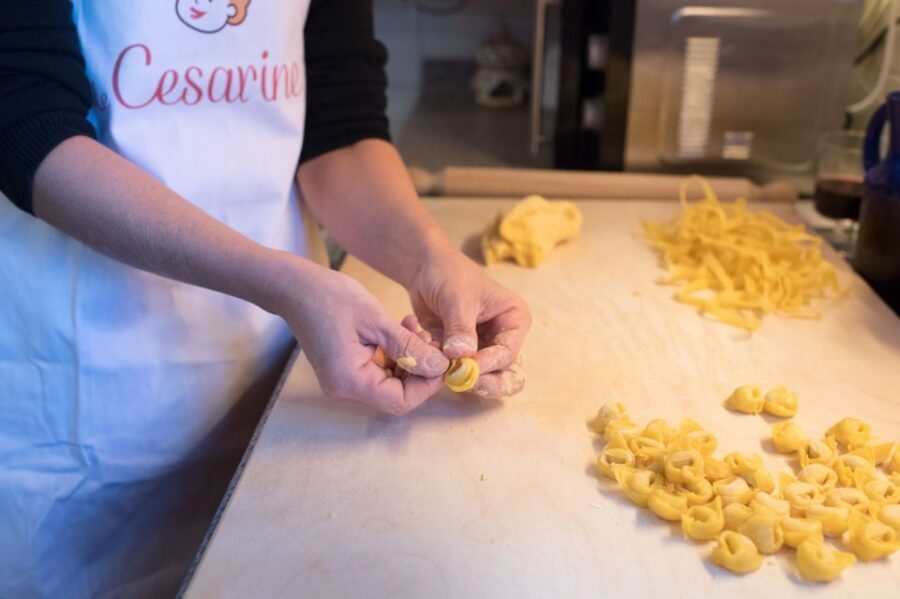
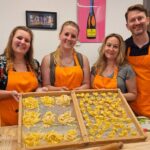
You don’t just get a single pasta dish here. You learn how to prepare two different kinds of pasta from scratch, then taste both. That’s a smarter learning plan than repeating one recipe, because you get to compare how dough and handling change with each format.
The lesson is described as mastering rolling sfoglia by hand, then preparing two iconic pasta recipes. The exact choices can vary by host. In real Cesarine home sessions, people have cooked classics like tagliatelle and tortelloni, with some kitchens teaching ravioli-style methods as well. You may also see classic Bologna sauces appear alongside the pasta you make, since pasta in Emilia-Romagna is often about the full pairing.
What to watch for as you cook:
- Texture cues: dough that tears is usually too dry or too aggressively handled
- Portion logic: filling amount affects how well pasta seals and cooks
- Timing: fresh pasta cooks fast, so you’ll learn how to stay on pace
The value here is that you’re not only eating; you’re building a repeatable process. When you make fresh pasta later at home, your success depends more on those cues than on the exact shape.
Tiramisu: The Dessert Lesson You’ll Actually Re-Make
Tiramisu can be intimidating because people overcomplicate it. This class keeps it grounded: you’ll learn to prepare the iconic tiramisu and then taste what you made.
The best part is that tiramisu is forgiving in the way real home cooking is. It’s not about fancy equipment. It’s about layering with good rhythm and understanding how the components behave together.
You’ll typically work through the steps while your host guides the pacing, so you don’t end up with a mess that’s too wet or too dry. And because you’ll be eating what you made as part of the class, you get instant feedback on whether your texture is in the zone.
If you’ve ever tried to make tiramisu at home and felt like the results didn’t match what you hoped for, pay attention to how your host handles the cream and layering timing. Those are the details that separate average from genuinely satisfying.
Aperitivo First: Prosecco and Nibbles Set the Tone
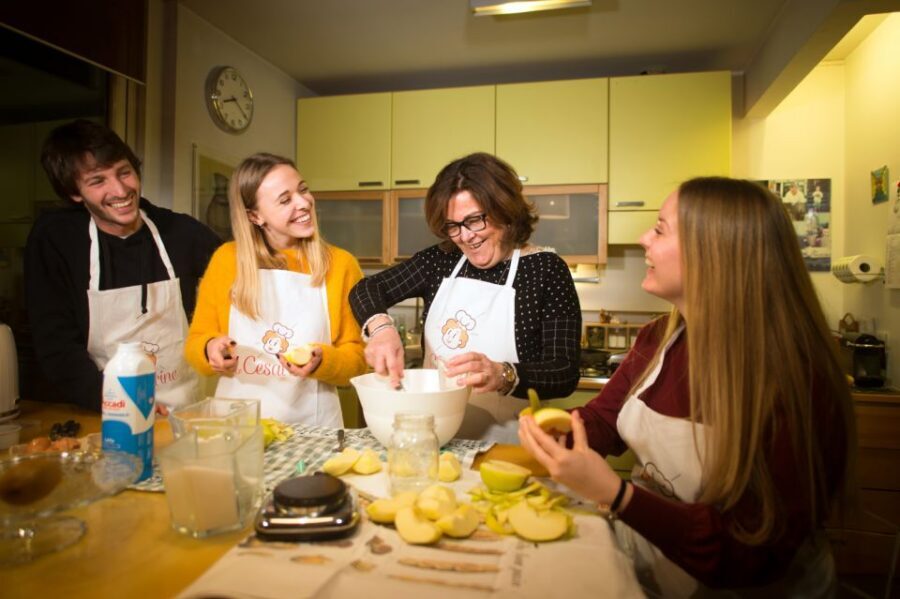
Before the cooking gets serious, you start with an Italian aperitivo. The class includes prosecco and nibbles, along with beverages like water, wines, and coffee.
This matters more than it sounds. Aperitivo in Italy isn’t just drinking before dinner. It’s a social warm-up, and it helps you settle into the rhythm of the host’s home. It also makes the class feel like a shared meal rather than a timed task.
Depending on your host and their home setup, you might enjoy the aperitivo in a way that feels distinctly Bologna—sometimes with casual seating areas that make conversation easy. In past Cesarine sessions, hosts like Marco and Silvia have guided groups in conversation as they cooked and ate, which shows the real point of this first pause: you’re learning the culture through interaction, not only instruction.
If you prefer non-alcoholic options, you can share food intolerance and allergy details when booking so the host can plan accordingly. The experience specifically asks for those details to match you with your perfect host.
You can also read our reviews of more tours and experiences in Bologna
How the 3 Hours Usually Move (Without Feeling Rushed)
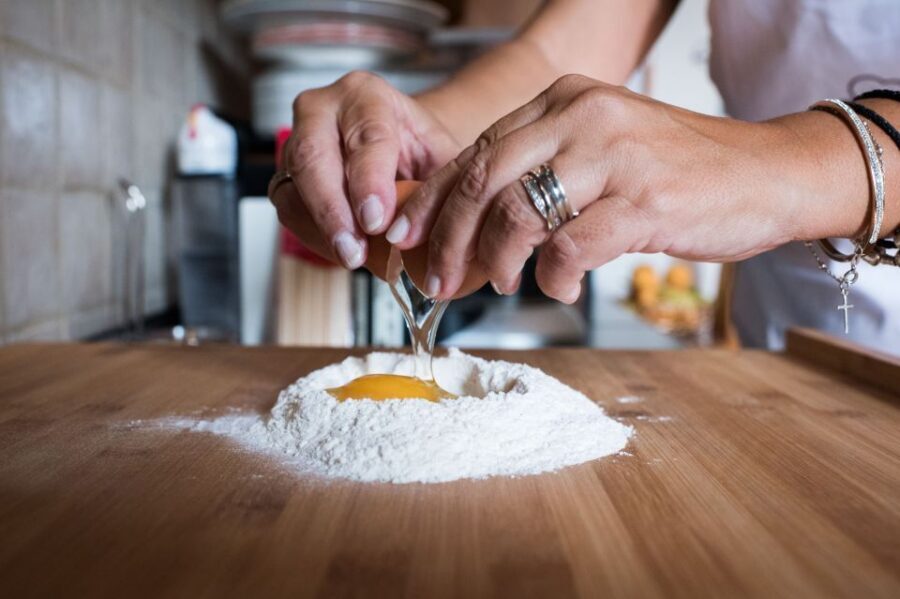
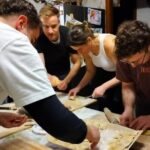
The class runs for about three hours. That length is long enough to teach real technique, but short enough that you don’t end up exhausted in someone’s kitchen.
Here’s what the flow is designed to accomplish:
- Start with the aperitivo and get comfortable in the setting
- Learn sfoglia handling and dough rolling by hand
- Make two pasta recipes from scratch, with hands-on guidance
- Learn and prepare tiramisu
- Taste what you made, so you leave knowing what success looks like
You might also be offered local tips along the way, since Cesarine hosts often share everyday Bologna habits. In some home sessions, hosts have even mentioned planning ideas for what to eat and where to go next in the city. Even if that part isn’t your main goal, it’s a nice bonus when it happens.
One more note: because this is in a home, the cooking pace can feel slightly personal. Some hosts teach by demonstrating, then guiding you as you take over. Others teach in a steadier rhythm where you’re already doing the action while they explain. Either way, you should feel involved.
Cesarine Hosts You Might Meet: Marco, Silvia, Roberta, and More
The experience is powered by Cesarine, so the real differentiator is the host. A home-cook network means you’re not getting a generic script. You’re getting someone’s kitchen rules, their family habits, and their way of explaining pasta.
In past classes, people have cooked with hosts including Marco and Silvia, Roberta, Maurizio, Saverio, Oriana, Annamaria and Francesco, Paola and Barbara, and Martina (a Cesarine host). The names may change, but the common thread is consistent: hosts welcome you into their home and teach the method with patience.
Why this matters for you: pasta is about fine adjustments, and questions matter. If the host is good at translating technique into simple instructions, you’ll leave with the ability to repeat the results.
Also, the class asks you to share your neighborhood and how you plan to travel to help match you with your host. That small planning step often makes the difference between a stressful arrival and an easy one.
Price and Value at $112.15 per Person
At $112.15 per person, you’re paying for more than a recipe session. The price includes:
- Beverages (water, wines, and coffee)
- Italian aperitivo (prosecco and nibbles)
- Local taxes
- The pasta and tiramisu-making class
- Tasting of the two pasta recipes and tiramisu
That bundle is a big part of the value. A cooking class that includes food and drinks is really closer to a guided dinner plus instruction, not a dry workshop. And because you’re cooking and eating, the cost isn’t just for teaching time—it’s for the full experience outcome.
It’s also a value play for visitors who want a Bologna meal that feels like a memory, not just a meal you ate and forgot. Learning how to make fresh sfoglia and tiramisu gives you something to carry home.
If you’re counting pennies, keep in mind you’ll also want to factor in travel time to a local home outside your city center sometimes, depending on where your host is. The class matching process uses your travel plan info, so you can reduce surprises.
Who Should Book This Class (and Who Might Not)
This is a great fit if you want:
- Hands-on cooking in an Italian home kitchen
- A practical pasta skill you can repeat later
- A full experience that includes food, aperitivo, and tasting
It’s especially strong for people who like learning through doing—rolling dough, shaping pasta, assembling dessert—while asking questions. If your idea of a good trip day includes conversation and a real meal at the center of it, you’ll probably enjoy this one.
You may want to rethink it if:
- You need wheelchair accessibility, since it’s listed as not suitable for wheelchair users
- You hate the idea of arriving without the exact address in advance, since you receive the full address only after booking
If you’re traveling as a couple or small group, the home setting often feels more comfortable than a larger public venue.
Should You Book This Bologna Pasta and Tiramisu Class?
I think you should book if you want your Bologna day to feel personal and edible. Learning sfoglia by hand, making two fresh pasta recipes, and then making tiramisu gives you a full sweep of what Emilia-Romagna and its neighbors do best.
Before you book, do two simple things:
- Tell the provider about any food intolerance or allergy needs and share your neighborhood and travel plan, so you’re matched smoothly
- Be ready for a home-kitchen arrival where comfort comes from following your host’s instructions and keeping communication open
If that sounds like your kind of trip, this is one of those Bologna experiences that leaves you with both skills and a story you can actually tell at home.
FAQ
How long is the Bologna pasta and tiramisu cooking class?
The class lasts 3 hours.
What’s the price per person?
The price is $112.15 per person.
What do I cook during the class?
You’ll learn to roll sfoglia fresh pasta dough by hand, make two iconic pasta recipes from scratch, and learn to prepare tiramisu.
Is an aperitivo included?
Yes. You’ll have an Italian aperitivo with prosecco and nibbles to start.
What drinks are included?
Beverages included are water, wines, and coffee.
Where does the class take place?
It’s held in a local’s home in Bologna. For privacy reasons, you only receive the full address after you book.
When will I get the host’s full address?
You’ll receive the full address and host details after booking, once the matching information is processed.
What language is the instruction in?
The instructor speaks Italian and English.
Is it suitable for wheelchair users?
No, it’s not suitable for wheelchair users.
Is free cancellation available?
Yes. You can cancel up to 24 hours in advance for a full refund.