REVIEW · BOLOGNA
Bologna: Pasta and Tiramisu Small Group Cooking Class with Wine
Book on Viator →Operated by The Roman Food Tour - Food Tour Rome · Bookable on Viator
Fresh pasta, made for real.
This small-group Bologna class starts with a Prosecco welcome and then gets you working hands-on in a real Italian restaurant kitchen. I especially like that you learn the nuts and bolts: how to build the dough, which flour to use, and the difference between pasta fresca and pasta secca before you move on to tiramisù. Luca (and other instructors like Steven, Chef Peter, Neha, and Maria) have a reputation for keeping things upbeat, even when the lesson turns practical. One possible drawback: if you’re picky about details like aprons, table height, or a steady flow of wine, you may want to plan for some unevenness from session to session.
You’ll finish by sitting down together to eat what you made, with wine paired alongside your meal. For the price, the value comes from the full package: ingredients, guided cooking, lunch or dinner, and wine included in the same 3-hour window. If you have egg, dairy, or gluten issues, note that the traditional recipes include gluten, dairy, and eggs, and cross-contamination can’t be ruled out.
In This Review
- Key Highlights Worth Marking On Your Map
- Bologna’s Pasta Kitchen: What You’re Really Paying For
- Where the Class Starts: Casa Altabella and Getting Settled Fast
- The Pasta Lesson: Dough, Flour, and the Fresh vs Dried Difference
- Tiramù Time: How to Build a Dessert You Can Actually Recreate
- Food and Wine: Lunch or Dinner With Pairing in Mind
- Instructor Style: From Luca to Steven to Chef Peter
- Small-Group Reality: Max 12, and Why That Matters for Learning
- Who This Bologna Class Is Best For
- How Much Time You’ll Spend, and How to Plan Your Day
- Price Check: Is $71.38 Good Value Here?
- Should You Book This Bologna Pasta and Tiramisu Class?
- FAQ
- What’s included in the Bologna pasta and tiramisù cooking class?
- How long is the cooking class?
- How big is the group?
- Is there a welcome drink and wine with the meal?
- Is the class offered in English?
- What’s the cancellation policy?
Key Highlights Worth Marking On Your Map
- Prosecco on arrival, setting a relaxed tone before you get floury
- Small group (max 12), which makes it easier to ask questions and keep moving
- Fresh pasta basics, including flour choice and pasta fresca vs pasta secca
- Tiramisu from scratch, not a shortcut dessert kit
- Shared meal with fine wine, so you can eat while things are still fresh
- Flexible instruction for allergies/preferences, but the traditional method stays the focus
Bologna’s Pasta Kitchen: What You’re Really Paying For
This isn’t a stand-in cooking show. You’re in a working restaurant-style setup, getting step-by-step direction while you make two Bologna-style hits: fresh pasta and tiramisù. That matters, because pasta dough is not forgiving if you skip the method, and tiramisù depends on timing and assembly, not just ingredients.
At about 3 hours for $71.38 per person, the best value angle is that you’re not paying separately for a meal, drinks, and instruction. You get a shared lunch or dinner after you cook, plus wine alongside the food. For Bologna, where food culture is the main event, this is a smart way to turn sightseeing time into a skill you can reuse later at home.
You can also read our reviews of more cooking classes in Bologna
Where the Class Starts: Casa Altabella and Getting Settled Fast
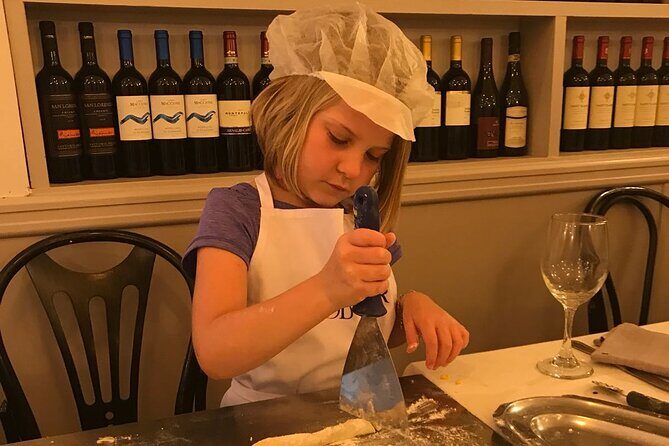
Your meeting point is Casa Altabella, Via Altabella 12a, 40126 Bologna. It’s close to public transportation, which is handy if you’re juggling buses or want to line this up between main sights without stressing your schedule.
When you arrive, the rhythm is straightforward: step inside, get a welcome glass of Prosecco, then you move behind the scenes to see how the restaurant side runs. That early “tour of how it works” part helps you switch from tourist mode to cook mode quickly.
One practical note: since this is a working kitchen environment, wear something comfortable you don’t mind getting near flour. The class description doesn’t promise aprons, and some past participants suggested aprons or better cloth protection would improve comfort.
The Pasta Lesson: Dough, Flour, and the Fresh vs Dried Difference
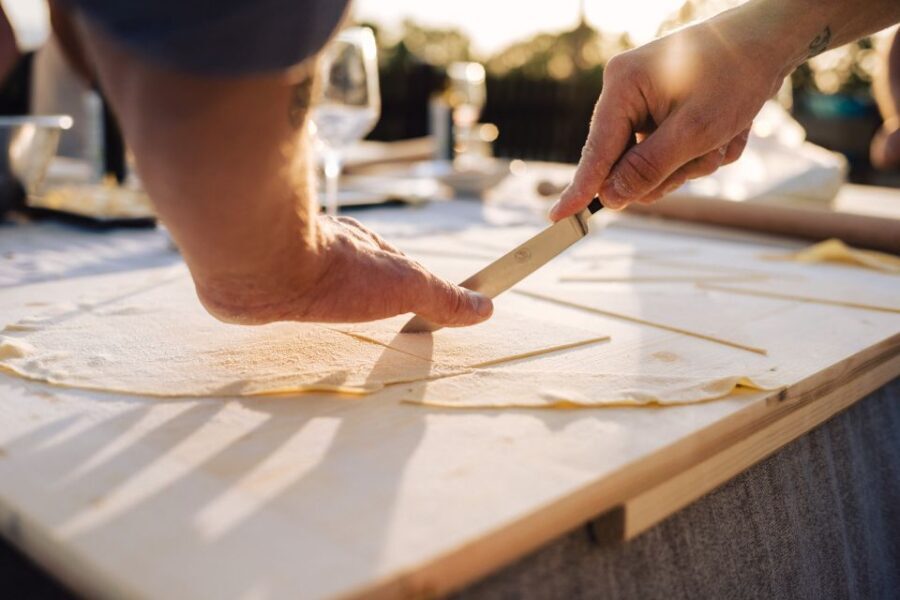
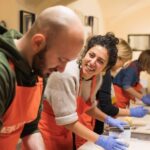
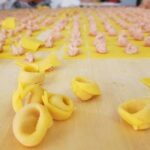
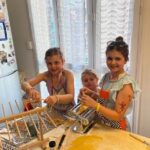
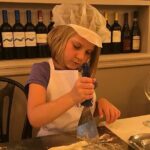
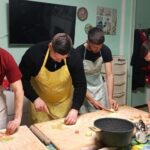
The pasta portion is the core skill-builder. You tie on an apron, go to your workstation, and start learning how to create perfect pasta dough, with guidance on what to use and why. Expect instruction on flour choice and what changes when you’re making pasta meant to be cooked soon versus pasta that can be stored and dried.
That pasta fresca vs pasta secca distinction is more than trivia. Fresh pasta cooks quickly and tastes tender and delicate; dried pasta is built for longer storage and different texture after boiling. If you’ve ever wondered why some homemade pasta feels restaurant-silky while other attempts turn chewy or heavy, this is where the answer usually hides.
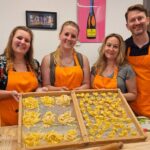
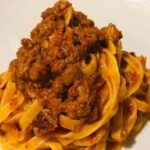
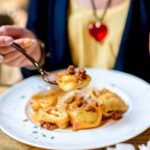
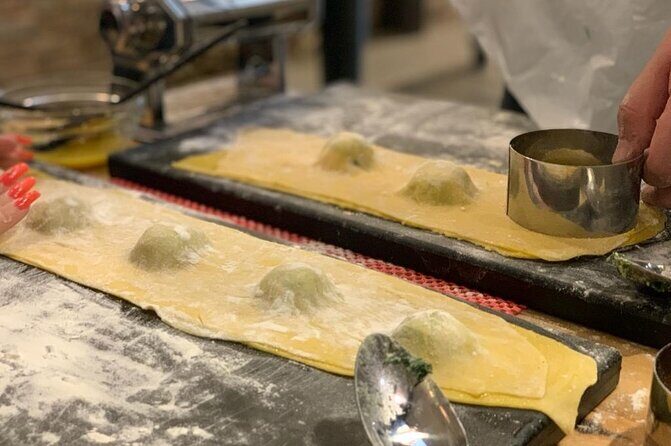
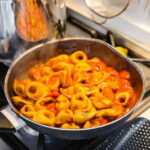
You’ll work toward the dishes in the class menu, including fettuccine with tomato sauce and ravioli with ricotta and spinach, finished with butter and sage. That menu combination gives you a good “Bologna flavor profile” lesson: rich dairy filling, herby butter, and a simple tomato sauce that lets the pasta do the talking.
Tiramù Time: How to Build a Dessert You Can Actually Recreate
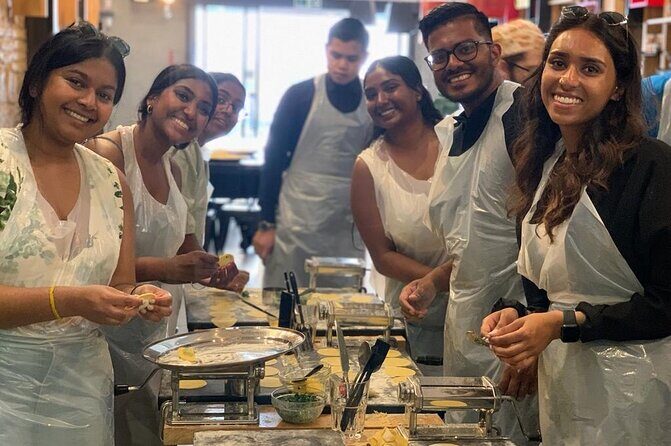
After the pasta, you shift to dessert and learn how to make tiramisù step by step. This is the part many people look forward to, but it also teaches patience and structure.
The practical value here is that tiramisù can look easy and still go wrong. Timing matters for soaking, and layering matters for the final texture. A guided class reduces guesswork, so you leave with a process you can follow instead of a vague memory of ingredients.
Since the workshop is built around the traditional recipe style, keep in mind the class guidance focuses on the classic method. If you have restrictions, you may receive substitutions, but the traditional approach still drives the instructions and cross-contamination can’t be fully eliminated.
Food and Wine: Lunch or Dinner With Pairing in Mind
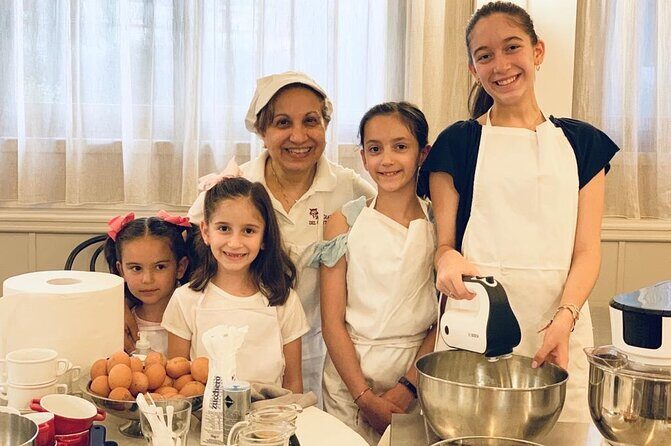
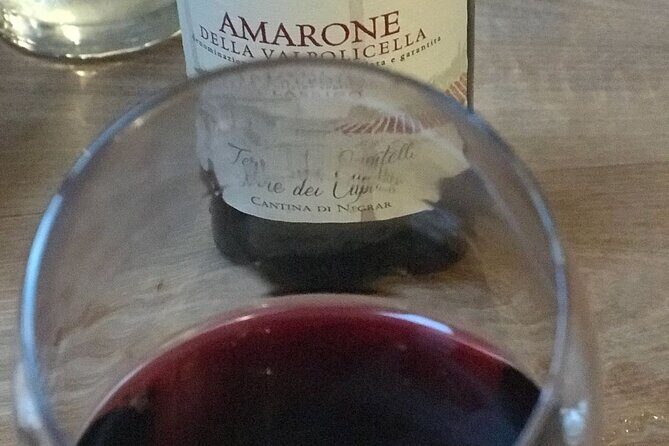
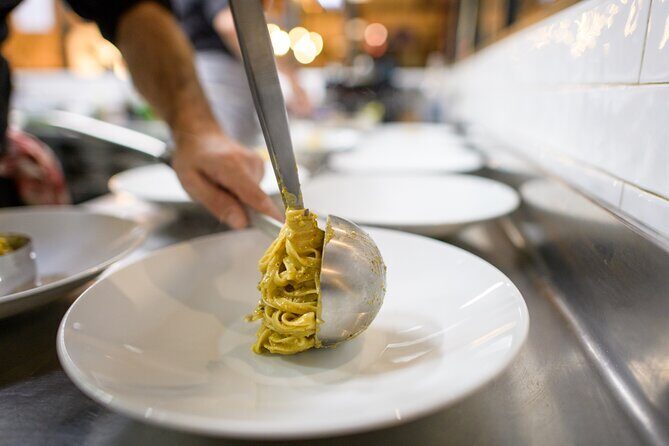
When you finish cooking, you all sit down together for the meal. Your lunch or dinner includes the fresh pasta dishes you made plus tiramisù, with fine wine served alongside. The drinks aren’t just an afterthought either: you get Prosecco at the start, and the meal includes prosecco as well as red and white wine, with non-alcoholic beverages available too.
This is a great setup if you want the whole experience to feel complete. You’re tasting what you made while your pasta is still part of your “hands-on” memory. It also means you’re not hunting for a nearby restaurant after the class.
One consideration: the package says wine is included, but real life can be messy. If alcohol timing is important to you, be proactive early in the meal about getting your drink. That small step helps prevent an awkward wait.
You can also read our reviews of more wine tours in Bologna
Instructor Style: From Luca to Steven to Chef Peter
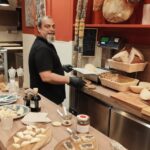
The class has a reputation for strong teaching and a fun group vibe. In different sessions, instructors named in feedback include Luca, Steven, Chef Peter, Neha, Maria, and others such as Al / Aladdin. What connects these names is hands-on guidance plus a social atmosphere that works well for both couples and families.
A couple things to watch for: some sessions can feel like they’re managing time tightly, and some participants have asked for a more relaxed pace while the host is close by. That doesn’t mean it’s bad. It just means you’ll get the best experience if you let the class set the tempo and go with the flow.
Small-Group Reality: Max 12, and Why That Matters for Learning
This is capped at 12 travelers, which is a big deal for a hands-on cooking class. With fewer people, you’re more likely to get direct feedback on dough texture, rolling, and assembly. You also have a better chance of building a comfortable social rhythm at the shared table afterward.
That size also helps with pacing. A pasta dough lesson is timed in a way that makes sense once you’re working in sync, not waiting for your turn for ages. You get a smoother “do, then taste, then do next” progression.
If you’re traveling with kids, this is often the kind of class that works because the tasks can be broken into manageable steps. Still, since the menu includes gluten, dairy, and eggs in the traditional recipe, you’ll want to check your family’s needs first.
Who This Bologna Class Is Best For
This class is a strong match if you want a practical Bologna food experience, not just a meal. You’ll likely enjoy it most if you:
- Want to learn how dough works and why fresh pasta behaves differently
- Enjoy cooking with a group, then eating together
- Like dessert-making that you can repeat at home
- Value getting wine and a full meal bundled into a short outing
It’s less ideal if you’re vegan, lactose intolerant, or need gluten-free. It also isn’t recommended if you have an egg allergy. The class can offer substitutes for allergies or preferences, but instructions still focus on the traditional recipe with gluten, dairy, and eggs, and cross-contamination can’t be guaranteed.
How Much Time You’ll Spend, and How to Plan Your Day
The duration is about 3 hours. That’s long enough to make pasta and tiramisù properly, but short enough to fit between major sightseeing blocks.
Because the class ends back at the meeting point, plan your next stop nearby or keep transportation within easy reach. If you have dinner reservations far away, you’ll want to build in flexibility, since meal timing can shift based on the session.
Price Check: Is $71.38 Good Value Here?
Here’s the honest value math. At $71.38, you’re typically getting four things at once:
1) Instruction for fresh pasta dough
2) Guided making of tiramisu
3) A shared lunch or dinner using what you made
4) Wine and Prosecco included, plus non-alcoholic options
Cooking classes that only teach techniques without also feeding you tend to cost more for the same time block. And meals with wine in central Bologna aren’t usually cheap either. So the value is in the bundle, not just the cooking.
Should You Book This Bologna Pasta and Tiramisu Class?
If your goal is to come away with real skills and a real meal, I’d book it. The small-group size, the hands-on focus on dough and tiramisù, and the built-in meal with wine make it a standout way to spend a few hours in Bologna without turning food into another museum stop.
But be picky about fit. If you need gluten-free, dairy-free, egg-free, or full vegan meals, this class may not align with your needs because the traditional instructions include gluten, dairy, and eggs and cross-contamination can’t be guaranteed. And if you’re the type who hates waiting on drinks or wants zero time reminders, pick a session that fits your schedule and arrive a little early so you start relaxed.
FAQ
What’s included in the Bologna pasta and tiramisù cooking class?
You’ll get lunch (fresh pasta and tiramisù) plus fine wine. Non-alcoholic beverages are also available.
How long is the cooking class?
It runs for about 3 hours.
How big is the group?
The group is limited to a maximum of 12 travelers.
Is there a welcome drink and wine with the meal?
Yes. You receive a welcome glass of Prosecco, and wine is served with your meal.
Is the class offered in English?
Yes, it’s offered in English.
What’s the cancellation policy?
You can cancel for free up to 24 hours in advance for a full refund. If you cancel less than 24 hours before the start time, the amount paid is not refunded.