REVIEW · BOLOGNA
Bologna: Pasta and Tiramisu Cooking Class with Wine
Book on GetYourGuide →Operated by The Roman Food Tour · Bookable on GetYourGuide
You eat what you cook in Bologna. This hands-on class kicks off with a Prosecco welcome and then walks you through pasta-dough guidance step by step, plus a big, satisfying lunch or dinner. The one caution: the traditional recipe uses gluten, dairy, and eggs, and they can’t guarantee zero cross-contact.
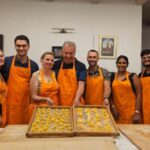
I like that the format keeps you moving from dessert to dough to a shared meal, so you’re not just watching a kitchen show. You’ll make tiramisu first, then fresh pasta in a central Bologna restaurant, with an English instructor such as Luca, Al, Peter, or Steven guiding the group. You’ll also sit down together to eat what you made, with wine along the way.
In This Review
- Why This Bologna Cooking Class Feels Like the Real Deal
- Key Highlights That Matter for Your Time
- Prosecco, Aprons, and How the Class Actually Runs in Central Bologna
- Tiramisu First: The Iconic Dessert and the Technique Behind It
- Fresh Pasta Dough: Flour, Texture, and Getting It Right
- What You’ll Eat: Lunch or Dinner with Wine and Bologna-Style Comfort
- Price and Value: What $57 Buys You in Bologna
- Dietary Reality Check: What’s Included, What’s Not, and What You Should Ask
- Who Should Book This Class (and Who Might Not Love It)
- Practical Tips Before You Go (So You Enjoy the Whole 3 Hours)
- Should You Book This Bologna Pasta and Tiramisu Class?
Why This Bologna Cooking Class Feels Like the Real Deal
If you want more than a souvenir photo, this class gives you the stuff you can actually repeat at home: the method. In a city famous for food, it’s a smart break from long walks and museum lines.
Here’s the basic flow: arrive, get a Prosecco, don an apron, make tiramisu, then move to fresh pasta dough. When the cooking part finishes, you and your group share lunch or dinner in the restaurant setting while a glass of wine does its job.
Key Highlights That Matter for Your Time
- Prosecco on arrival sets a relaxed tone before you touch any dough
- Step-by-step tiramisu + pasta dough so first-timers aren’t left guessing
- English-speaking instructors often add local tips for where to eat and grab coffee afterward
- Wine with your meal makes the class feel like a real Bologna experience, not a demo
- You eat together which turns the workshop into a social dinner-style hangout
- Dietary limits are real: gluten/dairy/egg content is part of the traditional recipe
You can also read our reviews of more cooking classes in Bologna
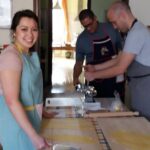
Prosecco, Aprons, and How the Class Actually Runs in Central Bologna
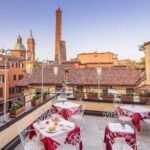
This workshop is set in the middle of Bologna, in a popular restaurant environment. That matters because you’re not transported to some remote studio. You’re learning in the kind of place where locals would actually come for lunch or dinner, which makes the whole thing feel grounded.
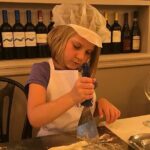
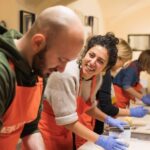
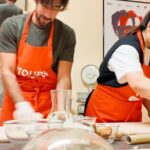
When you arrive, you’ll get a welcome glass of Prosecco. Then it’s straight into the hands-on part: wash your hands, put on an apron, and get organized at your workstation. The instructors run it in English, and from what’s been shared by different hosts over time, the energy is usually friendly, funny, and never rushed.
A small but important detail: even though it’s hands-on, the pace can feel restaurant-paced. One person noted that the chef handled some final cooking steps while the group handled key prep and then ate together, sipping wine. So if you’re expecting to control every last second on a hot stove, adjust your mindset: you’re here to learn the process and get the method right, not to stage a one-person cooking marathon.
Tiramisu First: The Iconic Dessert and the Technique Behind It
Most cooking classes start with something safe. This one starts with tiramisu, which is perfect because it teaches you the kind of careful timing and assembly that separates good from great.
You’ll make the tiramisu during the first part of the class. You also get the story element: the format includes a look at the dessert’s origins, not just the steps. Then you learn the practical technique—what to mix, what to watch, and how to assemble it so it holds its texture when you sit down to eat.
What I like about teaching tiramisu first is that it lowers your pressure. Pasta dough can feel intimidating on your first go. Tiramisu lets you get comfortable with the workflow: follow instructions, don’t overthink, and trust the method while you build confidence.
Fresh Pasta Dough: Flour, Texture, and Getting It Right
Then you shift from dessert mode to flour reality. This class focuses on making fresh pasta dough with step-by-step guidance, including how to think about different flours and the differences between pasta fresca and pasta secca.
That freshness distinction is more than trivia. Pasta fresca is about immediate texture—tender, soft, and meant to be cooked soon after. Pasta secca (dried pasta) is built for long storage and a different bite. When an instructor explains that clearly, you stop treating pasta like one single “food category” and start treating it like a craft.
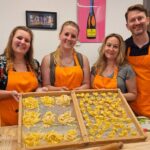
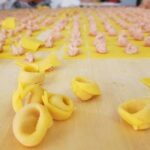
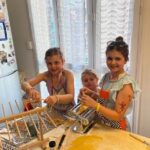
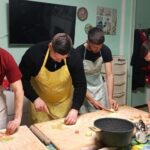
During the pasta portion, you’ll roll, cut, and shape the pasta. The goal is not just to end up with something edible; it’s to understand why the dough feels the way it does. Reviews often highlight how clearly hosts explain what to do if you’re new, including repeating instructions when needed.
And yes, alcohol helps. Multiple people call out generous wine, and that makes the hands-on work feel lighter. Just remember: pasta dough still needs attention. The dough doesn’t care that you’re feeling cheerful.
What You’ll Eat: Lunch or Dinner with Wine and Bologna-Style Comfort
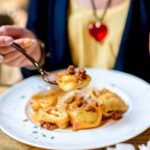
The class ends with a sit-down meal—lunch or dinner depending on your session. You eat together, which changes the feel from “workshop” to “shared table.” It’s also the moment you learn whether your technique produced something you truly enjoy.
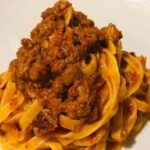
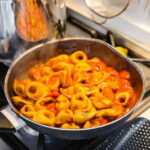
You’ll taste what you prepared during the class. One common thread is that the food served with your pasta is simple and satisfying—think tomato sauces and herbs, plus butter-based sauces reported in at least one session. The point isn’t to eat “fancy.” It’s to eat Italian comfort the way it’s served in restaurants.
On the drinks side, you get a glass of wine with your meal. Several hosts are praised for how they keep the vibe relaxed while making sure everyone stays on track. If you like the idea of ending your afternoon or evening with a proper meal instead of a snack, this structure fits.
You can also read our reviews of more wine tours in Bologna


Price and Value: What $57 Buys You in Bologna
$57 for a 3-hour experience can seem steep until you break down what’s included.
You’re paying for four big things:
- Instruction from an English-speaking host (names that have come up include Al, Luca, Peter, and Steven)
- Hands-on cooking time with both tiramisu and fresh pasta dough
- A full meal (lunch or dinner) that includes what you made
- Drinks: Prosecco on arrival plus wine with the meal
For many visitors, the value is less about the ingredients and more about the “guided practice.” Fresh pasta is one of those skills where a small coaching moment saves you from weeks of guesswork. And tiramisu is the same: get the technique right once, then you can recreate it at home.
If you were going to buy lunch anyway, and you wanted to add one structured activity, this often lands as a good deal. If you hate alcohol or hate group settings, you might feel less value—though the main meal is still part of the experience.
Dietary Reality Check: What’s Included, What’s Not, and What You Should Ask
Here’s the honest part: the traditional recipe includes gluten, dairy, and eggs. They offer substitutes for allergies or preferences, but the instructions stay focused on the classic method, and they cannot guarantee 100% free of cross-contamination.
So if you have:
- gluten intolerance: not suitable
- lactose intolerance: not suitable
- food allergies: not suitable
Also, vegan is listed as not suitable.
Vegetarian may be more workable since dietary options exist, but you still need to be clear about what you can and can’t eat when you book. If your situation is complex, don’t wait—contact the provider before you show up, and make sure your needs are understood.
Who Should Book This Class (and Who Might Not Love It)
This is best for you if you:
- want a practical Bologna food experience with real steps you can repeat at home
- like social meals and don’t mind meeting a small group
- want an English-speaking instructor who keeps things relaxed and clear
- love dessert and pasta equally (tiramisus-first is a strong choice)
It may not be the right fit if you:
- need strict gluten-free or lactose-free food
- have significant food allergies
- want a purely “hands only” cooking role where you do every physical step yourself
- are bringing very young kids (it’s not suitable for children under 3 years, and babies under 1 year)
Practical Tips Before You Go (So You Enjoy the Whole 3 Hours)
Wear comfortable clothes. You’re rolling dough and handling ingredients. Also, keep your schedule light afterward. You’ll leave full, and you’ll likely want time to walk off the pasta and dessert (or sit down again with another espresso).
If you’re new to cooking, lean into it. The class is designed to teach beginners. Pay attention to texture cues—dough feel, consistency, and shaping—because that’s where success lives.
And if you’re traveling solo, this is one of those activities that can help you feel less isolated. The shared meal format makes it easier to chat with the group while you’re eating.
Should You Book This Bologna Pasta and Tiramisu Class?
Yes, I’d book it if you want a food lesson you can actually use later. The mix of Prosecco welcome, tiramisu technique, and fresh pasta dough coaching is a strong formula, and the fact that you sit down for lunch or dinner makes it feel like more than just a ticketed class.
But if your dietary needs are strict (gluten, lactose, or real allergies), take the limits seriously. In that case, look for an option that explicitly guarantees safe ingredients rather than substitutes.
If you match the target audience—curious, hungry, and open to a shared restaurant meal—this is a great use of your Bologna time.