REVIEW · BOLOGNA
Bologna: Pasta Tagliatelle Ragu Cooking Class with Spritz
Book on GetYourGuide →Operated by Tours and the City · Bookable on GetYourGuide
Fresh pasta class, spritz in hand.
In Bologna’s city center, this 3-hour cooking session mixes mortadella aperitivo with hands-on pasta work, so you get both the food culture and a real skill you can use later. I love that you roll and cut tagliatelle from scratch by hand, no machine needed, and you finish by eating what you made with regional wines. One thing to consider: the kitchen has a large flight of stairs, so it may not work well if mobility is an issue.
The best part is the pacing. You start with a welcome drink, you make the dough and shape the pasta, and you get to socialize in between without feeling rushed. Recipes are available by email in PDF format if you want them, which is handy if you plan to recreate the meal at home.
In This Review
- Key moments
- Walking Into Bologna’s Cooking Classroom (and Why It Feels Local)
- The Aperitivo Setup: Mortadella, Crescenta, and Pignoletto
- Casoni Spritz Workshop: Mixing a Local Signature Cocktail
- Hand-Rolling Tagliatelle Dough Without a Machine
- Bolognese Ragù: What You Make Versus What You Taste
- Eating Your Tagliatelle with Wine and 24-Month Parmigiano
- Coffee and Amaro Finish: Montenegro & Moka
- The Instructors and the Social Side of the Class
- Price and Value: What You Get for $79.64
- Timing and What to Do Before and After
- Who Should Book This (and Who Might Skip)
- Should You Book This Bologna Tagliatelle and Spritz Class?
- FAQ
- How long is the cooking class in Bologna?
- Is the class taught in English?
- What pasta will I make?
- Do I prepare the ragù myself?
- Are drinks included?
- Do you get coffee or a digestif?
- Is it suitable for vegans, vegetarians, or people with gluten intolerance?
- Is it okay for kids?
- What should I wear or bring?
- Is it accessible for people with mobility needs?
Key moments
- Mortadella welcome + Pignoletto: you begin with a proper Bologna-style aperitivo before the flour hits the table.
- Casoni spritz making: you mix a signature spritz using local-herb style flavors, not just a generic cocktail.
- Tagliatelle by hand: fresh dough, rolling pin, cutting, and cooking you can actually repeat at home.
- Ragù and wine pairing: you eat homemade Bolognese ragù topped with 24-month-aged Parmigiano Reggiano, with Sangiovese included.
- Finish with Montenegro & Moka coffee: you close with Italian coffee plus a digestif of amaro.
Walking Into Bologna’s Cooking Classroom (and Why It Feels Local)
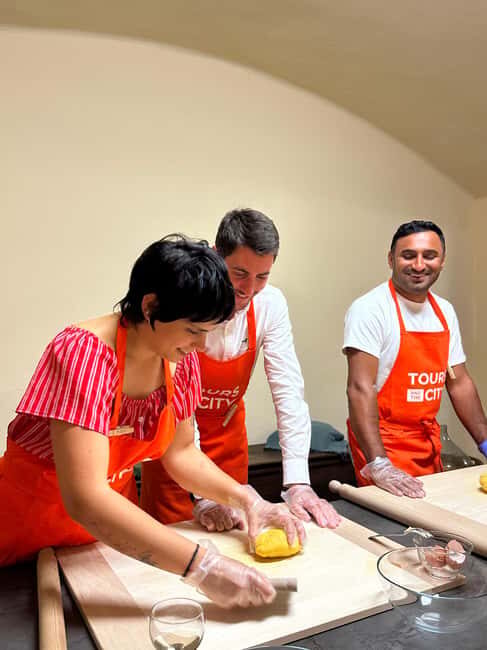
This is one of those experiences where the setting does some of the work for you. You meet the instructor outside the building, and they come escort you in—wearing an orange apron, which is an easy way to spot your group at the start. From there, you’re in a traditional kitchen in the city center, and you can feel the whole thing is built around local habits, not a tourist-only script.
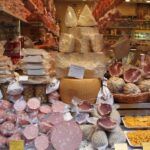
I like the way the class starts with a real aperitivo. Bologna isn’t shy about food and drink as part of everyday life, and you get a welcome with mortadella, crescenta, and glasses of Pignoletto sparkling white wine. It’s a simple move, but it helps you relax fast and talk with your group before you start rolling dough.
You can also read our reviews of more cooking classes in Bologna
The Aperitivo Setup: Mortadella, Crescenta, and Pignoletto
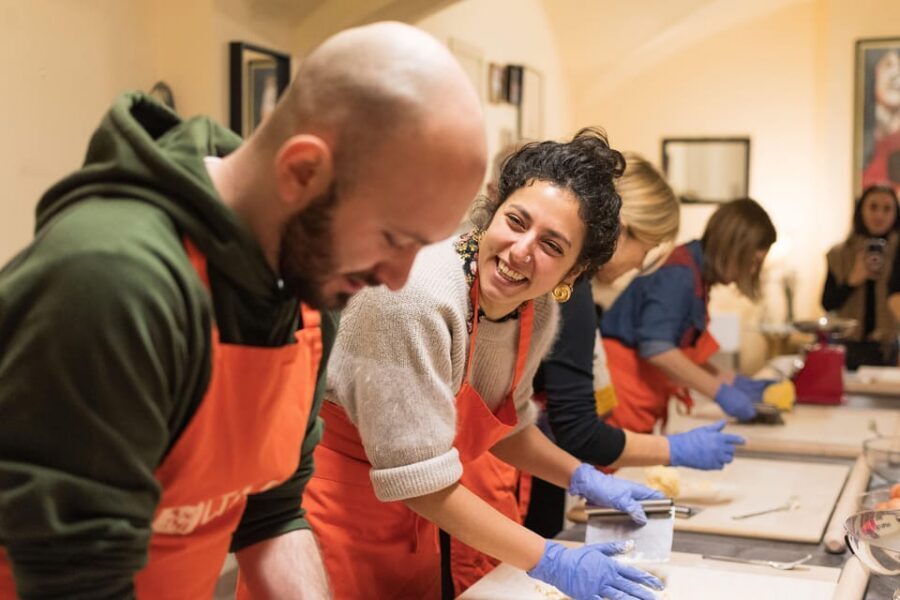
Before you do any cooking, you’re guided into the meal rhythm Bologna does well: start savory, start social. The welcome includes mortadella, crescenta, and Pignoletto sparkling white wine. You’ll also get Mortadella & Wine as a first aperitif to break the ice, which matters because this class is more fun when you’re talking with the people next to you.
In practical terms, the aperitivo also gives you a buffer. Fresh pasta can be sticky, floury, and slightly awkward at first. Having something in your stomach makes the first few minutes far less stressful.
Also, because the class is in English, the welcome helps everyone get on the same page quickly. If you’re not a pasta person today, you will be by the end of the session.
Casoni Spritz Workshop: Mixing a Local Signature Cocktail
Once everyone’s settled, you move into the spritz portion. The focus here isn’t just drinking—it’s mixing. You prepare and sip your own Casoni Spritz during the class, built from a recipe with local-herb flavors. That makes it more interesting than ordering another orange-citrus spritz and calling it done.
One small detail I appreciate: you’re not dumped into a bar trick. The class format gives you time to actually make it with guidance, so you can understand what’s going on. And because you’ll be tasting as you go, you can adjust your own drink style rather than just finishing a pre-built cocktail.
This is also a nice break between pasta steps. If your hands get floury, spritz time resets your pace without derailing the cooking flow.
Hand-Rolling Tagliatelle Dough Without a Machine
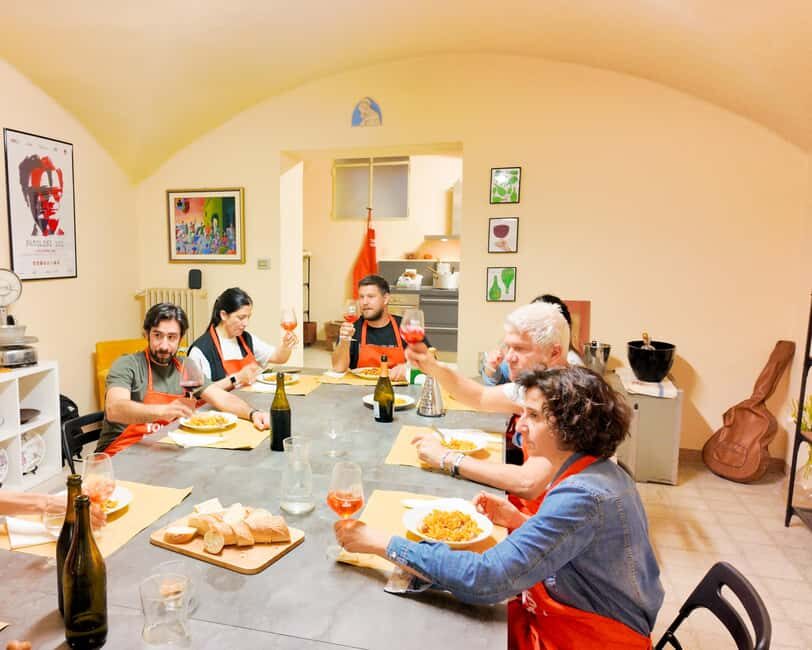
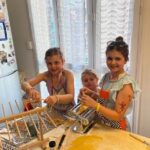
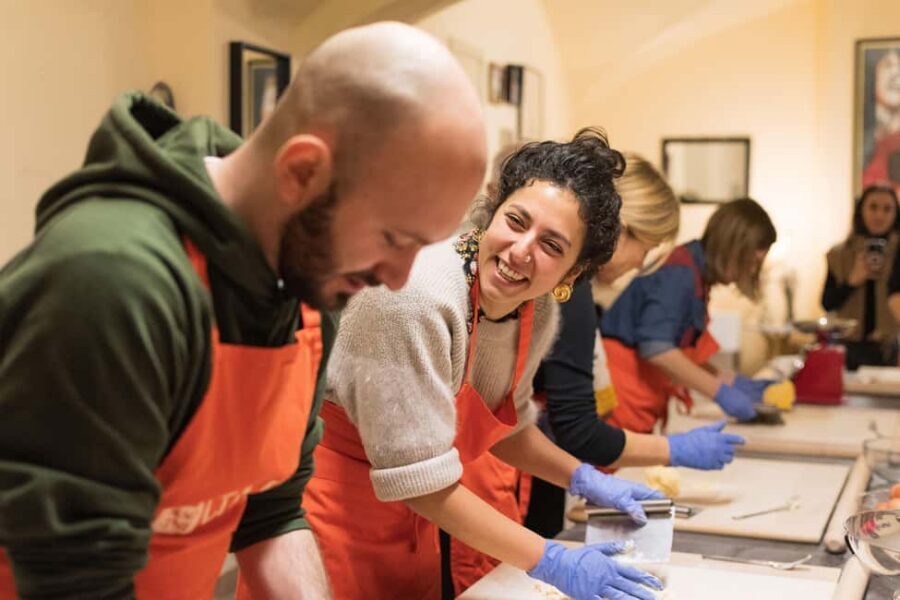
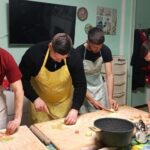
Now the main event: making tagliatelle. Your instructor is an English-speaking guide and a local pasta master (a sfoglina), so the teaching tone is focused on craft, not just instructions.
Here’s what you do:
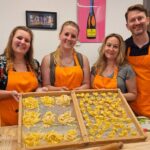
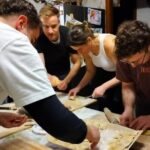
- You make fresh pasta dough from scratch using locally sourced ingredients, including fresh eggs and flour.
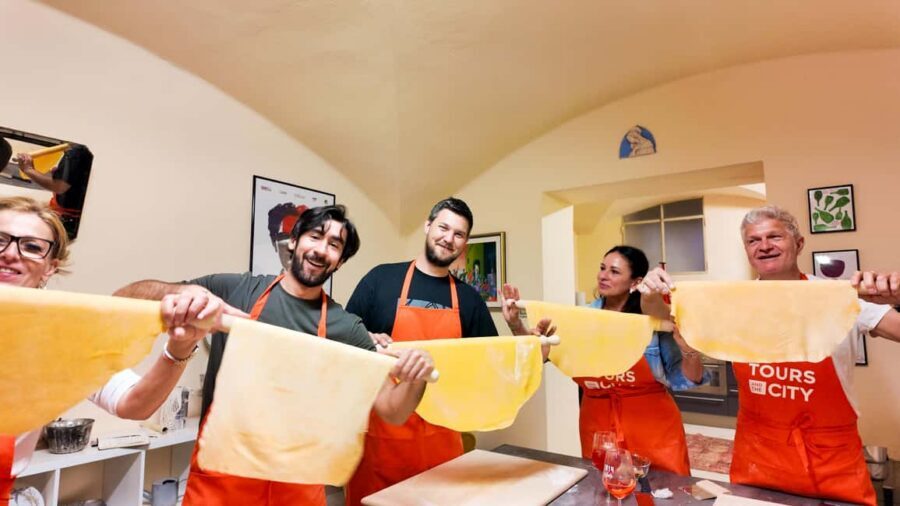
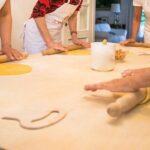
- You shape it and roll it using a rolling pin—no machine shortcuts.
- You slice it into tagliatelle and then cook it.
The lack of a machine is a big part of the value. With a machine, fresh pasta can feel too easy, too automatic. By rolling and cutting by hand, you learn the texture and thickness cues that matter. You also get a better sense of why tagliatelle works so well with ragù: the pasta has the right surface for sauce to cling.
A few practical notes for you:
- Wear comfortable clothes and shoes. The work is hands-on, and you’ll likely stand for parts of the class.
- Expect some mess. Even with good instruction, dough has a mind of its own at first.
- If you’re a first-timer, don’t fight the process. Your instructor will keep you moving step by step, and you’ll be surprised how fast your hands adapt.
Bolognese Ragù: What You Make Versus What You Taste
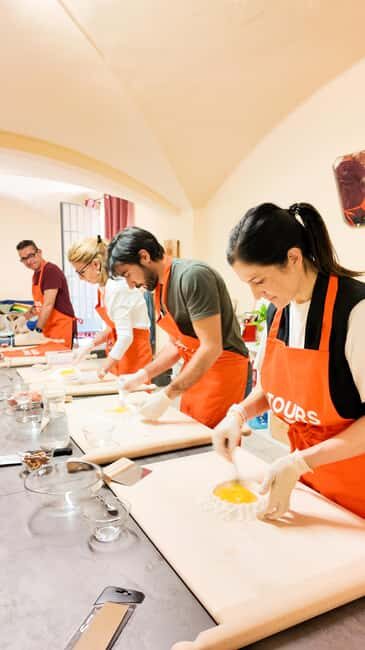
Let’s clear up the one point that can catch people off guard: you don’t prepare the ragù from scratch. Due to time constraints, the ragù is crafted in advance and then served as part of your meal. The upside is that it’s still homemade—made each week with care and respect for the local family tradition.
So what do you get from the ragù portion?
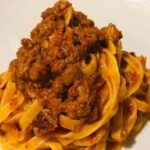
- You get the flavor payoff: rich Bolognese ragù served with your freshly made tagliatelle.
- You still learn how to approach the sauce through cooking context and how it’s typically handled and served in Bologna-style meals.
- You get the pairing and proper finishing touches, including Parmigiano Reggiano.
For many people, that’s the smart trade. Full ragù prep can take hours. Here, you get the pasta skill you came for, plus the satisfaction of eating a sauce that’s been treated like the star it is.
You can also read our reviews of more tours and experiences in Bologna
Eating Your Tagliatelle with Wine and 24-Month Parmigiano
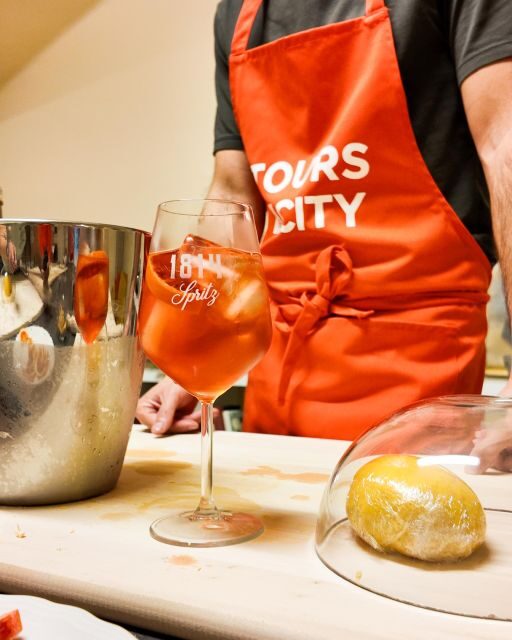
Once your tagliatelle is ready, you sit down and taste what you made. Your meal includes homemade ragù, and it’s topped with 24-month-aged Parmigiano Reggiano, which gives it that sharp, nutty depth that makes Bolognese feel complete.
You also toast with local Sangiovese wine as you cook and savor the dish together. That’s a key pairing choice. Sangiovese brings acidity and structure, which helps cut through the richness of ragù and keeps the plate from feeling heavy.
And yes, you’re drinking during the meal. This class is designed like an Italian lunch break: work, taste, drink, finish, and then move on—no awkward wait between steps.
Coffee and Amaro Finish: Montenegro & Moka
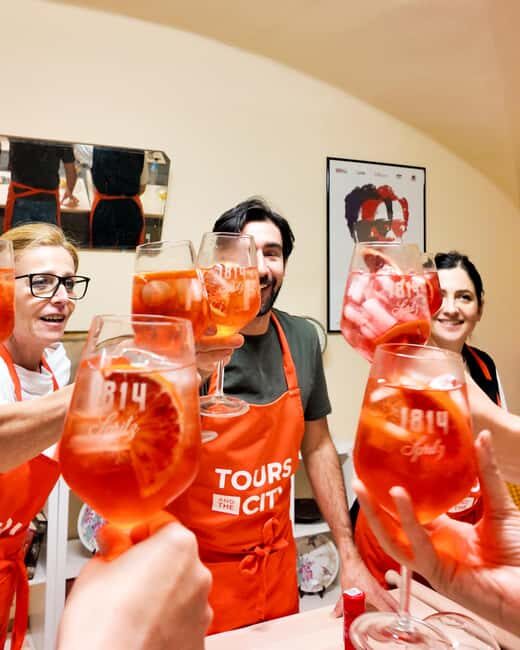
A lot of food tours stop at dessert, or at least at the last bite. This one closes with a very Italian ending: coffee plus an amaro digestif.
You get Montenegro & Moka coffee, then a digestif of amaro. It’s not just for show. After pasta and wine, the bitter-sweet finish is a classic way to reset your palate. If you like digestifs, you’ll enjoy seeing how the meal is meant to end. If you don’t, you can treat it as a short taste and focus on the coffee.
The Instructors and the Social Side of the Class
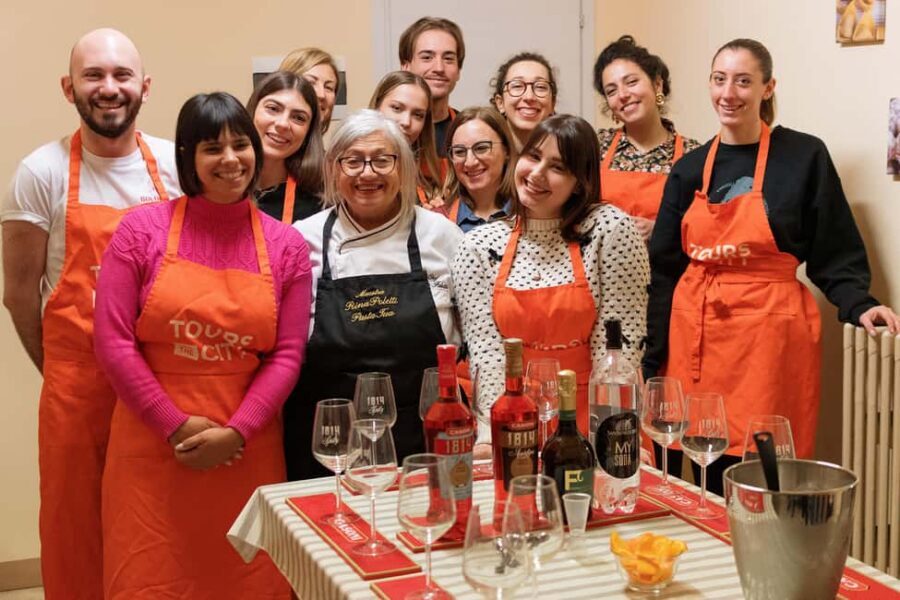
What makes this class special isn’t only the food. It’s the hosting style. In the way the class is run, you can expect a warm, organized approach that keeps you from feeling lost when dough gets challenging.
You might meet instructors such as Valentina, Lupo, Stefania/Stefy, Caterina, Claudia, or Roberta, and the common theme across different guides is clarity plus patience. Several instructors are also described as doing two important things well: teaching techniques that click fast, and creating an atmosphere where strangers start chatting naturally.
That social energy matters because pasta-making is physical and slightly repetitive. When the group feels comfortable, you stay relaxed enough to learn.
Price and Value: What You Get for $79.64
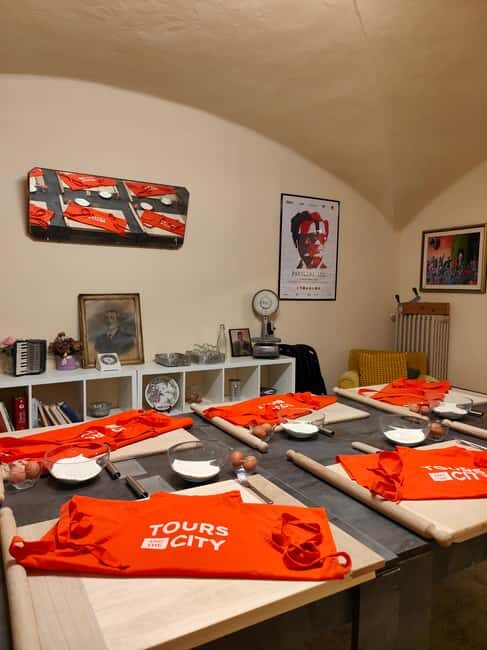
At $79.64 per person for a 3-hour experience, you’re paying for more than a meal. The value is in the mix of:
- Fresh ingredient cooking (eggs and flour for dough)
- A guided pasta skill (hand-rolled tagliatelle)
- Multiple drinks throughout (welcome aperitif and spritz you make yourself)
- Wine during the meal (Pignoletto and Sangiovese)
- A full Italian finish (Montenegro & Moka coffee plus amaro)
- A recipe handout option (PDF sent by email upon request)
If you compare it to doing pasta at home, you’re saving time and mistakes. Fresh pasta requires practice tools and a lot of trial. Here, you get instruction, ingredients, and a built-in timeline. You also get the social part, which is hard to recreate on your own.
The one caveat on value: ragù prep is not hands-on. But the ragù is still served as homemade and built into the tasting. In practice, most people see this as a fair trade for focusing on the skill you’re paying to learn.
Timing and What to Do Before and After
The class runs about 3 hours. That makes it a strong fit for a Bologna day because it doesn’t swallow your whole afternoon. I’d plan it so you can arrive hungry-but-not-empty, then spend the rest of your day walking and eating at your own pace.
Before you go, give yourself time to find your meeting spot. The instructor escorts you from outside the building to begin. After the class, you’ll leave full, so you’ll likely want lighter plans for dinner.
If you’re also bouncing between Bologna sights, this is the kind of activity that gives your trip a story. You’re not just seeing Bologna—you’re taking home a technique.
Who Should Book This (and Who Might Skip)
This class is best for you if:
- You want a hands-on cooking skill, not just a food tasting
- You like Italian drinks with your meal, especially spritz culture
- You enjoy meeting other people while cooking
It might not be the right fit if:
- You’re traveling with someone who needs wheelchair access or can’t manage stairs. The kitchen includes a large flight of stairs.
- Your group includes kids under 12, since it isn’t suitable for children under that age.
- You need vegan or vegetarian options. This experience isn’t suitable for vegans or vegetarians.
- You have gluten intolerance. It’s not suitable for people with gluten intolerance.
Should You Book This Bologna Tagliatelle and Spritz Class?
If you want a Bologna experience that feels practical and hands-on, I think this is a great booking. You learn fresh tagliatelle technique, you make your own Casoni spritz, and you end with a full meal plus the kind of coffee-and-digestif finish that makes it feel like an actual Italian lunch.
Book it if you’re comfortable with stairs, you can enjoy eggs and meat-based elements, and you want to leave with both a skill and a satisfying stomach. If any of those don’t fit, you’ll probably feel the limits quickly.
FAQ
How long is the cooking class in Bologna?
It lasts about 3 hours.
Is the class taught in English?
Yes, the instructor teaches in English.
What pasta will I make?
You’ll shape, slice, and cook fresh tagliatelle.
Do I prepare the ragù myself?
No. The ragù won’t be made by you. It’s prepared in advance, and you’ll enjoy it with your pasta.
Are drinks included?
Yes. You get cocktails including your own Casoni Spritz, plus wine during the meal and unlimited water/soft drinks.
Do you get coffee or a digestif?
Yes. The experience includes Montenegro & Moka coffee and a digestif of amaro.
Is it suitable for vegans, vegetarians, or people with gluten intolerance?
No. It’s not suitable for vegans, vegetarians, or people with gluten intolerance.
Is it okay for kids?
No. It isn’t suitable for children under 12.
What should I wear or bring?
Wear comfortable shoes and comfortable clothes.
Is it accessible for people with mobility needs?
The venue has a large flight of stairs, and the experience isn’t recommended for people who need wheelchair access or use crutches.