
Boboli looks like a park, but it reads like a puzzle. This short guided walk through the Medici Gardens connects plants, sculpture, and water features into a story that spans Roman myths, Renaissance art, and later interpretations.
What I like most is how quickly a guide turns the grounds into something you can actually follow: you’ll see major sights around Boboli and the Pitti Palace surroundings, then get the meanings behind what you’re looking at. One caution: you’re doing a real walking tour on uneven garden paths, so if you expect smooth, stroller-level surfaces, you’ll want to plan for comfortable shoes and steady footing.
In This Review
- You’re in good hands with the right guide
- Key things that make this Boboli tour worth your time
- From Pitti Palace to Boboli: starting in the right place
- The Medici masterplan: Cosimo I and the idea of a royal garden
- What you’ll actually see: Boboli + key sights linked to Pitti
- The hidden messages: where myth meets sculpture and water
- A short route through a huge art timeline
- The Secret Garden and Tunnel of Love: romance with context
- Terraces and fountains: how the pacing works over 1.5 hours
- The Florence panorama: the payoff at the top
- Price and value: is $93 worth it?
- Who this Boboli tour suits best
- Practical tips so you enjoy every minute
- Should you book this Florence Boboli and Medici Gardens tour?
- FAQ
- How long is the Boboli The Medici Gardens & Hidden Messages tour?
- Where is the meeting point?
- Is skip-the-line entry included?
- What is included in the tour?
- Are tickets to the Palatine Gallery or other Pitti Palace museums included?
- What languages are available for the live guide?
- What should I bring?
- Are pets allowed?
- Is smoking allowed?
- Is there free cancellation?
You’re in good hands with the right guide
You don’t need to be an art historian to enjoy this. The experience is built for people who want explanations, and the guides show up with strong command and patience (I’ve seen names like Alessandra, Guido, and Ivano tied to excellent tours). The tricky part is that you’ll get more out of it if you keep an eye out for details as you walk—things like small symbols on statues or how the fountains fit the theme of the spot.
Key things that make this Boboli tour worth your time
- Skip-the-line entrance so you start exploring without long waits
- Hidden allegories: gods, heroes, and messages woven into statues, fountains, and garden layout
- A myth-to-art timeline: stories imagined by artists across many periods, from ancient Roman to later work
- Signature spots: Hercules, Demeter, Tyndareus, plus the Artichoke and Neptune fountains
- Romantic + surprising details: the Secret Garden and the Tunnel of Love
- A payoff viewpoint: climb to a top section for a sweeping panorama over Florence
You can also read our reviews of more tours and experiences in Florence.
- Tuscany Day Trip from Florence: Siena, San Gimignano, Pisa and Lunch at a Winery
★ 5.0 · 21,634 reviews



From Pitti Palace to Boboli: starting in the right place
Your tour meets at the main entrance to Pitti Palace, which is smart because Boboli and the palace complex belong to the same Medici world. If you start wandering solo, you can easily miss the garden’s logic. With a guide, you get oriented fast: where to look, what to notice, and how the site’s design leads you to the next “chapter.”
This is a walking tour, and it’s not just a casual stroll. You’re covering several kilometers of garden terrain over about 1.5 hours. That time limit is good for most people—long enough to feel like you saw the core highlights, but not so long that the experience turns into a fatigue contest.
One practical tip: plan your day so you’re not rushing right afterward. Boboli makes you slow down. Even if you think you’ll just “hit the photos,” you’ll end up pausing for explanations of why a sculpture or fountain is placed where it is.
The Medici masterplan: Cosimo I and the idea of a royal garden
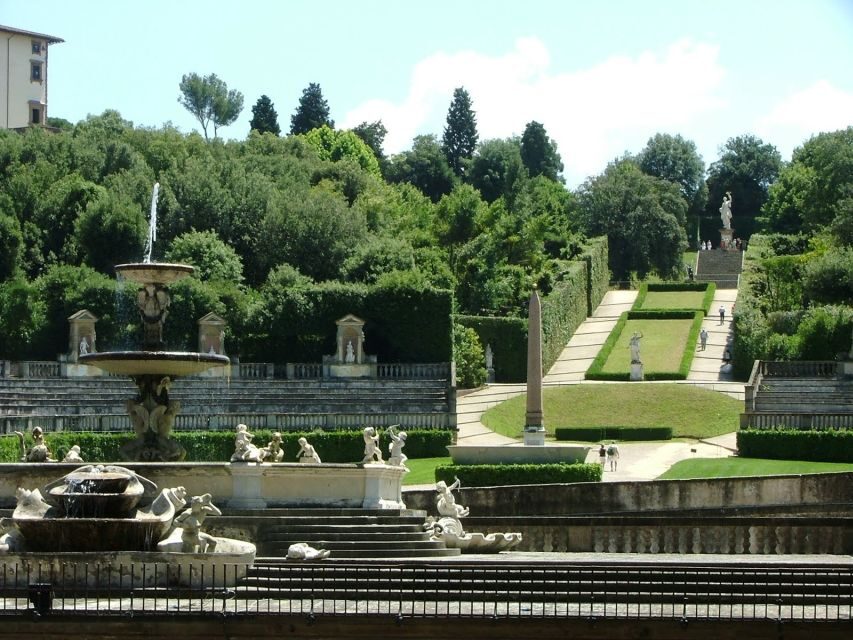
Boboli was designed for Cosimo I de Medici around 1562, and it became a model for royal gardens across Europe. That matters because it explains why the space feels so intentionally built. This isn’t a random patch of greenery. It’s a carefully shaped environment where architecture, water, and sculpture work together.
The garden’s reputation also comes from a bigger idea: Boboli is described as the first park in Europe where works of art hide meanings and allegories. Translation for your brain: if you walk through without context, you’ll see beauty and craft. If you walk through with context, you see messages—moral lessons, myth references, and political symbolism that would have made sense to the Medici court.
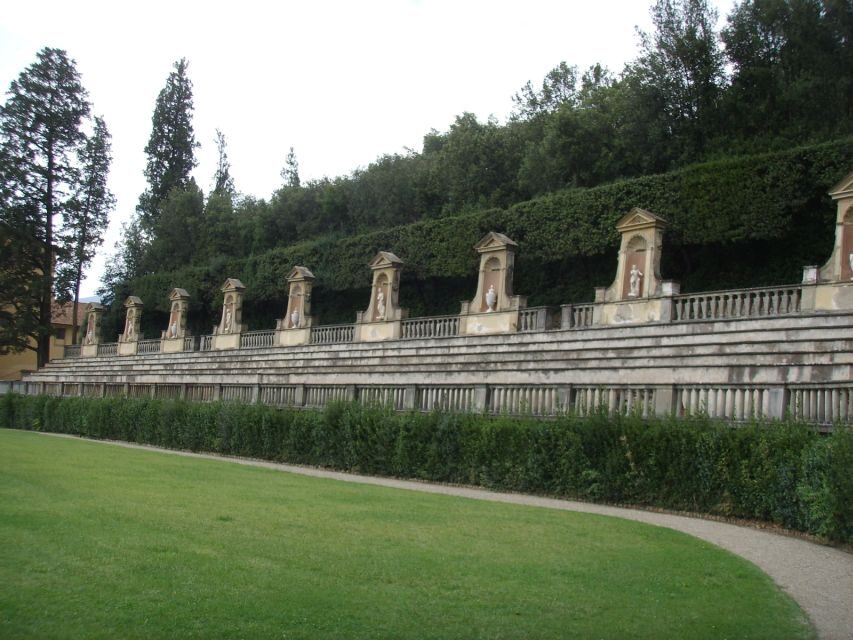
That royal-garden goal also explains the mix of styles and forms you’ll encounter: terraces, green “architectures,” fountains, statues, grottos, and hidden corners. The guide’s job is to connect these pieces so they stop feeling like separate attractions and start feeling like one coherent experience.
What you’ll actually see: Boboli + key sights linked to Pitti
The tour is built to cover the most important sights in the Boboli landscape and the Pitti Palace area. You’re not trying to do the entire palace museum route. In fact, museum tickets inside Pitti Palace are not included, including the Palatine Gallery or other collections you might be tempted to add on.
So think of this as gardens-first, palace-anchored. You’ll walk through the outdoor setting that made the Medici power visible—an open-air “stage” where mythology and art were used like messaging.
The highlight list points you toward what counts most:
- major garden highlights across the property
- lush vegetation and major fountains
- terraces that lead toward city views
Even if you’ve seen photos online, don’t assume you know where the best angles are. This is exactly where a guided route helps, because the viewing points are tied to the story you’re hearing.
The hidden messages: where myth meets sculpture and water
The heart of the experience is the way you’ll interpret the garden as a kind of coded artwork. You’ll hear stories and myths of gods and heroes, but not just as folklore. The tour frames how artists imagined these figures in different eras—moving from ancient Roman roots to later representations.
You’ll see specific figures that help you test whether you’re paying attention:
- Hercules and what his presence signals in the overall garden program
- Demeter, which gives the garden a stronger “earth and renewal” layer
- Tyndareus, identified as the Spartan king, adding a Greek-legend thread
And then there are fountains, which work like punctuation marks in the route. Two that stand out in the tour’s description are:
- the Fountain of the Artichoke
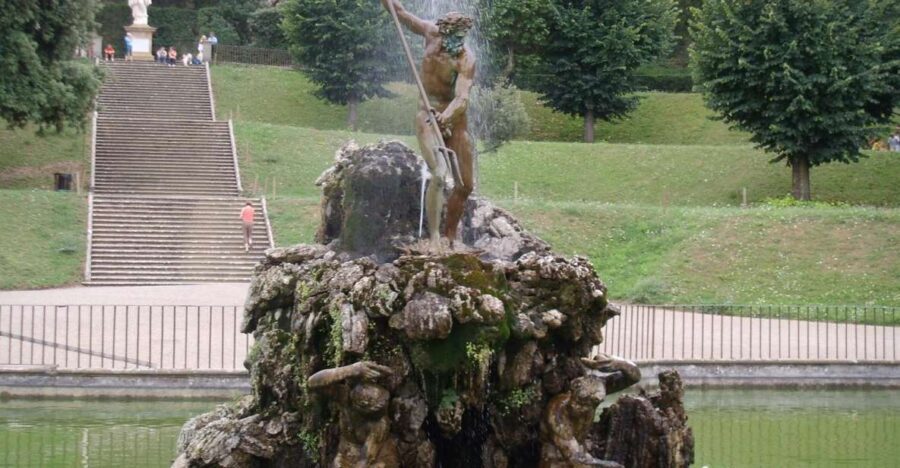
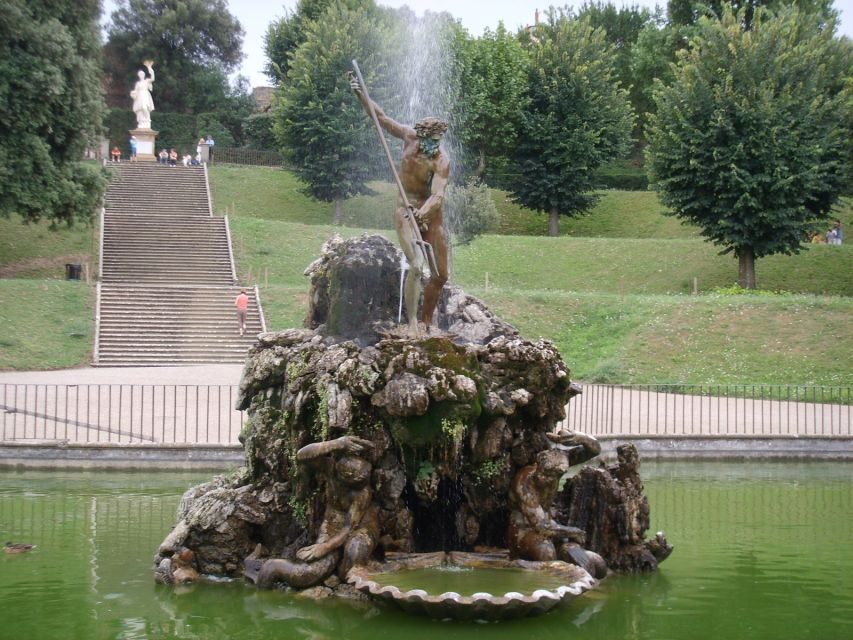
- the Fountain of Neptune
If you want to get the most out of Boboli, pay attention to how the guide ties those water features back into the meaning of the surrounding sculptures and garden sections. Fountains here aren’t just decorative. They help you move from scene to scene in a story.
- Tuscany Day Trip from Florence: Siena, San Gimignano, Pisa and Lunch at a Winery
★ 5.0 · 21,634 reviews - The Best tour in Florence: Renaissance & Medici Tales – guided by a STORYTELLER
★ 5.0 · 12,316 reviews



A short route through a huge art timeline
One reason this tour feels different from a basic garden walk is the time span it references. The garden uses works and interpretations across periods—from ancient Roman ideas to later artistic treatments. So while you’re physically in one hillside park, the guide is effectively moving you through centuries.
That’s also why it can be so satisfying for different types of travelers:
- If you love art and symbolism, you’ll enjoy connecting images to stories.
- If you just like pretty places, the fountain-and-terrace structure keeps your attention.
- If you’re traveling with kids, myths make the walking feel like a game with answers hidden in plain sight.
I’d treat the “multi-period” approach as a feature, not a complication. You don’t need to memorize everything. The point is to understand the garden’s logic: why a statue exists here, why a fountain belongs in that spot, and why the route flows the way it does.
The Secret Garden and Tunnel of Love: romance with context
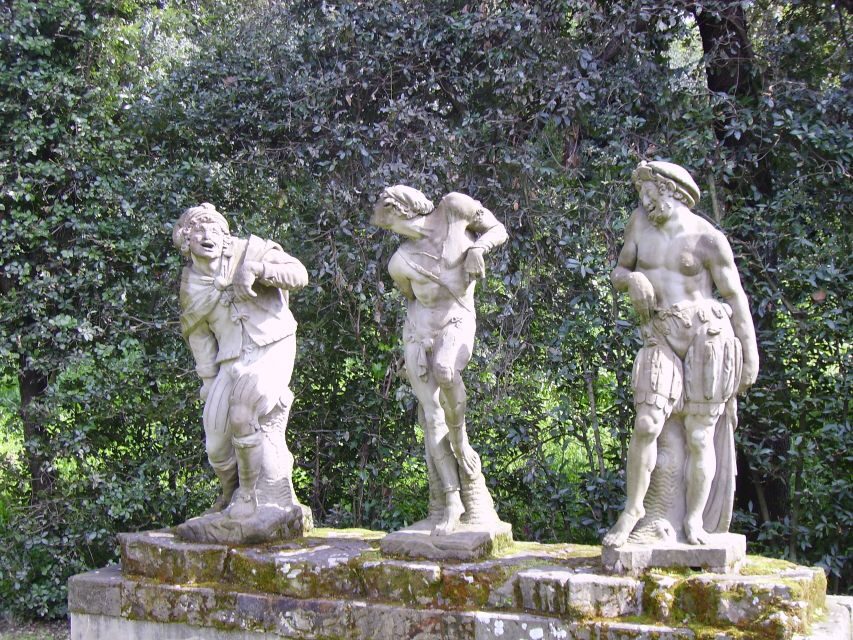
Boboli has spaces that feel like they should come with a film script. Two of the most playful stops are the Secret Garden and the Tunnel of Love.
Here’s the practical angle: these areas can make the tour feel less like “a lecture outside” and more like discovery. You’ll likely slow down naturally because hidden garden spots ask you to look at angles—how light shifts, how the greenery frames views, and how the path pulls you forward.
But the deeper value is that these spaces aren’t only aesthetic. In gardens built for the Medici, even the most romantic-feeling features can carry messages. You’ll hear stories and associations that turn the tunnel or secluded section into a meaningful scene, not just a photo backdrop.
If you’re the type who likes both atmosphere and explanation, these two stops tend to deliver.
Terraces and fountains: how the pacing works over 1.5 hours
You’re on the tour for about 1.5 hours, and that matters for expectations. Boboli is large. Several kilometers of terrain can sound intimidating until you realize this format focuses on key areas, then moves you toward the best payoff: the panoramic views.
The guide pacing also matters when you’re in a garden:
- you can’t rush your eyes past statues and water features
- you need time to understand what’s relevant in each section
- you’ll want a moment at viewpoints to take in Florence
The fountain and terrace sequence is designed to keep the experience varied. One minute you’re surrounded by sculpture and coded symbolism; the next you’re in a more open section with air, space, and a view building in the distance.
Weather is another reason to stay flexible. Even with less-than-ideal conditions, guides still make the walk enjoyable and structured. Just dress for outdoors, not for the office.
The Florence panorama: the payoff at the top
Every good garden tour needs a reason to walk uphill besides exercise. Boboli gives you that reason with a top-level section where you can admire a spectacular panoramic view of Florence.
This part of the tour is also a mental reset. After the symbolic sculptures and fountain stories, the city view reminds you why the Medici cared about shaping this landscape. From that viewpoint, you see how the garden fits into the bigger picture—Florence as a center of power, art, and influence.
If your camera roll is mostly cathedral selfies, this is a nice change. You’ll get a different kind of Florence: one framed by terraces, greenery, and classical design.
Price and value: is $93 worth it?
At $93 per person for a 1.5-hour guided walking experience, the value hinges on two things you can measure quickly:
1) whether you’ll enjoy the story behind the garden
2) whether you’d otherwise be able to interpret what you see
This tour includes entrance fees with skip-the-line tickets, plus an official local guide. It’s also intentionally focused: you’re not paying for a palace museum ticket, so if your main goal is the art inside Pitti Palace, you’ll need a separate plan. But for many visitors, the garden setting is the main event—and a guide is what turns the garden from pretty scenery into a map of meaning.
In other words: if you like gardens but also want the “why,” this is a strong match. If you only want casual photos and don’t want to listen, you might prefer a self-guided stroll.
Who this Boboli tour suits best
This is a good fit if any of these describe you:
- you want a short, high-impact tour in Florence rather than a full-day itinerary
- you enjoy myths and art symbolism, or you at least like explanations that make art make sense
- you’re traveling with kids, nature lovers, or people who want romance without losing substance
It’s also friendly for travelers who care about experience ethics: the tour is described as green and eco-friendly, which aligns well with the fact that you’re spending most of your time outdoors rather than in a vehicle.
If you’re a very picky hobby gardener, you might have expectations about maintenance and care. The good news is that the route and interpretation still tend to deliver. Just don’t walk in thinking you’ll be reviewing horticultural standards like a judge.
Practical tips so you enjoy every minute
A few small things can make a big difference here:
- Wear comfortable shoes. You’ll be on walking paths and garden terrain.
- Bring an ID or passport since it’s listed as required.
- Leave large bags and luggage behind. They aren’t allowed, and you don’t want to deal with holding things while your group moves.
- Pets and smoking are not allowed.
Language is also straightforward: the tour runs in English and Italian, and you’ll have a live guide.
If you’re planning the rest of your Florence day, remember the tour doesn’t include museum entry inside Pitti Palace. You can pair it with nearby sights, but plan the palace galleries separately if they matter to you.
Should you book this Florence Boboli and Medici Gardens tour?
Book it if you want Boboli to feel understandable, not mysterious in a frustrating way. The garden is built like an illustrated story, and the guided route is what helps you read it: the Hercules and Demeter figures, the Fountain of Artichoke and Fountain of Neptune, plus the more playful stops like the Secret Garden and Tunnel of Love. Add the skip-the-line entry and the panoramic finish, and you get a tight, satisfying Florence experience for your time.
Skip it (or consider a lighter alternative) if your main goal is only photos and you don’t care about myths, symbolism, or the garden’s coded messages. In that case, you might prefer to wander on your own.
If you’re on the fence, pick the version of Florence where you don’t just see beauty—you understand what someone wanted you to notice. That’s where this Boboli tour pays off.
FAQ
How long is the Boboli The Medici Gardens & Hidden Messages tour?
The duration is listed as 1.5 hours.
Where is the meeting point?
The meeting point is the main entrance to Pitti Palace.
Is skip-the-line entry included?
Yes. Entrance fees with skip-the-line tickets are included.
What is included in the tour?
Included items are entrance fees (with skip-the-line tickets), an official local guide, and the walking tour.
Are tickets to the Palatine Gallery or other Pitti Palace museums included?
No. Tickets to the Palatine Gallery or any other museum inside Pitti Palace are not included.
What languages are available for the live guide?
The tour is available in English and Italian.
What should I bring?
Bring a passport or ID card and wear comfortable shoes.
Are pets allowed?
No, pets are not allowed.
Is smoking allowed?
No, smoking is not allowed.
Is there free cancellation?
Yes. Free cancellation is available up to 24 hours in advance for a full refund.


More Tour Reviews in Florence
- Tuscany Day Trip from Florence: Siena, San Gimignano, Pisa and Lunch at a Winery
★ 5.0 · 21,634 reviews - The Best tour in Florence: Renaissance & Medici Tales – guided by a STORYTELLER
★ 5.0 · 12,316 reviews