REVIEW · FLORENCE
Italian Homemade Pasta Lesson In Florence
Book on Viator →Operated by Doing business as: In Tavola · Bookable on Viator
Fresh pasta lessons beat most museum days. This is a hands-on Tuscan cooking class where an Italian chef walks you through fresh pasta making step by step, and you leave with recipes you can actually use later. My kind of win here: a small group keeps the teaching personal, and the pace stays friendly. One drawback to plan around: it is tightly focused on cooking and eating, so it is not a sightseeing tour.
You’ll cook in a fully equipped kitchen with professional appliances, then sit down for lunch in a wine cellar. Lessons run in English (and also Spanish and Italian), and the class cap is small, with a maximum of 15 travelers. If you’re worried about your cooking skills, the good news is that chefs like Giacomo are reported to be patient and able to adapt to different abilities.
In This Review
- Key Things I’d Pay Attention To
- Meeting at InTavola: Where the Cooking Day Starts
- What You’ll Cook: Fresh Pasta, Sauces, and Panna Cotta
- Inside the Kitchen: Professional Appliances and Real Chef Direction
- The Lunch in the Wine Cellar: Eating What You Made
- Price and Value: Is $90.31 Worth It?
- Language Options and How to Make Them Work for You
- Who This Florence Pasta Lesson Fits Best
- Dietary Needs: Tell Them Early, Then Relax
- Tips to Get the Most From Your 3 Hours
- Should You Book This Italian Homemade Pasta Lesson in Florence?
- FAQ
- How long is the Italian homemade pasta lesson in Florence?
- Where does the class take place, and where do I meet?
- What languages is the lesson offered in?
- What will I make during the class?
- Is vegetarian or vegan food available?
- What’s included in the price?
Key Things I’d Pay Attention To
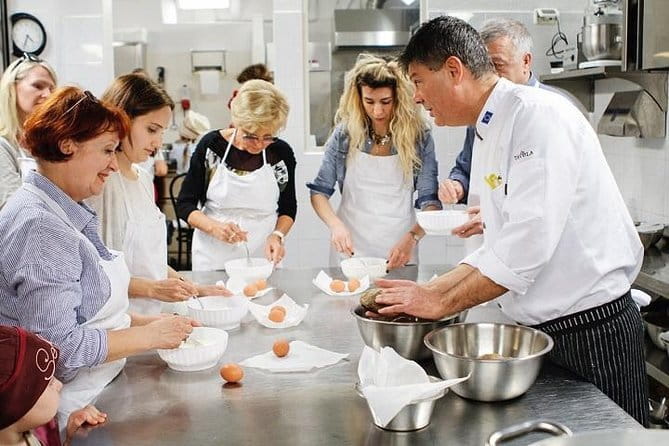
- Small-group format (max 15): less waiting, more time with the chef
- You cook multiple components: two fresh pastas, plus several sauces, plus dessert
- Lunch happens where you cook: your dishes get turned into a wine-cellar meal
- Recipes included: you get a take-home guide for repeating the results
- Dietary options are handled in advance: vegetarian/vegan and other needs can be requested
- Bottled water and Tuscany red wine included: simple, easy pairing without extra planning
Meeting at InTavola: Where the Cooking Day Starts
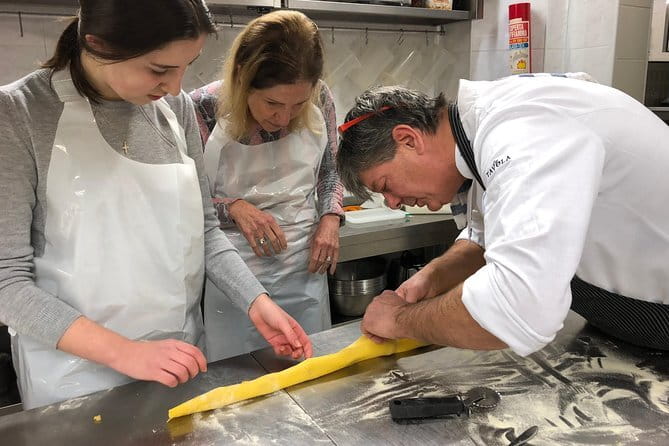
You’ll meet at InTavola, on Via dei Velluti 20R in Florence. The meeting point is the beginning and the end, so you can treat this like a self-contained half-day plan. A mobile ticket is used, so you won’t be scrambling for paper once you’re near the address.
Once you arrive, you’re basically heading straight into the working part of the day. There’s no long preamble or complicated assembly of menus at your table. Instead, expect to be guided into the kitchen workflow right away. That matters in a cooking class because timing is everything: dough rests, sauces need attention, and you don’t want to waste the good hours waiting around.
Also, this class is offered in English (with additional language options available). So if you prefer to follow along closely, you should be able to do that. The key is to show up ready to ask questions as you go, because the whole value of this experience is the back-and-forth with the chef, not watching from the sidelines.
You can also read our reviews of more tours and experiences in Florence.
- Tuscany Day Trip from Florence: Siena, San Gimignano, Pisa and Lunch at a Winery
★ 5.0 · 21,634 reviews


What You’ll Cook: Fresh Pasta, Sauces, and Panna Cotta
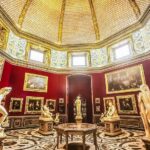
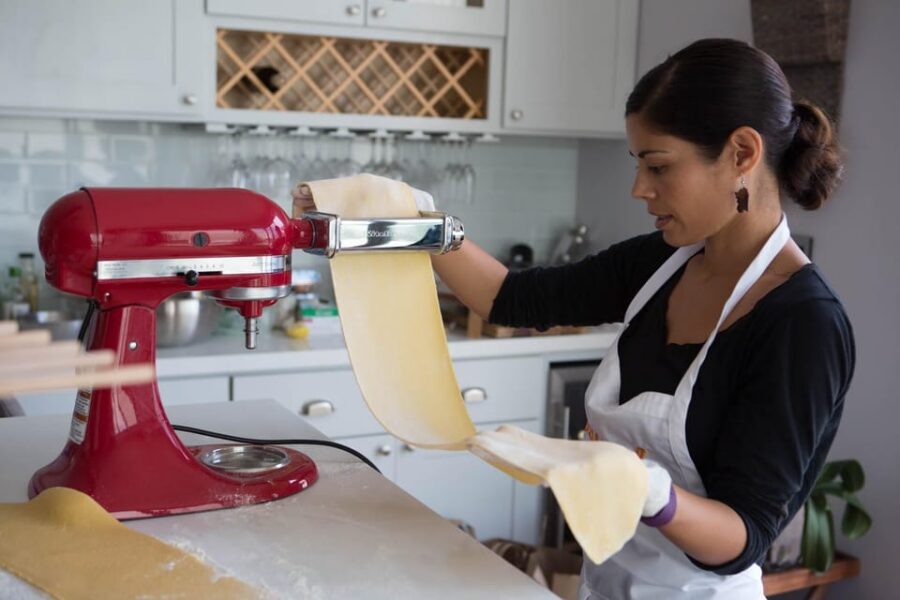
This is built around making fresh pasta from scratch. The course is described as preparing two fresh pasta types, three sauces, and a dessert, and then eating a lunch based on what you made. The menu can change, but you can use the listed options to know what flavor directions you’re likely to run into.
Here are the pasta and sauce possibilities you should expect to see in the class menu:
- Spaghetti chitarra with tomato sauce or papardelle with funghi sauce
- Tortelli with ragù or gnocchi with Mediterranean-style sauce
- Gnocchetti with pesto sauce or spinach ravioli with butter and sage sauce
- Dessert: panna cotta
Two practical notes help you manage expectations:
- You might not make every item listed. The structure says two fresh pastas and three sauces, so you’ll rotate into a selection rather than everything on the menu board.
- Some classes can run even more hands-on than the basic outline. One chef teaching style described in feedback included making multiple pasta types and sauces, so you should come ready for a full workload even if you’re nervous.
The best part is that you learn the logic behind each step. Fresh pasta is not just mixing flour and water. You’re learning consistency, timing, and how the dough behaves. Then sauces stop being mysterious. You see what gets built first, what simmers, and how to finish so it tastes like it belongs with the pasta shape.
And panna cotta is a great capstone because it’s forgiving and different from the labor of pasta. After flour hands and rolling dough, it feels like a breather—without losing the satisfaction of making something truly Italian.
Inside the Kitchen: Professional Appliances and Real Chef Direction
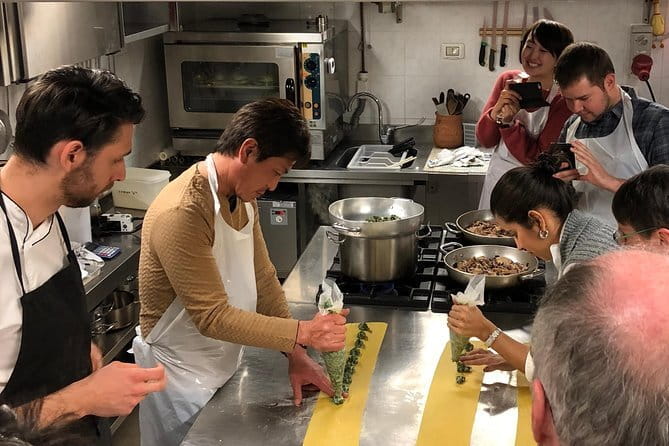
This is a “fully equipped kitchen” setup, not a DIY demo station. That matters more than most people think. Professional appliances mean you can focus on technique: portioning dough, working with consistency, and handling sauce steps without equipment limitations getting in the way.
Because the class is small, you’re not just watching. You’re working. You’ll be guided as you go—how to handle dough, how to shape and portion, and how to coordinate your timing with the rest of the group. When a chef has to teach multiple people at once, the class usually either flies by or slows down. The format here is designed to keep it workable for different skill levels.
Chef Giacomo is specifically mentioned for being patient with varying abilities, and that’s a huge deal if you’re not a confident cook. You get the kind of instruction that doesn’t treat beginners like they’re holding up the line. You’re encouraged to move at a comfortable pace while still keeping production on track.
A simple strategy you can use: ask one question at the exact moment you feel uncertain. If you wait until the end, you lose the chance to fix the step while it’s still fresh.
The Lunch in the Wine Cellar: Eating What You Made
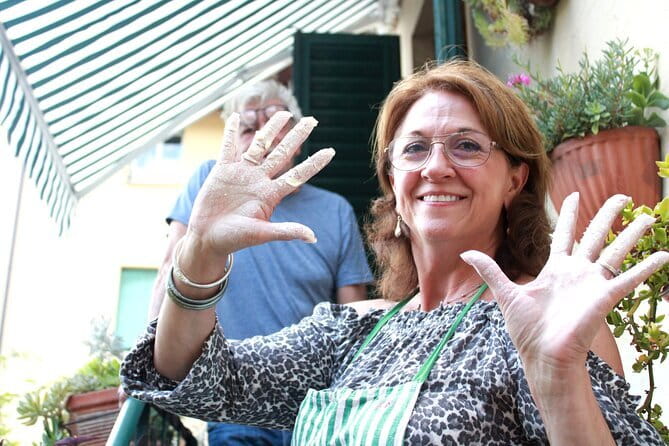
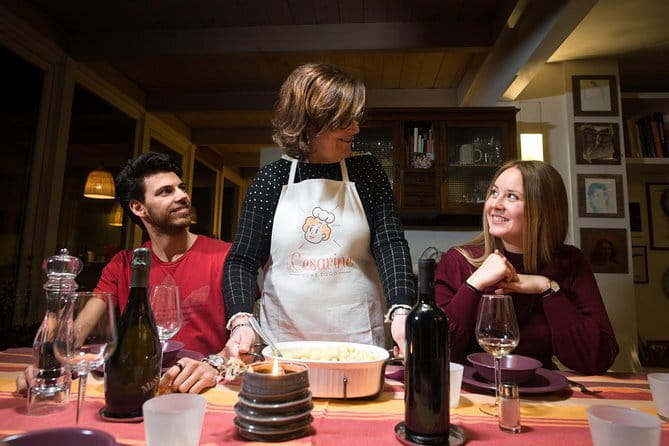
After cooking, you’ll have lunch featuring the dishes you prepared. The lesson includes this meal, and it’s served in a wine cellar. That turns the class from a hands-on workshop into an actual Tuscan experience: you cook, you eat, and you get to judge your own results like a real restaurant cook would.
Two things make the wine-cellar lunch valuable:
- It’s immediate feedback. You taste what you made while the flavors are still fresh in your mind.
- You learn pairing without overthinking it. Tuscany red wine is included, so the experience gives you a ready-to-use template for future meals at home.
You also get bottled water, which is practical—especially if you’re working with flour and then sitting down to eat. And because the lunch is part of the same timed block (about 3 hours total), you don’t have to map out where to go next.
If you like social dining, this is also the easiest time to talk with your chef and classmates. You’ll naturally compare what you chose to learn, how your dough behaved, and which sauce direction you liked best.
Price and Value: Is $90.31 Worth It?
The price is $90.31 per person, and the duration is about 3 hours including lunch. On paper, cooking classes can look pricey, especially compared with cheaper group tours. But with pasta, the value usually comes from four things: ingredients, instruction quality, what you get to eat, and take-home materials.
Here’s the value breakdown that makes the cost make sense:
- Instruction from an expert chef in a small group (max 15), with hands-on guidance
- All ingredients and materials provided, so you’re not paying for supplies separately
- Lunch included, with a meal based on your work
- Bottled water and Tuscany red wine included
- Recipes included, so you can repeat the experience later without guessing
You’re also paying for a kitchen environment that supports learning. Fresh pasta is hard to teach when equipment and workflow are basic. Here, you’re in a “real kitchen,” which makes the instruction more reliable.
And it helps that the class is booked in advance often (on average, about 62 days). That’s a hint that people who want this specific Florence experience tend to plan it early. If your dates are flexible, you may find better times. If they aren’t, booking sooner saves stress.
- Tuscany Day Trip from Florence: Siena, San Gimignano, Pisa and Lunch at a Winery
★ 5.0 · 21,634 reviews - The Best tour in Florence: Renaissance & Medici Tales – guided by a STORYTELLER
★ 5.0 · 12,316 reviews


Language Options and How to Make Them Work for You
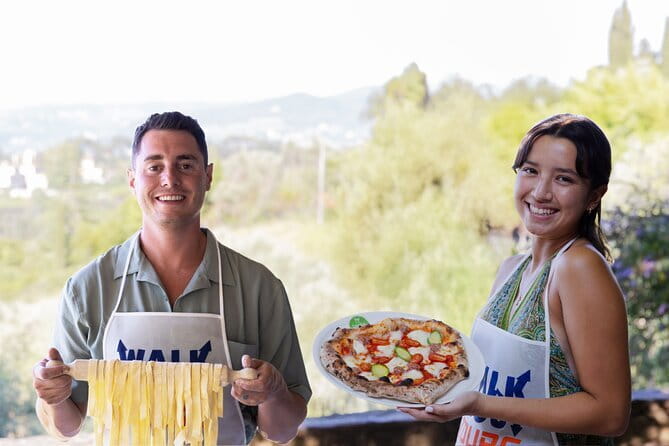
Lessons are offered in English, and the chef teaches in English, Spanish, and Italian. That’s ideal if you’re traveling as a mixed-language group or if you want comfort hearing the explanations in your preferred language.
My practical take: don’t only listen. Use the language option to ask “how” questions. For example, if you notice your dough is slightly off, ask what that means and what adjustment you should make. That’s where multilingual instruction is genuinely useful. You can align your understanding fast and then focus on the physical work.
Also, since the menu can change, language matters more than usual. When the ingredients and sauce plan shift, you still need to understand the technique behind the method. The chef’s language support helps you stay on track.
Who This Florence Pasta Lesson Fits Best
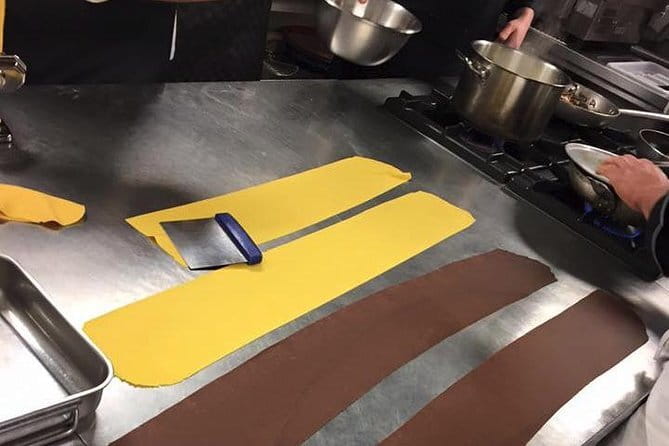
This class is ideal if you love food and want something active in Florence besides walking and looking. It’s also a great fit for people who want a skill they can take home—actual technique, not just a photo.
Here’s who usually benefits most:
- Food lovers who want a Tuscan cooking class and a real meal included
- Beginners who want patient step-by-step help (Chefs are reported to adapt to different abilities)
- Families with older kids since the minimum age is 7 years
- Anyone traveling with friends who enjoys sharing tasks at the same station
You might want to choose something else if your ideal Florence day is mostly sightseeing and you’d rather not spend the time in one kitchen environment. This is a work-focused experience, and that’s the point.
Dietary Needs: Tell Them Early, Then Relax
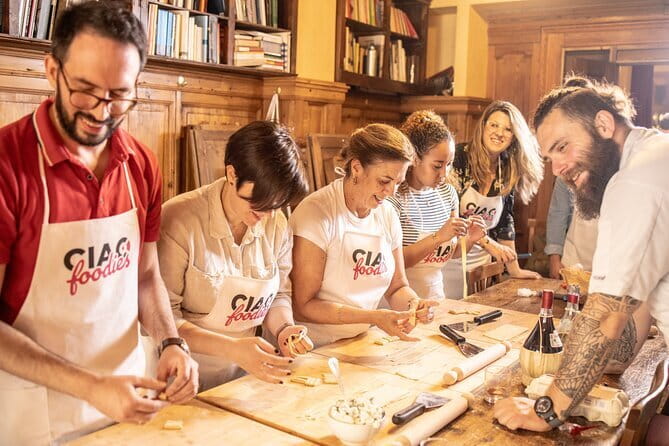
The class specifically asks you to advise dietary requirements at booking, such as gluten-free, dairy-free, no pork, no seafood, and other needs. Vegetarian and vegan options are also available if you request them at the time of booking.
This is one of those details that can make or break your experience. Cooking classes often struggle with late changes, but here the expectation is clear: communicate your needs before you arrive. That gives the provider the best chance to plan ingredients and adjust your menu options.
If you have multiple restrictions, keep it simple and specific when you message them. For example, saying no pork and no seafood is clearer than describing your comfort level with unfamiliar ingredients.
Once you’ve done that, you can relax during class. You’ll still get a full cooking and lunch experience.
Tips to Get the Most From Your 3 Hours
Even though the class provides ingredients and materials, you’ll enjoy it more with a couple small preparations:
- Plan to pay attention during dough work. The time feels short, so watch for the chef’s specific instructions on texture and handling.
- Go hungry. You’ll be cooking first, then eating a full lunch in the wine cellar.
- Ask one question at a time. It keeps you moving and avoids confusion when you’re also shaping dough.
- Treat the recipes as instructions, not souvenirs. Use them later to replay the method, not just the ingredients list.
Also, don’t be surprised if the class feels like a mix of teamwork and coaching. That’s part of the charm: you’re learning and producing at the same time, with an expert supervising.
Should You Book This Italian Homemade Pasta Lesson in Florence?
If you want a memorable Florence experience that gives you something practical, this is a strong choice. The mix of small-group hands-on teaching, fresh pasta technique, and a wine-cellar lunch is exactly the kind of “do it, learn it, eat it” day that travels well in your memories.
I’d book it if:
- you’re excited about learning pasta and sauces you can repeat at home
- you want your lunch included without extra planning
- you appreciate a chef-led class where the pace can adapt
I’d think twice if:
- you prefer a more open-ended day with lots of sightseeing and wandering
- you only want quick, passive tasting and not active cooking
For most food-focused travelers, though, this is a very sensible way to spend a half-day in Florence—one where you end the meal knowing what to do next time you’re making pasta at home.
FAQ
How long is the Italian homemade pasta lesson in Florence?
The experience runs for approximately 3 hours, including the lunch you eat at the end.
Where does the class take place, and where do I meet?
You meet at InTavola, Via dei Velluti 20R, 50125 Firenze FI, Italy. The activity ends back at the meeting point.
What languages is the lesson offered in?
The lesson is offered in English, Spanish, and Italian, with the chef teaching directly in those languages.
What will I make during the class?
You will prepare two fresh pasta types, three sauces, and a dessert. The exact menu items can change, but options include dishes like spaghetti chitarra with tomato sauce, papardelle with funghi sauce, and panna cotta.
Is vegetarian or vegan food available?
Yes. Vegetarian and vegan options are available, and you should request this when booking.
What’s included in the price?
Included are bottled water, Tuscany red wine, lunch, and recipes. Any extra services are not included.
More Tour Reviews in Florence
- Tuscany Day Trip from Florence: Siena, San Gimignano, Pisa and Lunch at a Winery
★ 5.0 · 21,634 reviews - The Best tour in Florence: Renaissance & Medici Tales – guided by a STORYTELLER
★ 5.0 · 12,316 reviews