REVIEW · MONTEPULCIANO
Montepulciano: Pasta-Making Class with Tasting and Wine
Book on GetYourGuide →Operated by Valdichiana Living · Bookable on GetYourGuide
Handmade pici turns Tuscany into something you can do. In a small-group class in Montepulciano, I love how you learn the real technique behind pici (rolled, then rubbed with both hands in a motion locals call appiciare) and then eat what you make while it’s still at peak comfort-food temperature. I also like that this isn’t just theory: you’ll make fresh pasta plus classic Tuscan sauces, then enjoy the meal with a glass of wine.
One possible drawback: there’s no transportation included, and the farmhouse meeting details come after you book, so you’ll want to plan how you’re getting there and back without stress.
In This Review
- Key things to know before you go
- Pici 101 at a Montepulciano farmhouse
- What you’ll make: pici, tagliatelle, and classic Tuscan sauces
- The meal and wine: eating with your hands still in mind
- Meet the hosts: a small-group class with real people
- Timing, group size, and why this price can make sense
- Practical tips so the class feels smooth
- Should you book this Montepulciano pasta-making class?
- FAQ
- How long is the pasta-making class?
- Where does the class meet?
- What is included in the price?
- Is wine included?
- What pasta will I learn to make?
- How large is the group?
- What languages are spoken during the class?
- Is transportation provided?
- What is the cancellation policy?
- Can I reserve now and pay later?
Key things to know before you go
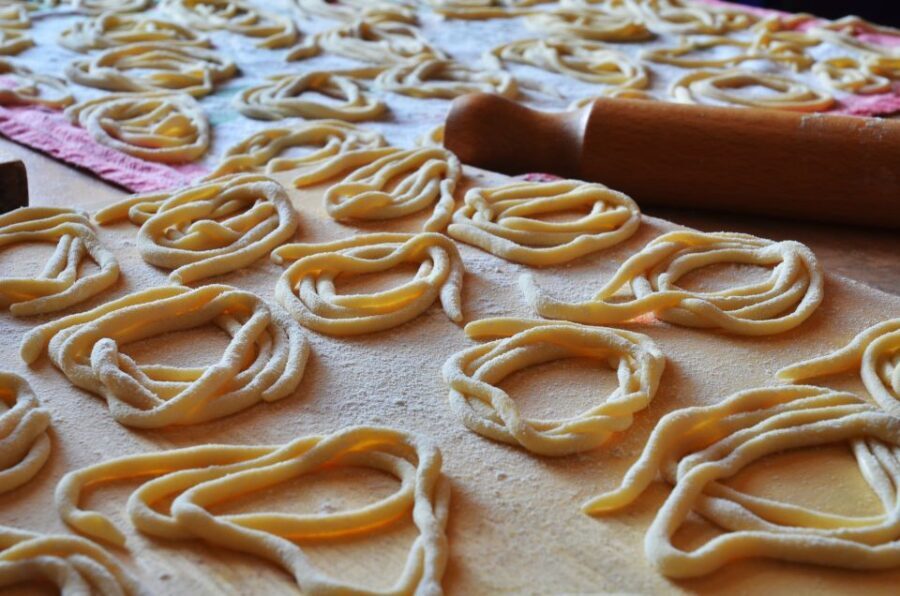
- Hand-rubbed pici technique (appiciare): the signature move that makes pici thicker and distinctly Tuscan.
- You’ll make more than one pasta: pici plus typical fresh pastas like tagliatelle, with sauces such as meat ragù, aglione, or cacio e pepe.
- Wine with the meal: your work ends up on the table, paired with a glass of wine.
- Small group size (10 max): more time with the instructor and less waiting around.
- Farmhouse cooking vibe: the setting is part of the experience, not just a classroom.
- Applies at home: the class is aimed at helping you reproduce these recipes later, not just for tonight.
Pici 101 at a Montepulciano farmhouse
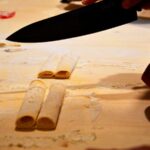
This is the kind of cooking class that makes you pay attention to your hands. Pici isn’t delicate like some pasta shapes. It’s more rustic and forgiving. You start with dough, then roll it into long strands and finish with that all-important appiciare motion, rubbing with both hands to get the right thicker texture.
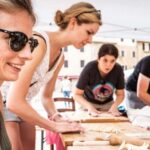
The experience is built for learning in real time. You’re not watching someone else cook while you hold a glass of wine and hope for the best. You’re making pasta alongside an instructor, and because the group is capped at 10 people, you get corrections when you need them. That matters, especially with a style like pici where shape and thickness make or break the result.
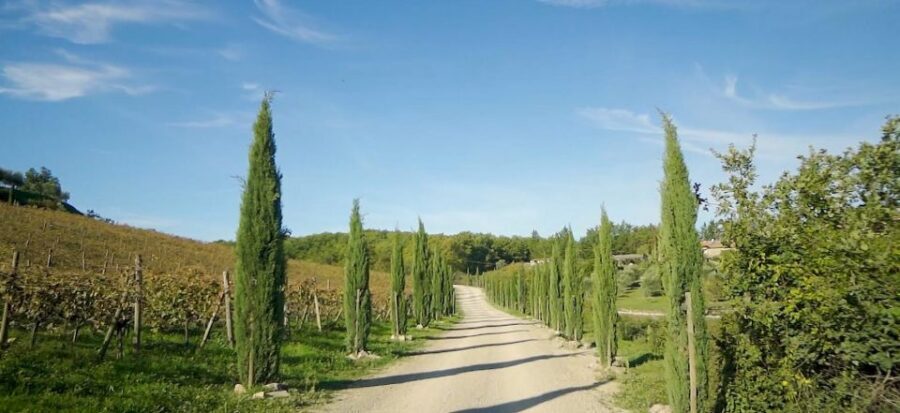
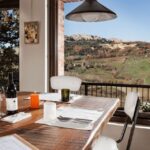
And the setting helps. You’re in the Montepulciano countryside at a farmhouse location. Even when you’re focused on dough, you can feel the shift from tourist pace to everyday Tuscan rhythm. Hosts in this setup often run the class like a family meal: people talk, the kitchen moves, and you’re part of the process.
You can also read our reviews of more food & drink experiences in Montepulciano
What you’ll make: pici, tagliatelle, and classic Tuscan sauces
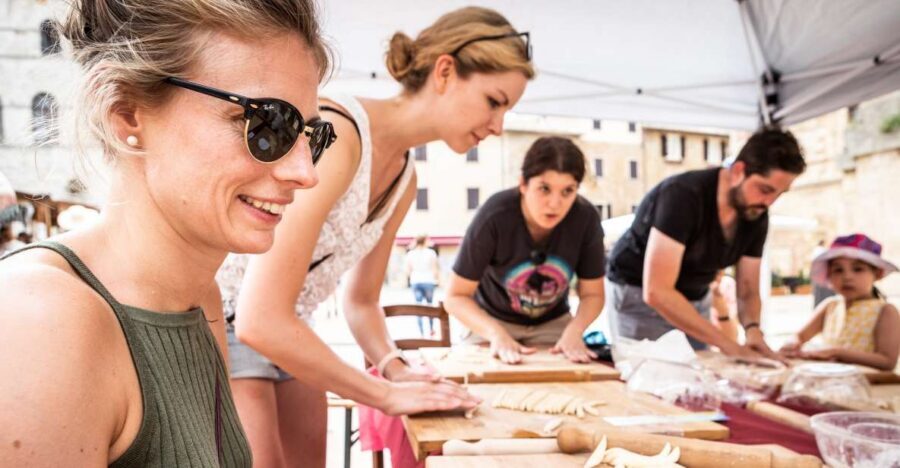
The centerpiece is pici. This dish is tied closely to the Province of Siena, and it’s known as a peasant recipe—simple ingredients, big payoff, and a technique you can actually master without being a trained chef.
You’ll also learn other fresh pasta shapes that pair well with the Tuscan sauce style:
- Tagliatelle (often part of the curriculum)
- And in some sessions, another pasta course like ravioli may show up, depending on how the menu is structured that day
Then comes the part that makes you want to repeat the recipe at home: sauce. You’ll work on seasoning combinations that are classic in central Italy, including:
- Meat ragù
- Aglione sauce (garlic-forward and comforting)
- Cacio e pepe (cheese and pepper, simple but serious)
Here’s what I think is the value: you’re not just learning how to roll dough. You’re learning the logic of Italian flavor pairings—how a sauce clings, how thickness interacts with texture, and why certain ingredients keep showing up on Tuscan tables.
Also, this class is designed to be practical. The way it’s taught is meant to translate back home. If you’ve ever worried that pasta skills only work if you have the perfect Italian ingredients and the perfect Italian kitchen, this kind of instruction helps reduce that gap.
The meal and wine: eating with your hands still in mind
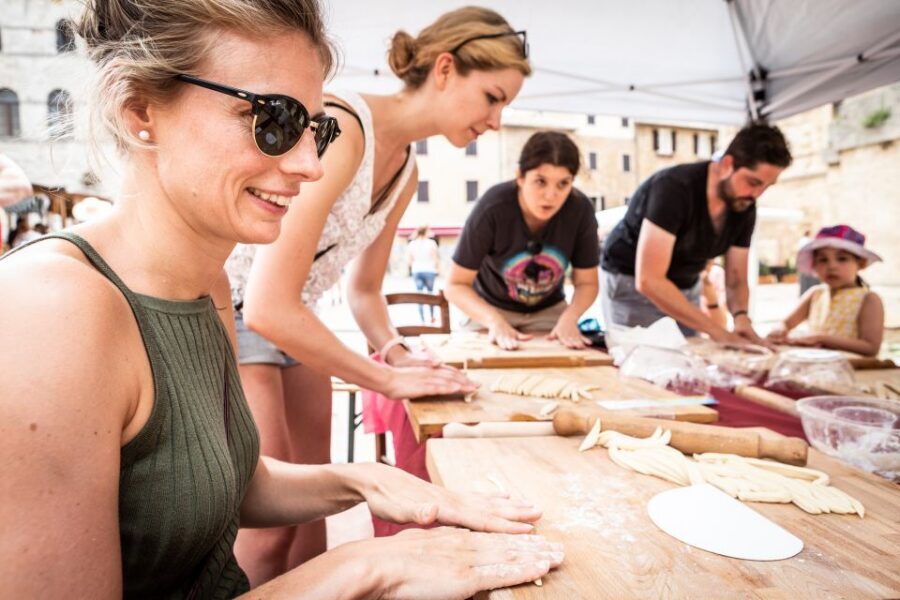
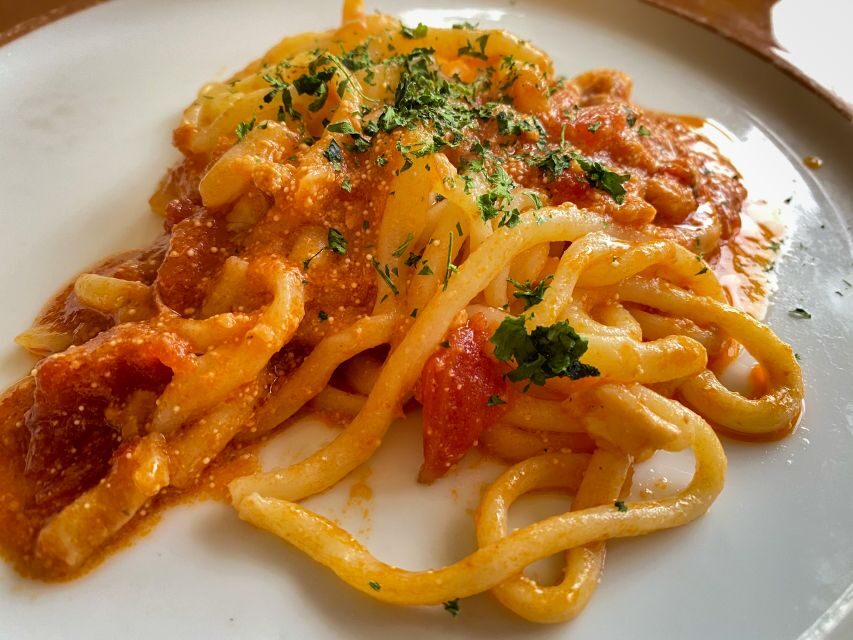
After you form the pasta, you sit down to eat what you made. The class includes lunch or dinner with fresh pasta, which is exactly what you want after three hours of cooking. You’re not sent away to find something nearby or hope you’ll remember how your dough should feel.
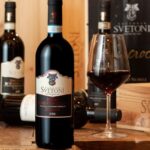
The tasting includes a glass of wine paired with the pasta meal. That pairing isn’t just ceremonial. Wine in Tuscany tends to support the kind of flavors you just learned: savory ragù, garlic intensity in aglione, and the peppery bite that makes cacio e pepe work.
One detail that stands out from how these classes are run: the meal often feels like it has a few small parts leading up to pasta, not just one plate. In some menus, there can be bruschetta and the use of fresh items from the farm setup. In at least one example from this experience, strawberries were picked for a bruschetta component. You might find something similar in your session, especially when the timing lines up with seasonal produce.
And yes, they tend to end with a little personal touch. You may receive an apron as a small present, which is a fun reminder that you didn’t just eat pasta—you made it.
Meet the hosts: a small-group class with real people
The teaching setup is often led by family-run hosts in an English-friendly way. You’ll have a host or greeter who speaks Italian and English, and the classroom tone is usually relaxed. That matters if you’re not confident in the kitchen. You can ask questions without feeling like you’re holding up a production line.
Names you may hear depending on the session include people like Simonetta and Susanna as instructors and assistants, along with hosts such as Maria, Alister, Irena, Carmela, and others like Daniel/Daniela who meet guests at the farmhouse and guide the class.
Even when the exact team varies by date, the pattern stays consistent: someone explains what you’re doing, someone helps you fix mistakes early (while dough is still dough), and you end up eating together in a way that feels personal rather than scripted.
Timing, group size, and why this price can make sense
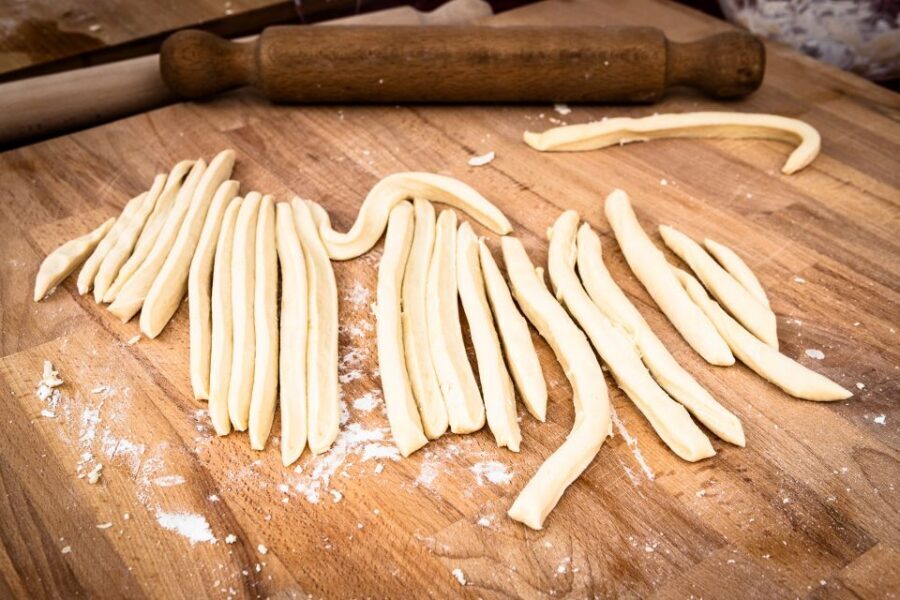
The class lasts 3 hours. Starting times vary, so check availability for the slot that fits your day in Tuscany. With a duration like this, you’re getting enough hands-on time to feel you truly learned the steps, not just sampled them.
The price is listed at $141.61 per person. Is it expensive? It can be, if you’re comparing it to a supermarket cooking demo. But in this case, you’re paying for several things that add up:
- instruction in fresh pasta making (not just tasting)
- a small-group format (max 10 participants)
- a full included meal: lunch or dinner
- pasta you can’t really buy ready-to-eat in the same form
Also, the “value” is in the skill transfer. If you can recreate pici, tagliatelle, and a sauce like aglione or cacio e pepe later, the class stops being a one-night event and becomes a home-cooking upgrade.
You can also read our reviews of more wine tours in Montepulciano



Practical tips so the class feels smooth
A few things will help you get the most out of your 3 hours.
Plan your transport. Transportation is not included, and you’ll get the farmhouse meeting point details after booking confirmation. If you’re staying in Montepulciano, you’ll likely want to arrange a car, taxi, or another workable option ahead of time.
Go in hungry. You’ll do physical work with dough, then you’ll sit down to a meal. If you arrive already full, you’ll miss the best part: tasting your own pasta at the table.
Expect a real teaching rhythm. With pasta, the timing matters. Dough rests, shapes need attention, sauces need the right texture. If you get distracted on your phone, you’ll feel it when it’s time to shape.
Ask about how to replicate it at home. The format of the class is geared toward learning how to reproduce these Tuscan recipes. If you take notes or ask one or two key questions about sauce consistency and seasoning timing, you’ll be able to repeat the experience later with much better results.
Come ready for a farmhouse setting. You’re not in a hotel kitchen. You’re cooking in a country home environment, which often means the mood is casual and the pace is not rush-rush.
Should you book this Montepulciano pasta-making class?
Book it if you want hands-on Tuscany. This class is built for people who like learning practical food skills and then eating the results with wine.
Skip it if you hate cooking, or if you’re the kind of traveler who wants a big “tour” component like sightseeing stops and guided walks. This is about the table, the dough, and the technique.
If you’re staying in or near Montepulciano and you can handle getting to a farmhouse meeting point on your own, I think this is a strong value-for-money choice. You’re paying for instruction plus a full meal, in a small group, centered on a pasta you can’t fully experience any other way.
FAQ
How long is the pasta-making class?
The class lasts 3 hours.
Where does the class meet?
The farmhouse location is communicated after booking confirmation.
What is included in the price?
The price includes a fresh pasta class and lunch or dinner with fresh pasta.
Is wine included?
You’ll enjoy the meal with a glass of wine.
What pasta will I learn to make?
You’ll learn how to prepare pici, and you’ll also make typical Tuscan fresh pasta like tagliatelle. Sauces include options such as meat ragù, aglione, and cacio e pepe.
How large is the group?
The experience is limited to a small group of up to 10 participants.
What languages are spoken during the class?
The host or greeter speaks Italian and English.
Is transportation provided?
No. Transportation service is not included.
What is the cancellation policy?
You can cancel up to 24 hours in advance for a full refund.
Can I reserve now and pay later?
Yes. You can reserve your spot and pay nothing today.