REVIEW · MONTEPULCIANO
Montepulciano: Historical Cellars Guided Tour & Wine Tasting
Book on GetYourGuide →Operated by Valdichiana Living · Bookable on GetYourGuide
Montepulciano’s wine story lives underground. This guided tour starts in the historic heart of town and takes you into two underground cellars cut through brick-vault tunnels, where giant oak barrels store the wines for a long rest. You’ll also get a walk through the Piazza Grande area, so you’re not just sampling wine—you’re learning why Montepulciano’s people cared so much about it for centuries.
I love two things most: the two-cellar guided walk (you can actually see how the cellar world works), and the chance to taste both Vino Nobile di Montepulciano DOCG and Rosso di Montepulciano DOC back-to-back with an explanation of what you’re tasting. It’s structured, but not stiff.
One possible drawback: the experience isn’t suitable for pregnant women, and the cellar portion is underground with tunnels and brick vaults. If you’re uneasy in enclosed spaces or you want something totally airy and open, plan accordingly.
In This Review
- Key Highlights to Know Before You Go
- Piazza Grande Start: How You Get Oriented in Montepulciano
- Historic Center Walk: The Value of Context (Not Just Photos)
- Two Underground Cellars in the Center: What You’ll See Down There
- The Brick-Vault Tunnel Experience: Pace, Temperature, and Comfort
- Tastings That Actually Teach Something
- Vino Nobile di Montepulciano DOCG: The “Main Character”
- Rosso di Montepulciano DOC: The Everyday Expression
- Where Valentina and Other Guides Shine (and Why That Matters)
- Tour Length and Logistics: 2.5 Hours That Won’t Eat Your Day
- Price and Value: What $77 Buys You Here
- Who Should Book This Montepulciano Cellars Tour
- Should You Book It?
- FAQ
- Where is the meeting point?
- How long is the tour?
- What wines are included in the tasting?
- Is transfer included?
- What languages are the tours offered in?
- Is the tour suitable for pregnant women?
- Can I cancel for a refund?
- Can I reserve and pay later?
Key Highlights to Know Before You Go
- Piazza Grande meeting point and a historic center walk that gives context fast
- Two underground cellars with tunnels and brick-vault architecture
- Giant oak barrels where the wines “rest” before bottling
- Tastings of Rosso di Montepulciano DOC and Vino Nobile di Montepulciano DOCG
- In at least one booking, guide Valentina stood out for friendly, practical town and wine guidance
- English and Italian live guiding, so you’re not stuck decoding everything on your own
Piazza Grande Start: How You Get Oriented in Montepulciano
Most wine tours in Tuscany try to cover too much. This one stays focused. You meet at the tourist office in Piazza Grande, and from there you begin with a short stroll through Montepulciano’s historic center. That matters more than it sounds.
Montalcino, Siena, Florence—those names are easy. Montepulciano’s texture is different. The buildings, the street angles, the way the town sits in its own rhythm—those details help you understand why wine culture here is tied to daily life, not just a postcard view. You’re walking while your guide connects the dots: town history, the long-standing role of wine, and why the cellars in the center of town are such a big deal.
If you’re the type who hates waiting around for a “lecture later,” this start works. You get context immediately, and you move into the cellar portion still curious rather than mentally checked out.
You can also read our reviews of more food & drink experiences in Montepulciano
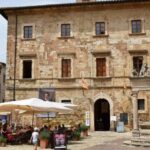

Historic Center Walk: The Value of Context (Not Just Photos)
The walk through the historic center isn’t only for scenery. It’s your setup for what you’re about to see below street level.
You’ll hear how Montepulciano’s identity and the production of Vino Nobile grew side by side over a long time. In the best tours, the guide doesn’t treat wine as a science project. They treat it as a local habit—something people built infrastructure for and kept passing down. Reviews also point to this kind of human pacing: guides were described as personal and strong on the history side, not just the tasting side.
There’s also a practical payoff. After the tour, you’ll have an easier time choosing what to do next in town because you’ll know where you are and why certain areas matter. In one booking, the guide even shared recommendations for lunch locally—exactly the kind of helpful extra that makes a tour feel useful, not just entertaining.
Two Underground Cellars in the Center: What You’ll See Down There
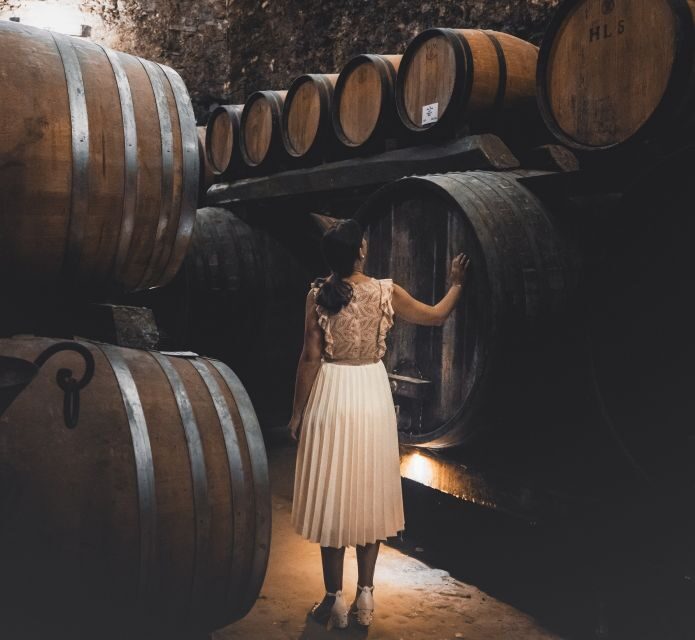
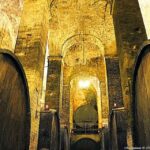
Now for the main event: two underground cellars, guided in sequence. You’ll step into tunnels dug into brick vaults, and you’ll notice the architecture right away. Brick vaults aren’t just “old”—they’re functional. They help create stable conditions, and they reflect how serious winemaking was long before modern climate control.
In the cellars, you’ll spot the giant oak barrels where the wines rest. That detail hits in a very real way. Seeing large barrels in the dim, cool interior makes wine storage stop being an abstract idea. It’s one of those moments where you immediately understand the logic behind “aging” and “resting,” because your eyes are standing in the same environment that the wine is going through.
Expect the tour to feel hands-on in the sense that you’re physically inside the place the wine world depends on. You’re not watching a slideshow about cellars; you’re walking past them, hearing what they’re used for, and connecting that to what you’ll taste afterward.
The Brick-Vault Tunnel Experience: Pace, Temperature, and Comfort
Underground cellars are not the same as outdoor Tuscan streets. They’re quieter, darker, and often cooler. You might find yourself slowing down a bit because you’re paying attention to the space around you—tunnels, vaults, and the cellar layout.
This is also where you’ll feel the importance of pacing. Several reviews highlighted that the tour pace felt right—casual but not rushed. That’s a good sign for anyone who doesn’t want to be dragged through a checklist.
One more comfort note: while the exact physical layout isn’t described in detail here, you are told it involves underground tunnels and cellars. So if you have mobility issues or you’re sensitive to enclosed spaces, think about whether this format fits you. And if you’re pregnant, the tour is not suitable.
Tastings That Actually Teach Something
The tour ends with a tasting that includes:
- Rosso di Montepulciano DOC
- Vino Nobile di Montepulciano DOCG
What I like about this tasting setup is that it’s not random sipping. The guide explains the wines’ basic characteristics, which gives you a framework for tasting rather than a blindfold approach.
You can also read our reviews of more guided tours in Montepulciano


Vino Nobile di Montepulciano DOCG: The “Main Character”
Vino Nobile is Montepulciano’s headline style. Even if you don’t know the rules, you’ll likely feel the difference when you taste it after learning what it does in the cellar—especially with the oak barrels that store and support that resting period.
Because this tour specifically pairs it with Rosso, it’s easier to compare. You can pay attention to things like structure, balance, and the overall personality of the wine—without needing a sommelier class.
Rosso di Montepulciano DOC: The Everyday Expression
Rosso di Montepulciano DOC is the other half of the lesson. It’s typically the more approachable “companion” wine style in many tastings, and the guide’s explanation helps you place it in the Montepulciano story.
Tasting both on the same tour is smart because it gives you contrast. If you only tasted one wine, you’d come home with an opinion. With two, you can build a preference and a more informed shopping plan.
Where Valentina and Other Guides Shine (and Why That Matters)
Good guides don’t just recite facts—they make you feel like the place makes sense.
In one review, guide Valentina was praised for being friendly and knowledgeable about the township and wine region, and for offering useful local recommendations afterward. Other feedback emphasized guides as personal and full of history, with explanations that were easy to follow in both English and Italian.
That bilingual aspect is more than a convenience. When the guide can clearly explain in your language, you’ll catch the details that make wine tours click: how the cellar supports aging, how the town’s traditions shaped production, and what distinguishes DOC from DOCG in real terms.
If you’re the type who asks questions, you’ll likely enjoy the format. One review mentioned lots of Q&A-style detail, which is a strong sign that the guide isn’t just talking at people.
Tour Length and Logistics: 2.5 Hours That Won’t Eat Your Day
The duration is 2.5 hours, which is a sweet spot for a wine stop in Tuscany. Long enough to walk through town, see two cellars, and taste two wines. Short enough that you’re not losing half a day to transportation and waiting.
The meeting point is the tourist office in Piazza Grande, and there’s no transfer included. So you’ll want to already be in/near the center of Montepulciano when you go. If you’re staying farther out, give yourself extra time to reach the meeting point without stress.
Also, timing matters. The tour says starting times depend on availability, so if you’re juggling a packed itinerary, check slots early and pick the one that keeps you near the center.
Price and Value: What $77 Buys You Here
At $77 per person, this tour isn’t a bargain-bin tasting. But it also isn’t trying to be a full-day “wine vacation.”
Here’s what you actually get for your money:
- A guided walk through the historic center
- A guided visit to two underground cellars
- A guided tasting of two Montepulciano wines (DOC and DOCG)
That combination is where the value lives. You’re paying for access (underground cellar entry in the center), guidance (so the tasting means something), and structure (so you don’t have to figure it out yourself). If you’ve ever done a casual tasting where you pay for wine but not much explanation, you’ll understand why this format can feel more worth it.
Is it right for everyone? Not if you already know the wines and only want to drink. But if you’re new to Montepulciano, or you want a guided way to understand the difference between these labels, the price feels more justified.
Who Should Book This Montepulciano Cellars Tour
This is a strong fit if you:
- Want a focused wine experience instead of a big circuit
- Like history that connects to what you’re actually seeing
- Want a guided tasting of two relevant local wines
- Enjoy small-group energy (one booking was described as about 8 people, which tends to make interaction easier)
It might not be your best choice if you:
- Need something fully accessible and open-air
- Prefer self-guided tastings with no explanation
- Are pregnant (this one isn’t suitable)
Should You Book It?
If you want wine tasting with real context, I’d book this. The underground cellars and the two-wine tasting format do the heavy lifting: you see where the wines rest, then taste the result with an explanation that helps you understand the difference. For the time and money, it’s the kind of tour that leaves you with both a story and a palate memory—not just a few sips.
FAQ
Where is the meeting point?
You meet at the tourist office in Piazza Grande.
How long is the tour?
The tour lasts about 2.5 hours.
What wines are included in the tasting?
You’ll taste Rosso di Montepulciano DOC and Vino Nobile di Montepulciano DOCG.
Is transfer included?
No. Transfer is not included.
What languages are the tours offered in?
The tour guide provides live guiding in English and Italian.
Is the tour suitable for pregnant women?
No. It is listed as not suitable for pregnant women.
Can I cancel for a refund?
Yes. Free cancellation is available up to 24 hours in advance for a full refund.
Can I reserve and pay later?
Yes. You can reserve now and pay later, keeping your travel plans flexible.