REVIEW · BOLOGNA
Cesarine: Small group Pasta and Tiramisu class in Bologna
Book on Viator →Operated by Cesarine: Cooking Class · Bookable on Viator
Bologna has a sweet spot for food lovers. This small-group Cesarine class puts you in a local cook’s home to make fresh pasta and tiramisu, with hosts such as Maurizio and Federica welcoming you like family. You start with Prosecco and nibbles, then get hands-on guidance while you work.
I really like the fact that the focus is on technique you can repeat, not just watching. You also get that home-kitchen vibe where conversation, laughter, and real Bologna know-how show up at the same time. One thing to consider: even though the class is offered in English, a host may rely on translation support in some cases.
In This Review
- Key points to know before you go
- Pasta and tiramisù in a real Bologna home kitchen
- The 3-hour rhythm: welcome drinks, pasta work, then dessert
- What you cook: two fresh pastas, plus tiramisù
- The Cesarine hospitality that changes the whole mood
- Group size, pacing, and what skill level fits
- Price value in Bologna terms: what you’re really paying for
- Where to meet and how to plan your timing
- Dietary needs, equipment, and the sanitary rules in the home
- The best fit: who should book this class
- Should you book Cesarine pasta and tiramisù in Bologna?
- FAQ
- How long is the Cesarine pasta and tiramisù class in Bologna?
- Where does the class start and end?
- Is the class offered in English?
- How many people are in the group?
- What will I make during the class?
- Are drinks included?
- Can the hosts accommodate dietary restrictions?
- What sanitary steps are followed in the home?
- What’s the cancellation policy?
Key points to know before you go
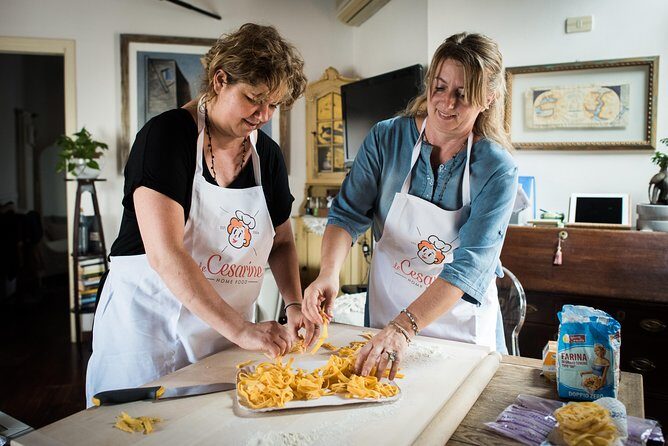
- A true home setting: the class happens in a carefully selected local residence, not a classroom.
- Prosecco welcome: you kick off with drinks and nibbles before you roll dough.
- Two pasta dishes plus tiramisù: the menu is built around learning and then eating what you make.
- Small group size: maximum 12 travelers, and many sessions feel even more intimate.
- Technique + tips you can reuse: you leave with clear guidance to make it at home.
- Sanitary rules are taken seriously: the homes provide supplies and ask guests to keep distance and mask if needed.
Pasta and tiramisù in a real Bologna home kitchen
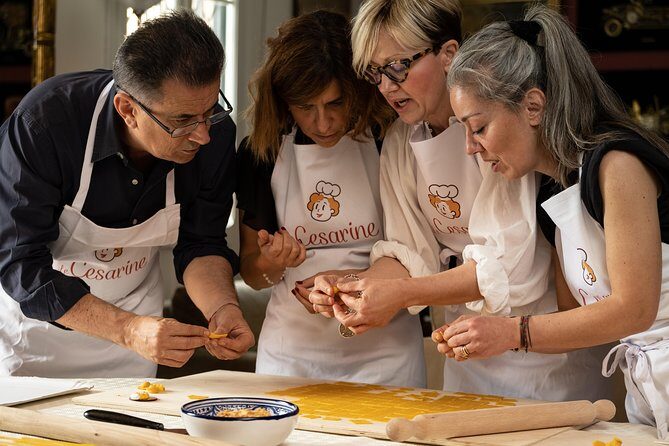
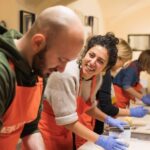
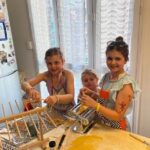
This is the kind of class that makes Bologna feel personal fast. Instead of a demo followed by a quick bite, you’re working right where Italians actually cook: at a kitchen table, on real counters, with a host who wants you to get it right.
What makes it stand out is the combination of hands-on cooking and the home “host + family” atmosphere. I love that the welcome is warm and practical, not formal. You’ll often hear stories, get cooking context, and learn how your host thinks about ingredients and timing while you’re doing the work.
If you’re hoping to leave with more than recipes, this has that extra layer. Many hosts share background, small tricks for handling dough and shaping pasta, and ways to avoid common mistakes. It turns into a mini lesson in Bologna eating—one dish at a time.
You can also read our reviews of more tours and experiences in Bologna
The 3-hour rhythm: welcome drinks, pasta work, then dessert
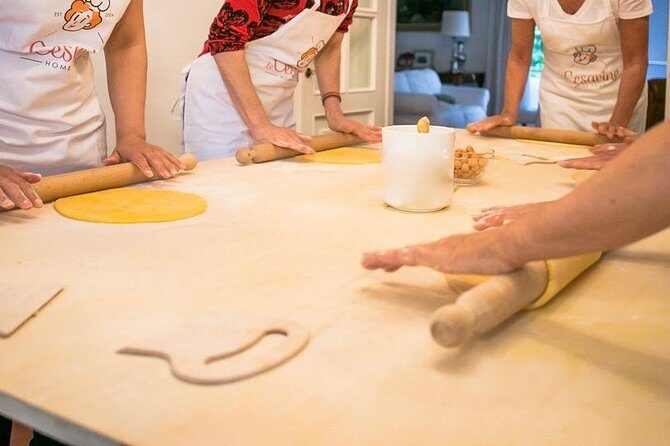
The class runs about 3 hours, with the experience ending back at the starting point. The timing is built around flow: you get settled first, then you cook while your host keeps an eye on technique.
You begin with Prosecco and nibbles to break the ice. This matters more than you might think, because it gets you comfortable before flour gets everywhere. It also sets the tone: relaxed, social, and not rushed.
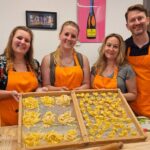
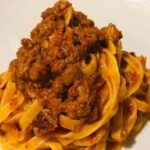
Then comes the core work. You’ll prepare two pasta dishes and tiramisu with guidance from your host. In many sessions, you’ll also see extra food on the table first—starter-style bites, and in some cases components like a ragu or other accompaniments—so you’re not starting from zero.
By the end, you eat what you made. That sounds obvious, but in cooking classes it can’t always be counted on. Here, the meal is part of the experience, and the hosts tend to make sure you end up full and satisfied, not just “taste-testing” your efforts.
What you cook: two fresh pastas, plus tiramisù
The menu centers on a classic duo: pasta (main) and tiramisu (dessert). You should expect that the pasta you make will be freshly prepared, from scratch, with real attention to how the dough behaves.
In practice, you’ll likely learn more than one pasta shape or style during the session, since the class is designed around two pasta dishes. That gives you variety and helps you understand how flour, resting, and shaping change depending on what you’re making.
For tiramisù, the key is technique and handling. You’re not just assembling a dessert from a box. Your host’s instructions guide you through how to build it properly, and the final result is meant to be eaten at the table during the class.
One practical tip: go in with an appetite and a willingness to get a little messy. Fresh pasta often means hands-on kneading and shaping, and even confident cooks can learn something new about consistency and timing.
The Cesarine hospitality that changes the whole mood
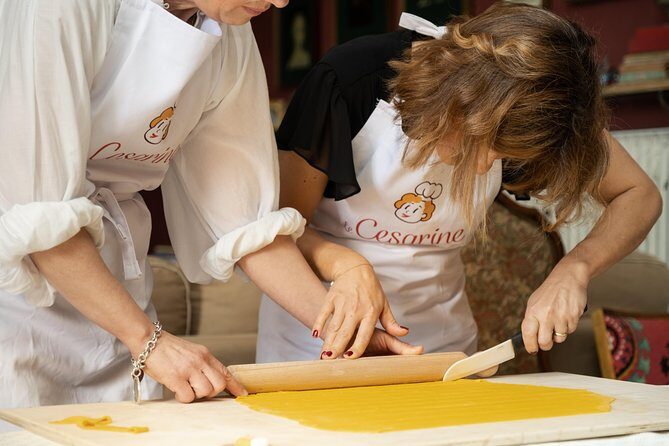
A “home” class can be hit-or-miss if the host is distant. This one is different. The Cesarine hosts are there to teach, yes, but they’re also focused on making you feel welcome in their space.
Many people remember the same things: the warmth, the humor, and the sense that you’re being hosted as a friend of the family rather than handled as a ticket number. Hosts like Maurizio, Federica, Christina, and Roberta are highlighted in examples of recent classes, and the common thread is clear—people leave feeling connected.
That connection shows up during the cooking, too. You’ll get practical feedback on your technique, and hosts often share shortcuts, handling advice, and small equipment tips that help you avoid frustrating missteps. The result is that you spend your time cooking, not guessing.
It can also be a great way to understand Bologna beyond food. Hosts often talk about local life, ingredients, and everyday habits that make Italian cooking feel doable when you’re back home.
Group size, pacing, and what skill level fits
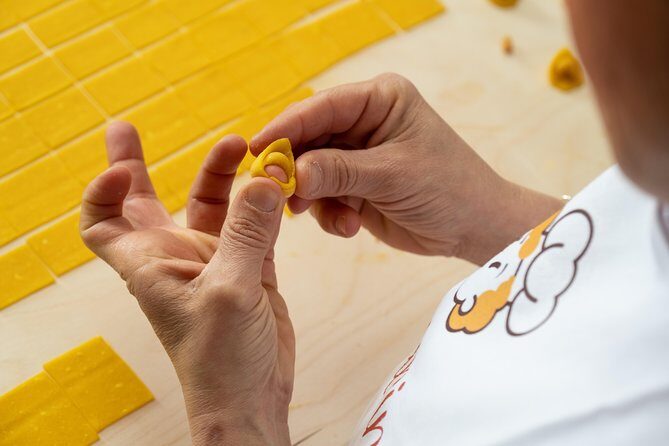
The class caps at 12 travelers, which is big enough to keep the energy lively but small enough for real attention. Many experiences described feel even more intimate, with only a handful of people cooking at once.
Pacing tends to be interactive. Your host walks you through what to do, then watches so you can adjust as you go. That’s one of the biggest reasons this works well: you can ask questions at the exact moment you need them.
Language is offered in English, and confirmations are received at booking. Still, one class example indicates that an interpreter may be used if the host primarily speaks Italian. If you’re strongly language-dependent, treat that as normal in Italy: communication can be flexible, especially in a home setting.
Skill level works for most people. If you’re a beginner, you’ll get step-by-step direction. If you already cook at home, you’ll still pick up better technique—how to get the dough right, how to handle ingredients, and how to execute efficiently without rushing.



Price value in Bologna terms: what you’re really paying for
At $163.33 per person, this isn’t a budget activity. The value comes from what’s included and what you learn.
You’re paying for:
- A small-group format in a private home
- Guided instruction for multiple dishes (two pastas plus tiramisù)
- A start with Prosecco and nibbles, and often additional food and wine during the meal
- All the ingredient work that goes into fresh cooking
- The chance to learn technique that you can bring home, not just eat a plated dish
If you’ve ever booked a cooking class where you do one quick step and then watch, this is the opposite. The hands-on element is central, and that’s why people consistently call it a highlight of their trip.
Also, home cooking has a built-in authenticity that you can’t replicate with a tour bus lunch. You’re in the place where the host normally cooks, which makes the lessons feel grounded and practical.
Where to meet and how to plan your timing
The experience starts in Bologna and ends back at the meeting point. It’s also described as being near public transportation, which is helpful if you want an easy hop in and out without stress.
Because it lasts about three hours, you can plan it as a highlight block near the middle of your Bologna day. If you’re doing sights, you’ll likely want this after a morning walk, or as an early evening plan before dinner elsewhere.
One smart move: don’t schedule it back-to-back with something that requires you to rush. You’ll want time to chat, eat, and let the group finish at a comfortable pace. In these classes, the meal part is usually a big part of why people remember it.
Dietary needs, equipment, and the sanitary rules in the home
This is where you should pay attention, because it’s a home environment with real rules.
Sanitary guidance is part of the experience. The homes provide essential supplies like paper towels and hand sanitizer, and you’re asked to keep a 1 meter distance when possible. If you can’t, you may be asked to wear masks and gloves.
Dietary needs are sometimes handled well. One example includes a vegetarian guest with lactose and other food intolerances, and the host selected suitable products (like lactose-free options) and adjusted the experience. That’s a strong sign of flexibility, but you should still message your needs ahead of time so your host can plan properly.
Also note that footwear rules can apply inside homes. One class example mentioned shoe coverings, so wear shoes you’re comfortable removing or covering if asked.
The best fit: who should book this class
This class is perfect if you want Bologna food with a human face. If you like learning by doing, you’ll get a lot from the technique focus and the hands-on pace.
It’s also great for:
- Couples who want a shared activity that feels personal
- Small groups that don’t want a crowd
- Foodies who care about how dishes are made, not just what they taste like
- Travelers who like conversations and local context along with the cooking
If you want a hands-off souvenir meal with zero mess, this probably won’t be for you. Fresh pasta and dessert assembly take physical participation.
Should you book Cesarine pasta and tiramisù in Bologna?
I’d book it if you’re in Bologna for a few days and want one activity that feels genuinely local. The combination of home hospitality, a small group, and a menu with real payoff (two pastas plus tiramisù) is exactly what makes this type of class worth your time.
Skip it only if you’re worried about language uncertainty. English is offered, but a session may still need an interpreter. Also, if you’re a strict minimalist about time and budget, $163.33 may feel steep for a three-hour activity.
If you go, do yourself a favor: come hungry, ask questions as you cook, and take notes on the steps that matter most to you. You’ll walk away with skills you can use again, and that’s the real souvenir.
FAQ
How long is the Cesarine pasta and tiramisù class in Bologna?
It’s about 3 hours.
Where does the class start and end?
The experience starts in Bologna and ends back at the meeting point.
Is the class offered in English?
Yes, it’s offered in English.
How many people are in the group?
The class has a maximum of 12 travelers.
What will I make during the class?
You’ll prepare two pasta dishes and tiramisu with your host.
Are drinks included?
You’ll start with Prosecco and nibbles. Some classes also include wine during the meal.
Can the hosts accommodate dietary restrictions?
Some hosts can handle needs like vegetarian diets and lactose-free products, but you should share your requirements in advance so the host can plan.
What sanitary steps are followed in the home?
Homes provide supplies like hand sanitizer and paper towels. You’re asked to keep 1 meter distance, and if that isn’t possible you may be asked to wear masks and gloves.
What’s the cancellation policy?
There’s free cancellation. You can cancel up to 24 hours in advance for a full refund. If you cancel less than 24 hours before, the amount paid is not refunded.