REVIEW · COOKING CLASSES
Family Tuscan Cooking Class
Book on Viator →Operated by Podere La Marronaia- Sosta Alle Colonne · Bookable on Viator
Pasta is great here.
I love how this class is built like a real Tuscan day in miniature: you get a family farm intro, then you cook course by course in a rustic kitchen. Hands-on instruction means you’re not stuck watching, and the organic wine and Evo oil tastings add a seriously practical education in flavor. The only real catch is logistics: private transportation is not included, so you’ll want an easy way to reach the meeting point in San Gimignano.
This runs about 3 hours and keeps the group small, with a max of 6 people. That size matters. You get time to ask questions, and you’re not racing through steps.
You’ll start with dessert, then move into multiple bruschetta, and finish with handmade pasta like Pici and Ricotta Gnocchi. When you sit down to eat, you’re tasting what you made, with wine pairings that match each course.
In This Review
- Key takeaways (what you’ll remember)
- A Family Farm Kitchen Near San Gimignano
- Your 3-Hour Cooking Flow: Dessert, Bruschetta, Pasta
- Dessert at the start: Tuscan cake baking
- Bruschetta: multiple types, seasonal focus
- Pasta-making: Pici and Ricotta Gnocchi from scratch
- Bruschetta Spread: Seasonal Vegetables and Olive Oil Skills
- Handmade Pasta: Pici and Ricotta Gnocchi Techniques That Actually Transfer
- Pici: thick, hand-rolled Tuscan style
- Ricotta Gnocchi: soft dough, real technique
- Sauce building: the Tuscan base
- Wine and Evo Oil Pairings You Can Taste, Not Just Sip
- What You Actually Eat: From Starter Table to Dessert
- Price Value: Is $224.76 Worth It?
- Who This Class Fits Best
- Quick Practical Tips Before You Go
- Should You Book This Family Tuscan Cooking Class?
- FAQ
- How long is the Family Tuscan Cooking Class?
- Where is the meeting point in San Gimignano?
- Is the class offered in English?
- What group size is this experience limited to?
- Is transportation included?
- What’s included in the meal?
- What wine and olive oil tastings are included?
- Is a mobile ticket provided?
- What is the cancellation policy?
- FAQ
- Are service animals allowed?
- Is this class suitable for most travelers?
Key takeaways (what you’ll remember)
- Family farm approach: a quick intro to production methods before you cook
- Dessert first: you bake a typical Tuscan cake early, then enjoy it later
- Bruschetta variety: you make several bruschetta using fresh, seasonal vegetables
- Pici + Ricotta Gnocchi: you craft both from scratch, not just one pasta
- Wine and Evo oil pairings: organic and biodynamic wines paired with tastings
- Small group energy: max 6 travelers, offered in English
A Family Farm Kitchen Near San Gimignano
San Gimignano is famous for towers and postcard views, but cooking classes there can still feel touristy. This one feels more like you’re being pulled into a working place instead of just booked into a show.
The experience is based at Podere La Marronaia – Sosta Alle Colonne, and you start right in San Gimignano at Via Martiri di Citerna, 2. From that first moment, the vibe is farm-to-table in a practical way: you get a short introduction to the family farm’s history and production methods, then you get your hands moving.
Two things make this setup especially appealing. First, it’s small (up to 6), so the chef can actually guide you through technique. Second, the food isn’t random. Dessert, bruschetta, and handmade pasta all connect to typical Tuscan flavors: olive oil, seasonal vegetables, and simple pasta foundations.
One more nice touch: the setting is scenic, so you’ll have natural photo moments without having to hunt for them. Just don’t forget you’re here to cook. The best memories usually come from flour on your hands and a plate in front of you.
Your 3-Hour Cooking Flow: Dessert, Bruschetta, Pasta
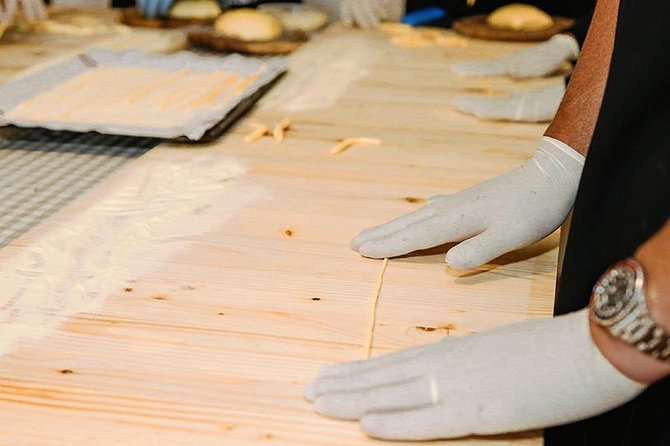
The timeline is tight enough to feel lively, but not so rushed that you miss the point. Plan on about 3 hours, and expect a full meal experience, not a snack.
Here’s the course flow and why it works:
Dessert at the start: Tuscan cake baking
You begin by baking a typical Tuscan cake, then you enjoy it later. Starting with dessert does two smart things. It keeps you from waiting around while the kitchen is preparing everything. It also lets the whole room smell like baking while you build the savory courses.
Bruschetta: multiple types, seasonal focus
After dessert, you shift to bruschetta. The experience includes making multiple bruschetta using fresh, seasonal vegetables. The meal setup also includes a starter spread that lists four kinds of bruschetta, plus cold-cuts and cheeses.
In other words, you get the practical skill (making them) and the payoff (eating a full starter table).
Pasta-making: Pici and Ricotta Gnocchi from scratch
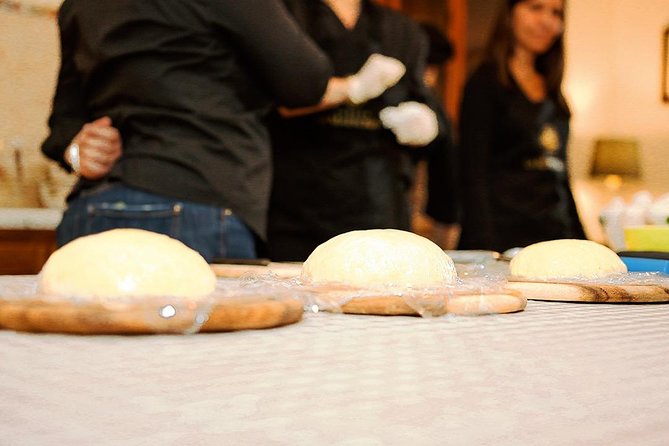
Then comes the part many people sign up for: handmade pasta. You’ll craft Pici and Ricotta Gnocchi from scratch, and you’ll also learn how to prepare Tuscan pasta sauce.
This is more than a photo-op step. Making both styles means you learn how different pasta shapes behave and how sauce changes with the ingredient and texture. You’ll end up with two main-course servings in the meal.
Bruschetta Spread: Seasonal Vegetables and Olive Oil Skills
Bruschetta is deceptively simple, and that’s why it’s a great training ground. It’s bread plus toppings plus the right treatment of ingredients. In this class, you don’t just assemble. You cook and learn.
You make several bruschetta varieties using fresh, seasonal vegetables. That seasonal piece matters because it teaches you how Italians think: don’t force flavor, let the produce do the work.
The starter portion is also substantial: expect four kinds of bruschetta, along with Tuscan cold-cuts and cheeses. The class pairs nicely with what you’ll drink later. When olive oil and wine show up, you’ll taste how they lift the vegetables and how the salty cheeses keep the whole meal anchored.
Practical note: bruschetta can be messy in a charming way. If you hate getting a little dirty, this might be your only tough moment. For most people, it’s the fun part. Your job is to keep it moving and not panic if your first batch isn’t perfect.
Handmade Pasta: Pici and Ricotta Gnocchi Techniques That Actually Transfer
If you want a cooking class where you leave with skills you can use at home, handmade pasta is the best proof.
Pici: thick, hand-rolled Tuscan style
You’ll make Pici from scratch. Pici is typically a thicker, rustic pasta shape compared with many “everyone knows” noodles, and that thickness changes how sauce clings. That’s why learning the shape is part of the lesson, not just a stunt.
Ricotta Gnocchi: soft dough, real technique
You’ll also craft Ricotta Gnocchi from scratch. Ricotta gnocchi has a different feel than potato gnocchi, so you’re learning a separate workflow. Even without becoming a pasta expert, you’ll understand how ingredient moisture and shaping affect the final bite.
Sauce building: the Tuscan base
Along the way, you learn to prepare Tuscan pasta sauce. The key value here is that the sauce isn’t an afterthought. It’s part of the pasta education, and you’ll taste it in the final meal when you sit down.
For me, this is where the class earns its money. This is not just tasting. You’re learning methods and getting immediate feedback because you eat what you make.
Wine and Evo Oil Pairings You Can Taste, Not Just Sip
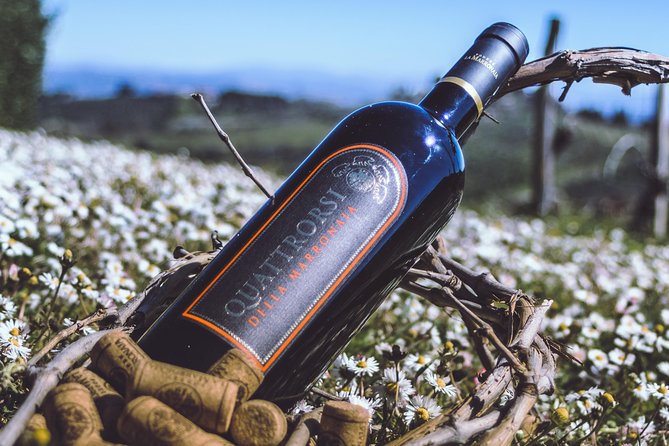
One of the most praised parts of this experience is the drinking portion, but it’s not treated like a free-for-all. You do tastings of organic wines and Evo oils, and each course comes with a pairing.
Here’s what you should expect from the wine side:
- The meal includes different organic and biodynamic wines paired to the courses.
- You’ll also taste Evo oils as part of the tasting experience.
That pairing format is useful. It gives you a way to connect flavor and technique. Olive oil affects bruschetta, and wine changes how you perceive acidity, salt, and richness. By the time you reach dessert, the meal doesn’t feel like separate parts. It feels like one coherent set.
Also, because the group is small, this kind of pairing works better. You can ask what you’re tasting and get a real explanation instead of just being handed a glass.
What You Actually Eat: From Starter Table to Dessert
This is a meal experience, not a short demo.
You’ll eat a starter spread with:
- Four kinds of bruschetta
- Tuscan cold-cuts and cheeses
Then you’ll move into mains featuring homemade pasta with sauce:
- Homemade pasta with the prepared sauce
- Homemade pasta with seasonal sauce (so you get more than one flavor direction)
Dessert is also part of the plan:
- You bake a typical Tuscan cake earlier to enjoy later.
- You also get tiramisù as part of what’s included.
And yes, you’ll have water and alcohol included with the tastings:
- Bottled water
- Alcoholic beverages (the wine and Evo oil tastings)
Included meals are listed as lunch, and dinner is also listed as included. In practice, you should think of this as a full sit-down program with courses that span the whole time window.
Price Value: Is $224.76 Worth It?
At $224.76 per person, this is not the cheapest thing on the San Gimignano list. But it can be good value if you like hands-on meals and if you’re the type who wants to understand what you’re eating.
Here’s what’s doing the heavy lifting for value:
- A full cooking session with multiple skill areas: dessert baking, bruschetta, and two kinds of handmade pasta
- A real meal built from what you made, plus cold-cuts, cheeses, and tiramisù
- Organic and biodynamic wine plus Evo oil tastings, paired through the courses
- A small group cap of 6, which usually means more coaching per person
If you only want a quick tasting with no hands-on work, you could find cheaper. If you want the kind of class where you leave with confidence and a new pasta skill, the price starts to make sense.
Also, you’re in one of the few places in Italy where a cooking class can still feel connected to a farm. That’s the difference between a generic “make pasta and pose” experience and a genuinely educational one.
Who This Class Fits Best
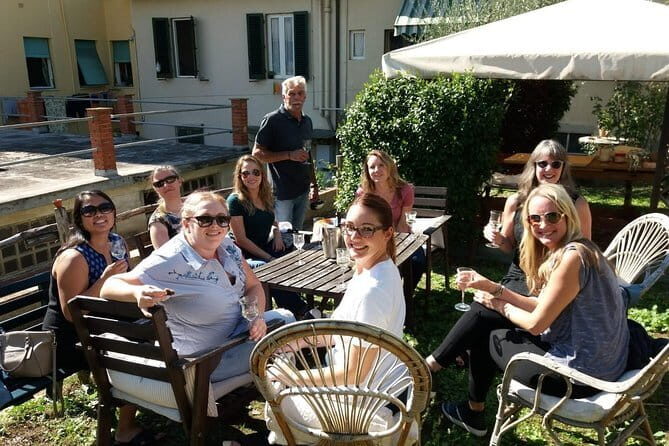
This class works for a wide range of people, including different ages. One review specifically highlighted that it was fun for everyone from 21 to 85, and the chef was helpful while guiding cooking steps.
I think it especially suits:
- Couples or small groups who want something memorable beyond sightseeing
- Food lovers who enjoy learning technique, not just eating
- Travelers who like wine and want a more structured pairing experience
- People who prefer small-group instruction in English
It’s less ideal if:
- You require private transportation and don’t want to figure out getting to the meeting point
- You dislike cooking activities that involve hands-on steps and some mess
Since service animals are allowed and most travelers can participate, this is broadly friendly for many people. It’s also near public transportation, so reaching it should be manageable if you’re already exploring San Gimignano by transit or on foot.
Quick Practical Tips Before You Go
These are simple, but they’ll make the day easier.
- Wear something you don’t mind getting a little flour or sauce on.
- Go hungry, and don’t skip breakfast if you can avoid it.
- Bring a phone for photos, but remember you’ll be cooking most of the time.
- If you’re pairing wine with courses, pace yourself. The tastings are part of the experience, but you still have a schedule.
You’ll start at Via Martiri di Citerna, 2 and end back there, so you won’t need to plan a different pickup spot.
Should You Book This Family Tuscan Cooking Class?
Yes, if you want a hands-on Tuscan meal that teaches more than one technique. The best reason to book is the combination: small group coaching, real homemade food (bruschetta plus Pici and Ricotta Gnocchi), and the included organic wine and Evo oil tastings paired across courses.
Skip it only if you hate the idea of cooking as the main event, or if you’re expecting the transport to be handled for you. Otherwise, this is a strong choice for a fun, guided day in San Gimignano that feels like it belongs to a family farm, not a generic restaurant kitchen.
FAQ
How long is the Family Tuscan Cooking Class?
The experience lasts about 3 hours.
Where is the meeting point in San Gimignano?
The class starts at Via Martiri di Citerna, 2, 53037 San Gimignano SI, Italy.
Is the class offered in English?
Yes, it’s offered in English.
What group size is this experience limited to?
It has a maximum of 6 travelers.
Is transportation included?
Private transportation is not included, though it’s noted as near public transportation.
What’s included in the meal?
You’ll have a lunch that includes mixed bruschetta, fresh homemade pasta, cold-cuts and cheeses, and tiramisù, plus wine and Evo oil tastings and bottled water. Dinner is also listed as included.
What wine and olive oil tastings are included?
You’ll have tastings of organic wines and Evo oils.
Is a mobile ticket provided?
Yes, the experience includes a mobile ticket.
What is the cancellation policy?
Free cancellation is available. You can cancel up to 24 hours in advance for a full refund.
FAQ
Are service animals allowed?
Yes, service animals are allowed.
Is this class suitable for most travelers?
It notes that most travelers can participate.