REVIEW · UFFIZI GALLERY
Florence: Uffizi Gallery Masterpieces Small Group Tour
Book on GetYourGuide →Operated by Through Eternity Tours · Bookable on GetYourGuide
Renaissance art, tightly guided. This is one of the easier ways to tackle the Uffizi Gallery in Florence, with skip-the-line entry and a small group (max 9) so you can actually follow the story. I love how the guide builds a clear thread from late Medieval art into the Renaissance power shift, and I love getting pointed at major works like Botticelli, Leonardo, Raphael, Titian, Michelangelo, and Caravaggio. One thing to plan for: it’s a walking tour inside a museum with steps and stairways, and it’s not suitable for wheelchair users—so comfy shoes matter.
You also don’t just stop at paintings. You finish with a walk along the outside of the Vasari Corridor, looking over the Arno near the walkway to Ponte Vecchio, which gives the art a real sense of place in Medici Florence. The whole tour runs about 2.5 hours, with an English-speaking expert guide, plus headsets for groups of 6 or more.
In This Review
- Key highlights to look for
- Starting at Piazza della Signoria: Cosimo I sets the tone
- Skip-the-line access: what it really buys you
- How the guide turns the Uffizi into a Renaissance timeline
- From late Medieval to Masaccio: the pivot you’ll feel
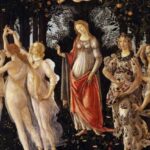
- Botticelli’s Birth of Venus: seeing the meaning behind the pose
- Leonardo da Vinci and Raphael: genius explained in human terms
- Titian, Michelangelo’s Doni Tondo, and Caravaggio’s shock of light
- Walking the Vasari Corridor exterior: Medici power, visible
- Price and value: is $156.33 a good deal?
- Who should book this Uffizi small-group tour?
- Should you book it?
- FAQ
- Where do I meet the guide?
- How long is the tour?
- Does it include skip-the-line access?
- Is the tour in English?
- What should I wear or bring?
- Is it wheelchair accessible?
Key highlights to look for
- Skip-the-line express security so you spend time looking, not waiting
- A Renaissance timeline that connects the works instead of showing them as random stops
- Botticelli’s Birth of Venus as a centerpiece you’ll understand more deeply
- Caravaggio’s chiaroscuro and how his lighting choices became a new visual language
- Michelangelo’s Doni Tondo and other big-name pieces handled with context
- Vasari Corridor exterior walk that turns the Medici “how they moved through the city” story into something visual
Starting at Piazza della Signoria: Cosimo I sets the tone
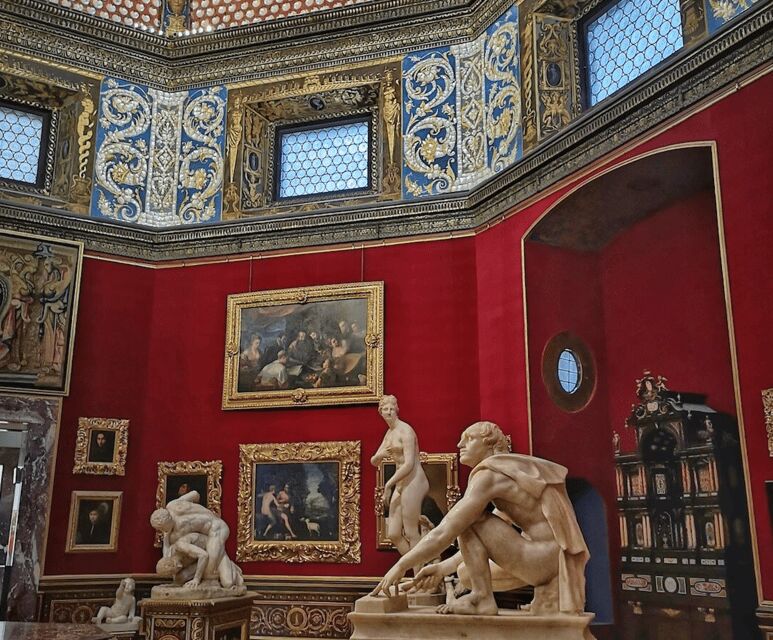
Your tour starts at the equestrian statue of Cosimo I in Piazza della Signoria (Piazza della Signoria 16R). This location is a smart choice because you’re already in one of Florence’s political and artistic nerve centers. The guide meets you with a Through Eternity sign or flag, which helps you get oriented fast.
If you’ve ever shown up to a museum tour late, you know the drill: it’s stressful and you’re stuck sprinting with museum admission in your pocket. Here, you’ll want to arrive about 10 minutes early, because the group can’t wait for late arrivals. That single habit alone makes the experience smoother.
Also, this is a walking-style museum visit. You’ll be on your feet and moving between rooms, and the Uffizi has steps and stairways. Comfortable shoes are not optional—it’s just how you make the tour enjoyable rather than a foot-wearing contest.
You can also read our reviews of more museum experiences in Uffizi Gallery

Skip-the-line access: what it really buys you
The Uffizi can be crowded, so the “skip-the-line” part is a big deal for value. This tour includes express security access, which means you avoid one of the worst bottlenecks before you even start seeing art. You’re not saving money by waiting less—you’re buying back time that goes directly toward masterpieces.
You also get headsets if the group is 6 or more people. That may sound like a small detail, but it changes the whole experience. In a museum with loud chatter and room echoes, a clear guide audio feed helps you catch the key points without playing mental telephone with your neighbor.
The tour is limited to 9 participants, which is another quality factor. Larger crowds tend to turn “guided” into “follow the leader, maybe.” With a small group, the guide can pace explanations to what you’re actually standing in front of, rather than rushing.
How the guide turns the Uffizi into a Renaissance timeline
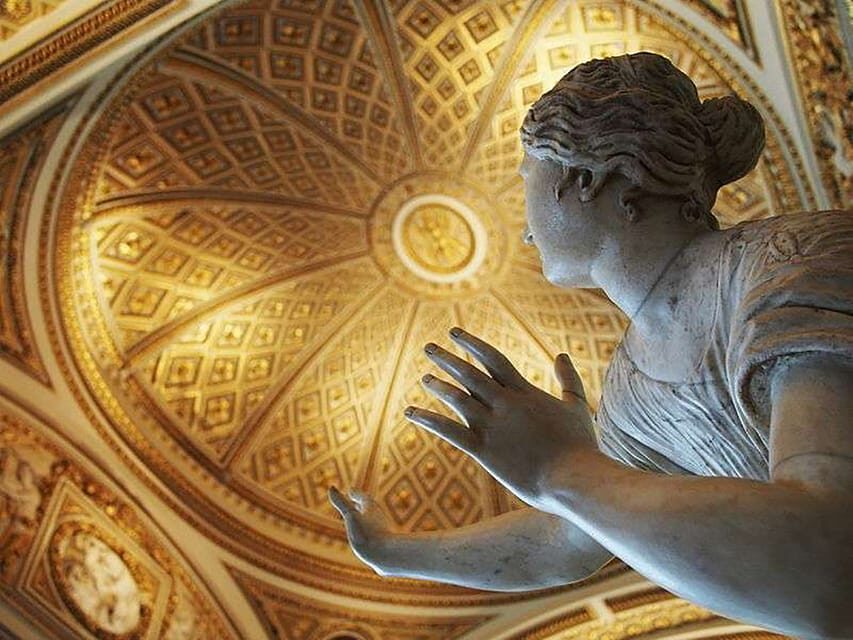
One of the best reasons to take a guided Uffizi tour is that the museum can feel like a greatest-hits playlist. You’ll see famous paintings, sure. But without context, it’s easy to miss why people cared, what changed, and why certain artists suddenly felt like they were inventing a new way to see.
This tour builds a Renaissance timeline, starting with the slow transition from the Middle Ages into Renaissance thinking. You’ll begin with works by Cimabue and Giotto, which still carry a late-medieval outlook on the relationship between the human and the divine. The guide uses these as a starting point, so when you move forward you can spot what’s new rather than just noticing what’s pretty.
Then comes the “wait, art can do this?” moment: the tour highlights Masaccio and his experiments with three-dimensional space. This matters because Renaissance painting wasn’t only about famous subjects. It was about convincing you the space was real—depth, structure, weight, and believable light. When you learn what the artist was trying to solve, you start seeing the trick behind the illusion.
By the time you reach the major Renaissance names, the tour doesn’t just say they were important. It explains what they were changing, and that’s what makes the masterpieces land.
From late Medieval to Masaccio: the pivot you’ll feel
If you’ve looked at Italian art before, you may remember how medieval paintings can feel symbolic rather than physical. The tour leans into that difference. With Cimabue and Giotto, you’re set up to notice how earlier approaches still connect the human figure to the divine in a more stylized way.
Then Masaccio becomes the pivot. The guide points you toward what makes his approach revolutionary: his experiments with three-dimensional space. It’s a practical kind of lesson, because you’ll start training your eye to ask, “Where is the depth coming from?” You also learn to spot how artists used composition and perspective effects to move figures into a believable world.
This is one of my favorite parts of the experience because it doesn’t require advanced art knowledge. You don’t need to be able to explain fresco techniques or Renaissance math. The tour gives you a framework, and your eyes do the rest.
Botticelli’s Birth of Venus: seeing the meaning behind the pose

No Uffizi visit feels complete without Sandro Botticelli’s Birth of Venus. This tour makes it more than a photo stop. You’ll get the kind of context that helps you understand why the painting became a touchstone for Renaissance imagination.
The guide places Botticelli after the “how space and human form changed” groundwork. That means the painting doesn’t just appear as a famous image. You’re primed to see it as part of a larger shift in how Renaissance artists treated the human figure—how they balanced classical influence with contemporary ideas.
You’ll also learn to look for the emotional and symbolic choices—how Botticelli stages the scene and how the figures communicate a mood rather than just a story. That’s the difference between admiring the painting and understanding why it matters.
If you’re the kind of person who likes to slow down, this stop is built for that. Plan to spend an extra moment at the details the guide points out, because Botticelli rewards close looking.

Leonardo da Vinci and Raphael: genius explained in human terms
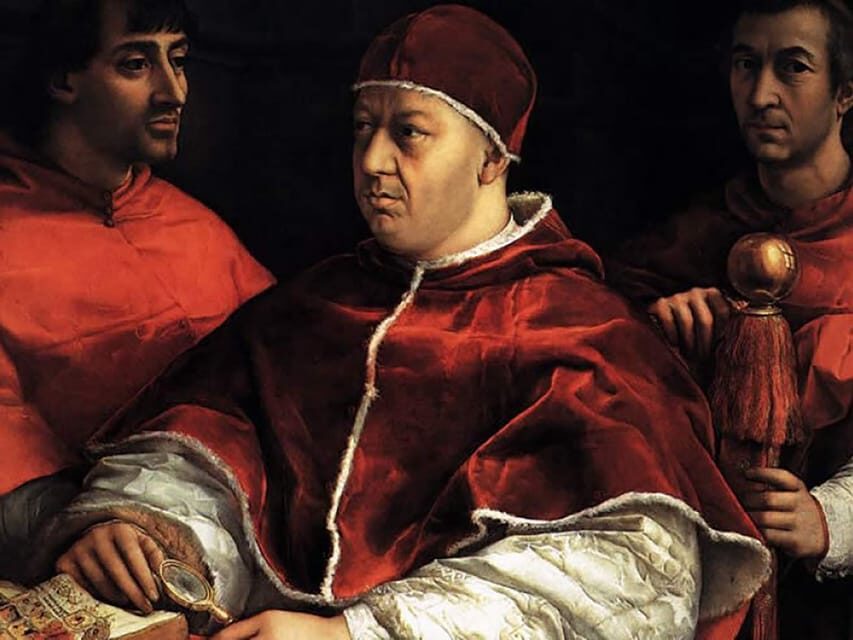
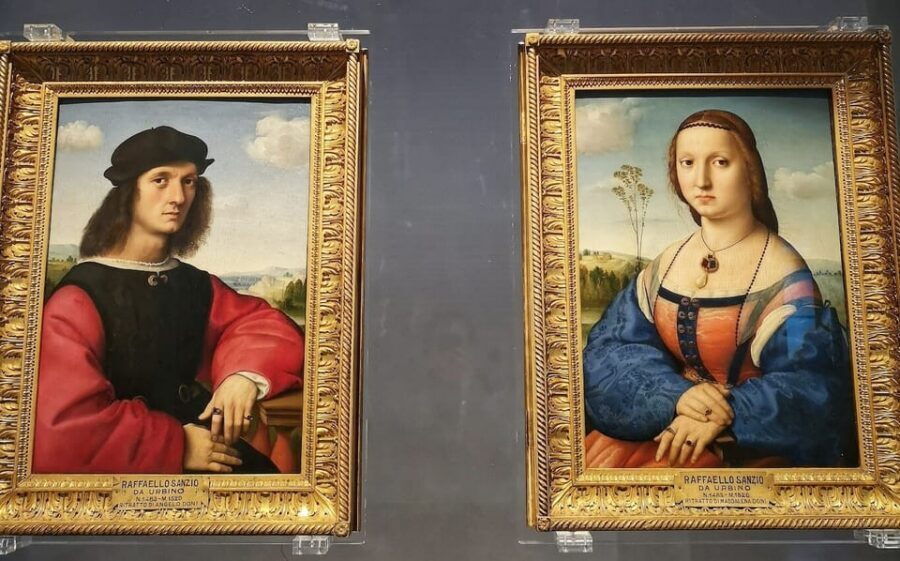
After Botticelli, the tour introduces Leonardo da Vinci and Raphael, and it does so with an emphasis on why their genius was rare. You don’t just get name-checking. The guide frames what makes each artist’s mind different and how their approach shows up in the finished work.
Leonardo is treated as part inventor, part observer—someone whose art carried the weight of careful thinking. The guide’s explanation helps you connect that mindset to what you see on the canvas: the feeling of lifelikeness, the controlled expression, and the way composition can feel both structured and alive.
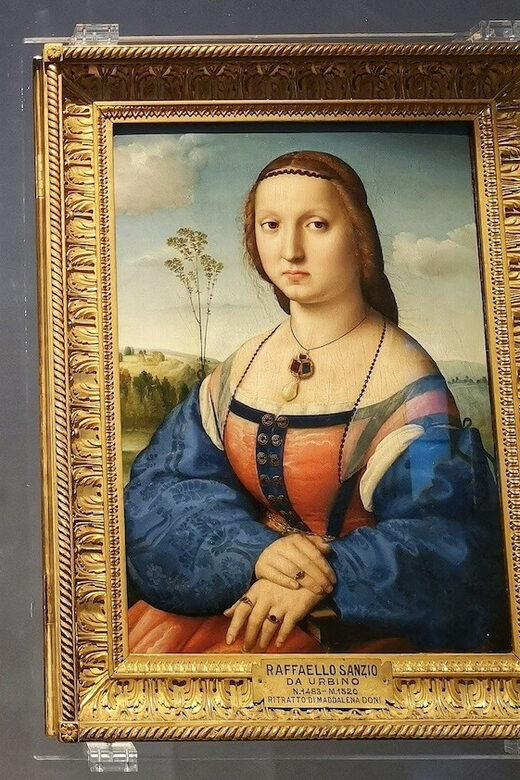
Then Raphael comes in as a master of balance and clarity. If you’ve ever seen a Raphael painting and felt it was “too perfect,” the tour gives you language for why that effect happens. You’ll learn how Raphael’s work fits into the bigger Renaissance shift toward idealized harmony, without losing the human pulse of the figures.
This section is especially satisfying if you like art that rewards attention. Even if you only take in half the details, the tour helps you know where to look and what to expect.
Titian, Michelangelo’s Doni Tondo, and Caravaggio’s shock of light
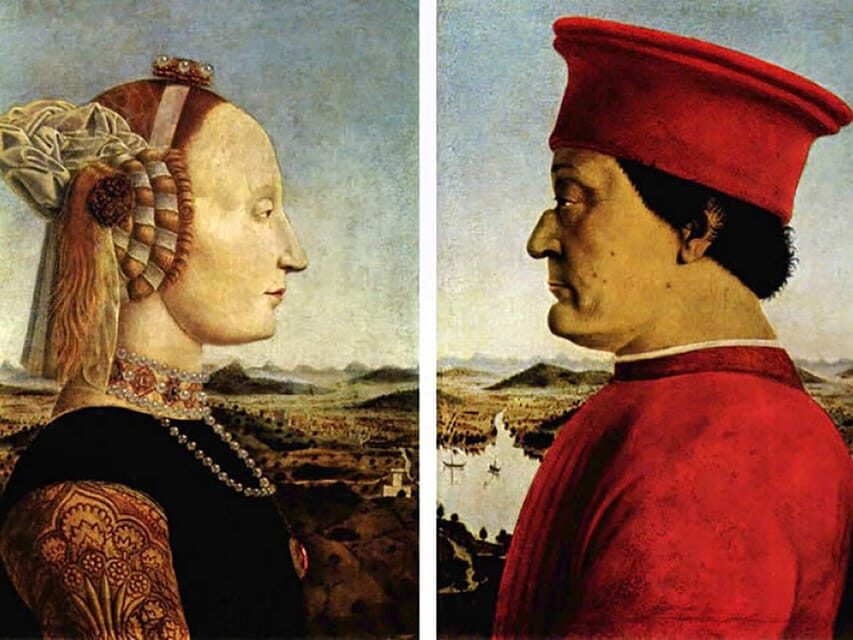
The tour’s middle-to-late stops focus on strong contrasts: sensuous color, sculptural form, and dramatic lighting.
Titian is presented through the lens of sensuous, colorful work. That phrasing matters because it steers you to notice color choices as meaning, not just decoration. You’ll be encouraged to look at how tones behave together and how the paint can feel almost physical.
Then you’ll encounter Michelangelo’s Doni Tondo. This is a great pairing with Titian because the guide helps you shift your mental mode from painterly color to sculptural presence. Michelangelo’s work can feel like it’s built from solidity, and once you’ve been primed to look for form, you’ll spot why this piece sticks.
Finally, the tour turns darker with Caravaggio and his chiaroscuro. Caravaggio’s look—high contrast light and shadow—can feel intense even if you don’t know art history. The guide makes it practical: you’ll learn about how he succeeded in inventing a new pictorial language. In other words, it isn’t only about dramatic lighting. It’s about how light shapes action, emotion, and narrative focus.
If you want the most memorable “aha” within the tour, this is often it. Caravaggio has a way of making you feel like the painting is happening right now, and the tour context helps you understand why.
Walking the Vasari Corridor exterior: Medici power, visible
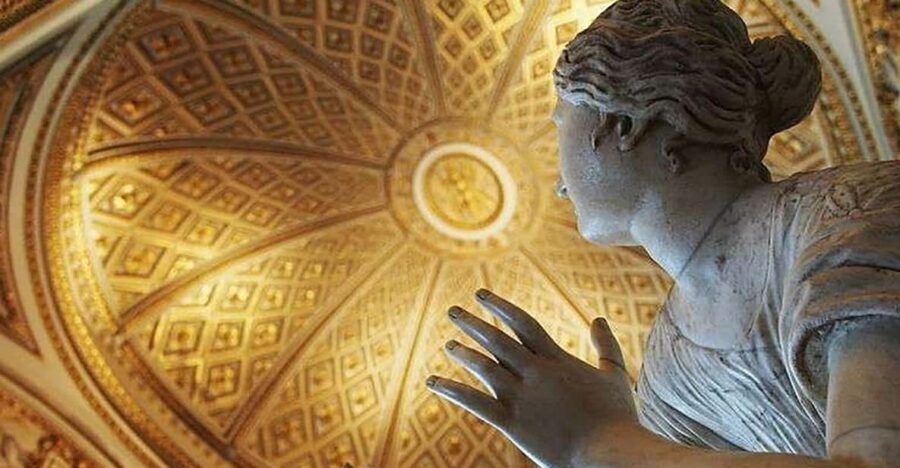
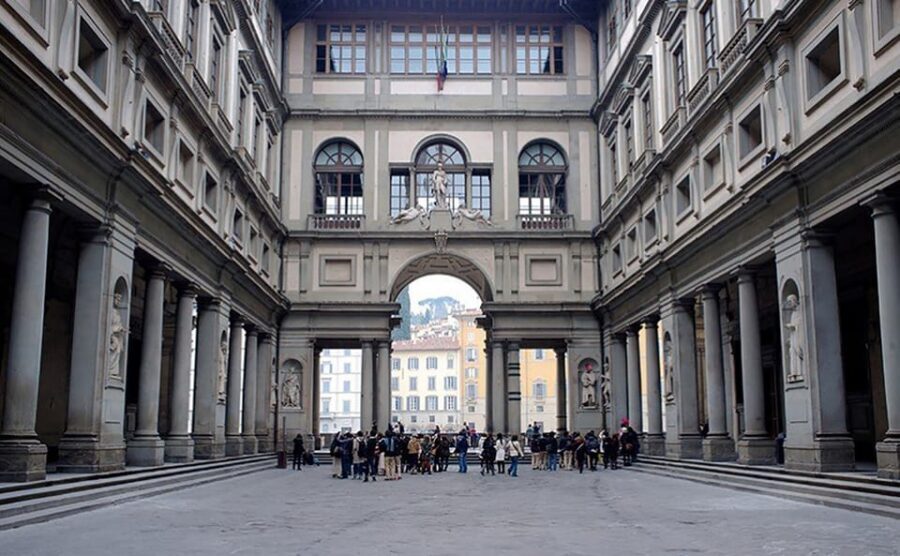
Here’s the part that surprised me in a good way: the tour doesn’t end with the last painting. You finish with a walk along the outside of the Vasari Corridor, an arcaded walkway that allowed the Medici family to cross the city while avoiding the general populace. You’ll tie that to what you’ve just seen inside—art patronage, power, and control over movement.
From there, you’ll get to look over the river Arno below as you reflect on the Renaissance masters and how their work remains “in the paintings of the Uffizi.” It’s a useful moment, because it gives you a pause after the mental overload of major art.
Also, you’ll end back at the meeting point. That means you’re not left figuring out how to reconnect with the rest of your day. You get a clean endpoint, and you can plan your next Florence stop without backtracking.
Price and value: is $156.33 a good deal?
At $156.33 per person, this tour isn’t the cheapest way into the Uffizi. But it can be a strong value if you care about time and interpretation.
Here’s what you’re paying for:
- Skip-the-line express security, which can save real time in a busy museum
- An expert English-speaking guide who connects works with a Renaissance story
- Small group size (max 9), which helps the tour stay readable
- Headsets for groups of 6 or more
- All fees and taxes included
What you’re not paying for:
- Transportation to and from the meeting/end points
- Food and beverages
For me, the value comes down to this: if you want the “see famous paintings” experience, you can always go on your own. But if you want the “understand why these works matter and how the artists changed painting” experience, a guided small-group tour is often the difference between a visit that’s just impressive and one that actually sticks.
The 2.5-hour duration also matters. You’re not committing to a full day, so the tour fits well into a Florence itinerary where you’ll likely want time for other areas too.
Who should book this Uffizi small-group tour?
This tour is a good fit if you:
- Want to see major Renaissance masterpieces without getting lost in museum logistics
- Like a guided story that moves in order, from late Medieval to Renaissance innovation
- Prefer smaller groups and clear audio (headsets help)
- Appreciate context for big names like Botticelli, Leonardo, Raphael, Titian, Michelangelo, and Caravaggio
It may be less ideal if you:
- Need wheelchair access, since the tour is not suitable for wheelchair users due to museum steps and stairways
- Dislike walking in museums with stairways (comfortable shoes are recommended for a reason)
If you’re traveling with limited time in Florence, the 2.5-hour format is also a plus. You get a high-impact art visit and then a finish outside near the Arno and Ponte Vecchio area.
Should you book it?
I’d book this tour if your goal is meaningful Uffizi time, not just museum attendance. The combination of express security, a small group, and a guide who connects the works through the Renaissance shift makes it feel efficient without feeling rushed.
If you’re visiting for the first time and you want your eyes to understand what you’re looking at, this tour gives you a scaffold. And once the scaffold is up, the masterpieces do what they do best: they stick with you.
FAQ
Where do I meet the guide?
You’ll meet your guide at the equestrian statue of Cosimo I, Piazza della Signoria, 16R, 50122 Firenze FI, Italy. The guide will have a Through Eternity sign or flag.
How long is the tour?
The tour lasts about 2.5 hours. Starting times depend on availability.
Does it include skip-the-line access?
Yes. It includes skip-the-lines access with an express security check.
Is the tour in English?
Yes. The live tour guide is English.
What should I wear or bring?
Wear comfortable shoes. A bottle of water is strongly recommended, and there are some steps and stairways in the museum.
Is it wheelchair accessible?
No. The tour is not suitable for wheelchair users due to steps and stairways.