REVIEW · UFFIZI GALLERY
Uffizi Gallery: Small Group Tour
Book on GetYourGuide →Operated by FLORENCE & GLOBAL SMALL GROUP TOURS S.R.L.S · Bookable on GetYourGuide
Uffizi is a lot, even for fans. This small-group format (max 15) keeps the visit focused, with an expert guide steering you toward the works that matter most. I like that you get a story-led route through the museum, including big names like Botticelli, Leonardo, and Michelangelo, plus context on the Medici world that shaped what you’re seeing.
My other favorite part is the practical priority entrance. It helps you avoid the worst of the general waiting line and gets you into the galleries faster, which matters in Florence heat. One thing to keep in mind: priority can reduce the long wait, but you might still face some crowding once inside, so go in with patience.
In This Review
- Key highlights you’ll feel right away
- Uffizi in a Small Group: Max 15 People Makes It Personal
- Priority Entrance and the Real Meaning of Skip-the-Line
- Your 1.5–2 Hour Game Plan: What You Actually See
- Botticelli, Leonardo, Michelangelo: How the Guide Helps You See
- Meeting Point Reality: Gates, Flags, and Getting There Without Stress
- Price and Value: What $79 Buys in Florence
- After the Tour: Use the Highlights to Explore Like a Pro
- Who Should Book This Uffizi Small-Group Tour
- Should You Book This Uffizi Gallery Small-Group Tour?
- FAQ
- FAQ
- How long is the Uffizi small-group tour?
- What group size is this tour?
- Does the tour include skip-the-line entry?
- What languages are offered for the live guide?
- What famous artworks will I see?
- What’s included in the price?
- What’s not included?
- What do I need to bring?
- What can’t I bring into the gallery?
- Is entry guaranteed on the first Sunday of the month?
- Is there a cancellation option?
Key highlights you’ll feel right away
- Small group size (max 15) keeps questions welcome and the pace human.
- Priority skip-the-line entry saves time, especially when the city is roasting.
- Live multilingual guides (English plus Italian, French, Portuguese, Spanish) add clear art stories.
- Big Renaissance anchors like Botticelli’s Birth of Venus, Leonardo’s Annunciation, and Michelangelo’s Doni Tondo.
- Smart museum navigation: you’ll learn how to move through a huge building without getting lost.
- Time to continue after the tour so you can linger on what grabbed you most.
Uffizi in a Small Group: Max 15 People Makes It Personal
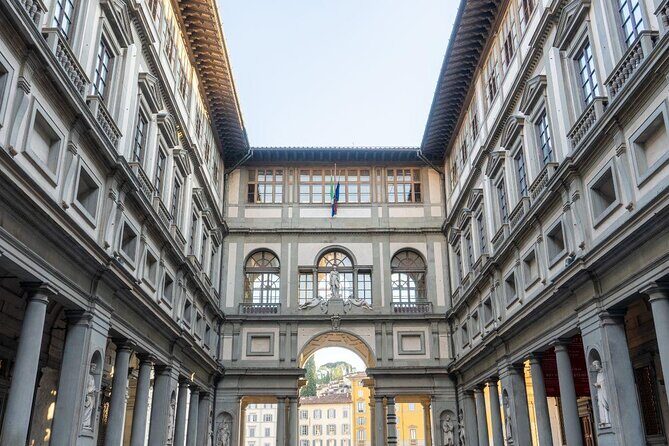
The Uffizi isn’t a museum you casually “see” in one go. With a group of up to 15, you don’t get swallowed by the herd. You get a guide who can actually slow down when something catches your eye and speed up when the room gets packed.
This format also helps with one big challenge: the Uffizi can feel like hundreds of masterpieces thrown at you at once. A good guide turns it into a readable experience. You’ll hear stories and connections you normally miss when you bounce from placard to placard, and that makes the art easier to remember later.
The guide experience can vary by language and personality, but the pattern is the same: people rave about guides like Anna and Rosa for keeping families and teens engaged, and for sharing clear, story-forward explanations. That matters if you’re traveling with mixed ages or you just don’t want to spend two hours performing museum speed-walking.
One practical note: this isn’t a slow, sit-everywhere kind of tour. It’s designed to cover key highlights in a short window, so expect a decent amount of walking.
You can also read our reviews of more museum experiences in Uffizi Gallery
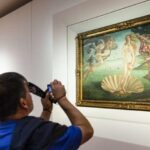
Priority Entrance and the Real Meaning of Skip-the-Line
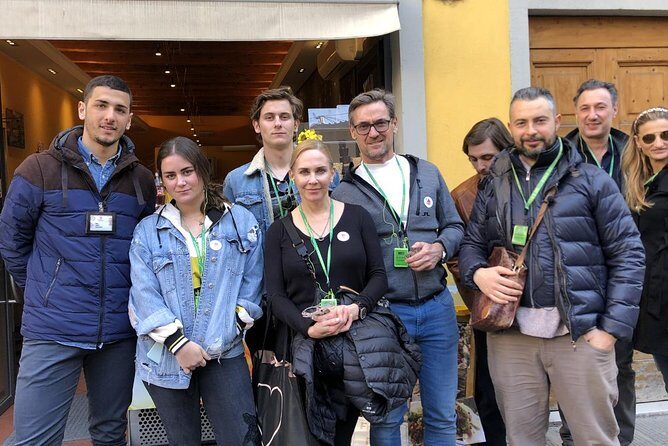
The tour includes priority entrance with a general line skip. In plain terms, that means you’re using a faster path than the standard crowd route, which is a lifesaver when Florence is hot and the waiting area is loud and crowded.
That said, don’t assume zero waiting. Even with priority, you can still hit bottlenecks depending on the day’s crowd flow. One review mentioned about a 30-minute wait before entering, and the inside was quite crowded. Not a deal-breaker, but it’s good to know so you don’t feel surprised if the world is being, well, the world.
Also plan around the Uffizi’s rhythm. Once you’re in, the galleries can get busy fast, and your guide will likely keep you moving to make sure you see the best stops before time runs out. That’s where the small-group size helps again.
If you want to add a little strategy: arrive a bit early, have your ID ready, and keep your hands free so you can follow the group cleanly. Large bags and luggage aren’t allowed, so this is not the kind of visit where you want to wrestle with storage.
Your 1.5–2 Hour Game Plan: What You Actually See

This is a guided highlight tour inside the Uffizi, typically lasting about 1.5 hours, with some tours running closer to 2 depending on the group and flow. You’re not trying to cover every room. You’re building the mental map that helps the rest of the museum make sense.
Here’s what the guide-centered experience tends to do well:
- You start with orientation: the building matters. Reviews mention guides explaining the building’s architecture and the Medici family behind the collection, which makes the museum feel less like random art and more like a system.
- Then you move through rooms in a way that hits major Renaissance themes and artists.
- You leave with enough context to walk back into the galleries afterward and actually recognize what you’re looking at.
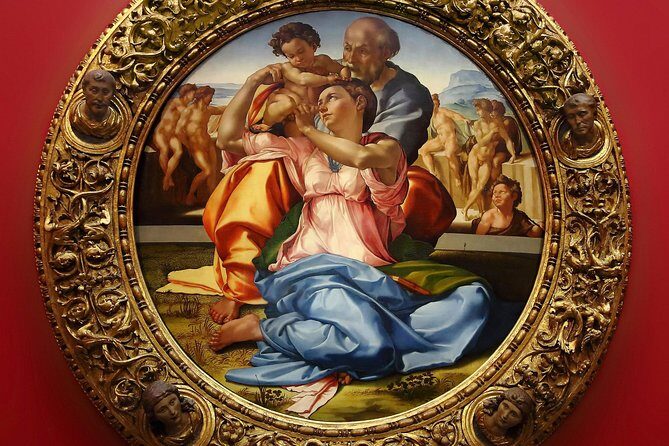
Your highlight stops include some of the most famous works in the museum, with guided storytelling around them. The tour specifically calls out Botticelli’s Birth of Venus, Leonardo’s Annunciation, and Michelangelo’s Doni Tondo—plus additional major masterpieces beyond those three.
This matters because the Uffizi is not just famous paintings. It’s also a museum of art-making ideas: symbolism, workshop culture, patronage, and how styles evolve across decades. A good guide helps you connect the dots instead of staring at beauty with no handle on meaning.
Botticelli, Leonardo, Michelangelo: How the Guide Helps You See
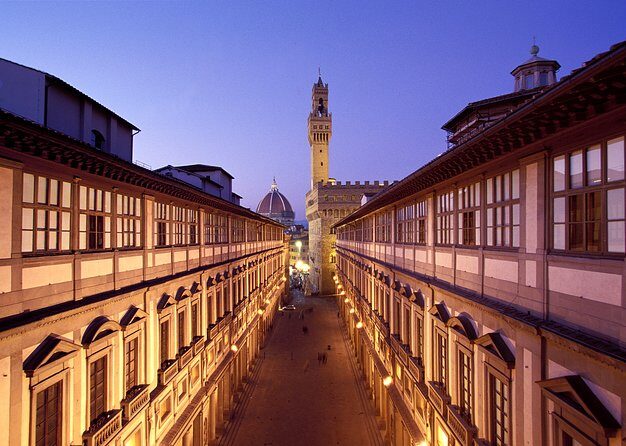
When you see the big names in person, it’s easy to get overwhelmed. One painting alone can pull you into a trance, and then you blink and the next masterpiece is already moving past your line of sight.
This tour helps because the guide builds a mini “why this exists” story around each stop. People consistently praise guides for explaining what you’re seeing, not just stating facts. The result is that you spend less time confused and more time noticing details.
Here’s an example of the kind of value that shows up in guides’ storytelling:
- For Botticelli and Venus, the guide focuses on the Renaissance thinking behind the imagery and how that connects to patron interest and cultural taste.
- For Leonardo’s Annunciation, you get context around the event portrayed and why Leonardo’s approach is distinctive.
- For Michelangelo’s Doni Tondo, you’re more likely to understand the work as an artistic statement rather than just a famous object on a wall.
You also get the “museum navigation” layer. One review mentioned learning shortcuts like using lifts instead of climbing stairs, which sounds small until you’re dealing with heat and crowds. Guides also tend to point out where to find additional masterpieces on your own after the tour ends, so you don’t waste time hunting.
If you like art history but hate lectures, this format works because it stays tied to what’s in front of you. The best guides act like translators between the Renaissance world and your modern eyes.
Meeting Point Reality: Gates, Flags, and Getting There Without Stress
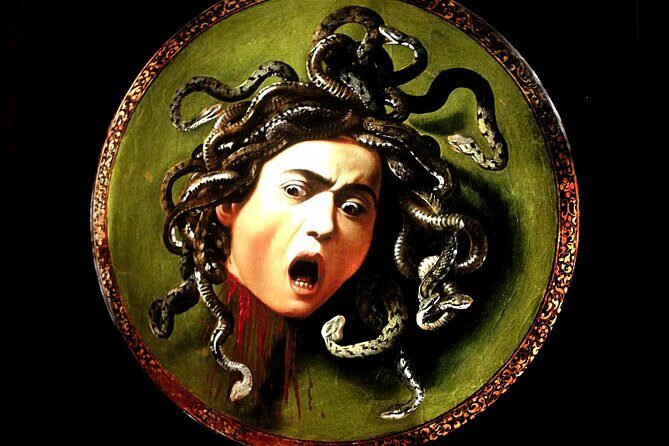
Meeting point details can vary by option, so treat the confirmation info as your map. The Uffizi area can be confusing, especially if you arrive while other groups are funneling in.
One practical issue that came up: finding Gate 3. A review described Gate 3 as not well marked and suggested asking staff at the well-marked Gate 2 across the courtyard. Another detail mentioned a blue flag you might miss if you’re scanning randomly in the courtyard.
So here’s my advice:
- Show up early enough to walk the perimeter once.
- If you don’t see your group right away, ask the attendant rather than circling for 20 minutes.
- Bring your ID, since you’re required to present a passport or ID card.
This tour includes reservation fees and the guide, but it does not include hotel pickup and drop-off. That’s normal for a city-center museum visit, but it means you should plan your arrival time with enough cushion for walking and finding the correct gate.



Price and Value: What $79 Buys in Florence
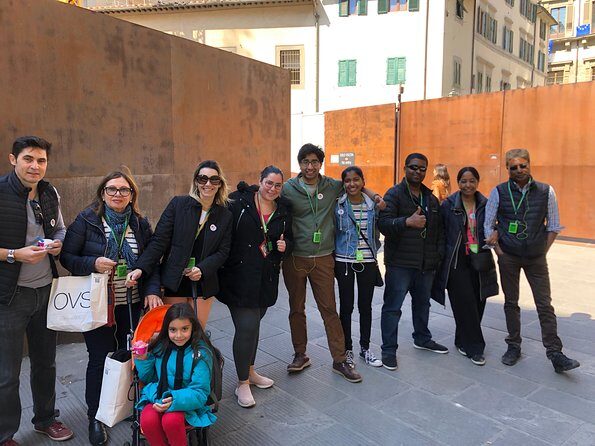
$79 may feel like a splurge, but here’s the honest value math. You’re paying for three things you’d otherwise have to piece together yourself:
- A time-saving entry advantage through priority access.
- An expert guide who helps you understand what you’re seeing in a short window.
- A plan for moving through a huge museum so you don’t waste energy guessing.
The Uffizi is so popular that doing it fully self-paced often turns into a blur: long waits, crowded rooms, and reading tiny labels while other people push past. Even if you’re comfortable using audio, you’re still missing the guided connections that make major works click.
Reviews back this up. Many people say the guide made the difference between wandering and truly understanding. Families mention that the guide kept kids and teens engaged. Others note that the tour gave them a purpose for what to look for afterward.
Also, the short duration matters. In just 1.5–2 hours, you’re getting the museum’s most recognizable backbone. Then you can decide whether you want to spend more time on your favorites.
If you want a no-guide approach, you might find self-paced options useful. But based on how people describe these tours, the guided format tends to be the best use of limited time in Florence.
After the Tour: Use the Highlights to Explore Like a Pro
The guided portion is only the first chapter. A common perk is that after the tour ends, you can continue exploring on your own until the museum closes for the day.
That’s where the guide’s work pays off. You’ll leave knowing what to prioritize, and you’ll have a map in your head. Guides often suggest where to focus next; one review mentioned being advised to see key masterpieces on the first floor after the guided tour.
So your best strategy after the tour:
- Pick one or two artists or themes your guide emphasized.
- Go back and look again, this time slowing down.
- Spend extra time on whatever made you stop during the tour, not what you think you should enjoy.
This keeps the whole visit from feeling like a checklist. It becomes a choose-your-own-adventure within a world-class museum.
Also remember your constraints: no luggage or large bags, no pets, and you’ll be on your feet. You’ll enjoy the extra free time much more if you stay organized and keep movement efficient.
Who Should Book This Uffizi Small-Group Tour
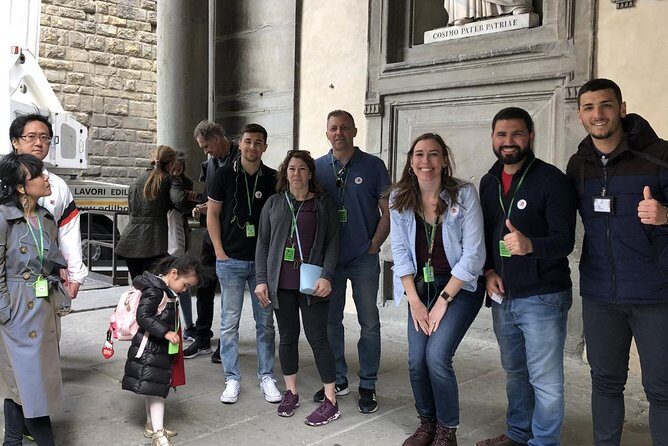
This tour is a strong fit if you want:
- A short, high-impact overview of the Uffizi’s Renaissance treasures.
- A guide to explain context, symbolism, and connections between works.
- A group size that doesn’t feel like a stampede.
It’s especially useful for families. Multiple reviews mention guides like Rosa and Anna keeping younger visitors engaged and making the stories understandable without talking down. Teens also seem to do well with this format when the guide keeps the pace and targets famous works.
If you’re traveling solo but want structure, it’s also a good call. The guide’s route and highlights list can reduce decision fatigue in a museum this size.
If you’re someone who hates guided groups and wants total freedom, you might consider a self-paced visit instead. But if your goal is to walk in and come out with real understanding, this is a smart way to use your time.
Should You Book This Uffizi Gallery Small-Group Tour?
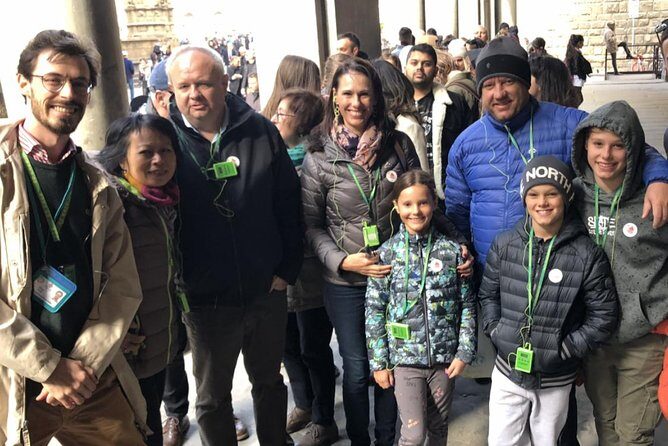
I’d book it if you’re short on time, want skip-the-line access, and care about understanding the masterpieces instead of just collecting photos. The guide-led focus on major works like Botticelli’s Birth of Venus, Leonardo’s Annunciation, and Michelangelo’s Doni Tondo makes the visit feel coherent.
I’d hesitate if you’re comfortable doing museums at your own pace with audio, or if your main goal is maximum freedom rather than guided clarity. Also, be aware that priority access doesn’t mean you’ll never see queues, especially on peak days.
FAQ
FAQ
How long is the Uffizi small-group tour?
It runs about 1.5 to 2 hours. You can check availability to see starting times.
What group size is this tour?
It’s a small group with a maximum of 15 participants.
Does the tour include skip-the-line entry?
Yes. It includes priority entrance using a separate entrance to skip the general waiting line.
What languages are offered for the live guide?
The live guide is available in Italian, French, Portuguese, Spanish, and English.
What famous artworks will I see?
The tour highlights include Botticelli’s Birth of Venus, Leonardo’s Annunciation, and Michelangelo’s Doni Tondo, plus other Renaissance masterpieces.
What’s included in the price?
Included are the guided small-group tour (about 1.5 hours), an expert guide, priority entrance with general line skip, and reservation fees.
What’s not included?
Hotel pickup and drop-off are not included.
What do I need to bring?
Bring a passport or ID card (and a passport or ID card for children).
What can’t I bring into the gallery?
Pets are not allowed. Luggage or large bags are also not allowed.
Is entry guaranteed on the first Sunday of the month?
On the first Sunday of each month, entrance is free of charge, but tickets can’t be reserved in advance, so entry is not guaranteed.
Is there a cancellation option?
Free cancellation is available up to 24 hours in advance for a full refund.