REVIEW · SAN GIMIGNANO
Food and Wine Lesson and Wine Tasting in San Gimignano
Book on Viator →Operated by Vernaccia di San Gimignano Wine Experience - La Rocca · Bookable on Viator
White wine tasting, with real lessons.
This 2-hour San Gimignano experience focuses on Vernaccia di San Gimignano DOCG, the famous white from town, and walks you through its story and how to taste it with more accuracy. I like that it is built as a step-by-step course, not just a pour-and-go stop, and that the setting includes multimedia museum rooms plus an aroma focused perfume and spice room. One thing to consider is that it starts at 12:00, so you’ll want your day planned around a midday session.
I also like the small group feel, since it tops out at 12 travelers, which makes it easier to ask questions during the tasting. The only drawback: because it is tightly timed (story, aroma training, then tasting), you won’t get long wandering time around San Gimignano itself afterward. Still, if your goal is to understand what you are drinking, this one is a strong use of your afternoon.
In This Review
- Key highlights worth your attention
- Vernaccia di San Gimignano: the white wine the town takes seriously
- The 2-hour structure that keeps you focused
- Museum rooms and the multimedia story: why it works
- The tasting lineup: six wines, multiple Vernacce, plus Vin Santo
- Pairings and typical local products: learning by eating
- Group size at La Rocca: smaller groups make better learning
- English-friendly instruction with a tight, repeatable method
- Price and value: is $78.27 worth it?
- How to get more from the aroma lesson (so it sticks)
- Who should book this Vernaccia lesson and tasting
- Should you book this San Gimignano wine experience?
- FAQ
- What time does the wine lesson and tasting start?
- How long is the experience?
- How many wines are included?
- Where does the experience begin?
- Is the tour offered in English?
- What is the cancellation policy?
Key highlights worth your attention
- A full wine-lesson format in about two hours, not a quick sampler
- Aroma training first, using a perfume and spice room approach so you learn how to taste
- Six wines to compare, including multiple Vernaccia DOCG versions plus Vin Santo
- Local pairings with typical products and six territorial food highlights
- Small group size (max 12), so the experience stays interactive
Vernaccia di San Gimignano: the white wine the town takes seriously
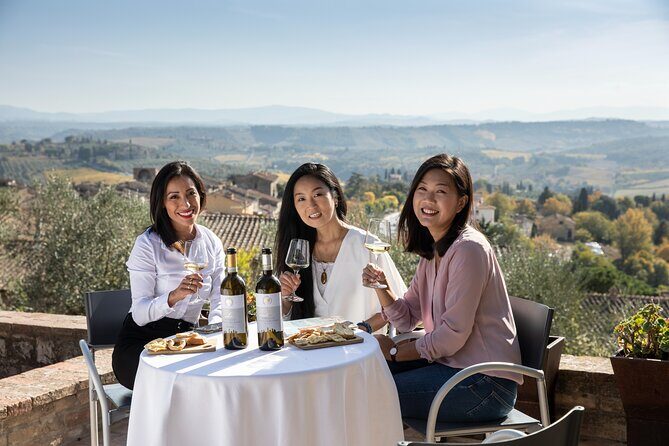
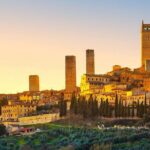
San Gimignano is known for its towers, but in this lesson you’re really zooming in on the local wine identity. The star is Vernaccia di San Gimignano DOCG, described as the white queen of this area, and it’s framed against a Tuscany backdrop that often gets talked about as red-wine country. That theme matters, because it shapes how the tasting is taught: you’re not just drinking a white, you’re learning how this specific grape and local methods express themselves.
The experience is run by Vernaccia di San Gimignano Wine Experience – La Rocca, and it treats Vernaccia like something with layers. The format starts with history and vineyard context, then moves into how the wine smells, then ends with you tasting multiple wines and comparing expressions side by side. If you have ever taken a sip, liked it, and then struggled to explain why, this approach is built for that exact moment.
You can also read our reviews of more food & drink experiences in San Gimignano
The 2-hour structure that keeps you focused
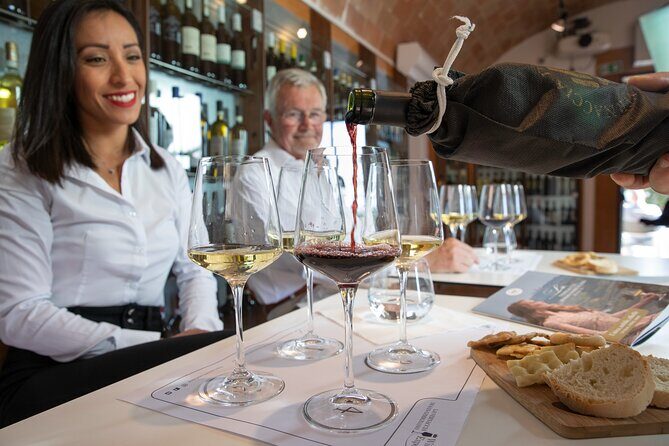
The timing is tight, which is actually a plus. You get a clear sequence, and each step has a job.
First, there’s a story of the wine-growing area. You’ll spend about half an hour moving through history, vineyards, cultivation, and wine-making techniques. This isn’t just trivia. It gives you something to “attach” to the wine when you taste later. Even if you don’t become a wine expert, you’ll start noticing patterns like whether a wine feels more structured, more aromatic, or more mellow—because you’ve been told what to look for.
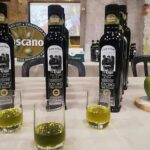
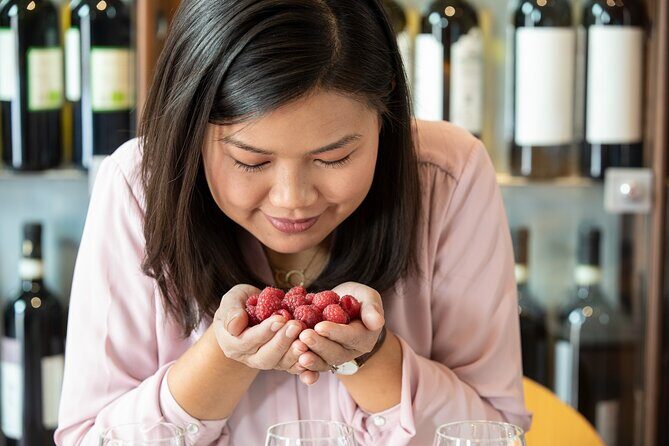
Next comes the part many people find the most useful: a short aroma lesson in the perfume and spice room. It lasts about ten minutes and is designed to train your nose on individual aromas and fragrances that show up in Vernaccia di San Gimignano’s bouquet. Ten minutes doesn’t sound like much, but in practice it’s a quick reset for how you smell wine. Instead of one vague “it smells good,” you’re learning to sort notes and make comparisons.
Then you shift into tasting with pairings. The tasting portion is where you use the tools you just learned. The lesson doesn’t end at the glass; it sets up combinations so you taste Vernaccia, a local red, and Vin Santo in a way that helps you learn differences.
Museum rooms and the multimedia story: why it works
One smart part of this experience is the setting. The initial history and vineyard talk happens in museum rooms equipped with multimedia technologies. That matters because it keeps the lesson moving at the right pace for real humans. Wine education can get slow when it’s only speaking and papers. Here, the visuals help you stay oriented while the guide covers topics like how vineyards are cultivated and how wine is made.
For you, that means less mental juggling. You can focus on understanding the chain of cause-and-effect: farming and techniques influence what ends up in the glass. When it’s done well, it makes tasting feel less random and more like reading a sentence you now understand.
If you’re traveling solo or in a small group and want an activity that doesn’t feel like a classroom, this is the kind of format that can work without killing the fun.
The tasting lineup: six wines, multiple Vernacce, plus Vin Santo
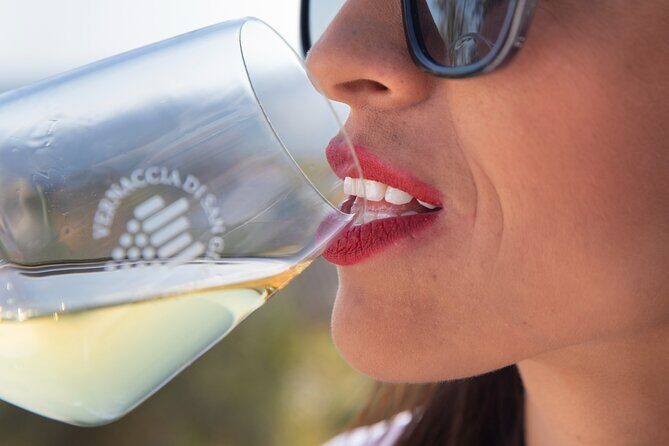
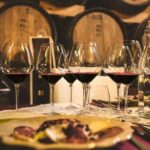
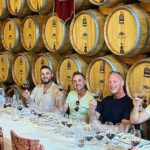
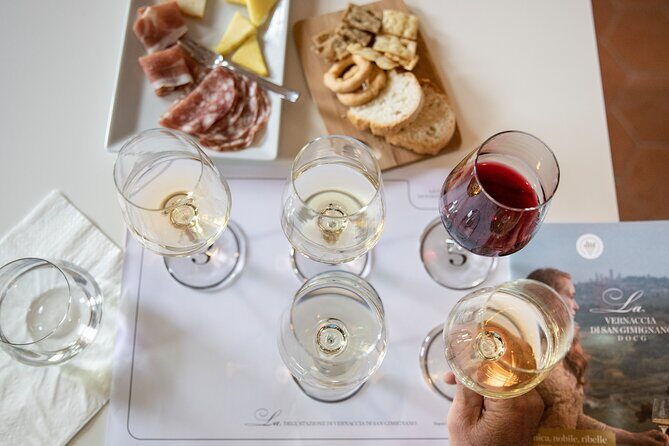
The tasting component is built around comparison. You will taste six local wines, designed to show how Vernaccia changes across different bottlings and how it plays with food.
Here’s what you can expect to sample:
- Two vintage Vernaccia di San Gimignano DOCG
- Two Vernaccia di San Gimignano DOCG Riserva
- A San Gimignano DOC red wine in its many declinations
- San Gimignano Vin Santo
That list alone is a solid reason to book, because it’s not just “try the local white once.” You’re tasting multiple versions from the same family of wine. The experience explicitly frames these as different expressions: vintages versus Riserva versions, plus the red wine comparison and the Vin Santo (which is typically richer and more dessert-like in style, even if exact tasting notes aren’t provided here).
What to do while tasting:
- Taste, then pause. Give your nose a second pass right after you swallow.
- Compare in your mind between the two DOCG vintages and between the two Riserva pours.
- Don’t force yourself to name every aroma. The goal is to recognize differences.
This is where the earlier aroma training pays off. One review highlighted how the aroma training before the tasting made tasting feel more sophisticated. That tracks with how this course is designed: you practice identifying aromas, and then the tasting becomes easier because you are already using the same mental framework.
Pairings and typical local products: learning by eating
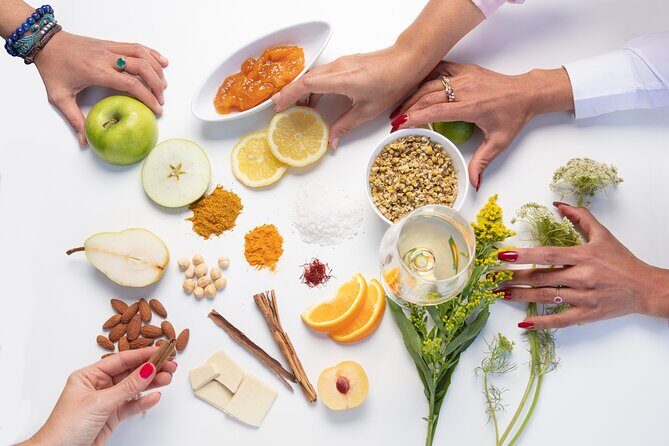
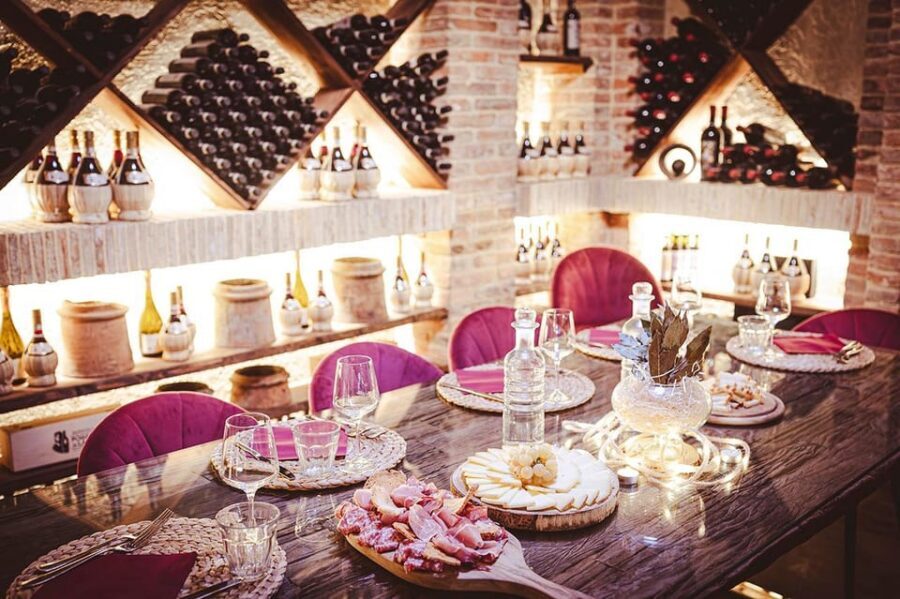
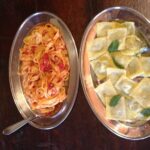
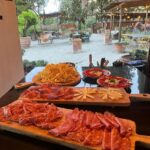
Wine is easier to understand when it’s paired with food. This experience includes a sample menu described as typical local products plus six territorial culinary excellences meant to delight both body and mind.
The key word for you here is pairings. This tour is set up so the wines are tasted alongside local bites, which helps you detect what a wine does to flavor and what food does back to the wine. A dry white can taste brighter with certain bites, and it can feel heavier or more rounded with others. Even without knowing the exact menu items in advance, you can expect this structure to train your palate fast.
Practical note: since the session is about two hours and includes food pairings, plan to treat this as a featured stop around lunch time. If you arrive hungry, you’ll enjoy the tasting more because you can focus on the way flavors change instead of thinking about your next meal.
You can also read our reviews of more tours and experiences in San Gimignano
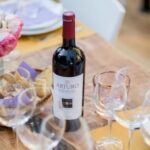
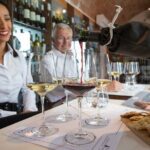
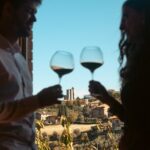
Group size at La Rocca: smaller groups make better learning
The experience caps at 12 travelers, which is a big deal for a tasting class. In a small group, you’re more likely to hear answers clearly and to get personalized attention if you ask why a wine tastes a certain way.
One review also described a class with only two other people (a father and daughter), and that smaller setup helped the course feel more personal. Even if you don’t get that exact ratio, the small ceiling still gives you better odds of a calmer, more conversational atmosphere.
If you’ve ever been stuck in a large group where the guide is rushing to keep up, you’ll probably appreciate this format more than you expect.
English-friendly instruction with a tight, repeatable method
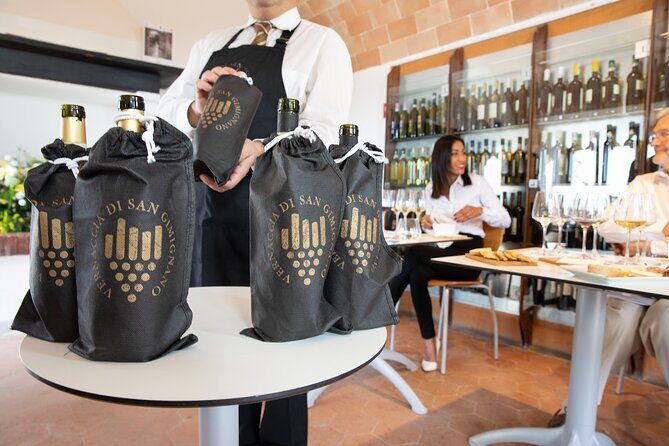
This experience is offered in English, and the lesson is structured so you can follow even if your wine knowledge is basic. The half-hour story gives context, the ten-minute aroma training gives a method, and the tasting gives proof.
That repeatable pattern is useful for you at home too. When you later taste Vernaccia elsewhere, you can reuse the same approach: smell for specific aroma groups, compare expressions, and notice how food pairing changes the experience.
Price and value: is $78.27 worth it?
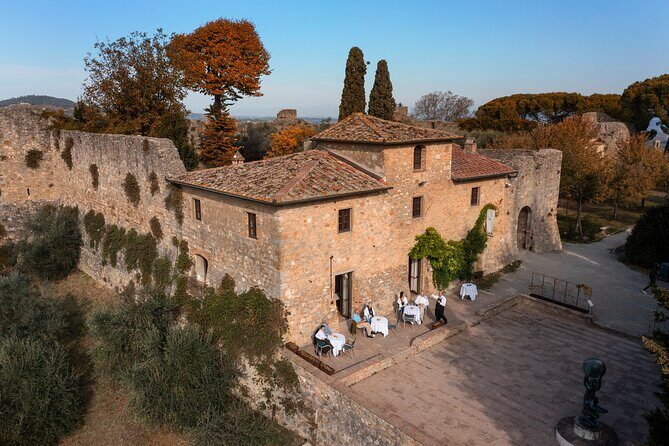
At $78.27 per person, you’re paying for more than a couple of tastes. Here’s what makes the price feel more reasonable than it might look at first glance:
- Two hours of guided education and guided tasting, so it’s not just a quick stop
- Six wines tasted in one sitting, including multiple Vernaccia versions
- Food pairings that are designed to work with the wines
- Aroma training in a dedicated perfume and spice room, which is the kind of “extra” not every tasting class includes
- Small group size (max 12), which supports actual interaction
If you like the idea of learning how to taste, not only what tastes good, this is the kind of class that gives you more lasting value than a standard wine flight.
If you’re the type who only wants a light taste and no instruction, you might find it more educational than you need. But the course is clearly built for people who want to get better at noticing what’s in the glass.
How to get more from the aroma lesson (so it sticks)
The aroma portion is short, so it helps to come in with the right mindset. You’ll do best if you treat those ten minutes like a mini skill session, not a lecture.
A few practical tips:
- Go in ready to pay attention to smell first, not just taste.
- Avoid strong scents on your own (perfume, heavily scented lotion), since smell training is the point.
- When you smell, try to describe what you pick up in categories like fruity, floral, spice-like, or nutty. You do not need perfect vocabulary—just patterns.
- During the tasting, connect the wine to the aroma training. If you remember one aroma group from earlier, you’ll feel the method working.
This is exactly the kind of detail that turns a good tasting into a memorable learning experience.
Who should book this Vernaccia lesson and tasting
This is a good match if you:
- Want to learn about Vernaccia di San Gimignano DOCG specifically
- Enjoy hands-on tasting that includes aroma training
- Prefer small group settings where questions are easier to ask
- Like food pairings and want a structured meal-adjacent experience
It may be less ideal if you:
- Only want a brief drink stop and you’re not interested in explanation
- Want lots of free time to roam the town during the activity window
Should you book this San Gimignano wine experience?
I think you should book it if your trip includes wine tasting and you want to leave with more than a pleasant memory. The combination of the museum-style story, the perfume and spice aroma training, and the lineup of six wines (including multiple Vernaccia expressions, a local red, and Vin Santo) is a strong package for the money and time.
If you’re deciding between a generic tasting and an actual lesson, this one leans into learning. And if you like the idea of understanding what you’re tasting, you’ll likely feel that “now I can taste better” effect that people mention when they talk about the aroma training.
FAQ
What time does the wine lesson and tasting start?
The tour starts at 12:00 pm.
How long is the experience?
It lasts about 2 hours.
How many wines are included?
You will taste six local wines, including multiple Vernaccia di San Gimignano DOCG options, a San Gimignano DOC red, and San Gimignano Vin Santo.
Where does the experience begin?
It starts at Pietraserena, Az. Agr. Arrigoni, Località Casale, 5, 53037 San Gimignano SI, Italy.
Is the tour offered in English?
Yes, it is offered in English.
What is the cancellation policy?
You can cancel for a full refund if you cancel up to 24 hours before the experience’s start time (local time). If you cancel less than 24 hours before, the amount you paid is not refunded.