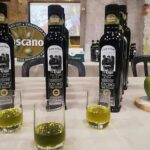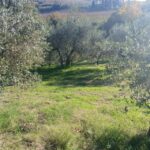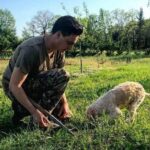
A truffle hunt in Tuscany feels like a secret. In San Gimignano, you search the woods with Domenico and his trained dog Cuba (Coo-ba) for real, edible treasure. I love how hands-on it is, and how fast you go from idea to action once the dog starts working.
Two things I especially like: you get real context, not just a walk in the forest—history, myths, legends, and basics of mycology are part of the experience. And you leave with fresh truffles to taste and take home, plus instructions for how to preserve and use them so you don’t treat this like a one-night-only souvenir.
One possible drawback: it does depend on good weather, since the hunt takes place outdoors and may be rescheduled or refunded if conditions are poor. If you’re only in town for one day, that timing matters.
In This Review
- Key highlights
- Truffle hunting in San Gimignano: why this is such a fun way to see Tuscany
- Meet Domenico and Cuba (Coo-ba): the real engine of the experience
- The 2-hour rhythm: from CoopVia Baccanella meeting to truffle tasting
- What you learn while the hunt is happening (and why it matters)
- The woods strategy: seasonal timing, low impact, and real outdoors time
- Taking truffles home: tasting now, using them later
- Price and value: what $120.41 buys you (and what to compare it to)
- Group size, language, and meeting point: smooth basics that help
- Weather and comfort: the small details that prevent stress
- Should you book this truffle hunt in San Gimignano?
- FAQ
- How long is the truffle hunting experience?
- Where does the experience start?
- Is the tour offered in English?
- What’s included in the price?
- What should I do at the end of the tour?
- Will I get to take truffles home?
- How many people are on the tour?
- What happens if the weather is bad?
- When will I receive confirmation?
- Are service animals allowed?
Key highlights
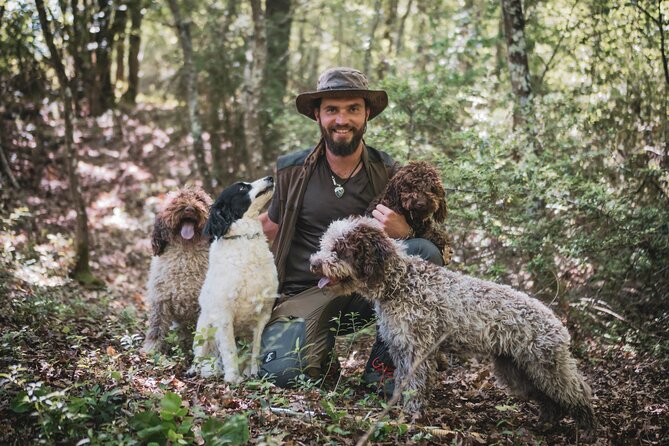
- Domenico + Cuba teamwork: a guide with a long family truffle background and a dog that finds truffles quickly
- Woods chosen by the season: the hunt happens in locations picked for the period when truffles are more likely
- Learn while you hunt: history, myths, and mycology basics during the walk
- Less time walking than you might expect: the search portion can be around 45 minutes
- You take truffles home: fresh finds, tasting included, with instructions for preserving and using
- Smallish group: up to 20 travelers, and the tour runs in English
Truffle hunting in San Gimignano: why this is such a fun way to see Tuscany
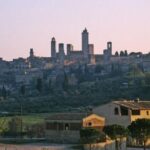
San Gimignano is famous for towers and stone lanes, but this experience pushes you a different direction. Instead of postcard views, you trade the street scene for the quiet edges of Tuscany’s woods. You’re not just watching someone else do the job—you’re getting the story of how truffles are actually found, using a dog that does the searching and a hunter who knows what to look for.
The most satisfying part is the moment the hunt becomes real. Truffles are one of those foods that sound glamorous, and then you realize it’s a living process—weather, soil, and timing. This tour turns a mystery into something you can understand in a couple of hours.
You also get a practical payoff. The tour isn’t only about the hunt. You walk, you learn, you taste, and then you take home fresh truffles with instructions so you can use them later.
You can also read our reviews of more tours and experiences in San Gimignano.



Meet Domenico and Cuba (Coo-ba): the real engine of the experience
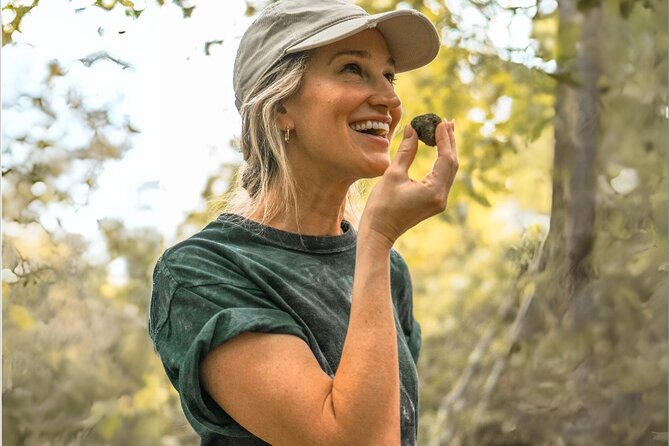
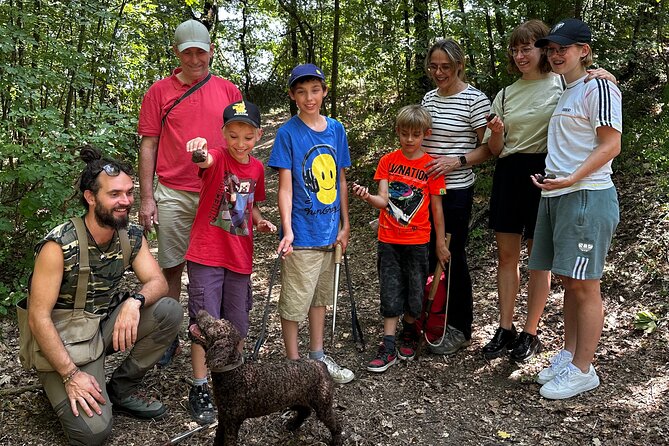
This is guided by Domenico, with a long family tradition in the truffle sector, and it’s very much a dog-led hunt. Cuba—sometimes mentioned as Coo-ba—isn’t a prop. Her job is to search, and she does it fast enough that you’ll feel the excitement in the group.
What I like about how this is set up is the balance between nature and expertise. You get the human side (where truffles grow, the tradition, the science basics), and you also get the animal side (how dogs are trained to find truffles). That combination makes the hunt feel authentic rather than staged.
Communication is offered in English, and even when a guide is still improving his language skills, you can still follow the experience. The key is that the content isn’t just vocabulary—it’s the process. Watch the dog work, listen to the guidance, and you’ll get the meaning even if a few sentences take a little longer.
The 2-hour rhythm: from CoopVia Baccanella meeting to truffle tasting
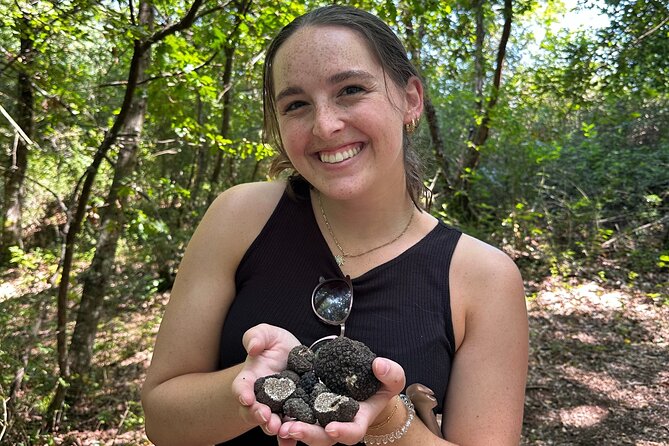
The tour is listed at about 2 hours. In practice, you’ll get a feel for that timing pretty quickly once you’re outdoors. You start and finish at the same place: CoopVia Baccanella, 35, 53037 San Gimignano SI, Italy.
Because the woods and search conditions vary, the walk is organized around when truffles are most likely to be found. The hunt itself can be short in terms of pure walking—some people have described the searching portion as roughly 45 minutes, which is plenty time to understand how it works without turning the day into a hike.
Here’s the flow you can expect:
- Meet and settle in at the meeting point, then head into the woods.
- Intro to truffles: you’ll learn the history, myths, legends, and basic mycology concepts.
- Search in the selected woods: you follow along as the hunt happens, with guidance on what the guide is seeing and what the dog is indicating.
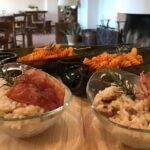
- Tasting and take-home: at the end, each participant receives fresh truffles to taste, and you’ll get instructions on how to preserve and eat them.
The tour also ends back at the meeting point, so you’re not left figuring out logistics after the fun part is over.
What you learn while the hunt is happening (and why it matters)
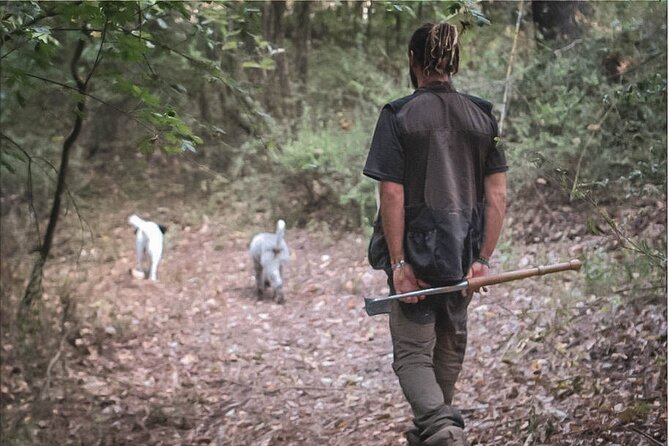
A lot of “food experiences” stay at the tasting stage. This one teaches you what’s going on underneath. You’ll learn where truffles grow and how they fit into local tradition—plus how dogs are trained to find them.
You also get myth and legend, but not in a way that feels like it replaces the real world. The tour’s approach is more like: yes, truffles have stories, and yes, there’s real biology behind the legend.
The mycology angle is key. Even if you’re not a science person, basics help you understand why truffles are so hard to find and why the guide’s choices matter. You’ll start noticing the difference between guessing and knowing.
And you’ll learn this in a setting that makes it stick. Walking through the woods while someone explains what the fungi need, how they behave, and how the hunt works gives you a mental picture you can actually use later when you cook with your own truffles.
The woods strategy: seasonal timing, low impact, and real outdoors time
This tour runs on the idea that truffles don’t appear everywhere at any time. The guide explores woods chosen according to the period, meaning the search is planned based on the season and what’s realistically available.
That matters because it turns the hunt from a gamble into a craft. A good truffle hunter isn’t just walking around and hoping. You’re seeing a method—guided by local knowledge and tradition.
You’ll also be in what the experience describes as uncontaminated woods. Translation: you get outdoors time that feels grounded and quiet, not like you’re stuck in a busy park or a fenced-off “nature theme.”
You should expect to be outside the whole time, so dress for a real walk in natural ground. You don’t need to train like for a marathon, but you do want shoes you’re comfortable with in uneven terrain.
Taking truffles home: tasting now, using them later
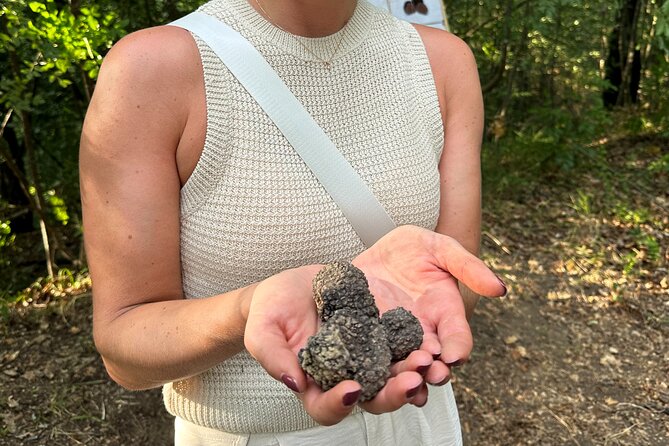
This experience includes fresh truffles for each participant—both to taste and to take home. That’s where the tour earns its keep.
The biggest value isn’t just that you get truffles. It’s that you get guidance on what to do with them. The tour includes instructions on how to preserve and eat your truffles, so you’re not left wondering how long they last or how to get the best out of them.
One practical tip that comes from how people talk about the experience: don’t waste a bite. Truffles are expensive by nature, so you’ll want to treat them as a small, special ingredient. The tasting part also helps you understand what you’re working with before you cook.
If you’re cooking later in your trip, this is a great match for travelers who like to eat simply but with great ingredients. Think less about turning it into a huge production and more about letting the flavor lead.
Price and value: what $120.41 buys you (and what to compare it to)
At $120.41 per person, this isn’t a budget-only activity. So I look at the value in three parts:
- Expert guiding: Domenico’s background and the structured intro about truffles and the hunting process.
- A real search with a trained dog: this isn’t a generic “walk and hear a story” format.
- Fresh truffles included: the take-home portion is the big deal, plus tasting and care/use instructions.
If you’re comparing it to a paid cooking class, you’re getting a different kind of education—more outdoors and more “ingredient sourcing.” If you’re comparing it to buying truffles in a shop, you’re paying for the full experience around the ingredient: understanding, tasting, and learning how to handle what you bring home.
For me, the sweet spot is when you want a Tuscany memory you can feel and not just photograph. This is one of those activities where the food has a story because you were part of the process.
Group size, language, and meeting point: smooth basics that help
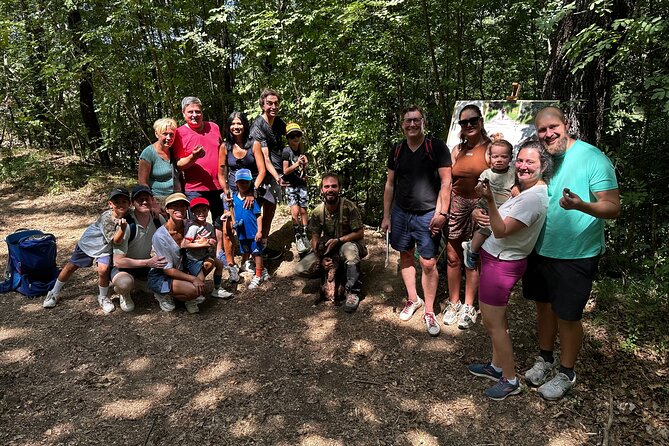
The tour caps at 20 travelers. That size is large enough to keep it social, but small enough that you should still be able to focus on the guide and the dog.
It’s offered in English, and you receive a mobile ticket. Confirmation comes within 48 hours of booking, depending on availability.
Timing matters too. Tours run within 8:00 AM to 8:00 PM (Monday through Sunday). If you’re in San Gimignano for a short stay, consider booking a time that gives you buffer for weather changes, since the hunt requires good conditions.
And yes, you’ll want to arrive at CoopVia Baccanella, 35 a few minutes early. This is one of those tours where being late cuts into the whole plan.
Weather and comfort: the small details that prevent stress
This experience requires good weather. If it’s canceled because conditions are poor, you’ll be offered a different date or a full refund.
So, how do you plan smartly?
- Book when you can adjust if needed.
- Wear comfortable shoes for uneven ground.
- Keep a light layer in your day pack, since outdoor temps can feel different once you move off the street.
The hunt is also described as doable for most travelers, and service animals are allowed. If you have mobility concerns, focus on footwear and your comfort walking on natural paths. The tour is time-limited (about 2 hours), which helps.
Should you book this truffle hunt in San Gimignano?
Book it if you want an experience that turns a famous Italian ingredient into something you actually understand. I’d especially recommend it if you:
- like food adventures that teach you real process, not only tasting
- want a short outdoor activity without committing to a long trek
- enjoy learning about local tradition with practical take-home value
- travel with kids or family members who enjoy seeing an animal do a job (Cuba is a star)
Skip or reconsider if you:
- have only one day in town and no flexibility at all (weather can shift plans)
- hate being outdoors in variable conditions
- expect a long hiking tour rather than a guided search
If you fall into the “I want something different in Tuscany” category, this is a strong choice. The combo of Domenico’s knowledge, Cuba’s search work, and fresh truffles with instructions makes it feel like more than a novelty. It’s a real, hands-on taste of how truffles fit into life in these woods.
FAQ
How long is the truffle hunting experience?
It lasts about 2 hours.
Where does the experience start?
It starts at CoopVia Baccanella, 35, 53037 San Gimignano SI, Italy.
Is the tour offered in English?
Yes, it’s offered in English.
What’s included in the price?
You get an expert truffle hunter guide, an introduction to truffles (history, myths/legends, and mycology basics), exploration of the woods to search for truffles, plus fresh truffles to take home and taste with instructions on how to preserve and eat them.
What should I do at the end of the tour?
The activity ends back at the meeting point.
Will I get to take truffles home?
Yes. Each participant receives fresh truffles to take home, plus tasting and instructions.
How many people are on the tour?
The group is limited to a maximum of 20 travelers.
What happens if the weather is bad?
This experience requires good weather. If it’s canceled due to poor weather, you’ll be offered a different date or a full refund.
When will I receive confirmation?
You should receive confirmation within 48 hours of booking, subject to availability.
Are service animals allowed?
Yes, service animals are allowed.