REVIEW · BOLOGNA
Traditional bolognese pasta making with a meal
Book on Viator →Operated by COOKINBO di FRUSTERI MARCO · Bookable on Viator
Fresh pasta, made in a real Bologna home. In Irene and Marco’s family-run house, you roll dough with a pin and special tools to shape three pasta types the Bologna way, then sit down to eat them with wine and regional sauces. What I like most is the step-by-step teaching in English and the fact that it feels like a shared meal, not a staged demo. One possible drawback: it’s a home setting, so expect a cozy, slightly tight kitchen setup.
This class runs about 2.5 hours, and you’ll leave with a practical skill you can actually repeat. Pickup is optional (extra cost), and you may find it easier to plan on your own arrival if you want smooth timing at the start.
In This Review
- Key things that make this pasta class worth your time
- A family-run Bologna kitchen with Irene and Marco
- Hands-on pasta basics: rolling, tools, and a dough you can trust
- Three pasta shapes in one session: what you’ll likely make
- The Bologna lunch table: wine, sauces, and a sweet ending
- Food Valley flavors and the stories behind them
- Price, group size, and what you truly get for $102.58
- Getting there in Bologna: meeting point and optional pickup
- Who should book this pasta-making class?
- Should you book it?
- FAQ
- What is the duration of the pasta-making class?
- What is included in the price?
- What pasta shapes will we make?
- Does this class offer pickup from a nearby location?
- Is the tour offered in English?
- How many people are in the group?
- Can dietary restrictions be accommodated?
- What are the rules if I need to cancel?
Key things that make this pasta class worth your time
- A family-home setting with Irene and Marco, so the pace is warm and personal
- Three different pasta shapes taught in one session, using roller pin and tools
- Lunch built around what you make, with wine, special sauces, and a sweet finale
- Seasonal menu flexibility (tortelloni, ravioli, tagliatelle), so you get local variety
- Small-group feel (capped at 40 total), which helps questions and hands-on help
- Allergy support can be possible, including gluten intolerance if you ask ahead
A family-run Bologna kitchen with Irene and Marco
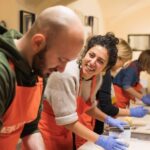
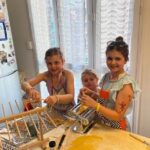
The best part of this experience is the setting. You are not standing around a kitchen counter watching someone else work. You’re in Irene and Marco’s family home in Bologna, learning pasta-making as it’s done in real households: calm, hands-on, and rooted in local routine.
I love that the hosts teach with an easy English approach. That matters because pasta is all about technique—how you handle dough, how you work it, and when it’s ready to shape. When the instructions are clear, you stop guessing and start getting results fast.
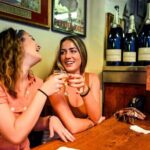
Another big plus is the atmosphere. The meal afterward is not an afterthought. It’s tied to what you made, and the hosts treat it like a shared table moment. That’s how you get the best kind of travel memory: not just photos of food, but the full loop of work, taste, and conversation.
One thing to keep in mind: you’re in a domestic space. That can be great for authenticity, but it also means there’s less space than a big cooking school. Dress comfortably, and expect to move with the group while you work.
You can also read our reviews of more cooking classes in Bologna
Hands-on pasta basics: rolling, tools, and a dough you can trust
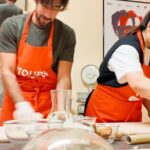
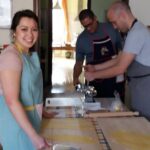
This is a practical class. The main goal isn’t fancy plating. It’s learning how to make dough and shape it correctly using a roller pin and special tools. You’ll work from start to finish, including forming multiple pasta shapes from the same session.
What I think you’ll appreciate is how the teaching supports both beginners and confident cooks. Pasta looks intimidating, but the process is surprisingly learnable once someone shows you the steps and what to watch for. Pay attention to how the dough feels as you roll it and how it behaves when you shape it. That tactile feedback is where the skill lives, and it’s exactly what you want for cooking back home.
You’ll also get a sense of the Italian family-philosophy side of cooking—how people see food as a routine and a relationship, not just a chore. Even if your kitchen at home is small (it probably is), the methods transfer well. The goal is not perfection; it’s repeatability.
Small tip for you: go in ready to get flour on your hands. If you try to stay too clean, you’ll fight the process. Bring patience, and you’ll be surprised how quickly you can make something that looks like real Bologna pasta.
Three pasta shapes in one session: what you’ll likely make
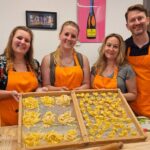
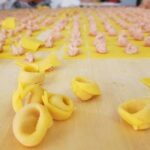
The menu is built around three different pasta shapes, and the exact types can shift with the season. You can usually expect options like tortelloni, ravioli, and tagliatelle. The key idea is that you practice variety, not just one form.
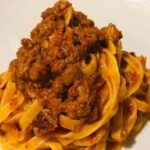
Here’s why that matters for you: different shapes teach different techniques. Tagliatelle focuses on rolling and cutting consistency. Filled pastas like tortelloni or ravioli teach portioning and shaping, including how to seal and keep the filling in place. Learning multiple styles in one go is the fastest way to understand pasta beyond one trick.
Also, you’ll learn what local tradition looks like in practice. Bologna pasta isn’t only one look. It’s a whole range of forms that show up on tables across the region.
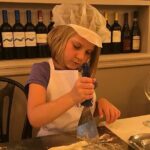
A practical consideration: filled pasta takes more coordination than flat pasta. If you’re traveling with kids or anyone who gets impatient, plan for a slightly slower pace while you shape and assemble. The upside is that you’re doing it with help right next to you, so mistakes become part of learning instead of a deal-breaker.
The Bologna lunch table: wine, sauces, and a sweet ending
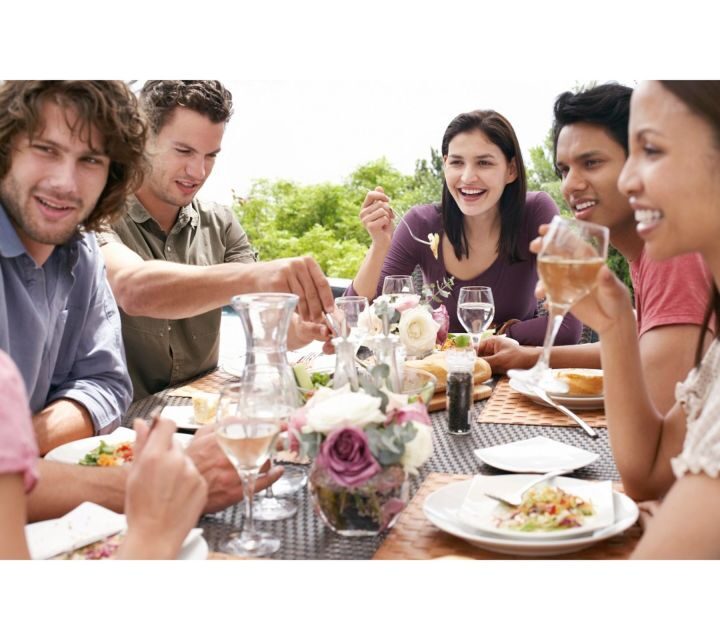
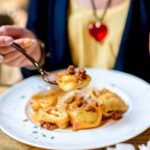
After shaping, you eat what you made. That sounds simple, but it’s the best kind of cooking class payoff: you taste your work while it’s still fresh in your hands and your head.
The meal includes lunch and comes with wine and special sauces. You’ll also get an end-to-end experience with a sweet surprise dessert to finish the meal. The dessert can be home-made or tied to Marco’s creations, depending on what’s happening.
This is a value point worth thinking about. At $102.58 per person, you’re paying for three things at once: (1) instruction, (2) ingredients and equipment for the pasta lesson, and (3) a full meal with wine and dessert. If you’ve taken classes where you make a small sample and then eat bread and a sad salad, this one is structured more like an actual hosted meal.
One note about portions: food quantity can vary depending on whether the class includes adults-only or families with kids. Kids often interact with dough differently during the process, and the pacing and portions can be adjusted to match that. If you’re coming with a big appetite, you’ll do best arriving ready to work and eat at the table without assuming it will behave like an all-you-can-eat dinner.
If you’re the type who wants seconds, ask politely during the meal. The host energy is part of the charm, and the kitchen is working in real time.
Food Valley flavors and the stories behind them
Bologna food isn’t just ingredients. It’s also context—why certain products matter, what locals talk about at the table, and how regional tastes show up in daily life.
During the class and meal, you may hear conversation that connects pasta to the broader Food Valley culture. You might even catch anecdotes about regional traditions, including balsamic heritage (one important local topic that often comes up in Bologna conversations).
Don’t worry if you don’t know any of this ahead of time. The point is not a lecture. You’re learning while eating and listening, which is the most memorable way to pick up food knowledge. You’ll come away with practical understanding, like what choices matter in dough, and how sauces and finishing sweets fit into a complete meal.
If you like travel that feels lived-in—market talk, home-table rhythm, local food vocabulary—this class hits that target. It’s also a good match if you want to meet other people in a friendly group setting without the pressure of big tours.

Price, group size, and what you truly get for $102.58
Let’s be honest about cost. At $102.58 per person for about 2 hours 30 minutes, you’re not buying a bargain. You’re paying for a hosted experience with real instruction in a home setting, plus lunch and wine.
Here’s how I evaluate the value for you:
- You get hands-on practice making three pasta shapes, not just watching.
- The meal is included, and it’s built around tasting what you made, with wine and sauces plus dessert.
- The group is capped at 40 total, which usually keeps the experience from feeling like a conveyor belt.
There’s also a soft value that’s hard to price: the warmth. Many cooking classes teach techniques well, but fewer ones manage the full hosting role. In this case, the hosts are part of the appeal—engaging, patient, and encouraging, which matters if you’re nervous about cooking.
The one caution is quality-versus-price expectations. Some people judge cooking classes by ingredient extravagance, like they’re comparing to a high-end restaurant. If that’s your mindset, you might be more sensitive to how the meal is put together. If your goal is learning real local methods and eating well at a family table, this class tends to feel fair.
Getting there in Bologna: meeting point and optional pickup
Logistics can make or break the first 10 minutes, so plan carefully. The meeting point is Viale ABRAHAM LINCOLN, 56, 40139 Bologna. The activity ends back at the same meeting point.
There’s also pickup offered for an extra fee of €20 per person, including pickup and drop-off. You need to book pickup at least two hours before the experience starts, and you pay the host directly by cash or credit card.
Two practical tips:
- If you’re arriving by public transportation, check your last-mile walking plan ahead of time. The meeting area is near public transportation, but Bologna is full of narrow streets and subtle turns.
- If you want zero stress, choose pickup. Just make sure you organize your timing early, since you’re relying on a host-arranged vehicle rather than a fixed schedule.
If you tend to run late, it’s better to build in extra buffer. In a home-class setting, the group starts together so everyone can learn on the same timeline.
Who should book this pasta-making class?
This class is a strong fit for you if you want:
- A hands-on food experience in Bologna, not just tasting
- Clear guidance in English
- An authentic home-table feel with wine and dessert
- A practical skill you can repeat later
It also works for families. You may find it especially engaging for kids who like making things with their hands. Just keep in mind that class portions and pacing can shift when children are involved.
If you have a gluten intolerance or other dietary needs, ask when you book. Accommodation has been possible for gluten intolerance in at least one case, but you should confirm directly so you’re not surprised.
Finally, if you’re traveling solo, this type of small hosted class is often a good social setup. You get paired into the group energy, then everyone shares the meal together at the end.
Should you book it?
Yes, you should book this pasta-making class if you want a genuinely local Bologna experience: real family hosting, three pasta shapes you can actually learn, and a lunch you’ll remember because it includes the food you made.
Book it now if your priorities are technique and atmosphere, not just ingredient luxury. Skip it (or at least set your expectations carefully) if you need a big, spacious professional kitchen or if you expect a restaurant-style quantity of food every time.
If you want Bologna in one bite plus one skill you can carry home, this is a strong pick.
FAQ
What is the duration of the pasta-making class?
It lasts about 2 hours 30 minutes.
What is included in the price?
Lunch is included.
What pasta shapes will we make?
You will make three different pasta shapes. Depending on the season, it can be tortelloni, ravioli, and tagliatelle.
Does this class offer pickup from a nearby location?
Yes. Pickup is available for an extra €20 per person, including pickup and drop-off. It must be booked at least two hours before the experience starts and is paid directly to the host.
Is the tour offered in English?
Yes. The class is offered in English.
How many people are in the group?
The maximum size is 40 travelers.
Can dietary restrictions be accommodated?
The experience allows service animals, and gluten intolerance has been accommodated in one case. If you have allergies or special dietary needs, contact the host when booking so you can confirm what’s possible.
What are the rules if I need to cancel?
You can cancel for free up to 24 hours in advance for a full refund. If you cancel less than 24 hours before the start time, the amount paid is not refunded.