REVIEW · FLORENCE
Florence: Skip-the-Line Uffizi Gallery Small Group Tour
Book on GetYourGuide →Operated by CAF Tour & Travel · Bookable on GetYourGuide
Skip the line, skip the stress. This small group Uffizi tour is built for getting you into one of Florence’s most famous art collections faster, with a local guide helping you read the masterpieces as you go.
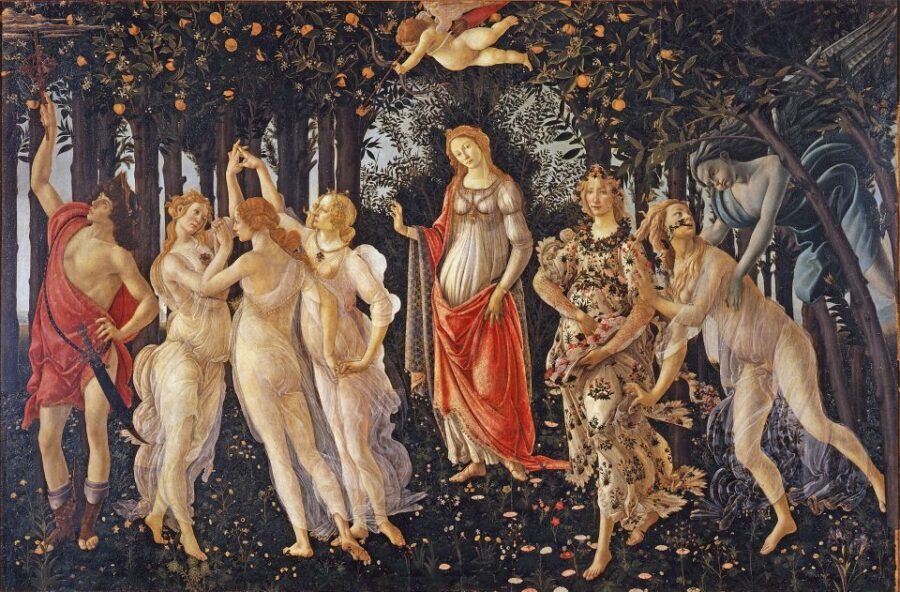
I like two things right away: the tour runs with a tight group size (limited to 9) and includes headsets, so you’re not stuck craning and guessing. I also like the way the highlights are picked for maximum payoff in a short visit, especially Botticelli’s Birth of Venus and Primavera, plus the museum setting in Giorgio Vasari’s 16th-century building.
One drawback to plan around is time. With only 1 to 1.5 hours of guided time, you’ll see a smart selection—not the whole museum—and you’ll need comfy shoes and good focus to get your money’s worth.
In This Review
- Key points worth your attention
- Why this Uffizi skip-the-line setup works
- Getting your ticket fast at the meeting point
- What the guided portion actually feels like
- The main hall highlight: Birth of Venus (and why it matters)
- Beyond Botticelli: Michelangelo, Da Vinci, Giotto, and the Renaissance link
- The building itself: Giorgio Vasari’s 16th-century design
- Uffizi Terrace after the tour: see Florence through art’s lens
- Time management: how to make 1 to 1.5 hours feel like more
- Price: is $75.90 a good value?
- Who this tour suits best (and who should think twice)
- Practical tips so you don’t waste your slot
- Should you book this Uffizi small group skip-the-line tour?
Key points worth your attention
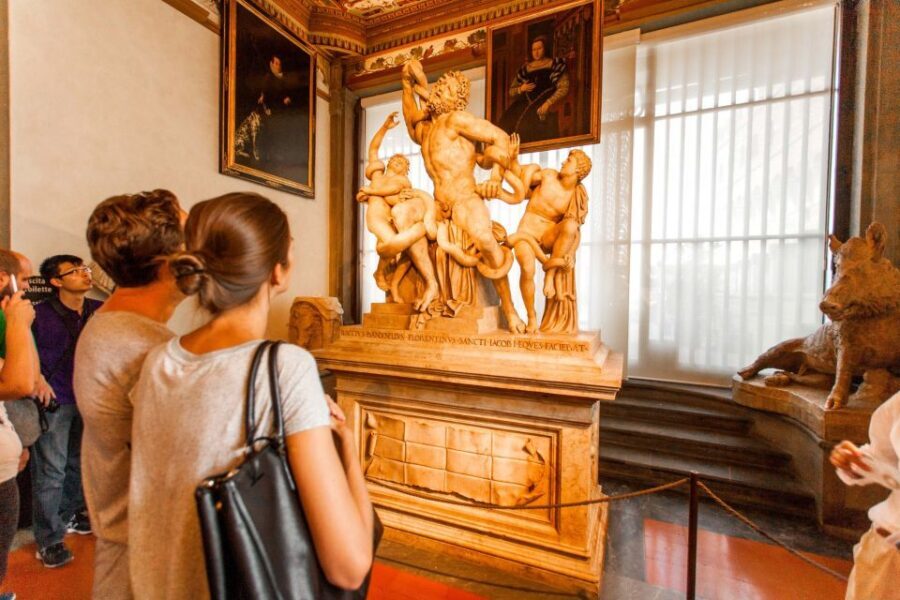
- Timed entry plus real skip-the-ticket-line help, so your first minutes in the Uffizi aren’t spent staring at counters
- Headsets included, which makes the guide’s explanations easy to follow in crowded rooms
- Botticelli-led highlights like Birth of Venus and Primavera, with context you can actually use
- A small group (max 9) that tends to feel more like a focused art lesson than a herd walk
- Uffizi Terrace access after the guided portion, for a Florence view that changes the mood
- No big bags or pets, so your visit stays efficient and smoother on entry
Why this Uffizi skip-the-line setup works
The Uffizi can be a perfect storm. It’s world famous, it’s packed with must-sees, and the building’s layout can make even confident people feel a bit lost. This tour solves the first problem—entry friction—by pairing a reservation/guaranteed entry time with a genuine skip-the-ticket-line approach.
The second thing I appreciate is that you’re not left alone with a floor plan and good intentions. You get a local guide and headsets, which matters here because the most interesting bits of art aren’t always obvious at a glance. You’re paying for interpretation, not just access.
And you’re not just walking past pretty paintings. The tour is set up around Renaissance masterpieces by artists you’ve heard of—Michelangelo, Da Vinci, Giotto, Botticelli—and it also gives you a sense of how the ideas of the time shaped the images you’re staring at.
You can also read our reviews of more museum experiences in Florence


Getting your ticket fast at the meeting point
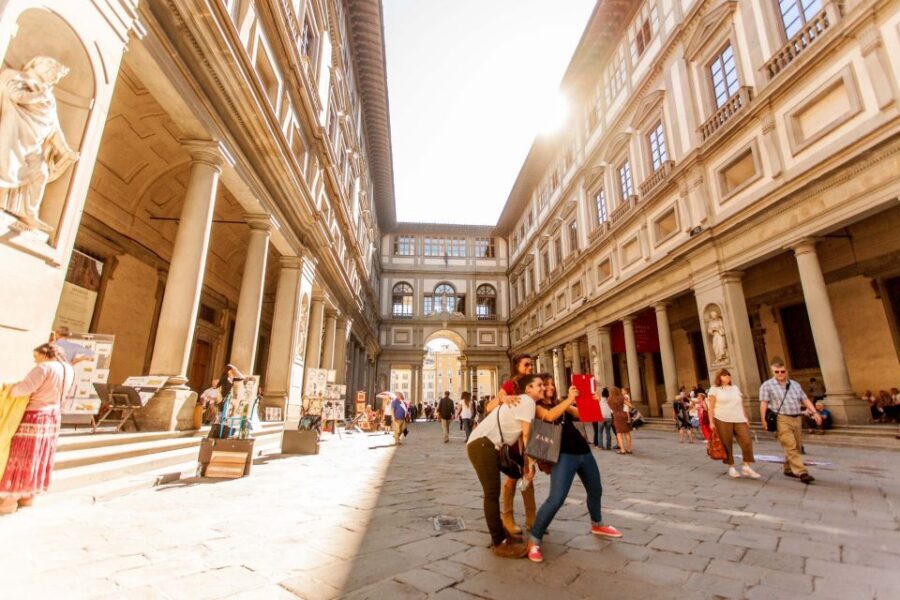
This experience is designed to start cleanly. The meeting point can vary by the option you book, and you’re expected to arrive at the check-in time listed. When you get there, an assistant delivers your entrance ticket directly at the meeting point, in front of the museum.
That detail matters. It reduces the classic Florence problem: you finally find the right meeting spot, then spend time figuring out where the ticket desk is and what line you belong in. Here, you show up, get your ticket, and move with the group.
One more practical note: the museum experience has limits. Pets are not allowed, and luggage or large bags aren’t allowed either. So keep your load light. If you typically travel with a “just in case” tote, this is the time to go smaller.
What the guided portion actually feels like
Your guided tour is short—1 to 1.5 hours—so the guide has to make choices. That’s not a flaw. In a museum this big, a focused route can be the difference between enjoying art and spending the whole day tired and numb.
Because it’s a small group (limited to 9), you’re less likely to get stuck behind a line of shoulders at every stop. You also get headsets, which is a big deal when you’re in rooms where the crowd noise can swallow normal conversation. Even better, the guide’s job is to stitch the highlights into a story, so you’re not just seeing isolated frames.
You might end up with different guides depending on the day. The names Patrizia Ghiribelli and Antonio appear in past experiences, and the common thread is easy: they’re comfortable turning famous works into something you can understand quickly. If your guide has that style, you’ll feel the gallery click into place faster.
The main hall highlight: Birth of Venus (and why it matters)
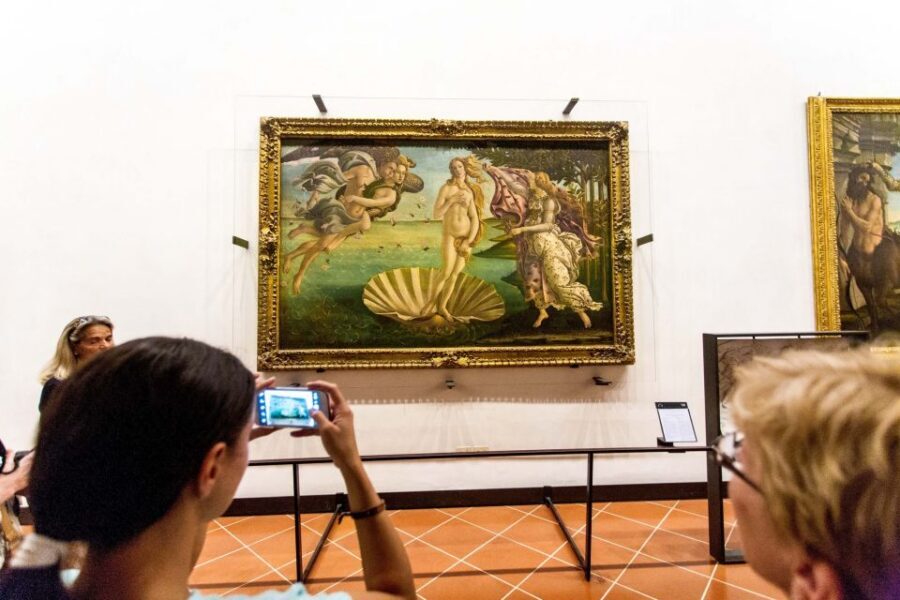
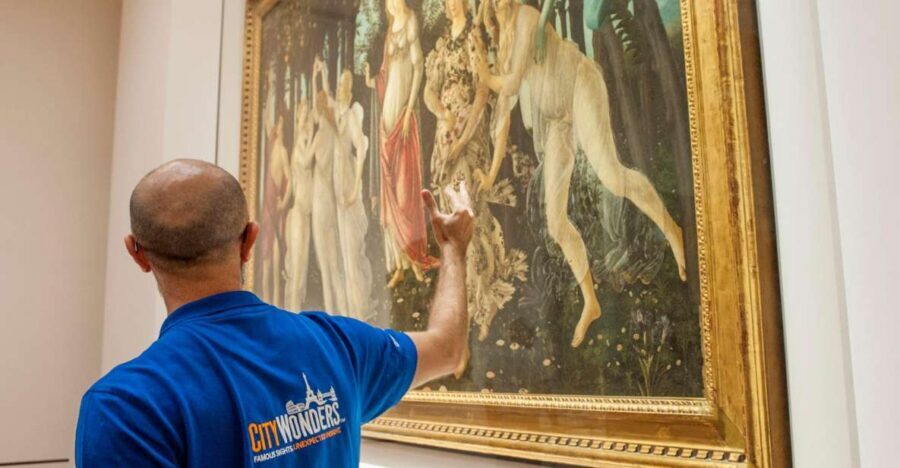
The centerpiece focus is Botticelli’s Birth of Venus. The tour route is built around the main exhibition hall where Birth of Venus is the standout piece, and the guide explains what you’re looking at beyond the obvious.
The painting shows the goddess emerging from sea foam, but the tour goes one step deeper into meaning. You’ll hear how the image fits Renaissance Neoplatonic ideas—how beauty could connect to purity and a spiritual essence, not just decoration. That kind of context changes how you view details like gesture, posture, and symbolic placement.
After Birth of Venus, you’ll also see key Botticelli works such as Primavera. These aren’t random “famous paintings” stops. They’re chosen because Botticelli’s themes and imagery are part of the Renaissance conversation the way people used to read literature—through layered meanings.
If you’ve ever thought art labels are too dry, this is the part where the guide helps you notice what you’d otherwise skip. It’s still only a short visit, but you’re learning how to look, not just where to stand.
Beyond Botticelli: Michelangelo, Da Vinci, Giotto, and the Renaissance link
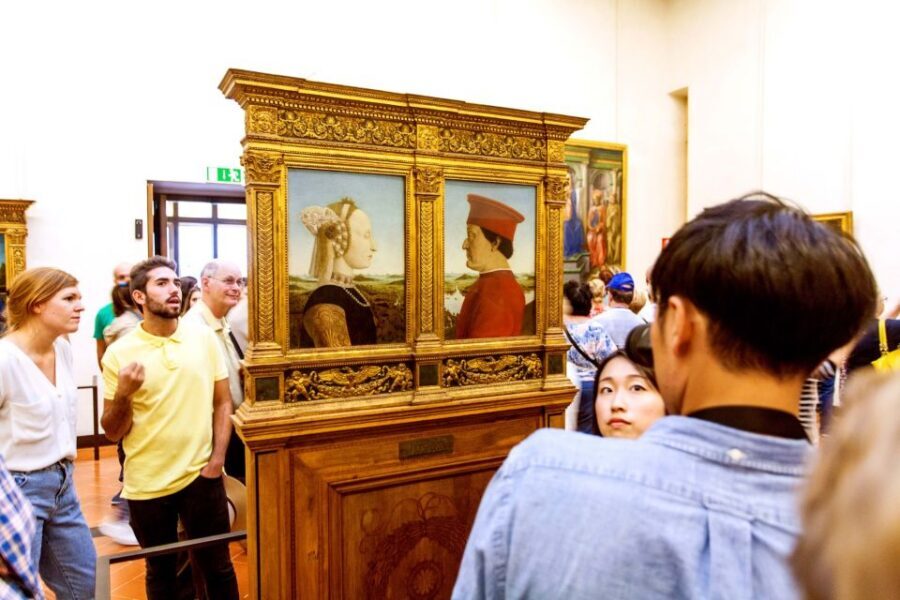
The Uffizi isn’t a one-artist museum. It’s a collision of schools and personalities. This tour keeps that big-picture feel without trying to cover everything.
Expect to encounter other Renaissance heavyweights named in the highlights—Michelangelo, Da Vinci, and Giotto—along with additional famous works tied to the same era of thinking. In practical terms, this means you’re not walking in blind. The guide’s job is to connect the dots so the room doesn’t become a blur of gold frames.
Also, the Uffizi is famous for helping you see how artistic priorities shift over time: realism, symbolism, human forms, and religious or philosophical ideas. In a short guided route, you won’t “study” the whole movement, but you can leave with a clear understanding of what to look for next time you’re back in Florence.
You can also read our reviews of more tours and experiences in Florence

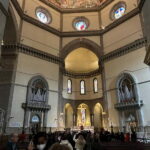
The building itself: Giorgio Vasari’s 16th-century design
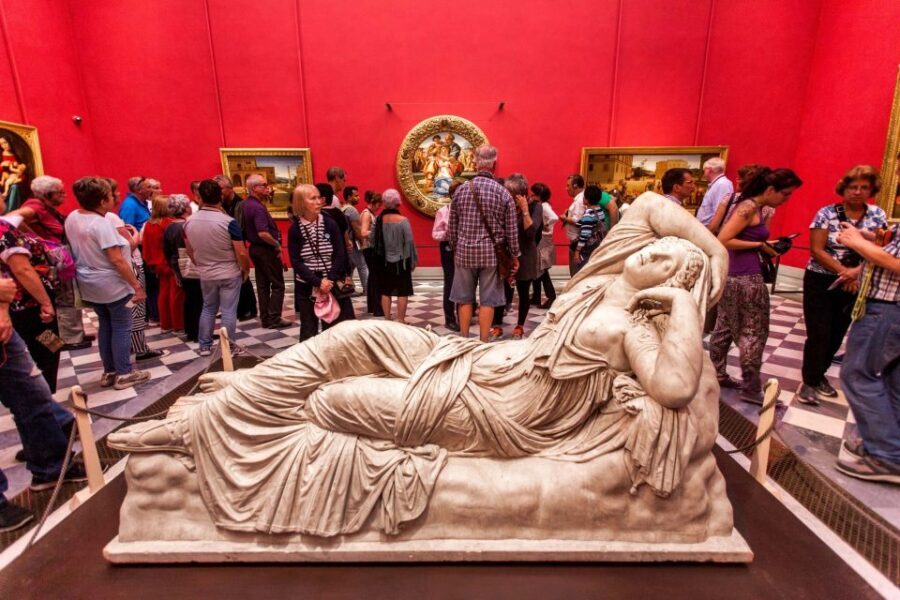
You’re also touring the setting. One of the listed highlights is the 16th-century building designed by Giorgio Vasari. That’s not just architecture trivia—it affects your experience.
When you’re in a museum with this kind of design, the flow of rooms and corridors can change your sense of pacing. Vasari’s building isn’t a generic box. It shapes where crowds form and how you naturally move from hall to hall.
That’s why a guide matters. They’ll help you keep a comfortable tempo in tight spaces and avoid wasting your limited time wandering without a plan. Even if you love wandering, you’ll probably appreciate having someone steer you through the most meaningful routes.
Uffizi Terrace after the tour: see Florence through art’s lens
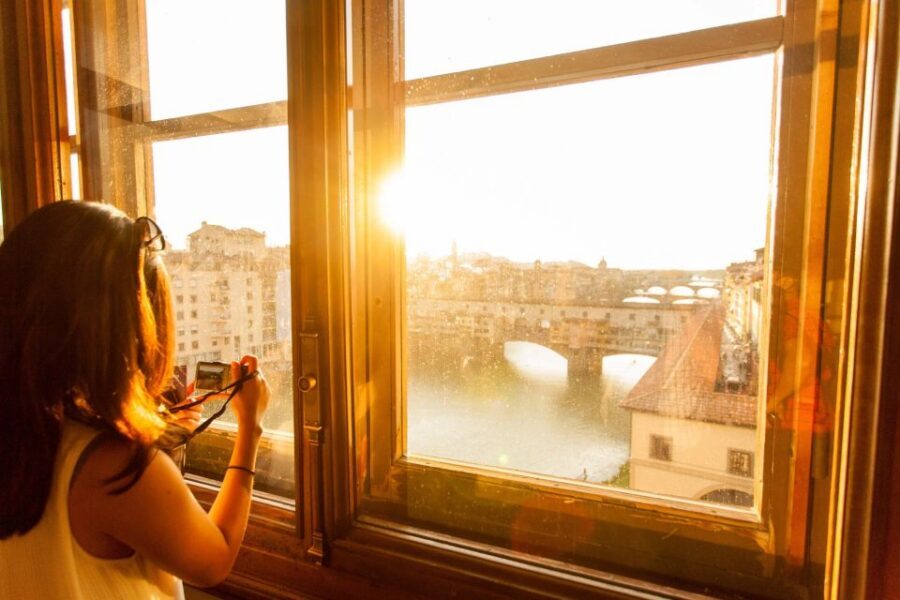
Once the guided portion ends, the experience continues at the Uffizi Terrace. The idea is simple: after spending time reading paintings, you step outside to a view that puts Florence back in your hands.
The terrace is described as offering an exclusive view of Florence’s landmarks. That’s a smart emotional reset. Indoors, you’re focused on symbolism and technique. Outdoors, you get the geography of the city and a sense of why these artists—and their patrons—cared so much about beauty, power, and perspective.
Then you can explore at your own pace. In other words, you don’t have to keep listening to explanations you might not want after the guided highlights. You can go back to the rooms that hit you hardest and slow down.
Time management: how to make 1 to 1.5 hours feel like more
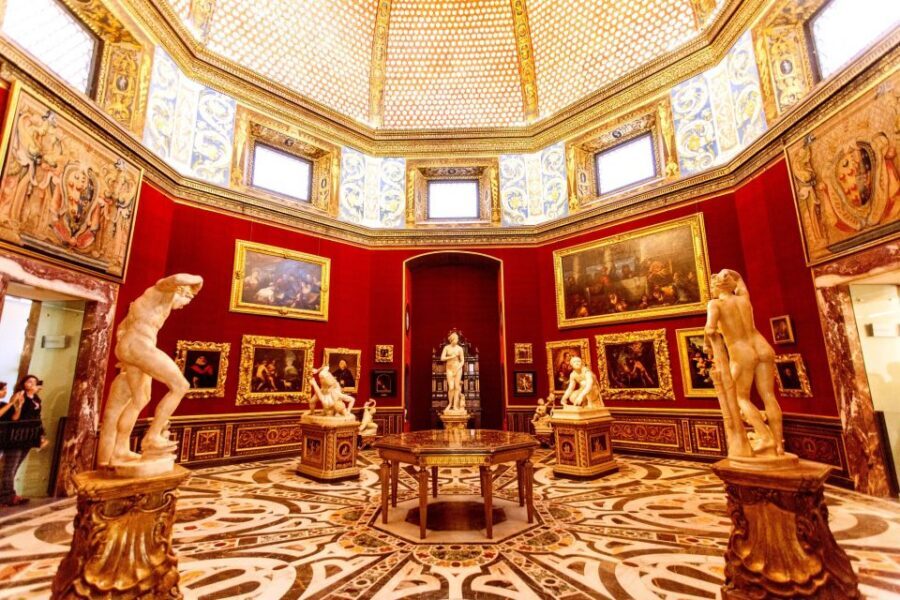
A short tour can disappoint if you expect a full Uffizi day. Don’t. Plan for a high-impact highlight reel.
Here’s how to make the most of it:
- Show up with your bearings. Arrive at the check-in time stated, because late arrivals can mean you simply miss the visit with no refund or reschedule.
- Wear shoes you can stand in. The tour asks for comfortable footwear, and you’ll earn that advice.
- Decide ahead of time what you want most. If Birth of Venus and Primavera are your anchors, let the rest be bonus context rather than pressure.
Also, remember that the Uffizi is large. Even with guided help, you’ll likely leave feeling like you saw enough to understand the museum’s “why,” not enough to exhaust it. That’s normal—and honestly, it can be a good kind of normal. It sets you up to return later and go deeper.
Price: is $75.90 a good value?
$75.90 isn’t the cheapest way to enter a museum. But it isn’t charging you for paint and marble. It’s charging you for three things that are hard to replicate on your own:
1) Guaranteed museum entry time, which helps you plan around peak crowds
2) Skip-the-ticket-line entry support, so you don’t lose energy at the counter
3) A small group guide with headsets, which turns a confusing museum into an understandable route
For short-time visitors, this is often the real value equation. If you only have a few hours in Florence and the Uffizi is on your list, paying for a tight guided highlights plan can save you from spending your best time stuck in queues—or spending it aimlessly under museum rules.
The group size matters here too. Max 9 participants plus headsets means you’re paying for attention, not just presence.
If you’re staying in Florence longer and don’t mind doing the museum on your own, you could choose a cheaper entry ticket route. But if your priority is to see the main masterpieces with context and zero ticket-counter stress, this pricing starts to make sense fast.
Who this tour suits best (and who should think twice)
This tour is a strong match if:
- You want the Uffizi without the “start-up hassle” at the ticket desks
- You like art, but you don’t want to build a museum game plan from scratch
- You value small group pacing and clear audio (headsets help a lot)
It may be a weaker match if:
- You want to spend hours in one room, reading slowly and taking in everything without a timed route
- You travel with lots of gear and aren’t willing to travel light (large bags and luggage aren’t allowed)
- You’re the type who hates structured timing. The visit can’t wait for you to wander; it runs on a schedule.
Language is also worth checking. The tour is listed for Spanish and English. From April to October, it says the tour may be monolingual. From November 1, 2024 until March 31, 2025, Spanish is confirmed with a minimum of 4 participants. Operationally, the service may be provided in two languages due to reasons outside your control.
Practical tips so you don’t waste your slot
A few plain, high-payoff tips:
- Bring comfortable shoes. You’ll stand and move more than you think.
- Don’t show up late. Arrival on time at the meeting point matters, and late arrival can mean no entry and no refund.
- Travel light. No pets, and no luggage or large bags.
- If you’re visiting on the first Sunday of the month, here’s the calendar gotcha: entrance is free, but tickets can’t be reserved ahead of time, so entry isn’t guaranteed.
If you care about comfort, remember the pace is tight. You’ll get a selection of works with explanations. You won’t get the whole gallery in one sitting.
Should you book this Uffizi small group skip-the-line tour?
I’d book it if you want a fast, meaningful Uffizi hit: guaranteed entry time, small group size, headsets, and a guide-led route that focuses on the famous anchor works like Botticelli’s Birth of Venus and Primavera. The Uffizi is too big to gamble your time on wandering, especially if your Florence schedule is limited.
I wouldn’t book it if you’re hoping to cover the entire museum in one go or you prefer a slow self-guided day with no structure. In that case, you might prefer a longer, self-paced visit.
If you fall somewhere in the middle—short on time, eager to understand the masterpieces before you drift away—this is the kind of tour that makes the museum feel manageable without stripping it of meaning.


More Museum Experiences in Florence

More Tours in Florence




More Tour Reviews in Florence
- Tuscany Day Trip from Florence: Siena, San Gimignano, Pisa and Lunch at a Winery
★ 5.0 · 21,634 reviews - The Best tour in Florence: Renaissance & Medici Tales – guided by a STORYTELLER
★ 5.0 · 12,316 reviews