REVIEW · LUCCA
Gelato Class – Cremeria Opera
Book on Viator →Operated by Cremeria Opera · Bookable on Viator
Ice cream nerds and casual snackers will both smile. This Lucca gelato class turns what looks like a simple tasting into a guided lesson on how real homemade gelato behaves and why ingredients matter. Two things I really like: you get serious tastings that teach you what to notice, and you also make a gelato flavor yourself with the shop’s setup. One possible drawback: it’s only about an hour, so there’s some explanation time—if your group wants nonstop hands-on, you might feel the pace is a bit “talk first, taste next.”
I also like that it’s a private activity with English offered, so you can ask practical questions instead of shouting over a crowd. The session runs Monday to Saturday from 3:00 PM to 3:30 PM, and it starts right at Via dei Bichi, 150 in Lucca, so you’re not hunting across town for a meeting point.
Expect aprons, gloves, and headphones (yes, really). You’ll leave with snacks of ice cream and a diploma, which sounds a little silly—until you realize it’s the kind of souvenir that also proves you learned something, not just how to say gelato once in Italian.
In This Review
- Key Points You’ll Care About
- Lucca Gelato Class Basics at Cremeria Opera
- What Happens in the Hour: History, Ingredients, and Tastings
- Homemade Gelato 101: How You Learn to Compare
- Ice Cream vs Sorbet: The Differences You’ll Actually Taste
- Hands-On Gelato Making: One Flavor, Real Tools, Real Practice
- Mirko’s Pistacchio, Plus the Story Behind the Flavors
- Price and Value: What $84.29 Buys in Lucca
- Who This Lucca Gelato Class Fits Best
- FAQ
- FAQ
- Where does the Cremeria Opera gelato class start in Lucca?
- How long is the Gelato Class – Cremeria Opera?
- What time does the class run?
- Is the class offered in English?
- Is this a private class?
- What’s included in the price?
- Do I need to bring transportation?
- Can I cancel for a full refund?
- Does it require a minimum number of travelers?
- Should You Book This Lucca Gelato Class?
Key Points You’ll Care About
- Spot real gelato techniques fast: you’ll learn what makes a homemade-style texture and flavor feel different.
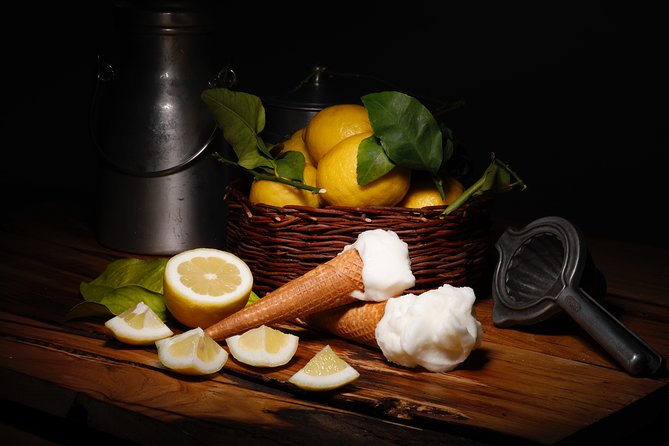
- Side-by-side comparison tasting: you’ll compare Cremeria Opera gelato with a fake homemade style so you can taste the difference in ingredients.
- You’ll produce one gelato flavor: it’s not only watching; you get involved with making a batch.
- Ice cream vs sorbet, explained in plain terms: you’ll taste your way through the practical differences.
- Guides who talk with passion: Mirko (the maestro) and Giulia are specifically mentioned for engaging, patient teaching.
- Included gear and instruction: aprons, gloves, headphones, and the teaching setup are part of the price.
Lucca Gelato Class Basics at Cremeria Opera
Cremeria Opera’s Gelato Class in Lucca is designed like a short workshop, not a leisurely walk-in-and-order moment. The idea is simple: you’ll learn how gelato is supposed to taste and behave, then you’ll test that idea with multiple tastings.
You’ll meet at Via dei Bichi, 150, 55100 Lucca. The class runs about one hour, and it ends back where you start. Language is offered in English, which matters here because the learning is a big part of the experience—you’re not just collecting flavors, you’re collecting “why.”
The price is $84.29 per person. That’s not pocket-change, so the real question is what you actually get for it. The good news is that the class includes instruction, snacks, and the practical tools for making gelato (like aprons, gloves, and the production setup). It’s closer to a mini culinary lesson than a typical gelato stop.
What Happens in the Hour: History, Ingredients, and Tastings
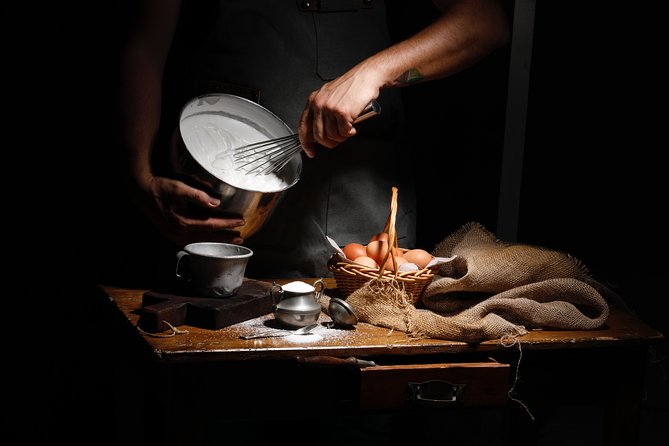
A typical session starts with general education and getting oriented. Expect a mix of storytelling and technique. You’ll hear about ice cream’s journey—from its early origins to what we recognize today—and you’ll also get the Cremeria Opera story, plus time with the master ice cream maker.
Then the tasting begins. This is where the class earns its cost. You’re guided through how to recognize real homemade-style ice cream (not just “good” gelato), and you’ll learn to notice ingredient-driven differences. The comparison isn’t hypothetical: the class includes an in-depth tasting comparing Cremeria Opera gelato with a fake homemade ice cream.
One clever part is how the class trains your palate, not just your appetite. After a few tastings, you start to realize you’re evaluating texture, sweetness, and overall flavor clarity—not only whether something tastes “yummy.”
If you’re worried the experience might feel like constant standing and watching, take note of what the setup allows: the included equipment and the hands-on production element suggest the class is built for participation. That said, the schedule is still tight, and you may spend some time observing before you’re up at the freezer or mixer.
Homemade Gelato 101: How You Learn to Compare
Here’s the practical magic: the class teaches you how to tell the difference between real gelato and something that only imitates it. You’ll focus on ingredients and on how those ingredients show up in the final product.
You’ll compare Cremeria Opera ice cream against a fake homemade style. That kind of A vs B tasting works because it forces your brain to stop using vague impressions. Instead of “this one is better,” you’ll start thinking in terms like: how it coats the tongue, how flavors land, and how natural ingredients carry through the taste.
This is also where you get smarter on your next gelato stop in Italy. Once you’ve trained your senses in Lucca, you’re less likely to be fooled by a fancy-sounding description or a smooth texture that doesn’t match the ingredient story. In other words, you leave with a skill you can use again, not just a memory of a sweet hour.
And yes, the guides’ energy matters. In the feedback I saw, Giulia is specifically praised for being engaging, while Mirko is described as a true maestro—patient, animated, and excited about the process. That matters because gelato making isn’t just science; it’s a craft, and you learn more when the teacher cares.
Ice Cream vs Sorbet: The Differences You’ll Actually Taste
This class also tackles a point people mix up all the time: ice cream versus sorbet. You won’t just get a definition. You’ll understand differences in terms of ingredients and nutritional values, and you’ll back it up with tasting.
Why that’s useful: once you know the ingredient logic, you can predict what something will taste like before you even take the first bite. Fruit-based sorbet tends to feel lighter on the dairy logic. Ice cream leans on dairy and typically feels richer, both in texture and in mouthfeel.
The tasting angle is key. If you only read about it, you might understand on paper. If you taste it in a guided setting, your brain actually files it away for future gelato decisions.
If you like citrus, coffee, or anything fruit-forward, this section can be especially fun because you’ll be able to separate flavors from texture and sweetness.
Hands-On Gelato Making: One Flavor, Real Tools, Real Practice
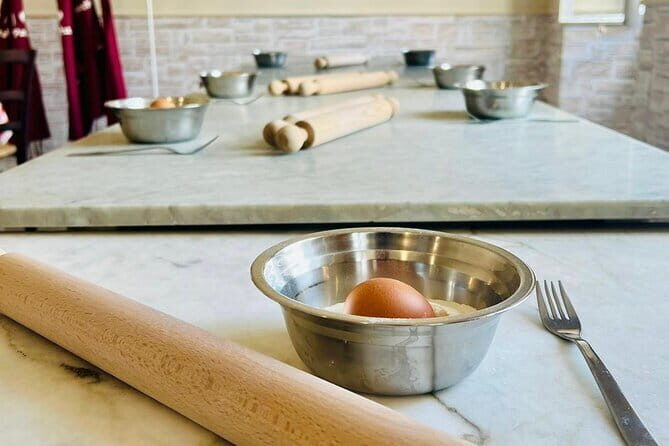
At some point in the class, you’ll step into the production side and help create a gelato flavor. The setup includes a batch freezer and mixer, plus the practical gear—aprons, gloves, and headphones—so you’re not just standing around.
Even if the class is structured, you’ll still get that rare travel moment: you make something yourself, then you taste your own work as part of the overall experience. Several people specifically mention their kids getting to help with some small handling, and one guide (Giulia) is noted as working with learners so they’re not only observing.
That “one flavor” detail is worth calling out. It keeps the class realistic in one hour. You won’t leave with 12 different gelato varieties in your freezer at home. But you will leave with the feeling of making real gelato in an Italian shop—plus a clearer idea of what you’re doing when you taste.
If you’re traveling with kids, decide based on your expectations. One family felt the class was more observation than hands-on for a mixed group. Others said children enjoyed tasting a range of flavors and still got involvement. Translation: this is hands-on-adjacent and tasting-forward, with some production time, and the exact balance may feel different depending on the group and the moment.
Mirko’s Pistacchio, Plus the Story Behind the Flavors
One reason this class gets repeat love is the people running it. Mirko, in particular, comes up again and again as the maestro-type teacher—patient, engaged, and genuinely passionate.
There’s also a fun detail you can try to prompt in your own way: people mention that Mirko is rightly proud of his pistacchio. They also say he has fascinating stories about flavors he created for big-name artists like the Rolling Stones and Ennio Morricone. You don’t need to be a superfan to enjoy that kind of creativity, but it adds color to the technical lessons.
In practical terms, this kind of storytelling makes the tasting stick. When a teacher connects a flavor to a process or a creative choice, you remember it later—and you know what to ask for when you’re ordering gelato on your own.
Price and Value: What $84.29 Buys in Lucca
Let’s talk value without sugarcoating it.
At $84.29 per person for about one hour, you’re paying for more than a few scoops. You’re paying for:
- instruction and guided tastings (including a side-by-side comparison),
- ingredient-focused learning (so it’s not just “sweet review”),
- production participation (you help make a gelato flavor),
- included equipment and comfort items (aprons, gloves, headphones),
- snacks (ice cream during the class),
- and the diploma at the end.
That pricing makes sense if you treat the class like an experience with “take-home skill.” You can think of it as paying for a crash course in how to judge gelato properly. If you only want a quick sugar fix, you’ll likely feel it’s expensive compared to buying gelato straight from the case.
Also, there’s a hint that group discounts may apply, which can help value if you’re traveling with friends or family and you can book together.
My practical suggestion: if you’re already the type who likes food classes, this is the kind of class that rewards your curiosity. If you’re not, plan it like a one-off treat—because it won’t replace your usual gelato routine, it improves how you pick gelato afterward.
Who This Lucca Gelato Class Fits Best
This class is a great match if you want an authentic Lucca food experience that teaches you how Italian gelato works. It’s also well-suited to couples and small groups because it’s a private activity and you’ll have more room for questions.
It’s especially good if you like:
- food learning that’s hands-on (you’ll make one flavor),
- tasting as a tool for understanding,
- and practical lessons you can use later when ordering.
For families, the vibes can vary. Many kids seem to love the tasting variety—one 6-year-old is described as excited to taste different kinds of gelato, and there are birthday-group success stories. Still, if your group includes kids who want constant action, consider that some time may be spent watching and listening before making.
If you’re short on time in Lucca, note that this takes about an hour and runs at a set time window (3:00–3:30 PM, Monday to Saturday). It’s a tidy slot for a late afternoon food mission.
FAQ
FAQ
Where does the Cremeria Opera gelato class start in Lucca?
The class starts at Via dei Bichi, 150, 55100 Lucca LU, Italy, and it ends back at the same meeting point.
How long is the Gelato Class – Cremeria Opera?
It lasts about 1 hour (approx.).
What time does the class run?
Monday through Saturday, it runs from 3:00 PM to 3:30 PM.
Is the class offered in English?
Yes. English is offered.
Is this a private class?
Yes. It’s listed as a private tour/activity, so only your group participates.
What’s included in the price?
Included items are aprons, headphones, gloves, teaching, snacks ice cream, and a batch freezer and mixer experience setup, plus a diploma.
Do I need to bring transportation?
No private transportation is included.
Can I cancel for a full refund?
Yes. You can cancel up to 24 hours in advance for a full refund.
Does it require a minimum number of travelers?
Yes. The experience requires a minimum number of travelers, and if it’s canceled for that reason, you’ll be offered a different date/experience or a full refund.
Should You Book This Lucca Gelato Class?
Book it if you want more than gelato—you want the skill behind it. This class is built around tastings plus a real-making moment, with guided instruction on ingredients and on how to tell homemade-style gelato apart from fake versions. You’ll also get the extra satisfaction of leaving with a diploma, which is oddly motivating when you’ve just learned how to judge what’s in your cup.
Skip it (or think twice) if your group’s goal is simply quick dessert with minimal instruction. With only about an hour, some people may feel there’s more explanation than hands-on time.
If you’re the type who reads menus twice, asks what’s inside, and enjoys learning from passionate makers like Mirko or Giulia, you’ll likely walk out with better gelato instincts—and that’s the kind of souvenir that keeps paying off long after Lucca.