REVIEW · PISA
Pisa: Self-Guided Bike Tour to Lucca
Book on GetYourGuide →Operated by SMILE & RIDE · Bookable on GetYourGuide
Pisa to Lucca by bike feels like a reset button. This self-guided ride lets you trade crowds for country lanes, then roll into Lucca’s medieval core. I love the Puccini cycle path for its calm, mostly traffic-light feel, and I love the arrival at Lucca’s medieval walls for the instant, postcard-grade payoff. The main drawback: it’s still a 50 km day, so you’ll want to be realistic about your stamina (and hydration) before you set off.
You’ll follow the Serchio River corridor, with water jumps and bird-filled terraces along the way, then navigate back using a smartphone itinerary. The good news is that you get a touring bike plus a phone holder, so you’re not juggling gear. The other consideration is that the route depends on your app, so a fully charged phone matters more than you’d think.
In This Review
- Key things to know before you pedal
- Cycling the Puccini cycle path without the Pisa-to-Lucca tourist rush
- Touring bike, phone holder, and app navigation that you actually use
- Serchio River riding: water jumps, terraces, and bird moments
- Hitting Lucca’s walls and Rocca di Ripafratta on the way in
- Lucca by bike: towers, Via Fillungo, and two big squares
- What to eat during your Lucca stop: cecina, necci, and Lucchese soup
- How hard is the ride? The 50 km day, your timing, and real comfort
- Price and value: why $40 can feel fair for a self-guided Tuscany day
- Return options that keep your day flexible
- Who should book this Pisa to Lucca bike tour (and who shouldn’t)
- Should you book this Pisa: Self-Guided Bike Tour to Lucca?
- FAQ
- How long is the bike tour from Pisa to Lucca?
- What distance do I ride?
- What is included in the price?
- Are food and drinks included?
- Do I need a smartphone for this tour?
- Is this tour suitable for children?
- Can I return to Pisa by train instead of riding back?
- Can I leave the bike in Lucca?
- What languages are available with the tour?
- What should I bring with me?
- What is the cancellation policy?
Key things to know before you pedal
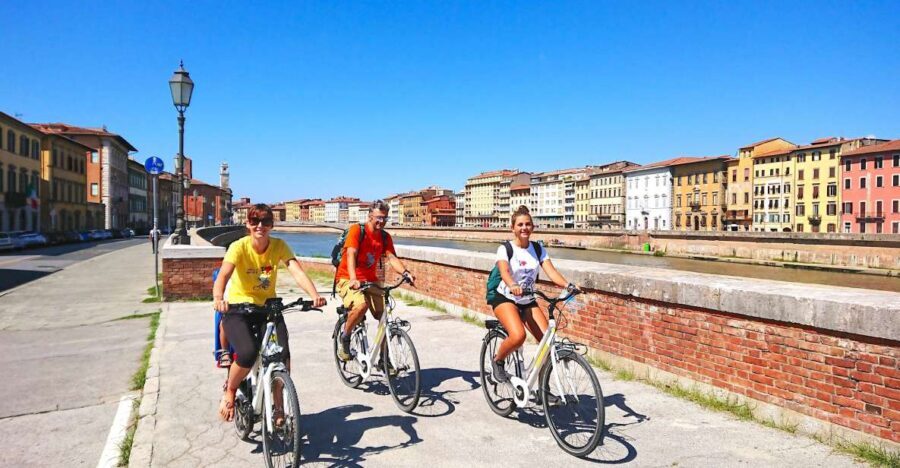
- Puccini cycle path links the Serchio valley to Lucca, named for Giacomo Puccini from Lucca
- Serchio River ride follows the water with terraces and frequent birdlife moments
- Lucca walls walk-on view from the path above the city walls gives you a great photo angle
- Rocca di Ripafratta is part of the Lucca approach, adding a history hit beyond the towers
- Town cycling takes you through narrow lanes where towers rise above the rooftops
Cycling the Puccini cycle path without the Pisa-to-Lucca tourist rush
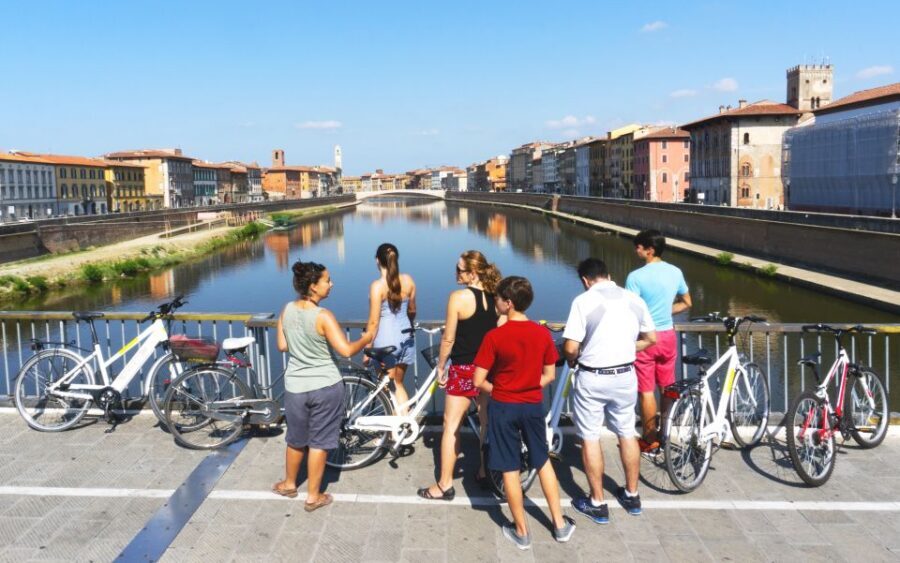
This is the kind of day that changes how you see Tuscany. Instead of stacking churches and monuments back-to-back, you get motion first: smooth pedaling, river air, and that slow build as Lucca comes closer. The route is built around the Puccini cycle path, named for Giacomo Puccini, the composer born in Lucca. It’s a simple idea—use the bike path to bridge two iconic cities—then the experience delivers more than you’d expect.
The big value for me is the rhythm. You’re not waiting for a bus or cramming in transfers. You ride out from Pisa, take in the river corridor, and then you arrive in Lucca at street level, then again from higher up near the walls. That “two angles” feeling—town from the inside, town from above—makes the day feel longer than it is.
You can also read our reviews of more cycling tours in Pisa

Touring bike, phone holder, and app navigation that you actually use
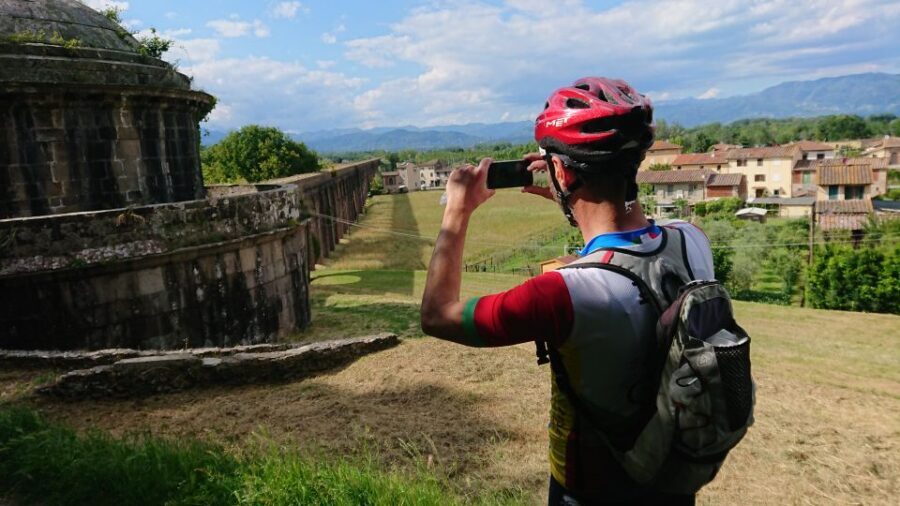
This is self-guided, but you’re not left guessing. You get a touring bike, an application with the itinerary, and a phone holder. That combination matters because the whole ride is paced around following the path network, not just wandering until something looks good.
You do need a smart phone for the itinerary. Bring it charged, and treat it like a key piece of gear, not a nice-to-have. If your phone battery is weak, plan for a power bank (even if you didn’t think you needed one). One practical tip: keep the screen brightness readable outdoors, especially if you ride in bright afternoon sun.
You’ll also see the benefit of navigation support in how confidently you can stick to the route. In fact, some riders have found the bike GPX guidance inside the system easy to trust. Translation: less time second-guessing, more time enjoying the river and the approach to Lucca.
Serchio River riding: water jumps, terraces, and bird moments
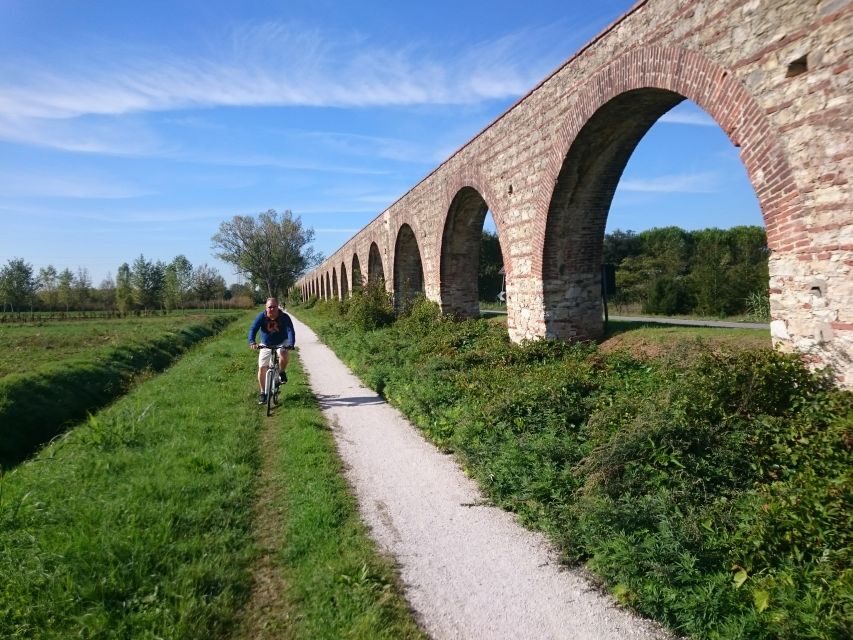
The ride follows the Serchio River. That’s not a throwaway detail—it shapes the entire experience. River paths tend to do two things for you: they keep the ride steady, and they give you natural “break points” where you can look, pause, and reset.
Expect water features along the way, including spots where the riverbed is broken by water jumps. You’ll also cycle past bushy terraces with many varieties of birds. You probably won’t identify every bird, but you’ll feel the difference compared to riding through purely built-up areas. Even on a short stop, the sound of moving water and the sight of birds make the ride feel alive.
One more thing: because this corridor is tied to the river, you often get a gentler flow to the day. It’s easier to settle into your pace—especially if you want the ride to feel like a pleasant outing rather than a workout you’re trying to survive.
Hitting Lucca’s walls and Rocca di Ripafratta on the way in
Lucca’s medieval identity is visible before you even reach the main sights. The route guides you to the medieval wall area, and it includes a key historical stop: Rocca di Ripafratta.
Why this matters: it sets you up for Lucca’s layout. Once you understand the wall line and the approach, the city feels less like a random cluster of old buildings and more like a designed space—fortifications, towers, and neighborhoods that make sense together.
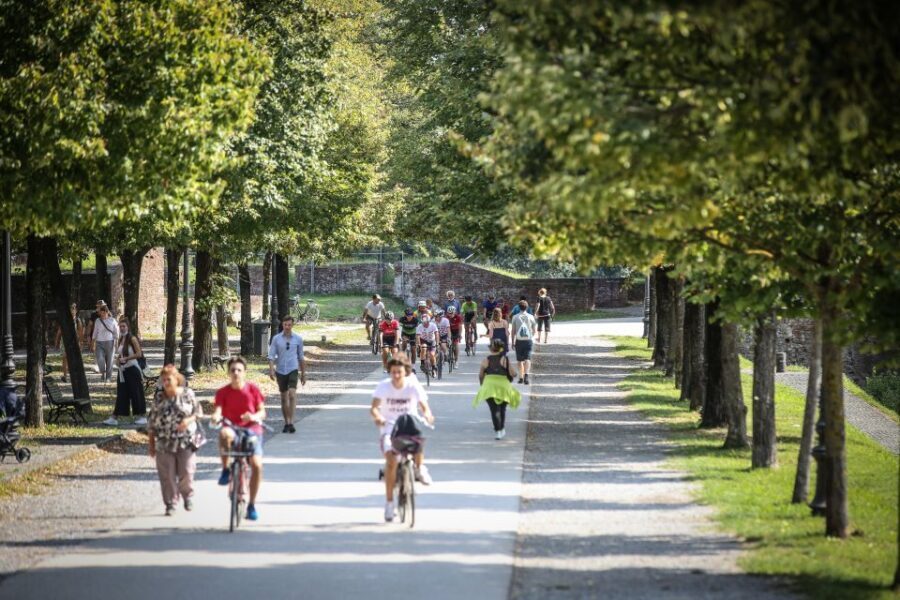
Then there’s the path above the city walls. If you like photos (and I do), this is one of the best stretches of the day. You get a view over the walls and rooftops, with Lucca’s towers rising in a way you can’t fully appreciate from street level.
Lucca by bike: towers, Via Fillungo, and two big squares
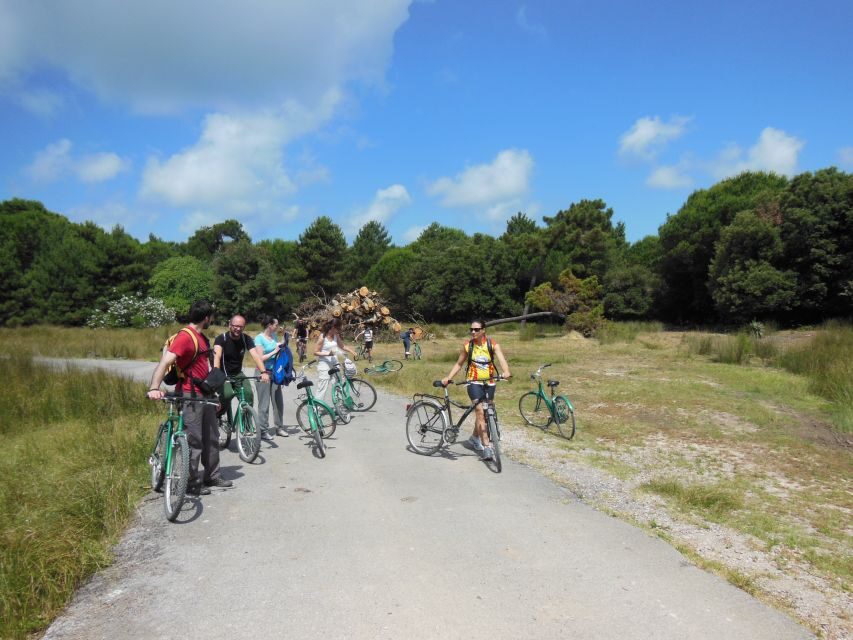
Once you’re in Lucca, the cycling shifts from “route riding” to “city exploration.” Narrow streets can be tight, but that’s part of the charm: you move through the historic fabric at a human pace, so you notice details instead of only catching them from afar.
Here’s what’s worth steering your attention toward:
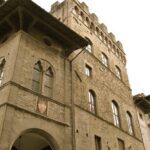
- The downtown streets where towers stand out above the roofs
- Via Fillungo, known for its older shops and active street vibe
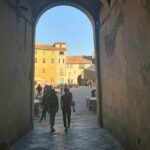
- The squares tied to classic Roman and later eras, including the Roman amphitheater square and Piazza Napoleone
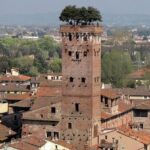
- The Guinigi Tower with its hanging garden at the top
If you’re wondering whether Lucca will feel like a real walking-city once you arrive, this helps: you’re biking right into the areas that people come to see. You’re not just parking at the edge and hoping for the best. The route is designed so the towers and squares are close enough that you can plan short pauses without losing your place.
A small realism note: narrow streets and busy intersections can slow you down. You’ll still enjoy it, but go at a thoughtful pace and expect a bit of “city navigation,” not only countryside cruising.
You can also read our reviews of more guided tours in Pisa
What to eat during your Lucca stop: cecina, necci, and Lucchese soup
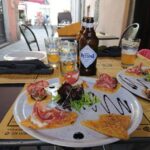
You’re not traveling just to ride. Lucca is also the payoff for food lovers. For a gourmet stop, there are several local options you can choose from, including cecina, necci (chestnut pancakes) with ricotta, buccellato, and Lucchese soup.
Here’s the practical angle: since the tour is self-guided and food/drinks aren’t included, you get control over timing. If you hit Lucca with strong energy, you can eat early and keep exploring. If you arrive ready for a slow reset, you can plan a longer meal break near the squares and towers.
Also, if you like to snack as you go, Lucca is set up for that style. You’ll pass by areas with small food options, and you’ll likely find it easy to build a meal plan around your tastes and budget.
How hard is the ride? The 50 km day, your timing, and real comfort
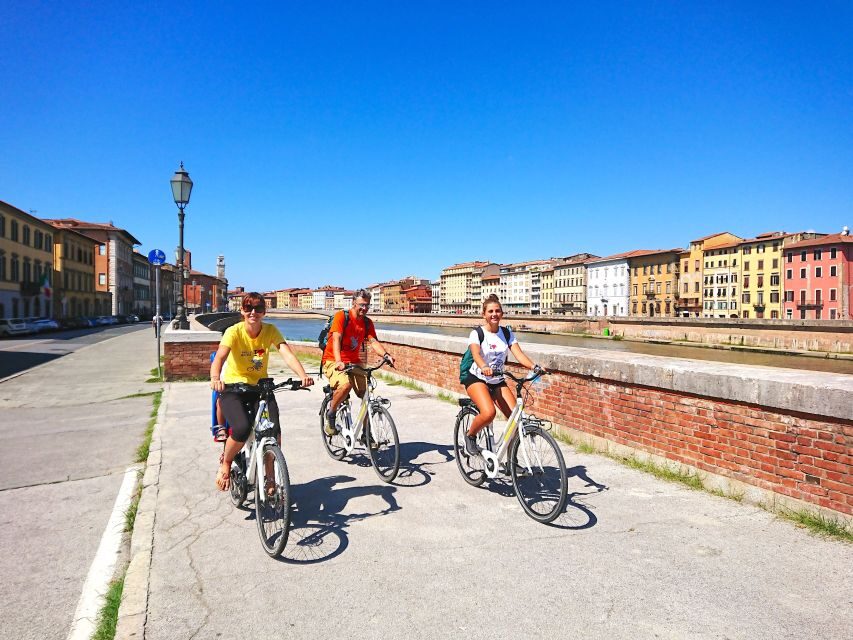
The tour is about 5.5 hours total. It’s 25 km to reach Lucca and 25 km to return to Pisa, so you’re looking at a 50 km round-trip day.
So what should you expect physically?
- If you’re comfortable riding regularly, this should feel like a full half-day outing rather than a race.
- If you don’t ride much, take the route slowly and don’t treat the time estimate as a promise.
Hydration is specifically called out as important, and I agree with that. River areas can look cooler than open countryside, but you still sweat. Bring water planning as part of your day, not an afterthought.
One extra note from the ride experience: some people do the route on electric bikes and find the effort drops a lot, with one rider taking about two hours each way. That doesn’t mean you must have assist, but it does suggest the route can work across different comfort levels.
Price and value: why $40 can feel fair for a self-guided Tuscany day
At around $40 per person, this is priced like a practical activity rather than a big “guided tour” premium. And for that money, you’re getting real components that matter: a touring bike, an app-based itinerary, and a phone holder.
You’re not paying extra for hotel pickup and drop-off, and food/drinks aren’t included either. That’s actually part of the value equation. It means you’re spending on the transportation and guidance tools, then using Lucca like you want—coffee when you want, a proper meal when you want, and sightseeing in the order that feels right.
If you’re trying to compare this to the cost of taxis, car rentals, or even just bus-and-walking time, the biking piece adds value fast. You’re buying freedom: you arrive where you want in Lucca, not where a vehicle can drop you.
Return options that keep your day flexible
You have choices for getting back to Pisa. The default plan is to ride back the full distance. But the tour also offers two flexibility options:
- You can take a regional train with the bikes for a supplement
- You can leave the bike in Lucca for a supplement (ask at the bike rental)
This is one of those “it’s nice to know” features. If you feel good at the midway point, ride back. If you get tired or want more time in Lucca, adjust. It’s a smart way to prevent the bike day from turning into a deadline.
Also pay attention to the meeting point: it may vary depending on the option you booked. Plan to arrive early enough to get your bike and phone set before rolling out.
Who should book this Pisa to Lucca bike tour (and who shouldn’t)
This fits best if you want:
- a self-guided way to see Tuscany without crowd pressure
- a route that mixes river riding with city sights
- an active day that still leaves room for food breaks
It’s not suitable for children under 13. If you’re traveling with younger kids, you’ll need another plan.
If you enjoy history but don’t want to treat your vacation like a classroom, this works nicely. You’ll see medieval walls, towers, and Rocca di Ripafratta, but you’ll experience it while moving—so it doesn’t feel like one more static list of stops.
Should you book this Pisa: Self-Guided Bike Tour to Lucca?
Book it if you want a day that feels genuinely different from the usual Pisa routine. The Puccini cycle path gives you an easy “out of the city” start, the Serchio River makes the ride relaxing and scenic, and Lucca rewards you with medieval walls, major squares, and the Guinigi Tower’s hanging garden.
Skip it if you hate long distances or you’re likely to get stressed by app-based navigation on a full ride day. This tour rewards calm, steady planning: charge your phone, hydrate, and don’t overpack your expectations. Do that, and you’ll come back with photos, good food memories, and the kind of Tuscany feeling that’s hard to replicate any other way.
FAQ
How long is the bike tour from Pisa to Lucca?
The duration is 5.5 hours.
What distance do I ride?
You ride 25 km to reach Lucca and 25 km to return to Pisa.
What is included in the price?
Included are the touring bike, an application with the itinerary, and a phone holder.
Are food and drinks included?
No. Food and drinks are not included.
Do I need a smartphone for this tour?
Yes. A smart phone is required for the itinerary.
Is this tour suitable for children?
No, it is not suitable for children under 13.
Can I return to Pisa by train instead of riding back?
Yes. You can take a regional train carrying the bikes for a supplement.
Can I leave the bike in Lucca?
Yes. You can leave the bike in Lucca for a supplement by asking at the bike rental.
What languages are available with the tour?
English and Italian.
What should I bring with me?
Bring your passport or ID card, a credit card, and comfortable clothes.
What is the cancellation policy?
You can cancel up to 24 hours in advance for a full refund.