REVIEW · PISA
Pisa: Ultimate Food Tour with Full Tuscan Meal with a Local
Book on GetYourGuide →Operated by Do Eat Better Experience · Bookable on GetYourGuide
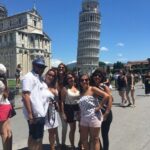
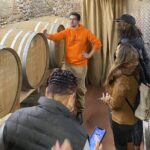
Pisa really shines when you eat your way through it. This tour is built around full Tuscan tastings with a local guide, moving through the city’s everyday hangouts as you graze from savory bites to dessert gelato. I especially love the variety (you get both classics like cecina and comfort dishes like ribollita) and the relaxed social vibe, where guides like Alessandra, Valentina, Sasha, and Kiera are praised for making it feel easy and friendly.
One thing to consider: this is mostly a walking experience in downtown Pisa and it’s not suitable for wheelchair users, so comfortable shoes matter a lot.
In This Review
- Key highlights worth packing your appetite for
- Why Pisa food walking feels smarter than a sit-down tour
- Price and what you actually get for about $100
- Meeting point, walking pace, and how the small group matters
- Stop-by-stop: what each tasting moment feels like
- Piazza Dante Alighieri: wine plus regional bites
- Lunch hour: the dishes that feel like real Tuscan comfort
- Palazzo della Sapienza area: street food tempo
- Piazza delle Vettovaglie: local snacks and the “keep eating” phase
- Dessert: gourmet gelato to close strong
- The specialties you’ll be chasing (and why they’re worth learning)
- Cecìna: the chickpea flatbread Pisa does best
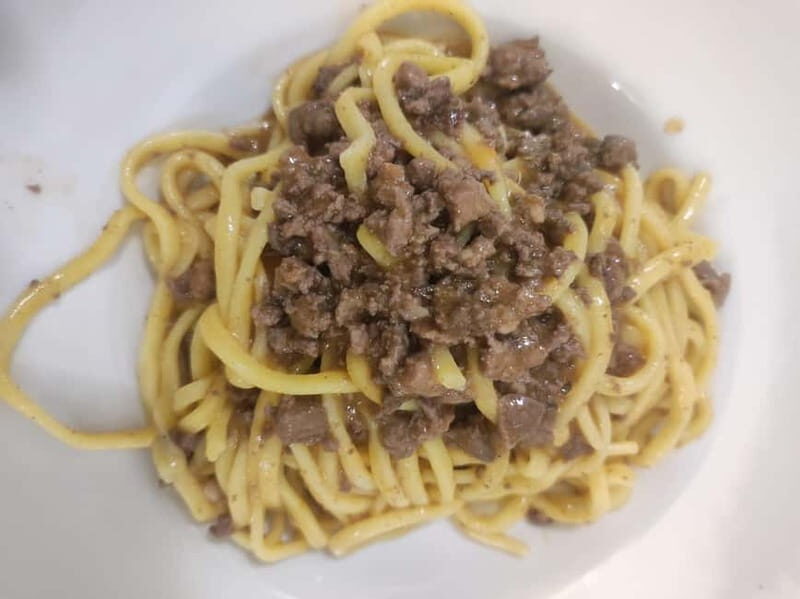
- Pici: thicker-than-spaghetti Tuscan comfort
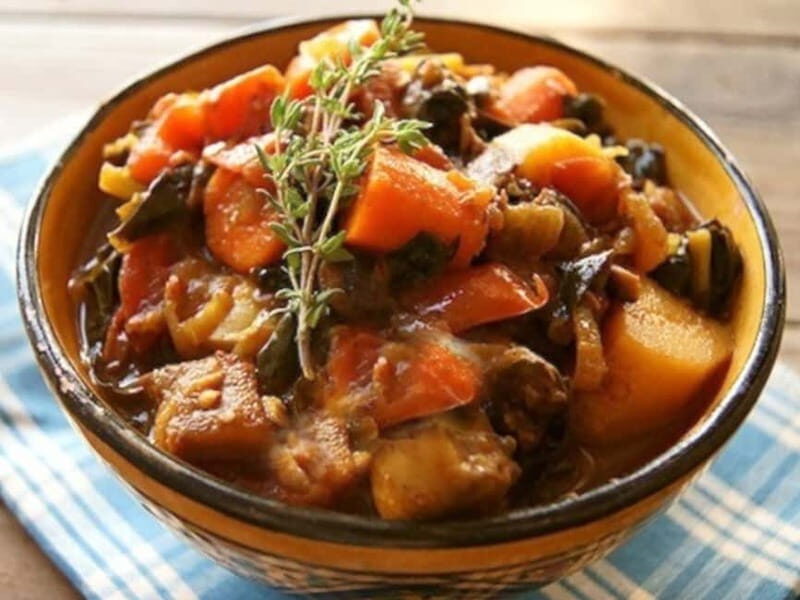
- Ribollita: the farmers’ soup that shows up as a full meal
- Pisan breed stew: a local dish with a claim to fame
- Uccelletto-style beans with sausage: hearty, herbal, and satisfying
- Tuscan cured meats and cheese with a glass of red
- Gourmet gelato: rare tastes, not just sweet and safe
- Wine on the tour: included once, plus an easy add-on path
- Who should book this Pisa food tour, and who might skip it
- A note on guides: why the names matter
- Should you book this Pisa food tour?
- FAQ
- How long is the Pisa Ultimate Food Tour with a Full Tuscan Meal?
- Where do I meet the guide?
- What does the tour include?
- Do I get wine on the tour?
- What kinds of dishes will I taste?
- Is the tour good for families?
- What are the group size limits?
- Is cancellation free, and how far in advance can I cancel?
Key highlights worth packing your appetite for
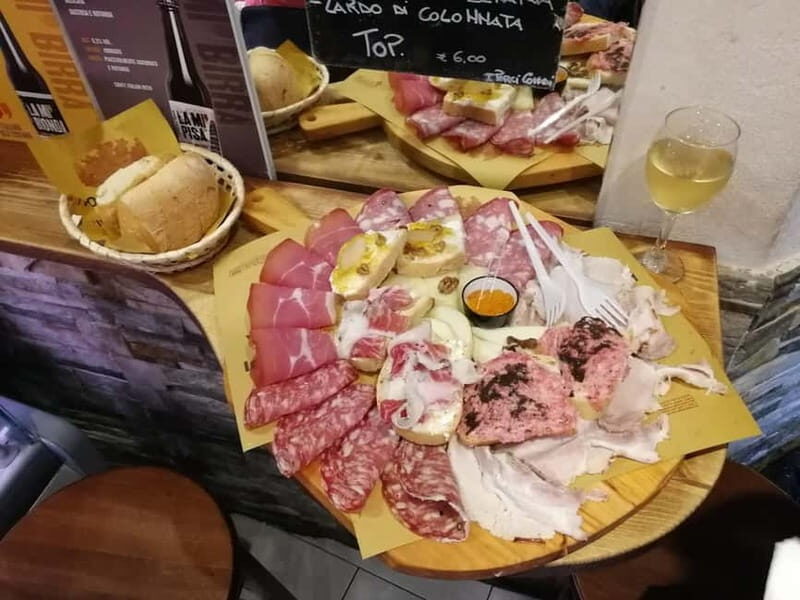
- Cecìna made from chickpea flour: crisp outside, soft inside, and a true Pisa move.
- A full Tuscan meal flow across multiple stops, not just a couple of snack bites.
- Top regional dishes you’re unlikely to order on your own: pici, ribollita, Pisan breed stew, and more.
- Wine is included once with the regional food stop, plus water at the other tastings.
- Historic-center walking with quick looks at major sights while still prioritizing eating.
- Small-group energy (2 to 12 people) that keeps conversations going without feeling chaotic.
Why Pisa food walking feels smarter than a sit-down tour
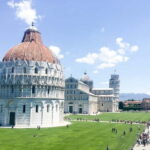
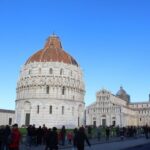
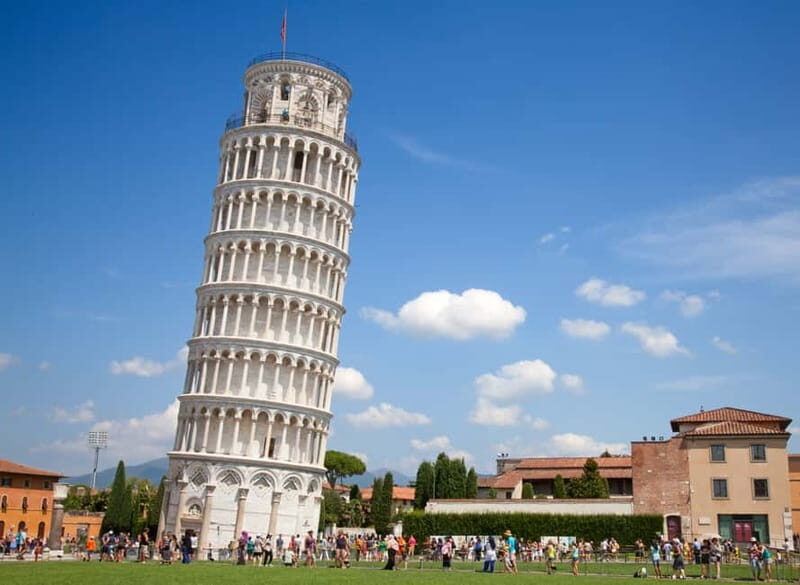
Pisa is famous for one thing, but you can miss the real city if you only do the postcard checklist. Food tours like this one work because they naturally pull you through the places locals actually use: squares, old streets, and neighborhood trattorias that don’t need a big marketing sign.
I like that this experience mixes tastings with context, so you’re not just eating random bites. You’ll learn what makes Pisano flavors Pisano—things built on farm traditions, simple ingredients, and seasoning that comes from repetition, not trends.
The tour also tends to keep things human. In feedback from guides named Alessandra, Valentina, Sasha/Sacha, and Kiera, the common thread is relaxed hosting. You’re given time to eat, talk, and walk at a pace that feels reasonable for a 3.5-hour outing.
You can also read our reviews of more food & drink experiences in Pisa
Price and what you actually get for about $100
At $100.82 per person for roughly 3.5 hours, you’re paying for a lot more than a couple of tastings. The value comes from three big elements:
- Multiple stops with at least one serving each, so you’re not constantly hunting for the next bite.
- A real meal structure, moving from cured meats and regional foods through lunch-style dishes, then street snacks, then dessert.
- Drinks are part of the deal: water throughout the tastings plus one glass of wine included.
For Pisa, where you can easily spend money and still end up eating “tourist convenient” food, this format helps you avoid guesswork. You’re also paying for the guide’s taste map—how to find the right places for specific regional specialties like cecina and pici, not just whatever is popular that day.
If you want more wine than the included glass, you can add it using the tour’s suggested drink option (a Special Drink Card is mentioned). That’s a clear way to control the budget.
Meeting point, walking pace, and how the small group matters
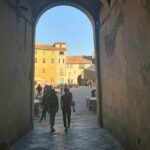
You’ll meet at Piazza Garibaldi (under the statue). From there, the tour stays in downtown Pisa, mostly on pedestrian-only streets. The route is designed for moving by foot between food stops without turning the experience into a long slog.
Bring comfortable shoes. Pisa’s center is walk-friendly but you’ll still want solid footing for cobblestones and quick transitions between places. And because it’s a social eating format, you’ll want to arrive ready for conversation, not just speed-eating.
Group size is another quiet quality factor: there’s a 2-person minimum and a 12-person maximum. That sweet spot usually means you don’t get stuck behind a huge group rhythm, and the guide can keep the flow moving while still letting you actually talk.
This tour also isn’t set up for everyone’s logistics. Pets aren’t allowed, and luggage or large bags are not accepted. Wheelchair access is also not available based on the tour’s notes.
Stop-by-stop: what each tasting moment feels like
The route is organized around five core food moments plus dessert: a regional food and wine stop, a lunch hour, two street snack breaks, and then gelato at the end. The exact dishes depend on season and ingredient availability, but the overall structure is consistent.
Piazza Dante Alighieri: wine plus regional bites
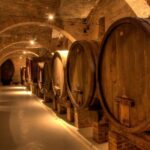
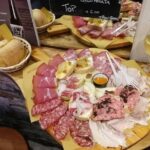
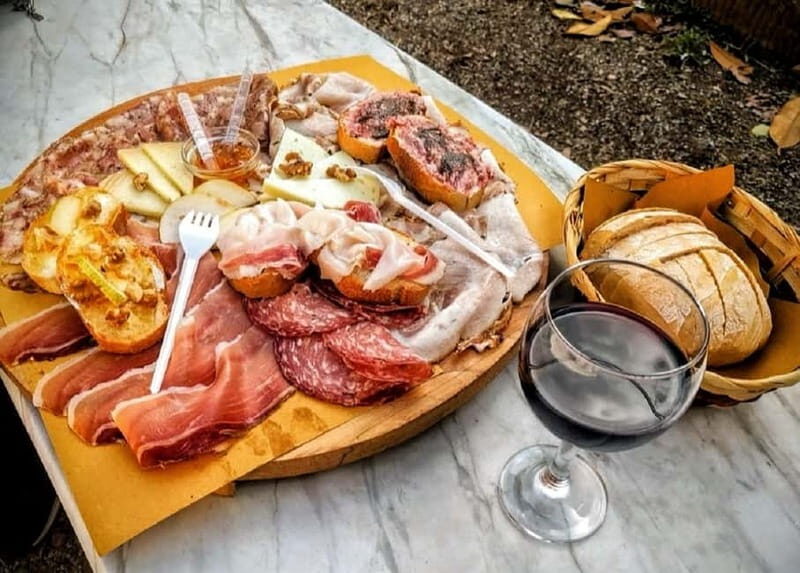
You start with a stop in Piazza Dante Alighieri, where you’ll have wine and regional food for about 45 minutes. This is where Tuscany’s cured-food culture often kicks in: think Tuscan salamis and cheeses, paired with a glass of fine red wine.
This early stop is useful for a first-time Pisa traveler. You get a “welcome map” of flavors while you settle into the group and start walking. It also sets expectations for the tour’s style: simple, traditional ingredients treated with care.
You can also read our reviews of more tours and experiences in Pisa
Lunch hour: the dishes that feel like real Tuscan comfort
Next comes the lunch segment (about 1 hour). This is where the tour leans into hearty classics and older recipes. The menu can include several of these Pisano/Tuscan staples, depending on what’s available:
- Pici (Tuscan spaghetti) in a long-standing city restaurant vibe
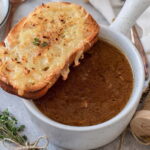
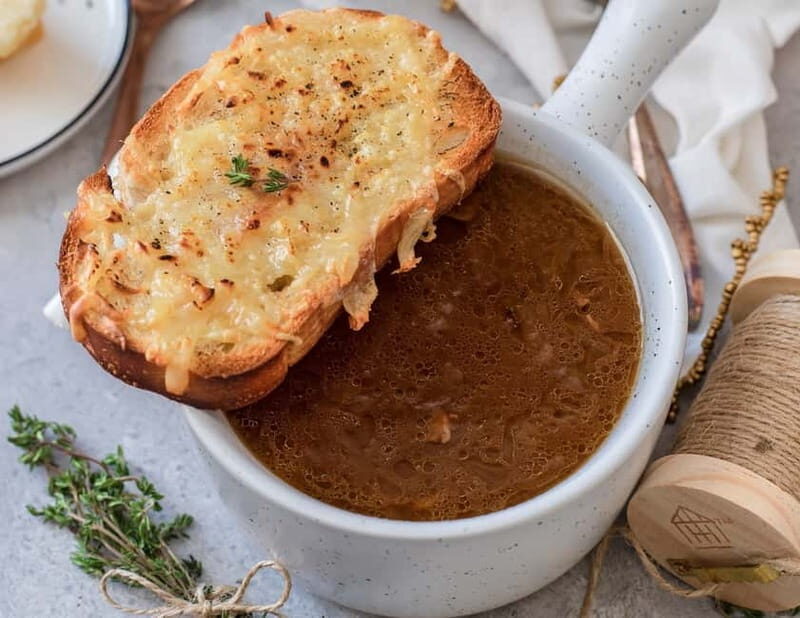
- Ribollita, the farmers’ tradition soup/stew made the generational way
- Pisan breed stew, described as something you won’t find anywhere else
- Uccelletto-style beans with sausage, built on cannellini beans, tomato sauce, sage, black pepper, and Tuscan sausage
If you like food that tastes like it has a backstory—less “Instagram plating,” more “why this recipe endures”—this part is the main event. It’s also why the tour feels more like a meal than a sampler.
A quick practical note: because this is lunch time, you’ll likely feel full. Plan your later day accordingly.
Palazzo della Sapienza area: street food tempo
The tour then moves to Palazzo della Sapienza for around 30 minutes of street food. Street food in Tuscany can be surprisingly serious. It’s often about fast, filling items made from traditional ingredients.
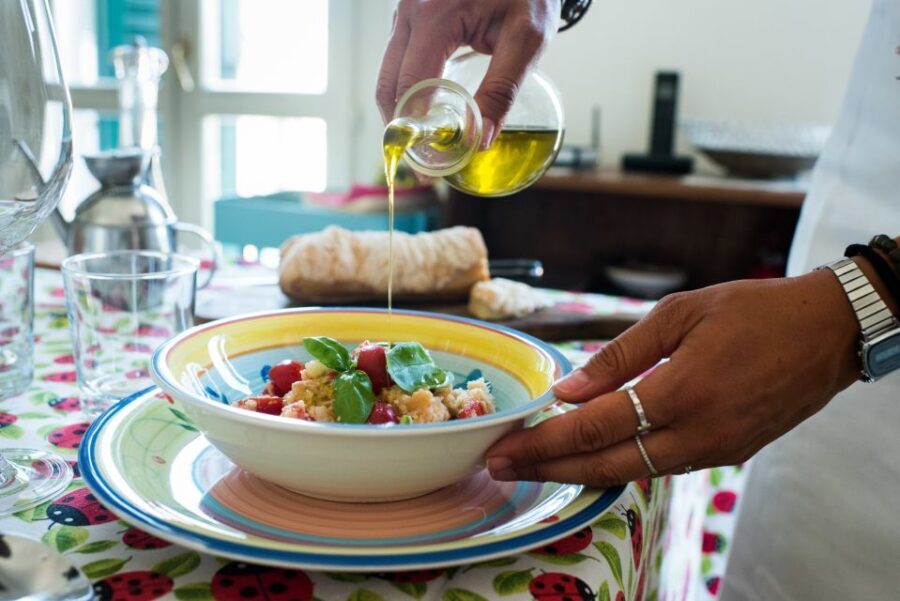
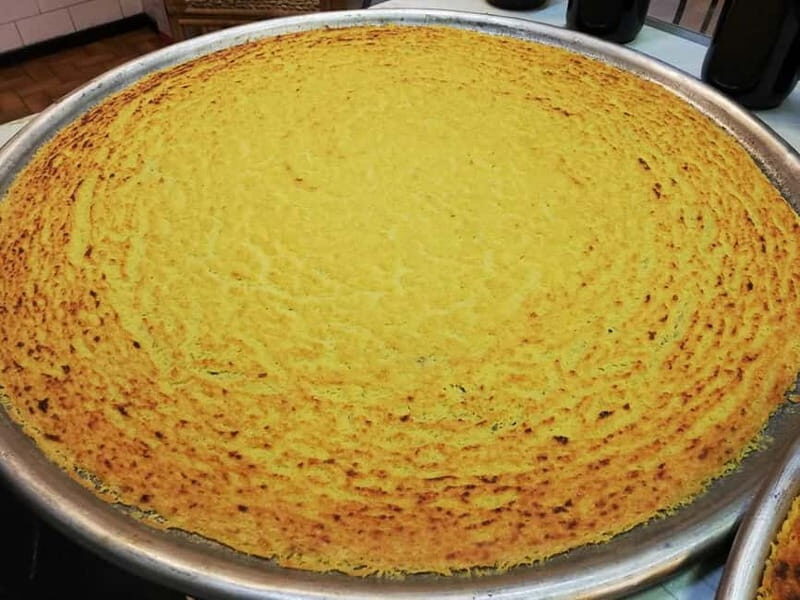
This is a good window for something like cecina (flat chickpea focaccia). Cecìna is one of the tour’s signature must-tries: chickpea flour mixed with water, salt, and olive oil, with a soft inside and a crisp outside finish. If you’ve had focaccia before, this will feel different in the best way.
Piazza delle Vettovaglie: local snacks and the “keep eating” phase
Next is Piazza delle Vettovaglie for about 30 minutes of local snacks. This is where you get the remaining regional pieces that make the tour feel complete—often additional beans-and-meat comfort, plus more chances to taste what Pisa does differently within Tuscany.
This stop matters because it’s not just another restaurant. You’re still in the city’s social rhythm, so the food feels less staged and more like a local habit.
Dessert: gourmet gelato to close strong
Finally, you’ll end with dessert for about 15 minutes—gelato from one of Pisa’s best gelaterias. The tour specifically calls out a Gelato Gourmet made with careful research and rarer, less common tastes using local fresh products.
This last stop is smart pacing. After savory dishes, you get a clean finish without the feeling of being dragged to one more venue.
Also, since the tour is designed to avoid tourist traps, dessert here tends to be more about quality than “convenient and crowded.”
The specialties you’ll be chasing (and why they’re worth learning)
The tour’s dish list is where the experience becomes more than just “five stops.” Here’s why the standouts make sense.
Cecìna: the chickpea flatbread Pisa does best
Cecìna is a big deal on this tour because it’s a Pisa identity food. It’s made from chickpea flour, with water, salt, and olive oil. The texture contrast (soft inside, crisp outside) is the whole point.
I love recommending this to first-timers because it’s specific to the region. If you try it, you’ll remember it later when you start comparing Tuscan flavors across cities.
Pici: thicker-than-spaghetti Tuscan comfort
Pici are traditional Tuscan spaghetti—thicker, with a rustic feel. Even if you’ve had pasta across Italy, pici often tastes like a different category: more rustic chew, more sauce grip, more “farm table” energy.
This tour includes pici in an older city restaurant setting, which helps keep it from turning into a generic pasta stop.
Ribollita: the farmers’ soup that shows up as a full meal
Ribollita is one of those dishes that sounds simple until you taste it. It’s built on the farmers’ tradition and prepared the way generations have done—so you get depth, not just broth.
If you’re the type who thinks soup is “light,” this will change your mind.
Pisan breed stew: a local dish with a claim to fame
The tour highlights Pisan breed stew as a specialty you won’t find elsewhere. That kind of specificity is exactly what makes food tours worth the time: you’re not repeating the menu you’d see at home.
Uccelletto-style beans with sausage: hearty, herbal, and satisfying
Uccelletto-style beans with sausage combines cannellini beans with tomato sauce and the earthy finish of sage, plus black pepper and Tuscan sausage. It’s intense comfort food, and it fits perfectly into a tour that aims for full-belly success.
Tuscan cured meats and cheese with a glass of red
The tour includes cold meats from Tuscany with fine red wine at one of the early stops. This matters because it gives you context: Tuscany’s cured meats aren’t just “charcuterie snack.” They’re a flavor foundation.
Gourmet gelato: rare tastes, not just sweet and safe
The gelato is described as “gourmet,” with rarer and uncommon tastes. That’s the kind of detail you should care about. It’s how you end with something memorable rather than the same cookie-cutter flavor wheel.
Wine on the tour: included once, plus an easy add-on path
You get one glass of wine included, with water included at the other tastings. That means you can enjoy wine without turning the entire afternoon into a tipsy walk.
The tour also points you to an add-on option for more alcohol if you want it. If you’re trying to keep things moderate, this is a clean setup: you’ll still get the Tuscan wine moment without it being the whole point.
Who should book this Pisa food tour, and who might skip it
This experience is a good fit if:
- you want a full meal experience in about 3.5 hours
- you care about Pisano/Tuscan specialties like cecìna and pici
- you like social travel energy but still want a guided path through the city
You might skip it if:
- you need wheelchair accessibility (the tour notes it’s not suitable)
- you don’t want a walking-focused format in pedestrian-only downtown areas
- you’re bringing luggage or large bags (not allowed)
It’s also a smart choice for food-first travelers who don’t want to spend the morning comparing reviews and menus. The tour gives you an organized route and a guide who knows where the regional dishes make sense.
A note on guides: why the names matter
One of the biggest strengths coming through is how guides handle the vibe. Names like Alessandra, Valentina, Sasha/Sacha, Valentino, and Kiera show up in feedback for being friendly and keeping things informal.
That’s practical information. A food tour lives and dies by pacing and people skills. When the guide is good at timing and making room for chatting and eating, the whole experience feels smoother.
Should you book this Pisa food tour?
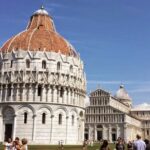
If you want Pisa beyond the leaning tower line, and you’d rather eat regional food with guidance than wander and gamble, I think this tour is an easy yes. The biggest selling point is the meal-style structure: multiple savory stops, one included wine moment, and a finishing gelato.
I’d book it if you’re comfortable walking a downtown route and you want a guided taste path through classic Pisano dishes like cecina, pici, and ribollita. I’d think twice if mobility or heavy walking is an issue, since this is built around pedestrian areas and isn’t set up for wheelchair users.
FAQ
How long is the Pisa Ultimate Food Tour with a Full Tuscan Meal?
The tour lasts about 3.5 hours.
Where do I meet the guide?
You meet at Piazza Garibaldi (under the statue).
What does the tour include?
It includes food at each stop, water, and one glass of wine.
Do I get wine on the tour?
Yes. One glass of wine is included (with the regional food stop).
What kinds of dishes will I taste?
You may taste specialties such as Tuscan cured meats and cheeses, pici, ribollita, Pisan breed stew, uccelletto-style beans with sausage, cecìna, and gelato. Exact selections can vary by season and availability.
Is the tour good for families?
Children under 5 are free. Children between 6 and 10 have a 50% discount.
What are the group size limits?
There is a minimum of 2 people and a maximum of 12 people.
Is cancellation free, and how far in advance can I cancel?
Free cancellation is available up to 24 hours in advance for a full refund.