REVIEW · FLORENCE
Florence: Accademia Gallery Priority Entry Ticket
Book on GetYourGuide →Operated by Inside Out Italy · Bookable on GetYourGuide
You can feel the art before you even enter. This priority ticket is built for a smoother Accademia visit, with timed access and express security so you spend less time queueing and more time looking closely. I like that it focuses on the highlights people actually come for, especially Michelangelo’s David, and I also like the extra stop with the Museum of Musical Instruments, where the Stradivarius violin steals the show.
One thing to keep in mind: even with skip-the-line entry, the Accademia can still be crowded at peak times. If you’re flexible, plan an early or later time slot so the rooms feel more human and less like a moving crowd.
In This Review
- Key things to know before you go
- Priority access at Accademia: skip the crowd and get oriented fast
- Meeting point in Via Camillo Cavour: how your paper tickets work
- Michelangelo’s David up close: what to notice besides the pose
- Gothic-to-Renaissance galleries: seeing the story in sequence
- Musical Instruments Museum: Stradivarius violin and the oldest surviving piano
- Uffizi highlights in the same day: Botticelli, Leonardo, Caravaggio
- How long your 1-day plan really takes in Florence
- Practical rules that affect your photos, bags, and comfort
- Value and price: what you’re really paying for
- Who should book this Accademia priority ticket
- Should you book this tour?
- FAQ
- Where do I meet to collect the paper tickets?
- What is included with this ticket?
- Is a guided tour included?
- Can I take photos inside?
- Do I need to bring an ID?
- Are backpacks allowed inside the museum?
- Is the Accademia experience wheelchair accessible?
Key things to know before you go
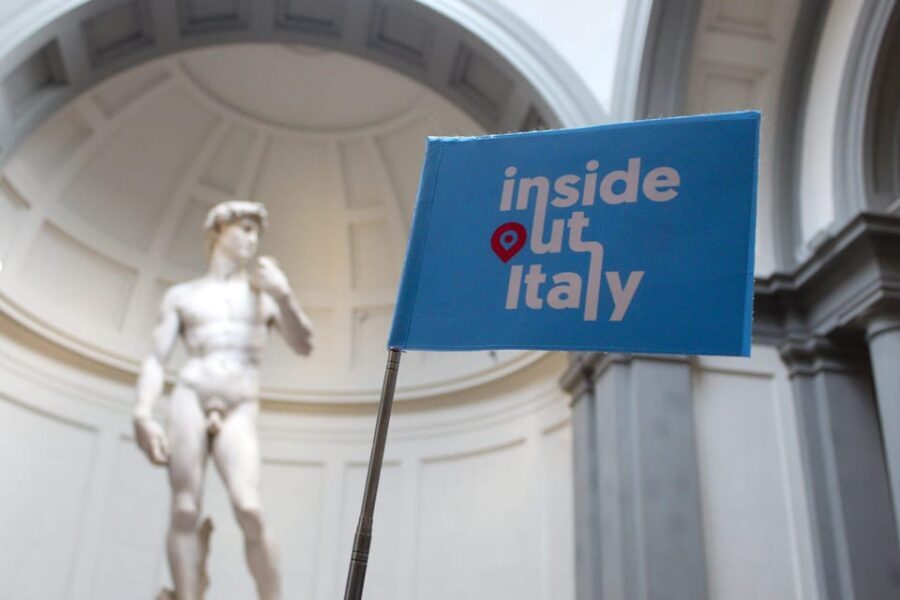
- Skip-the-line through express security to reduce wasted time at the door
- Michelangelo’s David is the headliner, and timing matters because it gets busy fast
- Gothic-to-Renaissance galleries help you see how styles shift, not just who painted what
- Musical Instruments Museum includes a Stradivarius violin and the oldest surviving piano
- Photography rules are strict: photos are allowed, but flash and tripods are prohibited
Priority access at Accademia: skip the crowd and get oriented fast
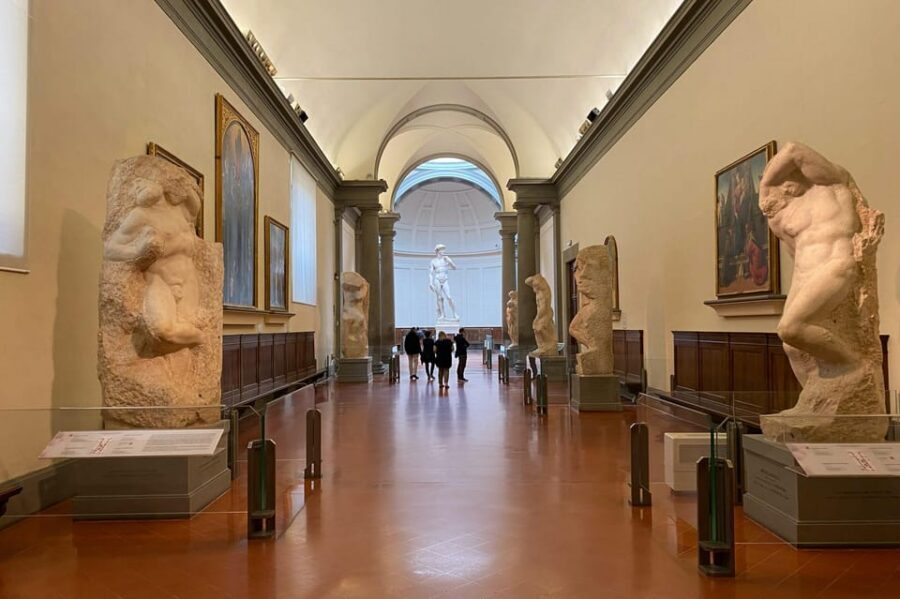
Florence’s most famous lines are not just romantic. They are long. This ticket is designed to cut the waiting down, using timed entry and an express security check. That matters because Accademia is a one-main-attraction kind of place: you want your attention to land on David, then keep moving through the galleries without losing momentum.
When you arrive, expect to spend a bit of time collecting your paper tickets first (more on that below), then you’ll be directed into the faster entry flow. The goal is simple: get you inside with less friction.
The other smart part is how the visit is structured. Accademia is not only about one statue. You get a sequence that connects ideas: medieval styles give way to Renaissance thinking, and the day also includes a museum of instruments that puts culture in a different key.
You can also read our reviews of more tours and experiences in Florence
Meeting point in Via Camillo Cavour: how your paper tickets work
Before you can enter, you’ll need to turn your voucher into physical tickets. The meeting point is at the tourist office on Via Camillo Cavour 19, a few steps from the Accademia Gallery (about a 3-minute walk).
Plan to arrive with a little buffer. You’ll be presenting your voucher there to collect paper tickets. This step is not dramatic, but it’s important, because it’s the hinge that controls your timed entry.
Also note the paperwork requirement. Before purchase, the full names and dates of birth of all participants are required, and at arrival everyone must present a valid ID. If you travel with a group, do this early so nobody is stuck scrambling for documents at the last second.
Michelangelo’s David up close: what to notice besides the pose
Yes, everyone knows David is famous. But the real experience is what you notice once you’re finally standing close enough to see the details.
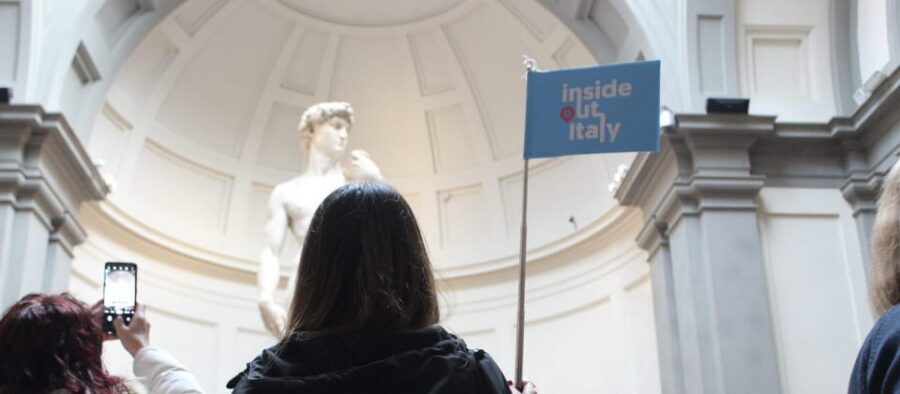
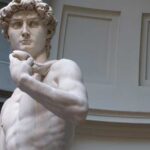
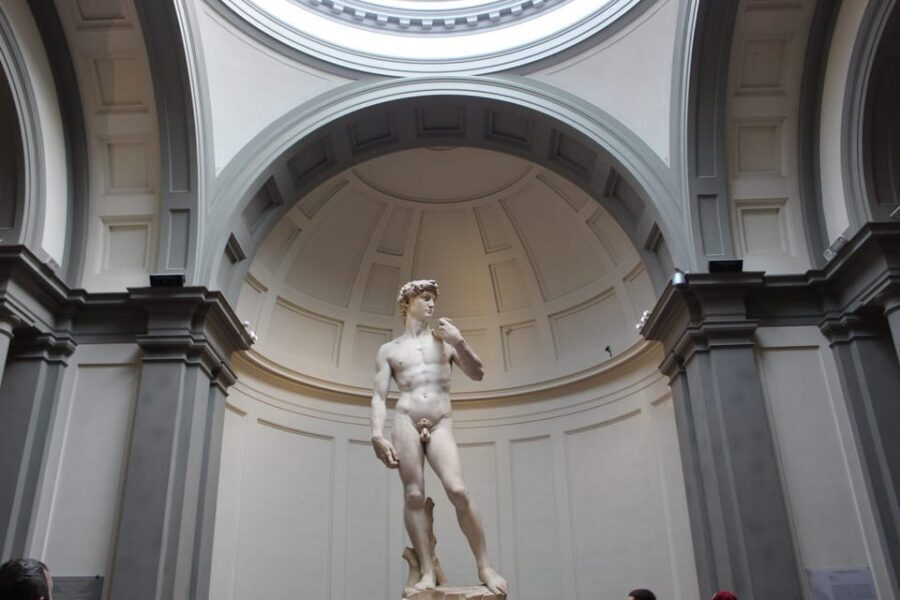
David is a towering 5-meter-tall marble masterpiece. Up close, it’s not just the face people recognize from postcards. It’s the whole balancing act: anatomy, proportions, and the sense that the figure is both still and ready. You’ll want to look for the lifelike carving choices—how the sculptor shapes muscles and tension so your eye keeps finding structure even if you’re surrounded by other visitors.
Here’s what makes this part worth prioritizing. When Accademia is busy, crowds can flatten your attention. With timed entry, you’re more likely to get a moment where you can actually slow down and take in the work without spending half your visit compressed into the back of a line.
Practical tip: wear comfortable shoes. You’ll be standing, shifting positions, and walking between rooms. Marble floors don’t forgive slow feet.
Gothic-to-Renaissance galleries: seeing the story in sequence
After David, you’re not thrown into random rooms. The visit keeps a chronological thread, moving from Byzantine and medieval influences toward Renaissance developments. That structure helps you read the art instead of just consuming it as names and dates.
In the Gothic portion, you’ll see the evolution from medieval styles into more modern Renaissance approaches. The collection includes artists you may recognize—among them works connected to Giotto and Lorenzo Monaco. This is the kind of stop that pays off if you’ve ever wondered why Renaissance painting looks the way it does. It’s not magic. It’s change happening over time.
A good way to use this time: don’t just hunt for famous painters. Look for shifts in how figures are built, how space is suggested, and how emotion is expressed. Even if you only pick up a few visual differences, the visit feels more meaningful.
One consideration: because the museum can get crowded, you may have to take your time in smaller bursts—look for 30 to 60 seconds, move to a new angle, then repeat.
Musical Instruments Museum: Stradivarius violin and the oldest surviving piano
This is the stop that surprises people in a good way. Accademia’s instrument museum adds a totally different kind of art experience. You’re still in Florence, still in cultural heritage, but now sound is the centerpiece.
The museum includes a Stradivarius violin and the oldest surviving piano. That combination is unusual enough that it changes your pace. Instead of concentrating only on images, you start thinking about music as craftsmanship—how makers shaped wood and metal, and how design decisions affect what instruments can do.
If you’re the type who likes to connect museum objects to real life, this part gives you that. Even if you’re not a music expert, you can appreciate the materials and the historical weight.
And yes, the terrace bar is worth factoring into your day. After your main visits, light snacks and drinks come with a view that can help you decompress before you head back out into Florence streets.
You can also read our reviews of more museum experiences in Florence

Uffizi highlights in the same day: Botticelli, Leonardo, Caravaggio
This experience is priced to include the Uffizi Gallery ticket value, and it’s described with timed entry for a smoother Uffizi visit. Since this ticket is called Accademia-focused, your voucher will be the key to what times and access you actually receive for Uffizi on your selected date.
If your schedule includes Uffizi on the same day, you’ll be in for serious hits: Botticelli’s The Birth of Venus and Primavera, plus works like Leonardo da Vinci’s Annunciation and Caravaggio’s Medusa Shield. Those are not random selections. They represent different ways Renaissance artists shaped drama—mythic idealism, sacred scene storytelling, and Caravaggio’s tense, high-contrast intensity.
Here’s the practical side. Uffizi is a place where you can lose time easily if you don’t plan. If you have David first, then Uffizi later, you’ll want to shift your mindset. At Accademia you’re looking for sculpture detail and an evolution of styles. At Uffizi, you’re looking for composition and narrative, and you’ll likely want to focus on a handful of key works so the day stays enjoyable.
If you’re trying to do both in one day, build in a breather. Don’t schedule your next stop right after Uffizi closes or you’ll end the day frazzled.
How long your 1-day plan really takes in Florence
The experience is listed as lasting 1 day, but the museum pace depends on your tolerance for crowds and your interest in slowing down. Accademia can be a quick win if you’re mainly there for David. It can also stretch if you spend time with the Gothic galleries and the instrument museum.
A smart strategy: treat it like two or three “chapters.”
- Chapter one: David (don’t rush this)
- Chapter two: the Gothic-to-Renaissance galleries (enough time to notice style shifts)
- Chapter three: the instruments (give it a different rhythm)
Then decide how much energy you have for any Uffizi portion tied to your timed entry.
If you’re visiting during peak hours, the gallery can still feel crowded. Early or late visits are recommended for a quieter experience, and that advice is worth taking seriously. In Florence, crowd levels change the feel of the art, even when you’re technically moving quickly.
Practical rules that affect your photos, bags, and comfort
Small rules can make your day smoother, so pay attention now.
- Flash photography is not allowed. Regular photography is allowed, but tripods are prohibited.
- Large bags and backpacks must be checked at the cloakroom. If you can travel light, do it.
- Expect to walk. Comfortable shoes are a must because you’ll spend meaningful time on your feet moving between rooms and back and forth outside for ticket collection.
- The terrace bar offers light snacks and drinks. If you plan to linger after the museum, this is a convenient pause.
These details don’t sound glamorous, but they help you avoid the annoying moments: security delays, carrying a heavy backpack through galleries, or realizing you can’t set up your camera.
Value and price: what you’re really paying for
The price is listed at $41 per person and includes the Accademia admission plus skip-the-line entry, access to Michelangelo’s David, and entry to the Museum of Musical Instruments.
You’re also paying for friction removal. Priority access isn’t just about convenience. It’s about protecting your attention span in museums where the best experience comes from time spent looking closely, not time stuck in a corridor.
On top of that, the total price covers the guide and headset expenses even though a guided tour is listed as not included. That’s a hint that the experience may include some structured interpretation or support in practice. Either way, you shouldn’t arrive expecting a free-for-all with no guidance. The “keep it moving” design is part of the value proposition here.
Finally, the Uffizi ticket value is referenced in the total pricing (not the separate base price alone). If you’re using Uffizi as part of your day, you’re effectively buying access and time management across major collections rather than just one timed entry.
Who should book this Accademia priority ticket
This is a strong choice if you:
- Want David without losing half your day to lines
- Like art museum visits that include more than one highlight, including the instruments museum
- Prefer a chronological experience, so Gothic to Renaissance feels connected
- Are pairing your day with Uffizi and want timed entry planning built into your schedule
It might not be your best fit if:
- You’re the type who prefers solo, unstructured museum wandering for long stretches. Timed access can keep you on a schedule even when you’re slow looking.
- You’re traveling with a group that moves at very different paces. Museums compress people fast, and headsets or support can’t always solve that.
Should you book this tour?
If your top priority is seeing Michelangelo’s David with less hassle and getting additional value through the Gothic galleries and the Musical Instruments Museum, I’d book it. The price is reasonable for the scope, and the priority entry is exactly the kind of purchase that pays off in Florence, where lines can drain your day.
Book it especially if you care about using your time well: quick entry, clear rules, and a visit that moves in a logical sequence. If you’re flexible on timing, choose an earlier or later slot to reduce crowd pressure.
If your ideal day is strictly spontaneous, you might feel boxed in. But for most people—first-timers and repeat Florence fans alike—this is an efficient way to get to the art you came for, then earn a little surprise with the instruments.
FAQ
Where do I meet to collect the paper tickets?
You collect paper tickets at the tourist office on Via Camillo Cavour 19 in Florence, a few steps from the Accademia Gallery (about a 3-minute walk).
What is included with this ticket?
It includes Accademia Gallery entry, skip-the-line entry, access to Michelangelo’s David, and entry to the Museum of Musical Instruments.
Is a guided tour included?
A guided tour is listed as not included. Audio guides are available for purchase at the gallery.
Can I take photos inside?
Photography is allowed, but flash photography is not allowed. Tripods are prohibited.
Do I need to bring an ID?
Yes. You must present a valid ID upon arrival. Also, full names and dates of birth are required before purchase.
Are backpacks allowed inside the museum?
Large bags and backpacks must be checked at the cloakroom.
Is the Accademia experience wheelchair accessible?
Yes, it is wheelchair accessible.


More Museum Experiences in Florence
More Tickets in Florence

More Tour Reviews in Florence
- Tuscany Day Trip from Florence: Siena, San Gimignano, Pisa and Lunch at a Winery
★ 5.0 · 21,634 reviews - The Best tour in Florence: Renaissance & Medici Tales – guided by a STORYTELLER
★ 5.0 · 12,316 reviews