REVIEW · SAN GIMIGNANO
Private Tour in San Gimignano
Book on Viator →Operated by Siena Experience Italian Hub · Bookable on Viator
Medieval towers look like they were designed for photos. This private walk through UNESCO San Gimignano connects the pretty skyline to real stories about family rivalry, civic power, and art you can actually see up close. You’ll also get guided context so the town stops being a postcard and starts making sense fast.
I like two things most: the private pace (no rushing) and the mix of big-tower views with smaller, quieter corners like Sant’Agostino and the viewpoints from Montestaffoli. One possible drawback: key sights have optional indoor tickets, like the Cathedral and the museum/tower, so you may pay extra if you want the full inside experience.
You’re walking medium distances in a compact walled town, ending near Porta San Matteo, and the route is set up so you can see a lot without feeling herded. If your plan includes skipping all inside tickets, you’ll still get a great foundation for wandering on your own after the tour.
In This Review
- Key highlights to look for
- Why San Gimignano’s tower skyline feels personal with a guide
- Porta San Giovanni to Porta San Matteo: a route that saves your energy
- The opening climb: Porta San Giovanni and getting your bearings
- Piazza della Cisterna: rival families and the tower logic
- Duomo time: when the Cathedral is worth the extra ticket
- Palazzo Pubblico and Torre Grossa: art, Civic power, and the 54-meter climb
- Rocca of Montestaffoli: the break that makes the day feel balanced
- Sant’Agostino and Via San Matteo: calmer stops with strong art details
- Gelato, local products, and how to avoid the line mistake
- Price and value: is $168.20 per person a smart move?
- Dress code and practical comfort: what to wear for churches and museums
- Who this private tour suits best
- Should you book this private San Gimignano tour?
- FAQ
- How long is the private tour in San Gimignano?
- Where does the tour start and end?
- Is this tour private?
- What’s included, and what costs extra?
- Are there any dress requirements?
- Can I cancel for a refund?
Key highlights to look for
- Porta San Giovanni start: a clean way to orient yourself right from the main gate
- Piazza della Cisterna stories: learn why the towers multiply in a small space
- Optional Duomo interiors: 14th-century frescoes, only if you want to add ticket time
- Palazzo Pubblico + Torre Grossa: civic art plus a climb to the top at 54 meters
- Rocca of Montestaffoli views: panoramic breaks that feel like a breath of air
- Gelato guidance: built around local treats, with timing tips to beat lines
Why San Gimignano’s tower skyline feels personal with a guide
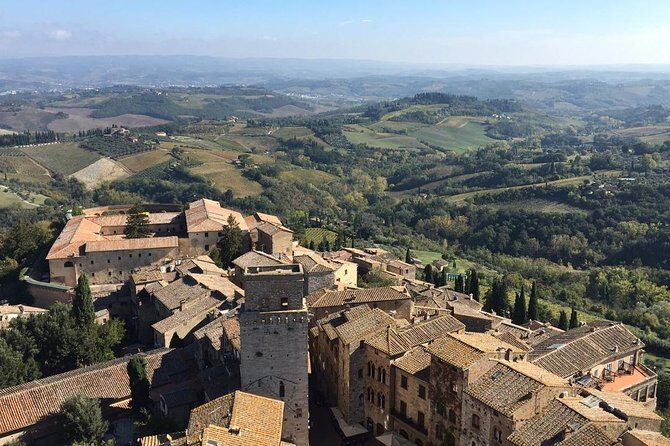
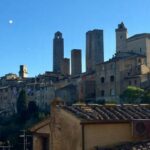
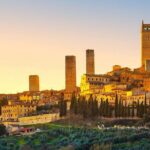
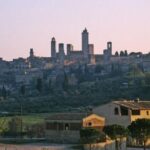
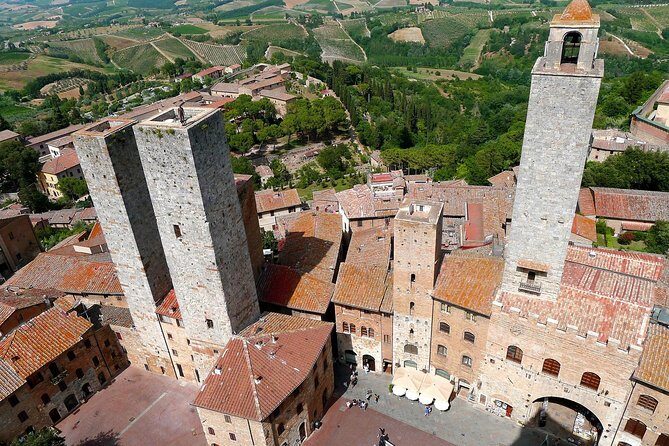
San Gimignano’s towers aren’t random. They’re a visible record of status, competition, and city life in the Middle Ages. With a local guide, you don’t just look at the skyline—you learn how it worked, and why so many towers rose in what feels like a small hill town.
The best part is how quickly the guide turns questions into answers: why the towers are clustered, what the civic buildings were for, and what art inside churches is actually telling you. That context matters because San Gimignano is all stone layers and overlapping eras—once you know what you’re seeing, your photos look better too.
You’ll also feel the “local” factor in the tone of the guiding. Guides such as Barbara, Richard, Elena, Roberto, and Mari are repeatedly described as friendly and flexible, with a pace that doesn’t feel like a race. That’s important here: the town is best at walking speed.
You can also read our reviews of more private tours in San Gimignano


Porta San Giovanni to Porta San Matteo: a route that saves your energy
The tour starts at Porta San Giovanni, right at the main gate, and ends at Porta San Matteo. That end-to-end flow is smart. You get orientation at the beginning, then you gradually move through the town’s core sights until you finish near another main point for onward exploring.
Timing is also practical. The whole experience runs about 2 hours, so each stop is short and purposeful. You’re not meant to linger in every doorway—your guide points out what’s worth your time and what’s mainly scenery (though the scenery is good, too).
You’ll walk medium distances on mostly pedestrian-friendly routes, with comfortable-shoe advice for a reason: San Gimignano’s streets can be uneven, and weather changes fast in Tuscany hills. In short, it’s a great tour if you want a strong overview without spending your whole day indoors.
The opening climb: Porta San Giovanni and getting your bearings
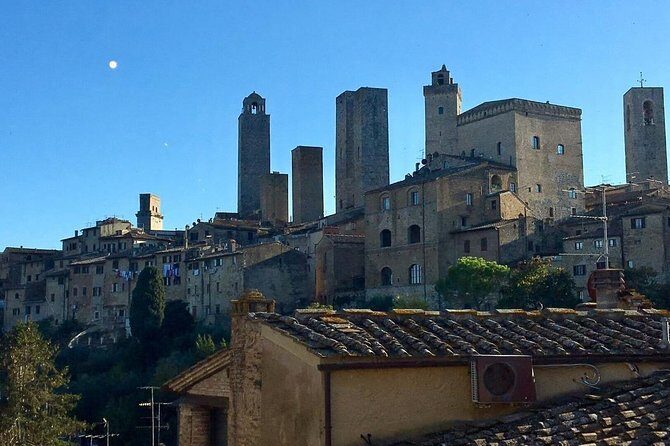
You meet at Porta San Giovanni, which is a fitting first move. A gate like this isn’t just a “nice entrance.” It’s a reminder that San Gimignano was built to be defended, managed, and controlled—then later repurposed into the romantic walled town you visit today.
This first segment is also about mental setup. Once you see where the town funnels travelers and locals through the main entry points, everything you see afterward feels more logical. Even if your goal is just photos, this helps you frame your day.
One more practical point: the tour includes time here, but admission is free, so you’re not burning your budget in the first 10–15 minutes.
Piazza della Cisterna: rival families and the tower logic
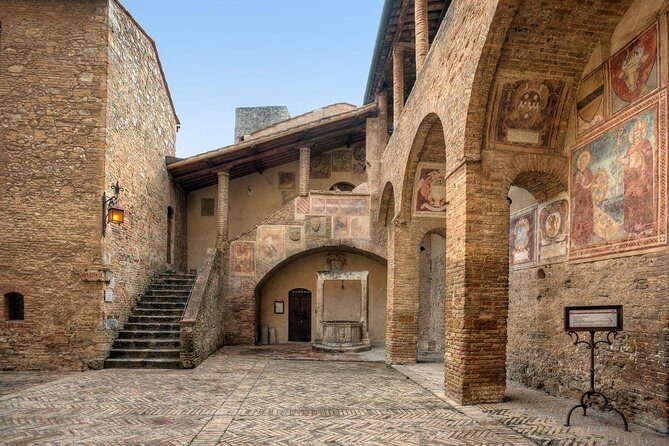
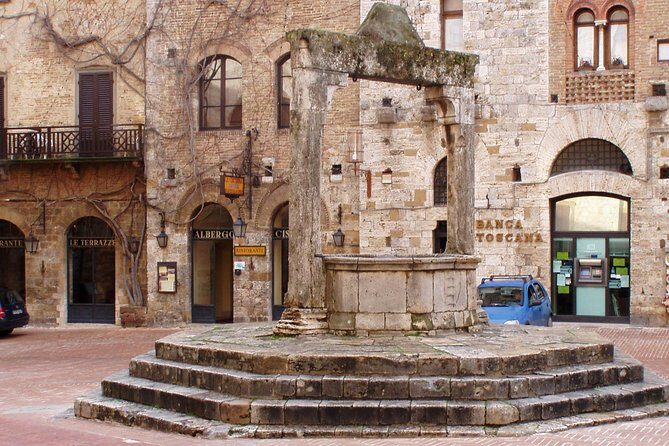
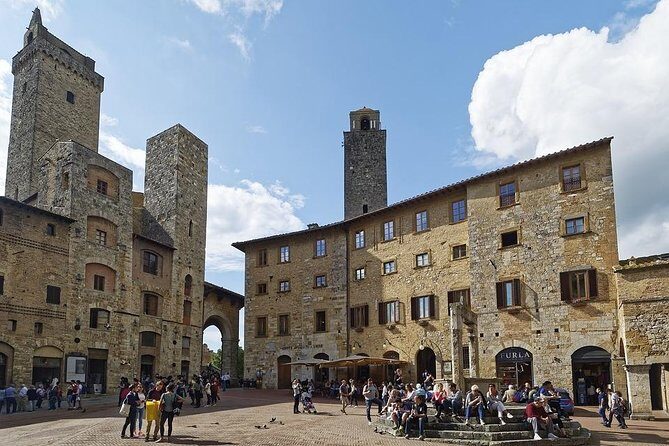
From the gate you move to Piazza della Cisterna, a square that looks simple until your guide starts connecting the details. The centerpiece is the cistern itself, but the story goes beyond plumbing. This is where family rivalry becomes architectural reality.
Here’s what makes this stop work: your guide ties the skyline to social competition. You’ll hear why so many towers rose in a compact town and how those families used towers to project power. The goal isn’t to memorize names. It’s to understand the system so that every tower you pass later feels like evidence, not decoration.
This stop is about 20 minutes and doesn’t require any paid entry, so it’s a great place to start asking questions. If you care about history but don’t want to turn your vacation into a lecture, this is a good balance point.
Duomo time: when the Cathedral is worth the extra ticket
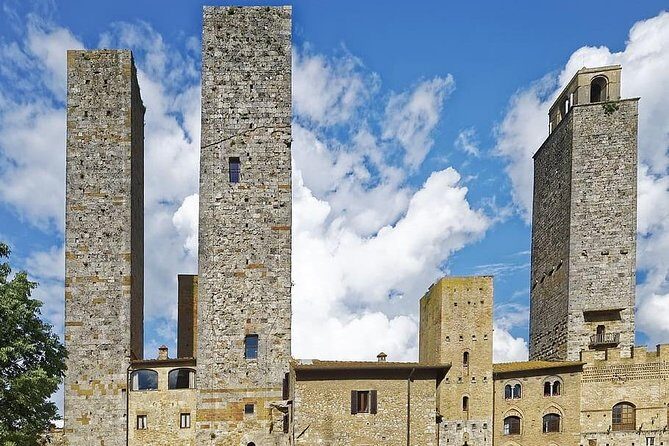
Next comes Collegiata di Santa Maria Assunta, often called the Duomo. This is where you get to choose your level of commitment. You can view the site from outside, or go inside.
If you enter, the reason to do it is straightforward: the Cathedral has well-preserved 14th-century frescoes, plus other artworks. Frescoes can be hit-or-miss on travel days, but here you’re dealing with intact history from the period you’ve just been learning about in the squares.
The tradeoff is time and money. Entry tickets for the Cathedral are not included, and the dress code matters. That means no shorts and no sleeveless tops, and your knees and shoulders must be covered for worship spaces and selected museums.
If you’re tight on budget or just prefer to keep moving, you can still get a lot out of the exterior. But if you want the town’s art to feel “real,” add the inside visit.



Palazzo Pubblico and Torre Grossa: art, Civic power, and the 54-meter climb
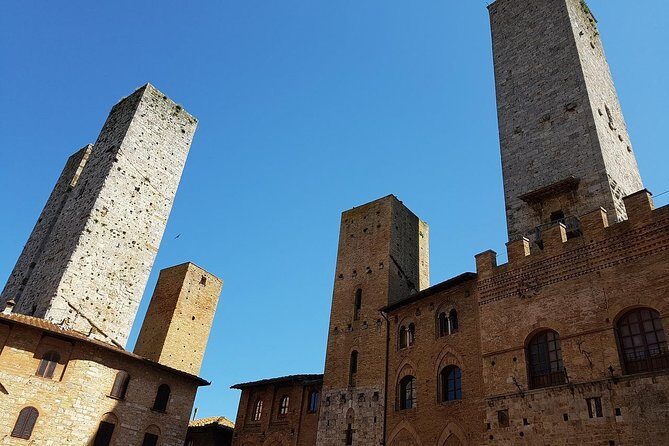
Then you reach Palazzo Pubblico e Torre Grossa, another optional stop for interiors. If you choose to go in, you’ll see the civic core of medieval San Gimignano.
Inside the Town Hall is the Civic Museum, where you can find famous 14th-century frescoes. One highlight your guide will point out is the Hall of Dante, tied to the Florentine writer and poet. Even if you don’t know his works well, this room helps you understand how civic identity and art were braided together.
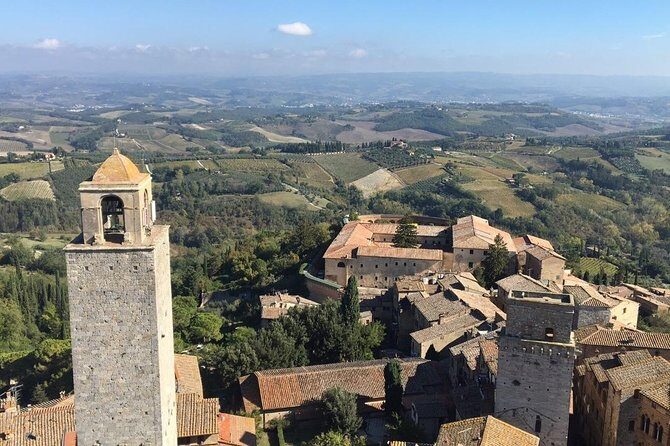
After that, the big payoff: from the museum you can climb to Torre Grossa, the highest tower at 54 meters. The climb is worth it for two reasons:
- you get a sweeping view that helps you “read” the town and its defensive layout
- it makes the tower history feel physical, not theoretical
Admission for the museum/tower isn’t included, so plan your extra cost if tower views matter to you. This is also a stop where the guide’s pacing helps. You’ll get direction without feeling trapped by the group.
Rocca of Montestaffoli: the break that makes the day feel balanced
After towers and civic buildings, you’ll appreciate the shift to nature at Rocca of Montestaffoli. This part feels more like a slow walk than a sightseeing checklist.
The setting is the point: you get a romantic walking stretch with panoramic views over the countryside. It’s also a useful reset for your legs. You’ve been on stairs and uneven stones earlier, and this segment gives your body a calmer rhythm.
This stop runs about 20 minutes and doesn’t require an admission ticket, so it’s a good value pause.
Sant’Agostino and Via San Matteo: calmer stops with strong art details
The tour continues to Church of Sant’Agostino, where the inside matters. The church is known for frescoes by Florentine artists, and this stop can be a relief after the tower climb because it tends to feel quieter and more intimate.
Again, entry is free (no ticket noted), but the dress code still applies if you go inside. Your shoulders and knees need to be covered. If you’re bringing your own “church outfit,” you’ll thank yourself later.
Then there’s Via San Matteo, a short 10-minute passage that helps tie the day together. It’s not a major ticket stop, but it contributes to how the route flows so you end with a sense of having walked through connected parts of town, not just between landmarks.
Gelato, local products, and how to avoid the line mistake
San Gimignano is serious about gelato, and the tour’s highlights include tasting award-winning local gelato. The important part: ice cream tasting isn’t listed as included, so you’re likely paying for the gelato yourself. The value is that your guide helps you do it in a smart moment.
One practical tip that keeps showing up in guide feedback: get gelato early. Lines can grow fast, and a two-hour tour doesn’t leave room for wasting 30 minutes waiting.
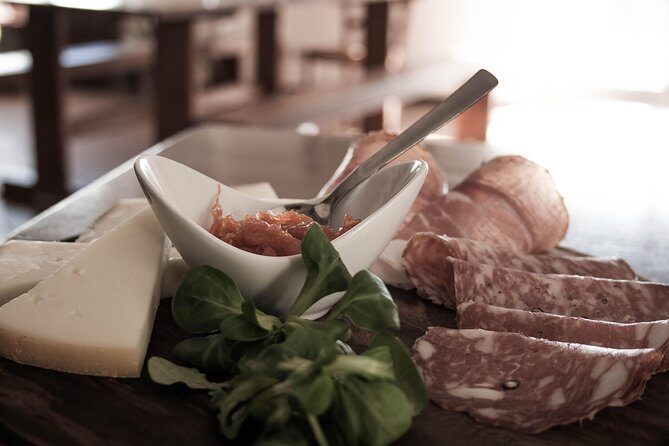
If you’re also interested in local products and traditions, this tour is built for that. It’s not framed as a shopping spree. Your guide steers you toward typical local things worth trying so you can keep your walk focused.
Price and value: is $168.20 per person a smart move?
At $168.20 per person for a 2-hour private tour, the price can feel steep at first glance. But the value depends on two things: how much you care about context and whether you’ll pay for multiple ticketed sites anyway.
This tour includes:
- a 2-hour private guided experience
- art and history explanation
- exterior coverage plus optional interiors for the Town Hall/museum, tower, and Cathedral (where tickets aren’t included)
- guidance toward typical local products
What you pay extra for, if you want it, is admission to the Civic Museum, tower, and Cathedral, plus any gelato or wine/ice-cream tasting extras (wine tasting and ice cream tasting are listed as not included).
So the real question becomes: will you add the tower climb and at least one inside art stop? If yes, this private format can actually be good value because you’re saving time and getting a guided “what to look for” plan, instead of buying tickets and wandering blind. If you’re skipping interiors and just want a scenic walk, you might compare against shorter or group walking options.
Dress code and practical comfort: what to wear for churches and museums
This is one of those details that can quietly ruin a day if you ignore it. The tour requires a dress code for places of worship and selected museums. That means:
- no shorts
- no sleeveless tops
- knees and shoulders must be covered for both men and women
Plan your outfit like you’re going to visit churches in Tuscany, not like you’re going to a beach town. Layers help too, because the weather can shift while you’re walking.
Comfort gear matters. Wear comfortable shoes because you’re moving through a historic center with uneven pavement. Bring a light rain layer if forecasts look iffy; rain shows up in this region, and a guide who can adjust pacing is a real advantage.
Who this private tour suits best
This tour is ideal if you:
- want a high-quality overview of San Gimignano without staying all day
- care about the tower story and how medieval society worked
- prefer private guidance so you can ask questions at each stop
- want to mix “must-see” sights with calmer viewpoint walking
It may be less ideal if you:
- hate ticketed indoor experiences and only want exteriors
- want a long, unstructured wander with no set route (this is structured, just not rushed)
- are very sensitive to dress-code rules
Should you book this private San Gimignano tour?
If your goal is to understand what you’re seeing—towers, civic buildings, and fresco art—this is a strong pick. The private format, short smart stops, and optional inside choices make it flexible for different interests and budgets.
I’d book it if you’re the type who likes turning a skyline into a story, and you’d like guidance from locals like Barbara, Richard, Elena, or Roberto. If you’re on the fence about extra tickets, choose based on your priorities: one tower climb plus one interior art stop usually justifies the experience.
FAQ
How long is the private tour in San Gimignano?
It’s about 2 hours.
Where does the tour start and end?
It starts at Porta San Giovanni in San Gimignano and ends near Porta San Matteo.
Is this tour private?
Yes. It’s a private experience, and only your group participates.
What’s included, and what costs extra?
Included are a 2-hour private guide experience, art and history of San Gimignano, exterior viewing with optional inside access (depending on what you choose), and guidance for typical local products. Not included are admission to the Civic Museum, tower, and Cathedral, and tasting items like wine or ice cream.
Are there any dress requirements?
Yes. For places of worship and selected museums, you need shoulders and knees covered. That means no shorts or sleeveless tops.
Can I cancel for a refund?
Yes, free cancellation is available up to 24 hours before the experience start time for a full refund.