REVIEW · PISA
Tuscan Wine Tour in Pisa by van
Book on Viator →Operated by Autoservizi DB Tuscany · Bookable on Viator
This is one of those Pisa day trips where the best moments happen off the main road. The setup is built around two real organic wineries, with cellar visits and tastings tied to how the wine is actually made, not just how it’s marketed.
What I like most is that you get a true change of pace from the usual quick-stop vineyards: you see production firsthand and you taste wines chosen to show the real range of Tuscan style. I also like that the food pairing is simple but smart, with classic Tuscan items like salami, cheese, Tuscan bread, and extra-virgin olive oil.
One thing to keep in mind: it runs about 6 hours, and the return timing is affected by traffic, so don’t schedule a hard-to-miss train or flight right at the end.
In This Review
- Key highlights you’ll care about
- Tuscan Wine Tour in Pisa by van: the real Tuscany angle
- Why organic wineries matter (and why you’ll probably notice)
- Pickup in Pisa and the van ride into the hills
- Winery stop one: historical cellar walks and organic wine basics
- Tasting #1: first impressions that set the day’s tone
- Winery stop two: two methods, one biological goal
- Tasting #2: your brain starts sorting styles
- The food pairing: salami, cheese, bread, and olive oil culture
- A quick heads-up on allergies
- Timing back to Lucca: plan with traffic in mind
- Price and value: what $189.44 buys you in real terms
- Who this Pisa wine tour is for
- Should you book Tuscan Wine Tour in Pisa by van?
- FAQ
- What time does the tour start, and where do I meet?
- How long is the Tuscan Wine Tour in Pisa by van?
- Will the tour be in English?
- How many wineries do we visit?
- What food and wine tastings are included?
- What if weather or timing disrupts the tour?
Key highlights you’ll care about
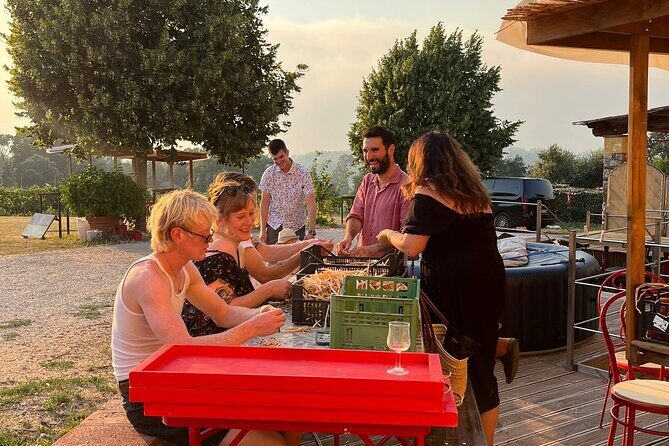
- Two stops at organic wineries instead of a single drive-by tasting room
- Cellar walkthroughs with explanations and farmer-style storytelling
- Wines paired with Tuscan garden and table culture (not just crackers and water)
- A taste that connects to Michelin-star dining as part of the experience concept
- Small group size with a maximum of 15 travelers
- Back in Lucca in time for more sightseeing (though timing depends on traffic)
Tuscan Wine Tour in Pisa by van: the real Tuscany angle
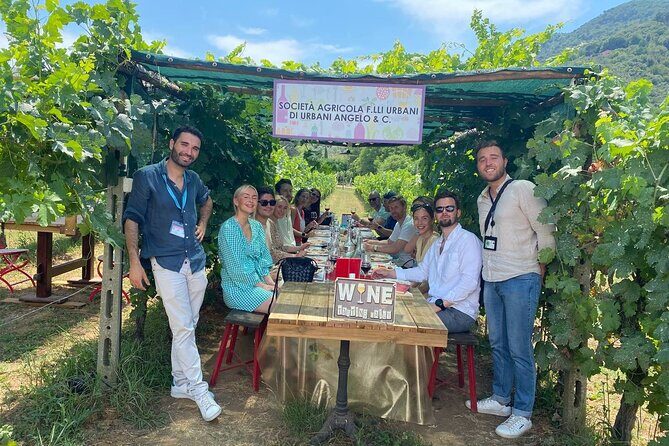
If you’ve done the classic Tuscany circuit from the coast, you’ve probably noticed a pattern: pretty views, sure, but sometimes the “wine experience” feels like a performance. Here, the focus is different. You’re picked up in Pisa and driven through the hills, but the heart of the day is what happens once you reach the wineries—how the grapes are handled, how the wine is produced, and what the producers believe they’re making when they say organic.
The tour is built around a specific theme: two historical winery locations with two different ways of making wine, yet both united by the same goal—producing top biological (organic) wine from the area. That matters, because it turns the day into a comparison, not a checklist.
You can also read our reviews of more wine tours in Pisa
Why organic wineries matter (and why you’ll probably notice)
Tuscan wine is famous worldwide, and that fame can lead to shortcuts. Some wineries get less tied to their original practices and more tuned to what sells. This tour is designed to push you toward wineries that still treat wine as a craft and an ecosystem. Even if you’re not a wine nerd, you’ll likely feel the difference in how the producers talk about land, process, and patience.
And you’ll get more than one viewpoint. With two wineries, you’re not just hearing one producer’s story—you’re watching how different methods can still aim at the same organic principles.
Pickup in Pisa and the van ride into the hills
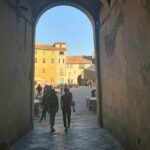
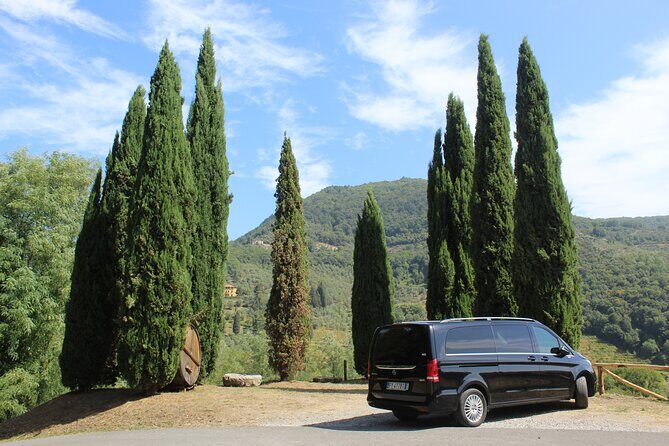
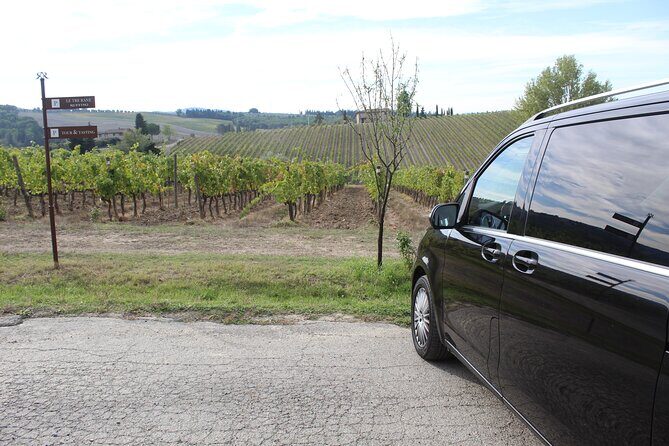
You start at Porta a Lucca (Largo Parlascio, 56127 Pisa PI, Italy) at 9:30 am. The day is done by van, which is a practical choice here: it keeps the group together, makes it easier to reach countryside spots, and saves you from trying to stitch together buses and taxis between scattered producers.
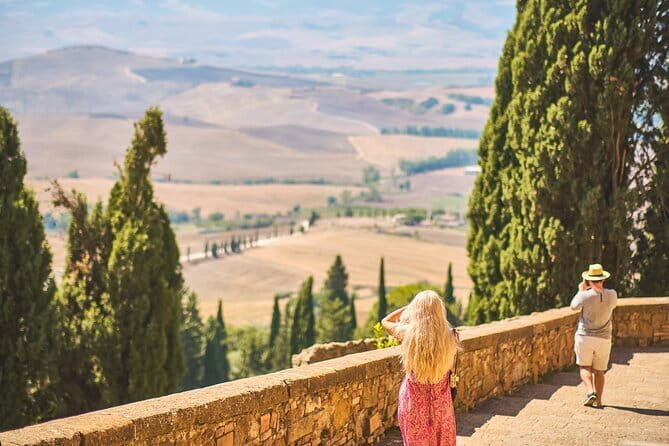
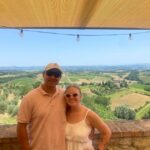
The ride itself is part of the value. You get an actual countryside drive through Tuscany hills rather than hopping in and out of city transport. If you like “getting your bearings” early in a trip, this portion helps you transition from Pisa’s city energy into a slower rural rhythm.
A couple of practical notes you should respect:
- The tour is about 6 hours overall, so plan your morning like you mean it.
- The operator says the return time isn’t guaranteed because of traffic or unforeseen delays. That’s normal in Italy, but it’s important. Build your day so you have flexibility at the end.
Winery stop one: historical cellar walks and organic wine basics
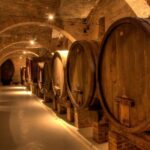
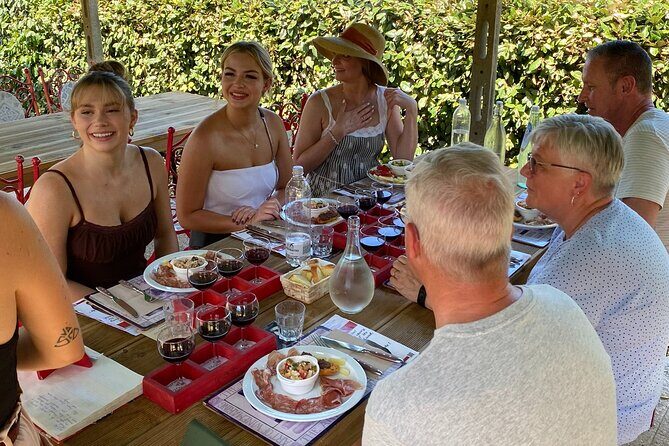
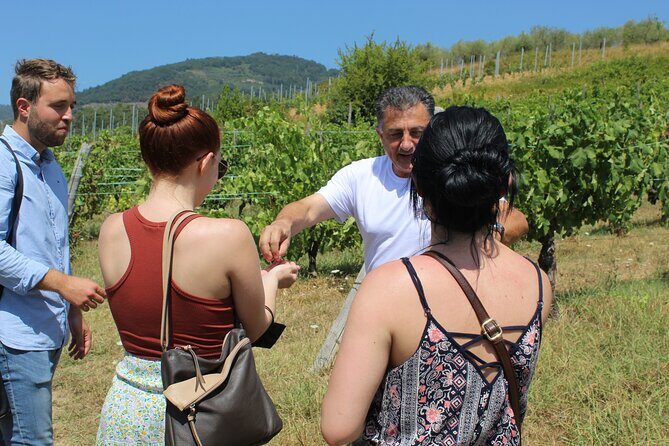
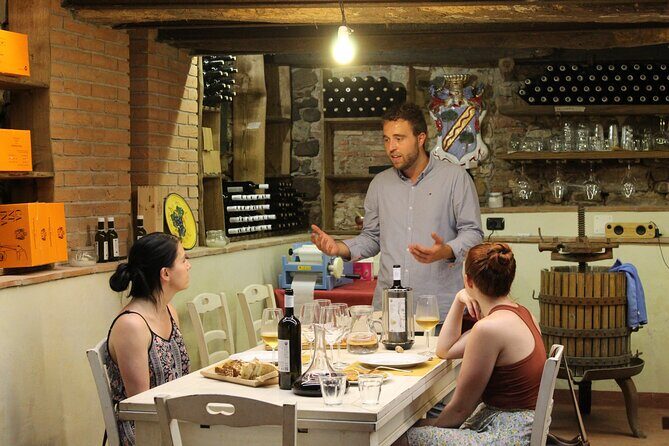
At the first organic winery, you’ll get a cellar visit and explanations about the wine production process, guided by the farmer’s life stories. That “farmer voice” is a big reason people enjoy this style of tour. It’s not just technical facts; it’s context—why this place makes choices, why organic practices exist in their own logic, and how the work fits into the seasons.
You should expect a guided walk through production areas where you can see the working environment up close. The tour info is clear that you’ll discover the process and learn the secrets of Tuscan wine through those explanations. Since the details beyond that aren’t listed, I’d keep your expectations broad and focused: you’ll see and hear enough to understand how the winery thinks, not just how to label a bottle.
Tasting #1: first impressions that set the day’s tone
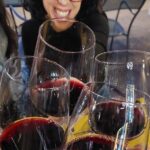
After the cellar, the tasting begins with wines from the production. This is where the comparison approach starts to matter. You’re tasting what that winery makes, and you’re tasting it in the place where it comes from, which makes it easier to connect flavor to process.
Also, the tour concept includes tasting wines that are served at Michelin Star restaurants. Even if you don’t care about restaurant rankings, that detail signals a quality target. It’s meant to help you understand these wines aren’t niche to the point of being disconnected from broader culinary culture.
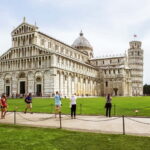



Winery stop two: two methods, one biological goal
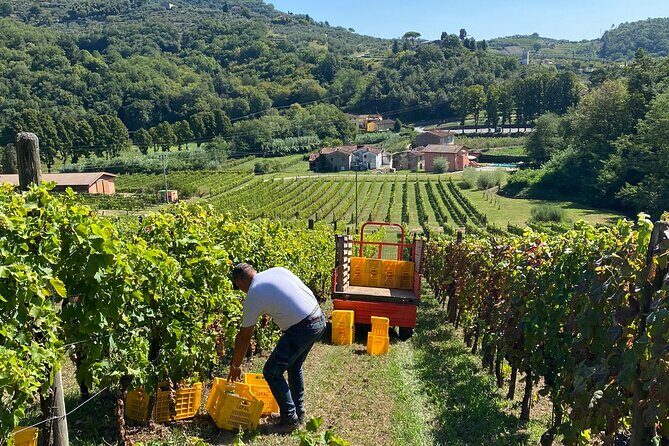
The second winery visit is the contrast point. You’re still in the organic/biological world, but you’ll encounter a different way of making wine. The day is designed so you don’t just repeat the same experience twice.
This is the part that turns the tour from an enjoyable outing into a more memorable learning day. Two approaches to winemaking, two historical settings, and the same organic mission gives you something rare on a half-day tour: a built-in “why” behind differences in taste.
Tasting #2: your brain starts sorting styles
By stop two, you’ll be more alert to what you’re noticing. You might find yourself comparing:
- how the wines feel in your mouth (structure, smoothness, finish)
- whether the flavors lean more toward fruit, spice, or earthy notes
- how the organic approach shows up in what you’re tasting
Even if you don’t call it by textbook terms, your own impressions will become clearer once you have two different production styles to compare.
The food pairing: salami, cheese, bread, and olive oil culture
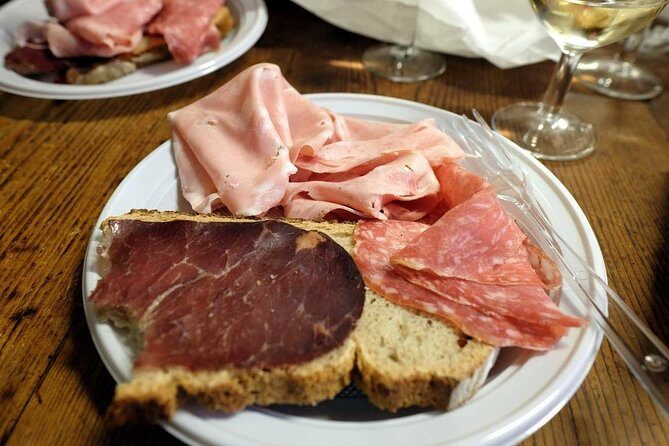
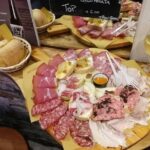
You won’t get a full lunch, but you will get a real Tuscan tasting table moment. The sample menu includes:
- Salami and cheese
- Tuscan bread
- Plus pairings with local extra-virgin olive oil
- Wines matched with products from the garden and some specialties
This matters because pairing isn’t just about flavor theory. It’s about rhythm. A salty bite like salami can reset your palate between tastings. Cheese gives structure and fattiness that helps you notice changes in acidity or tannin. Bread and olive oil are simple, and that simplicity is the point: Tuscany’s food culture is often about doing few things well.
You can treat it like a mini crash course in how Tuscan food supports wine, without the time cost of a sit-down restaurant lunch.
A quick heads-up on allergies
The tour notes ask you to advise about allergies or food preferences. That’s your cue to provide details when booking, especially since the pairing includes cheese, salami, bread, and olive oil.
Timing back to Lucca: plan with traffic in mind
One of the nice promises here is that you return to Lucca in time for more sightseeing. That’s a smart combination because Pisa and Lucca are both worth your attention, and they feel different enough to make the switch enjoyable.
Still, the operator is honest that the return time isn’t guaranteed due to traffic or unforeseen delays. So here’s practical advice: if you’re using Lucca as your next stop, plan activities that don’t have a strict clock requirement right at the end of the tour. You want buffer time to wander, not stress.
Price and value: what $189.44 buys you in real terms
At $189.44 per person for about 6 hours, this isn’t a bargain-basement wine tasting. But it also isn’t overpriced for what you’re getting—especially if you compare it to the cost of doing transport plus tastings plus a guided experience.
Here’s where the value comes from:
- Two wineries (instead of one) means more production time and a comparison of methods
- Cellar visits and explanations add depth, not just a sip-and-go format
- Organic focus is more specific than a generic “vineyard tour”
- Small group size (maximum 15) usually makes it easier for questions and conversation
- You’re picked up in Pisa by van, so you’re not building your own itinerary under a tight schedule
If your main goal is a quick flavor stop with zero learning, you might find this feels more “experience” than “tour.” But if you want the story behind the glass—especially around organic production—this price starts to make sense.
Who this Pisa wine tour is for
This tour fits best if you:
- want a more authentic wine day than the standard tourist circuit
- enjoy comparison tasting (two wineries, two approaches)
- like countryside driving and a relaxed half-day schedule
- appreciate food-and-wine pairing in a Tuscan context
It may be less ideal if you’re the type who only wants scenic photos and doesn’t care about learning how wine is produced. The day is built around wineries first, views second.
Should you book Tuscan Wine Tour in Pisa by van?
If you want a Tuscany wine day that feels anchored in real production, I think this is a strong choice. The biggest selling points are the two real organic wineries, the cellar walkthroughs, and the way the day blends tastings with Tuscan food culture instead of treating snacks like an afterthought.
Book it if you’re excited by learning the differences between winemaking methods and you don’t mind that the schedule depends a bit on traffic near the end.
Skip it only if you need a perfectly timed return or you’re looking for a simple tasting without the production story.
FAQ
What time does the tour start, and where do I meet?
The tour starts at 9:30 am. You meet at Porta a Lucca (Largo Parlascio, 56127 Pisa PI, Italy).
How long is the Tuscan Wine Tour in Pisa by van?
It runs for about 6 hours.
Will the tour be in English?
Yes. The tour is offered in English.
How many wineries do we visit?
You visit two real Tuscan organic wineries.
What food and wine tastings are included?
You’ll taste wines from the wineries, and the pairing includes items such as salami and cheese and Tuscan bread. The tour also includes pairings with local extra-virgin olive oil and products from the garden. It is not described as a complete lunch.
What if weather or timing disrupts the tour?
The experience requires good weather. If it’s canceled due to poor weather, you’ll be offered a different date or a full refund. The tour return time is not guaranteed due to traffic or unforeseen delays, so avoid booking trains or flights right at the end.