REVIEW · PISA
Pisa: Private Pasta-Making Class at a Local’s Home
Book on GetYourGuide →Operated by Cesarine · Bookable on GetYourGuide
Fresh pasta tastes better at home.
This Pisa-area private pasta class puts you at a Cesarina’s kitchen table, where you learn three regional recipes and then eat what you make, family-style. I especially like the hands-on setup with your own workstation, and I like that wine is part of the tasting, not an afterthought. One thing to consider: since it’s in a local home, you’ll need to follow the host’s directions carefully when you arrive.
You’ll cook for about 3 hours with an English- or Italian-speaking certified home cook, learn the tricks behind the dough and shapes for three dishes, and then settle in to taste everything together with local red and white wines plus coffee.
In This Review
- Key Highlights You’ll Actually Feel in the Kitchen
- Why a Cesarina’s Home Kitchen Works So Well in Pisa
- Your 3-Hour Plan: From Dough Work to the Family Table
- The Three Regional Pastas You’ll Learn and Eat
- Wine at Dinner Table Pace: Red, White, Water, Coffee
- What’s Included in the Price (and Why $164.26 Is Not Just a Ticket)
- Price and How the Home Address Works for First-Time Visitors
- Dietary Needs and English/Italian Support
- Who Should Book This Private Pasta Class (and Who Might Skip It)
- Should You Book This Private Pasta Class in Pisa?
- FAQ
- FAQ
- How long is the pasta-making class?
- What time does the class usually start?
- Is this experience private?
- Where do we meet?
- What’s included besides the cooking lesson?
- Does the host accommodate dietary requirements?
- What languages does the instructor speak?
Key Highlights You’ll Actually Feel in the Kitchen
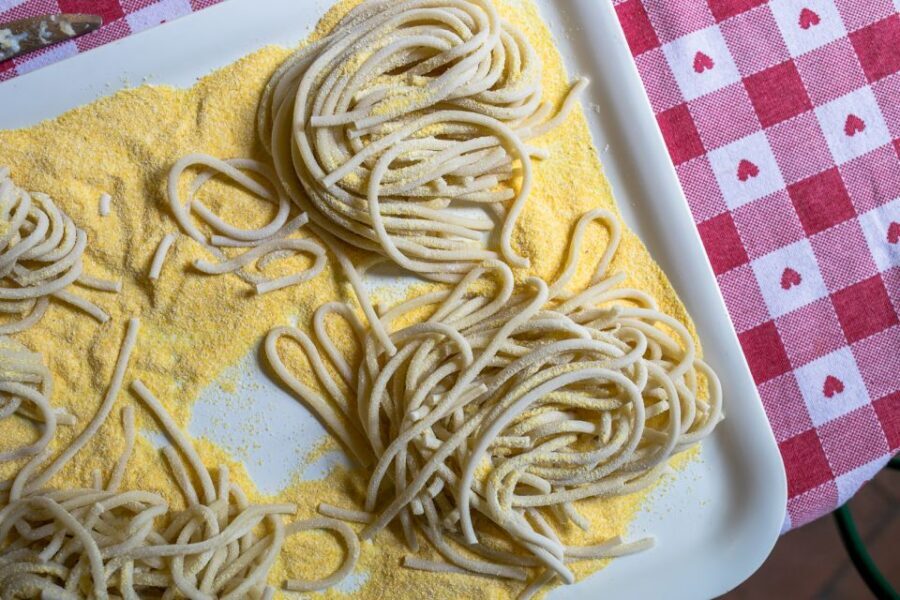
- Private, home-based class with a Cesarina (certified home cook)
- Three regional pasta recipes taught step-by-step
- Taste everything you make around the table
- Wine included (a selection of red and white) plus water and coffee
- Warm family vibe, with hosts who make the experience relaxed and fun
Why a Cesarina’s Home Kitchen Works So Well in Pisa
If you’ve done cooking classes before, you might know the difference between a demonstration and the real thing. This one is in a local home, so it feels less like a school and more like you’re being invited into someone’s Sunday-table routine, even though it’s a planned lesson.
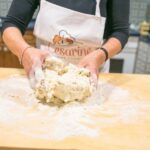
The Cesarina setup matters. You’re not squeezing everyone into one tiny area. Each participant gets a workstation with utensils and ingredients laid out for the day. That means you can actually practice the motions—mixing, kneading, shaping—without standing around watching.
And yes, you’ll still learn technique. The host shares the secrets behind three authentic regional pastas, but the pace is humane. You’ll get time to try, mess up, adjust, and then apply it again. That’s the part that sticks, because you’re learning how to cook, not just how to follow instructions.
You can also read our reviews of more private tours in Pisa
Your 3-Hour Plan: From Dough Work to the Family Table
This experience runs about 3 hours, with typical start times at 10:00 AM or 5:00 PM. The provider can sometimes be flexible if you share your travel needs in advance, so it’s worth coordinating early if you’re juggling trains or day trips.
Here’s what the flow usually feels like:
- You arrive at the family home and get settled at your workstation.
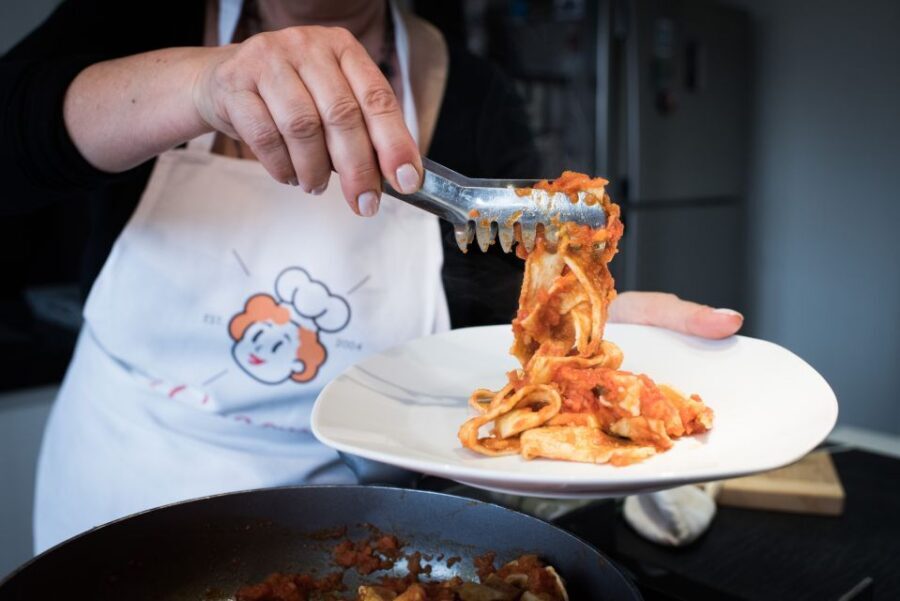
- The Cesarina walks you through the process for three regional pasta recipes, focusing on the dough and the shaping choices that make them taste right.
- As dishes come together, you’ll taste what you’ve made.
- You’ll sit down with local wines—red and white—plus water and coffee.
Because it’s private, the lesson doesn’t turn into a factory line. Questions actually get answered. If you’re a slow learner, you’re not punished with a timed shuffle to the next step.
A practical note: since the class is in someone’s home, expect a more personal rhythm than a restaurant kitchen. It’s not chaotic. It’s just human. You’ll want to arrive a bit early so you’re calm when you get your bearings.
The Three Regional Pastas You’ll Learn and Eat
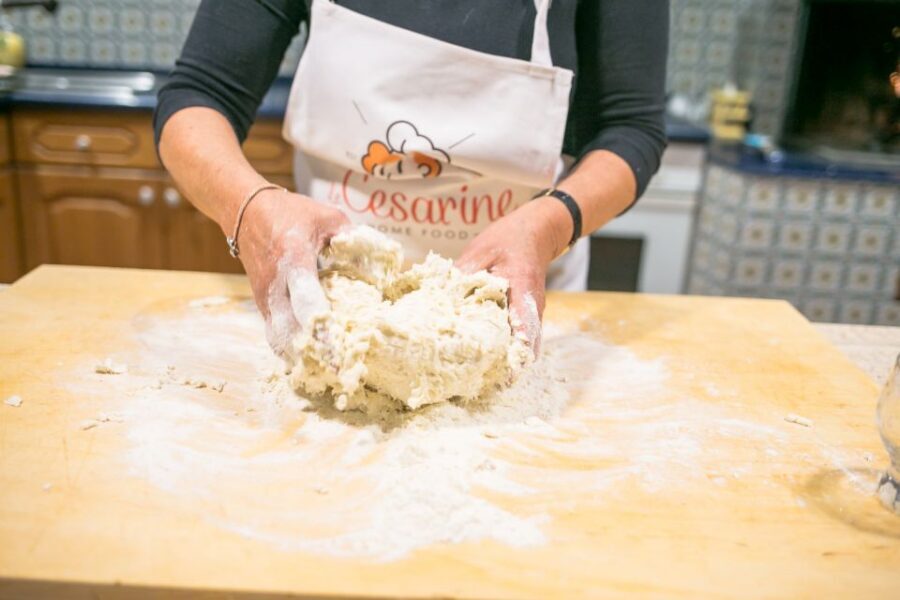
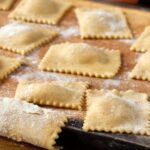
You’re taught three authentic regional pasta dishes. The exact recipes aren’t listed in the basic info, so don’t assume you’ll know the names ahead of time. What you will know is the method: you’ll learn how the dough and shape techniques connect to the final taste.
That’s why I think this is a better use of time than another food stop. In most places, you just eat the finished product. Here, you get to understand why the pasta feels a certain way and how the shapes influence sauce-holding and texture.
You’ll also taste each dish you prepare. That’s a huge confidence boost. When you can compare your own result to what you’re aiming for, you learn faster. And you’ll get a clear sense of which parts mattered most—texture, thickness, folding/shaping, or how the dough behaves during handling.
If you’re the type who wants to bring something home, this format is gold. Even without memorizing every ingredient, you’ll walk away knowing the “why” behind the steps.
Wine at Dinner Table Pace: Red, White, Water, Coffee
The tasting is paired with a selection of local wines: red and white, plus water and coffee. That sounds simple, but it changes the whole mood of the class.
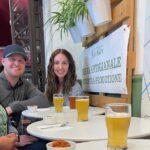
Wine inclusion turns the tasting into a meal, not a checkbox. You’ll sit around the table after cooking, and that’s where the experience becomes more than technique. This is also where conversation happens—about local cooking traditions, family habits, and little preferences that make food taste like a place, not just like a recipe.
One host named Maria is described as kind and genuinely welcoming, and her husband is remembered for being funny. Even if you get a different household on your date, you can expect the same general idea: it’s warm, relaxed, and built around people sharing food.
If you’re thinking about timing, this matters too. A mid-morning class with coffee and wine afterward can feel like a full reset to your day. A late afternoon slot can turn into a perfect lead-in to dinner plans—because you’ll already have a real meal, not just snacks.
What’s Included in the Price (and Why $164.26 Is Not Just a Ticket)
At $164.26 per person for about 3 hours, you’re paying for more than instruction. You’re paying for:
- A private cooking class in a local home
- A Cesarina/Cesarina-style host with English or Italian support
- Ingredients and tools provided for your own workstation
- Tasting of three local pasta dishes
- Water, local wine (red and white selection), and coffee
Here’s the value logic I’d use: you’re getting a full meal experience built around pasta-making plus beverages. And you’re doing it without grocery shopping, without hauling equipment, and without translating recipes while you cook. The ingredients and setup are already there, which is exactly what you want on a trip.
If your travel style is all about authentic, hands-on experiences—and you’re happy to spend a few hours inside a family home—this price can make sense. If you’d rather browse sights or prefer a more formal restaurant class, you might feel the cost more strongly. But for a home-based food lesson that ends with you eating what you made, it’s a reasonable match.
You can also read our reviews of more tours and experiences in Pisa
Price and How the Home Address Works for First-Time Visitors
The meeting point is at the family home, but for privacy reasons, you don’t get the full address until after you book. Instead, you receive instructions from the host once your reservation is confirmed.
This is common for home experiences, but it’s worth planning for:
- Save your confirmation details and contact info from your voucher.
- Don’t treat arrival time lightly. You’ll want enough buffer to locate the home calmly.
- If you have mobility limits or need specific route info, contact the provider early so they can guide you correctly.
The activity ends back at the meeting point, so plan on having your transit sorted for afterward.
Dietary Needs and English/Italian Support
Good news: the provider can cater to dietary requirements upon request, including vegetarian, vegan, gluten free, and more. You’ll want to request changes in advance so the Cesarina can plan ingredients and steps.
Language support is also built in. The instructor speaks English and Italian, so you won’t be stuck guessing what to do with flour on your hands. If you prefer one language over the other, it’s smart to note that when you book, since it can affect how smooth the lesson feels.
Who Should Book This Private Pasta Class (and Who Might Skip It)
This class is a strong fit if:
- You want hands-on cooking in Pisa/Tuscany rather than just a food tour
- You like the idea of learning from a certified home cook in a family setting
- You enjoy dining with wine and having the meal as the payoff
- You’re cooking-curious but want step-by-step guidance, not a solo experiment
It might be less ideal if:
- You hate being in a private home setting and strongly prefer public, ticketed venues
- You want a sightseeing-heavy schedule and can’t spare a full 3 hours
- You’re hoping for a long, named-ingredient itinerary with exact pasta titles listed upfront
If you’re traveling as a couple, with friends, or even solo and you want a focused experience, private lessons like this often feel worth it because the attention is concentrated.
Should You Book This Private Pasta Class in Pisa?
I’d book it if you want a real taste of Tuscany that goes beyond eating. The combination of a home setting, three pasta recipes, tasting everything you make, and wine plus coffee makes this a complete experience, not just a cooking “lesson.”
One more reason to lean in: the setup is practical. You get ingredients, utensils, and your own workstation. That reduces stress and helps you learn by doing.
Still on the fence? If you’re not sure you’ll enjoy cooking, consider taking a quick look at your own travel energy. If you like learning through your hands and you enjoy sitting down to eat the result, this class is an easy yes. If you’re craving landmarks all day and prefer casual snacks at the end, you might be happier with a lighter food experience.
FAQ
FAQ
How long is the pasta-making class?
The duration is 3 hours.
What time does the class usually start?
It usually begins at 10:00 AM or 5:00 PM. Starting times can vary, so check availability, and the provider can be flexible based on your travel requirements if you request it in advance.
Is this experience private?
Yes. It’s a private group experience.
Where do we meet?
You meet at a local family’s home. For privacy reasons, you’ll receive the full address after booking, along with instructions. The experience ends back at the meeting point.
What’s included besides the cooking lesson?
You’ll have a cooking class and tasting of three local pasta dishes, plus beverages including water, local wines, and coffee.
Does the host accommodate dietary requirements?
Yes. The local provider can cater to dietary requirements upon request, such as vegetarian, vegan, and gluten free.
What languages does the instructor speak?
The instructor speaks English and Italian.