REVIEW · PISA
Share your Pasta Love: Small group Pasta and Tiramisu class in Pisa
Book on Viator →Operated by Cesarine: Cooking Class · Bookable on Viator
Three hours can taste like Italy. This small-group Pasta and Tiramisu class happens in a real Pisa home, led by a local Cesarine who teaches you family-style techniques instead of demo-only tricks. You get the full hands-on rhythm: learn, roll, fill, cook, and sit down to enjoy what you made.
I especially love the make-it-yourself part. You’ll craft two kinds of pasta by hand, including rolling out and working dough for filling, then finish with the tiramisù you created. My second favorite thing is how personal it feels, with a maximum of 12 people and instruction in English.
One consideration: the class takes place in private homes, and the exact address isn’t shared up front for privacy. On a tight schedule, you’ll want extra buffer time and to verify the meeting details right after booking, because confusion on meeting logistics can turn a fun class into a stressful scramble.
In This Review
- Key highlights worth your attention
- Why a Pisa home kitchen beats a classroom
- Two kinds of handmade pasta (and why that matters)
- The tiramisù part you’ll remember
- How the class flows in a Cesarine home
- What to eat, what to expect, and how the meal feels
- English instruction and a group size that makes sense
- Price in context: is $162.03 worth it?
- Logistics you should handle before you arrive
- Who this pasta class suits best
- Should you book it? My take
- FAQ
- How long is the pasta and tiramisù class in Pisa?
- Is this a small-group experience?
- Is the class taught in English?
- Where does the class take place?
- What will I make during the class?
- Do I get to taste the food I cook?
- Is there a mobile ticket?
- Is the meeting point near public transportation?
- What if I need to cancel?
Key highlights worth your attention
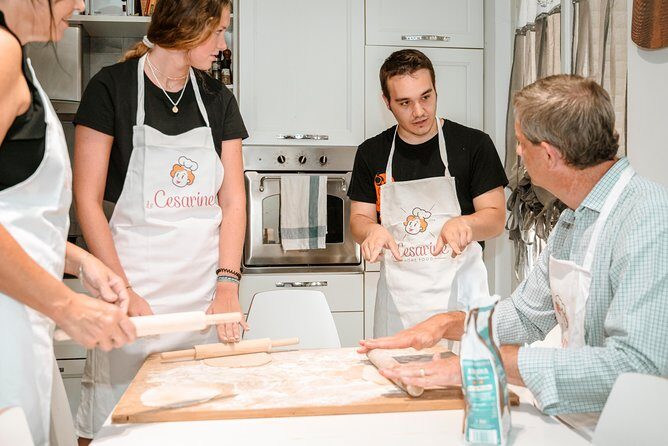
- Private-home Cesarine teaching in Pisa, not a big cooking studio
- Two pasta types from scratch, including rolling out and filling dough
- Tiramisu included as the final hands-on payoff
- Small group limit (max 12) for more direct attention while you cook
- English instruction with a “family table” feel
- Sanitary supplies provided and spacing rules (1 meter, masks/gloves if needed)
Why a Pisa home kitchen beats a classroom
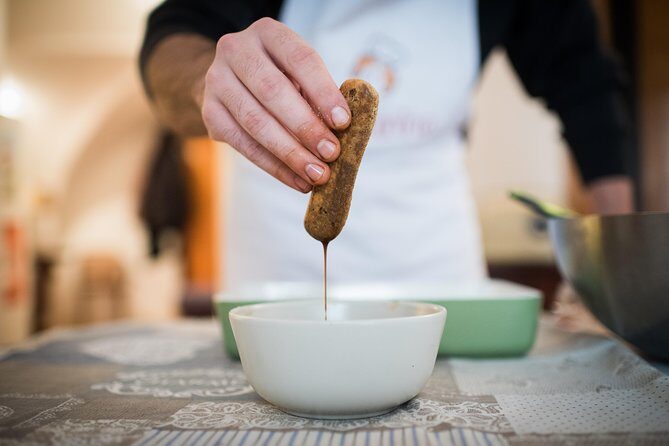
Pisa is famous for marble and monuments, but this experience is for your stomach. The magic here is that you’re cooking inside a local home, with a Cesarine host who works like they’re feeding people they actually know. That changes the tone fast. Instead of watching someone perform, you’re getting guided through the same steps that show up in Italian kitchens, the kind you learn by doing.
There’s also a quiet practical advantage. A home kitchen means the tools, pace, and workflow are all meant for real people in real kitchens. You learn how dough should feel, how to handle rolling, and when to slow down so the final result doesn’t turn into a floury mess. When instruction is hands-on, mistakes become teachable moments.
You can also read our reviews of more tours and experiences in Pisa
Two kinds of handmade pasta (and why that matters)
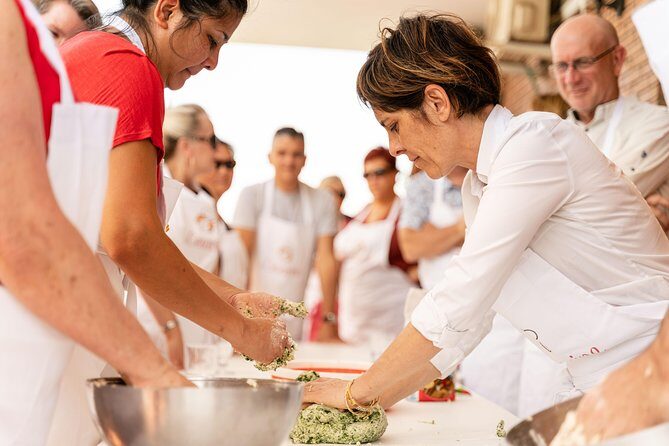
The class is built around making two pasta dishes you actually eat. The highlight calls out dough work like rolling out and filling the pasta, and reviews back that up with real technique. One common pairing you may run into is learning two dough styles, like one with egg and one without, then comparing how they behave when rolled.
That “two types” structure is more than variety. It teaches you the fundamentals twice:
- How dough elasticity changes with ingredients
- How thickness affects cooking and texture
- How filling should be handled so it stays sealed and doesn’t leak
You’ll also get practice with rolling methods. The class highlights rolling out dough, and review details mention both handmade rolling and rolling with a machine during instruction. Even if you’re a complete beginner, this is the sort of skill you can transfer back home. Once you understand what correct dough looks and feels like, you stop guessing.
The tiramisù part you’ll remember
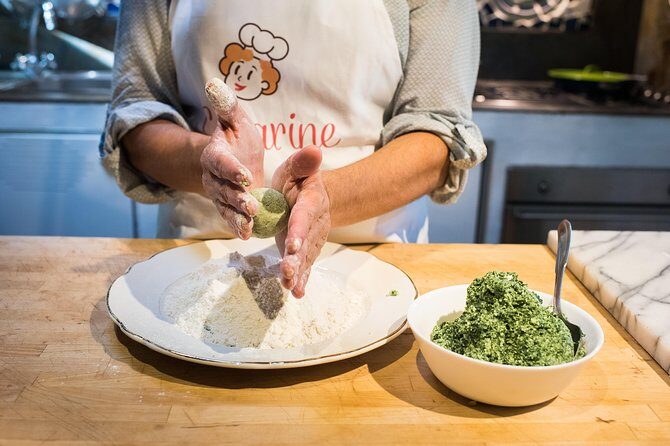
After the pasta work, you shift gears to dessert. The sample menu is simple on paper, but it’s high-impact in real life: you make tiramisu and then taste it at the end.
Tiramisu is the dessert people order everywhere, but making it changes what you pay attention to. You see how the components come together and why the timing and handling matter. It also helps that the course ends with tasting what you created, so dessert isn’t a separate afterthought. It’s the final checkpoint for the whole cooking story.
How the class flows in a Cesarine home
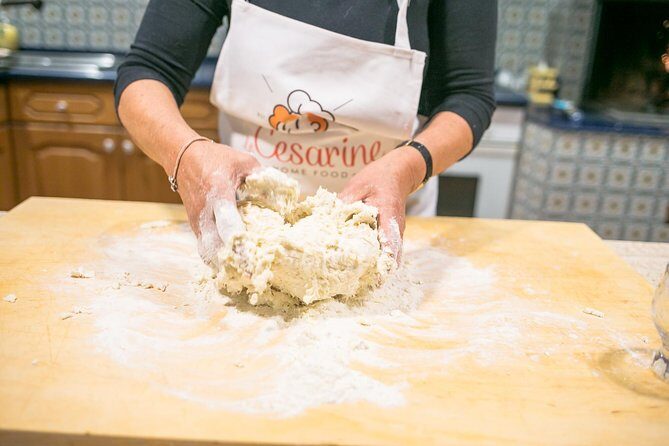
The tour runs about 3 hours, and it’s designed to feel like a shared meal day rather than a rigid workshop. Here’s the typical flow, based on what’s promised and what guests repeatedly describe:
First, you meet at the starting point in Pisa, and you head to the local home. Cesarine hosts welcome you and teach you using their family approach. This is when you’ll get the basics of the dough process and how your table group will work through the steps.
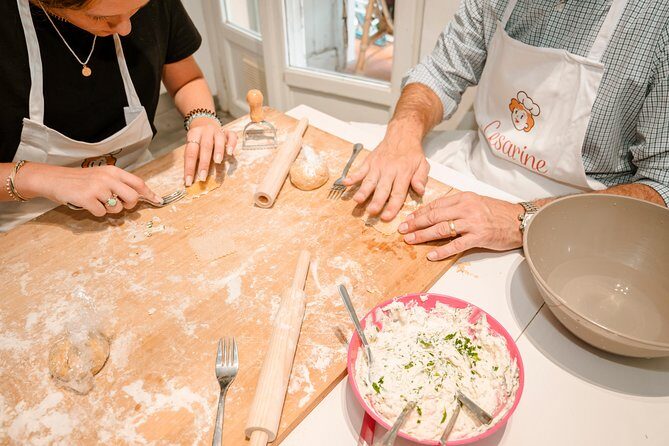
Next comes the pasta sequence. You’ll work with dough for two different pasta preparations, focusing on rolling out and filling. Expect active time at the counter: kneading, rolling, shaping, and prepping. In multiple reviews, people mention learning a lot about ingredients and Italian cooking basics from the host, including ingredient choices like garlic and mushrooms, which helps you understand what drives flavor beyond just the recipe steps.
Then comes cooking and tasting. The experience is hands-on from start to finish, so you don’t just leave to find lunch. You sit down and eat the two pasta dishes plus your tiramisù, typically as a shared table moment in the home.
Finally, you end back at the meeting point. That keeps the plan simple: you don’t have to figure out a second reservation or manage transportation during the most time-sensitive part of the day.
What to eat, what to expect, and how the meal feels
The sample menu lists pasta and tiramisù, but the overall vibe is bigger than those two words. Reviews mention extra table elements like appetizers, bread, and wine served alongside the homemade meal. You should treat those as “possible extras,” not guaranteed add-ons, but the consistent message is that you’re not just tasting a sample. You’re eating a real dinner-style meal after you cook.
This matters for value. You’re paying for:
- instruction time
- ingredient handling during the class
- the full meal outcome
Even if you’re not trying to become a pasta expert, the meal portion is what makes the experience feel complete. Cooking classes can sometimes feel like you spend hours making something you barely taste. Here, the structure is built around enjoying your results at the table.





English instruction and a group size that makes sense
The experience is offered in English, and that’s a big deal when you’re learning manual skills. Pasta making isn’t about memorizing terms; it’s about feedback. You need to hear what the teacher wants you to do next and understand corrections quickly—especially for dough thickness, filling amount, and sealing technique.
Group size also helps. With a maximum of 12 travelers, you’re less likely to get stuck “watching from the edges.” Smaller groups tend to mean more instructor attention while you’re rolling and shaping, which is exactly when beginners need help the most.
If you’re a solo traveler, this kind of setup can be a win. Several reviews describe feeling welcomed quickly in the home environment, which fits the idea of a shared family-style table.
Price in context: is $162.03 worth it?
At $162.03 per person for about 3 hours, you’re paying more than you would for a casual meal or a quick food tour. The value comes from three things that most cheaper classes don’t fully deliver:
1) Hands-on pasta coaching for two pasta styles
You’re not just assembling a dish. You’re working dough, rolling, and filling, which takes real time and real patience from the host.
2) A complete meal outcome
You taste the pasta dishes plus tiramisù you make. That turns the activity into something you can count as lunch or dinner.
3) A private-home setting with a local Cesarine
Private-home experiences usually cost more, but the trade-off is more personal. Reviews repeatedly highlight warmth, teaching patience, and memorable host moments with names like Flora and Claudio, and Elena (sometimes with Silvia mentioned as well).
So here’s my straight take: if you want a cooking class that feels like a meal with a lesson, this price is within the expected range for a small-group home experience. If you only want a quick food taste and you hate hands-on work, you may feel it’s pricier than it needs to be.
Logistics you should handle before you arrive
The class is set up to run near public transportation, and it offers a mobile ticket. Confirmation is received at booking. That covers the basics.
The part you should not ignore is the private-home address issue. The exact address isn’t disclosed before booking for privacy, and the meeting information you see is a general location. That’s normal for home-based experiences, but it means you should:
- read the booking confirmation carefully
- save any message details or directions you receive
- arrive early enough to find the correct entrance and settle in
Two negative experiences in the ratings point to the same theme: meeting-place confusion and, in one case, a location issue that caused major delays. I can’t predict what will happen with your booking, but I can say this: if you’re catching a train or dealing with a cruise schedule, build extra time so a navigation hiccup doesn’t ruin your day.
Who this pasta class suits best
This is a strong fit if you want:
- an authentic home cooking experience in Pisa
- real skill-building with handmade pasta and filling
- a small-group setting where you can ask questions in English
- the satisfaction of eating what you made, including tiramisù
It might be less ideal if:
- you dislike detailed food work (kneading, rolling, shaping)
- you need a perfectly predictable, public-facing venue like a restaurant
- you’re traveling with zero buffer time for directions and meeting details
Should you book it? My take
I’d book this if your idea of a great Pisa day includes getting your hands dirty and leaving with confidence you can repeat at home. The two pasta types plus tiramisù, taught in English by a Cesarine in a private home with a maximum of 12 people, is exactly the recipe for a memorable, actually-useful experience.
Just be smart about logistics. Treat it like a home dinner invite, not a quick street-corner activity. Confirm the meeting details after booking, aim to arrive with extra time, and you’ll give yourself the best chance to enjoy what people consistently celebrate: warm hosts, hands-on teaching, and pasta and tiramisù that taste freshly made because they are.
FAQ
How long is the pasta and tiramisù class in Pisa?
The class runs about 3 hours.
Is this a small-group experience?
Yes. The group size is capped at a maximum of 12 travelers.
Is the class taught in English?
Yes, it is offered in English.
Where does the class take place?
It takes place in carefully selected local homes in Pisa. The activity ends back at the meeting point.
What will I make during the class?
You’ll learn to make two kinds of pasta by hand, and you’ll also make tiramisù.
Do I get to taste the food I cook?
Yes. The class includes tasting the two pasta dishes plus the tiramisù you created.
Is there a mobile ticket?
Yes. The experience includes a mobile ticket.
Is the meeting point near public transportation?
Yes. The meeting point is near public transportation.
What if I need to cancel?
You can cancel for a full refund up to 24 hours in advance of the experience start time.