REVIEW · PISA
Private Cooking Class at a Cesarina’s Home in Pisa
Book on Viator →Operated by Cesarine: Cooking Class · Bookable on Viator
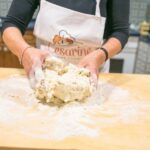
Pisa tastes better at home. This private cooking class with a Cesarina turns the city into a kitchen, in the middle of someone’s real life in Tuscany. I like that you don’t just watch cooking—you learn the secrets behind Pisa’s most famous dishes and then sit down to eat what you made.
What I love most is the three-dish tasting pairing seasonal starter, fresh pasta, and a Tuscan dessert with local wine. The main consideration is the price: at $174.23 per person for about 4 hours, it’s best if you’re a food-focused group who will actually use the full time.
In This Review
- Key highlights worth marking on your Pisa plan
- Why this Cesarina cooking class in Pisa feels different
- The flow of the experience: from welcome to the first bite
- The menu you’re cooking: seasonal starter, fresh pasta, Tuscan dessert
- Starter: seasonal starter
- Main: fresh pasta (with local-style choices)
- Dessert: Tuscan dessert options
- Wine, lemoncello, and the best kind of finish
- What you actually learn (and how it helps you later)
- Health and comfort details that matter in a home class
- Value check: is $174.23 per person worth it?
- Who should book this private cooking class in Pisa
- Should you book this Cesarina cooking class in Pisa?
- FAQ
- How long is the private cooking class in Pisa?
- How much does the experience cost?
- Is this class private?
- What will I eat during the class?
- Do I get wine with the class?
- What language is the class offered in?
- Where does it start and end?
- What’s the cancellation policy for a full refund?
Key highlights worth marking on your Pisa plan
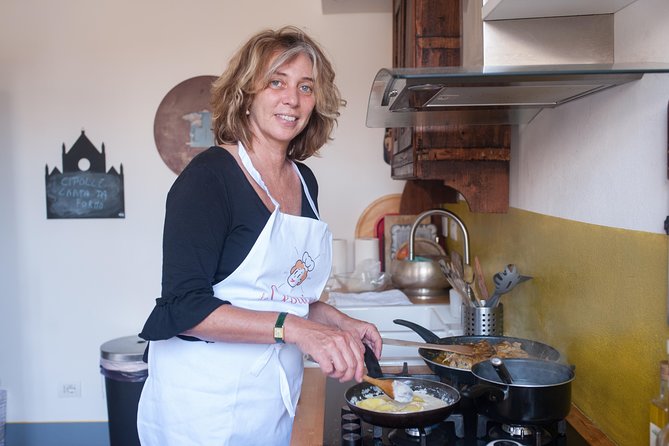
- Private, at-home setting with only your group (not a crowd queue situation)
- Starter + pasta + dessert from the sample menu, with typical options to choose from
- Red and white wine from the region, plus extra drinks mentioned in the experience
- Hands-on instruction focused on Pisa’s famous dishes, not just general cooking tips
- Souvenir gift included, so you leave with something beyond photos
- English offered and a format that’s easy to plan for a 4-hour block
Why this Cesarina cooking class in Pisa feels different
A cooking class in Pisa can be either a performance or a meal. This one is set up as a real home experience, guided by a Cesarina, so the pace is personal and the cooking advice is practical. You’re learning dishes tied to Pisa and Tuscany, then tasting the work right there at the table.
The private format matters. With only your group involved, you’re more likely to get clear answers as questions pop up—like why a particular pasta shape works with clams, chickpeas, or a richer egg-based batter for dessert (based on what’s on your menu). That’s the kind of detail that makes you cook differently later at home.
Also, the timing is built for people who want value from a single afternoon. At roughly 4 hours, you get instruction, cooking, and eating without it swallowing your whole day. It’s a strong option if you’re fitting Pisa alongside Lucca or Florence and still want something hands-on.
You can also read our reviews of more private tours in Pisa

The flow of the experience: from welcome to the first bite
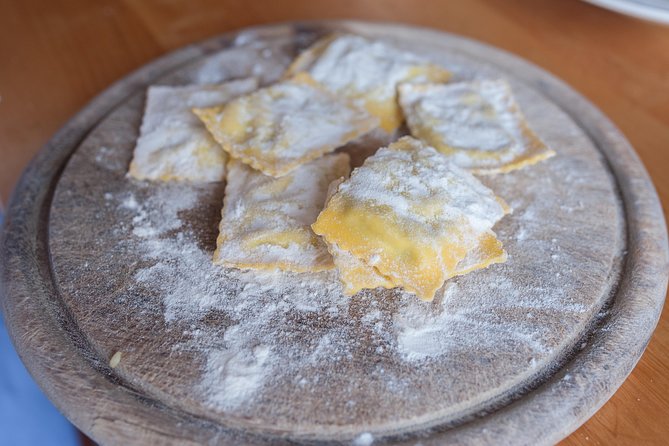
You’ll start in Pisa, and the activity ends back at the meeting point. The class itself takes place in the Cesarina’s home, so you’ll spend the bulk of the 4 hours indoors, working at a kitchen setup designed for actually cooking—not a demo stage.
Most of the experience is about moving through three steps: cooking, tasting, then finishing with a proper drink-and-dessert close. In particular, the experience description points to learning the secrets of Pisa’s famous dishes and then tasting what you make with wine. One of the most consistent themes from the host experience is that the evening doesn’t feel rushed; it feels like someone is sharing food like they would with friends.
One practical thing to keep in mind: because it’s in a residence, the “comfort level” is more about how the host manages timing and space than about restaurant amenities. That can be a plus—if you like home-cooking atmosphere—but it’s smart to remember you’re in someone’s personal space.
The menu you’re cooking: seasonal starter, fresh pasta, Tuscan dessert
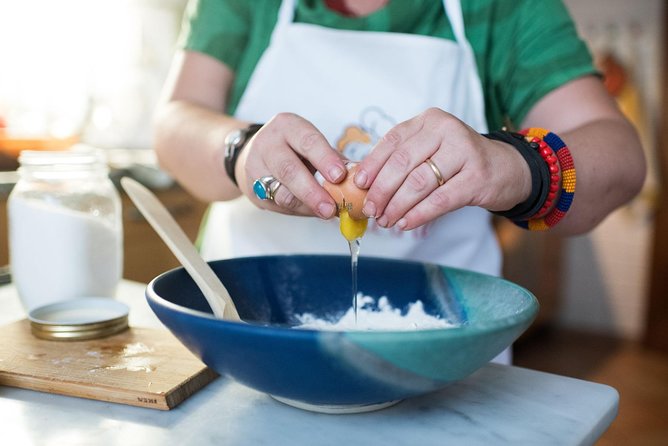
The sample menu is built around variety, and that’s exactly what makes it fun. You’re not stuck with one dish idea for the whole class—you get a starter, a pasta main, and a Tuscan dessert.
Starter: seasonal starter
Your first course is a seasonal starter. The key word here is seasonal. Even without the exact starter named every time, the structure tells you the class aims to reflect what’s typical for the season rather than a “stand-in” for tourists.
This is also where you get a quick win. Starters are usually less complicated than mains, which helps you settle in fast and start understanding the Cesarina’s pace and technique.
Main: fresh pasta (with local-style choices)
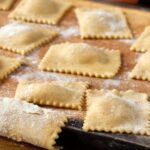
Next comes fresh pasta, and the menu gives you several specific pathways, which you may taste and/or help prepare. Examples include:
- Spaghetti with the ’arselle’ clams
- Pasta with chickpeas
- Pappardelle
What I like about this selection is that it’s not one-note Italian. You’ll see how pasta can feel light and briny with clams, hearty with chickpeas, or richer with wider ribbons like pappardelle. It’s a hands-on way to learn how sauce and pasta shape work together.
If you’re the kind of person who usually orders the same thing every time you see pasta on a menu, this is a great chance to compare styles. You’ll also be eating your own work in the same sitting, so the learning sticks.
You can also read our reviews of more cooking classes in Pisa
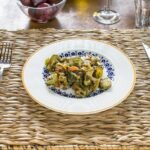
Dessert: Tuscan dessert options
For dessert, you’ll taste a Tuscan dessert, with examples including:
- Castagnaccio
- Torta coi Bischeri
- Pine nut cake
- Tiramisu
- Or a similar typical dessert
Dessert is where many classes either stop being practical or turn into a vague “sweet ending.” Here, the menu is clearly grounded in regional options, so you’re more likely to walk away with at least a couple real techniques or flavor ideas you can recreate.
And yes, dessert matters here. One of the best parts of the experience is that the meal ends like a real meal—rather than a quick bite and a goodbye.
Wine, lemoncello, and the best kind of finish
Wine is part of the plan. You’ll sample red and white wine from the region while you’re eating and enjoying the results of your work.
The experience also includes additional drinks in the spirit of an Italian host table. In the high-praise stories, the evening is described as including a tasty cocktail, plus lemoncello and espresso to wrap things up. That makes the class feel like more than instruction—it feels like an evening with food and conversation.
For practical planning: think of this as a full meal experience, not a light snack class. The format is built around tasting multiple courses, so you’ll want to avoid heavy dinner plans right before or you’ll miss the best flavors.
What you actually learn (and how it helps you later)
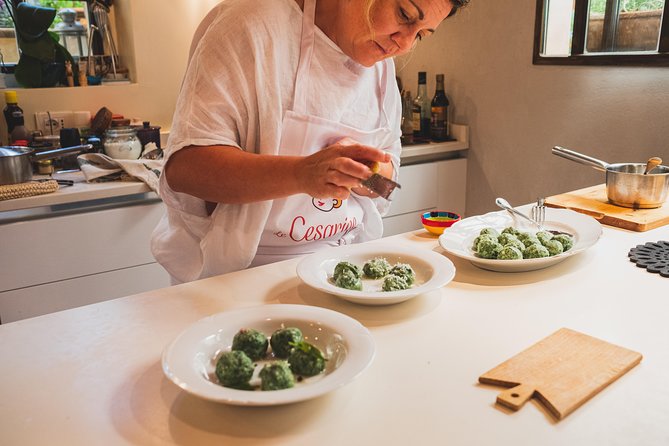
A good cooking class gives you steps you can repeat at home. This one is framed around learning the secrets of Pisa’s famous dishes—so your instruction is tied to specific, recognizable flavors and types of dishes, not just generic “cookbook rules.”
Here’s what tends to make this kind of class valuable:
- You learn methods that match the dish, not random technique.
- You get to see how ingredients behave across courses (especially with the pasta main and the dessert).
- You eat your results right away, which makes the lesson easier to remember.
Even better, the class being private means the teaching can adjust to your group’s pace. If you’re curious about substitutions, sauce consistency, or how to handle a particular ingredient, that’s the moment to ask. A home kitchen format is usually more forgiving than a large classroom.
Health and comfort details that matter in a home class
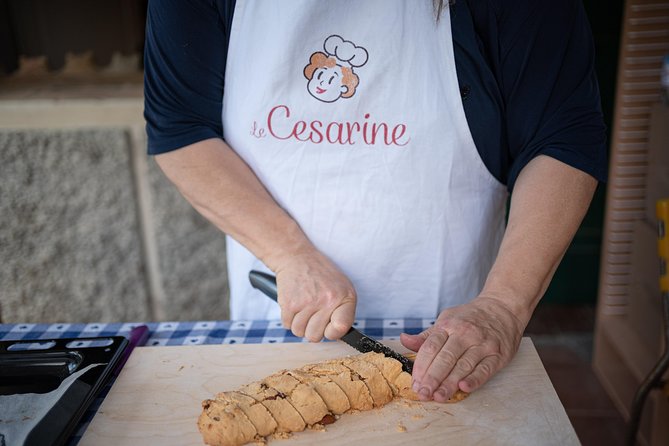
The experience includes explicit notes about sanitation and distance. The Cesarine hosts provide essential sanitation equipment for guests, including paper towels for washing hands and hand sanitizing gel. You’re also reminded to maintain 1 meter distance, and if that can’t be maintained, masks and gloves are part of the expectation.
That’s not just a footnote. For a home experience, these details help you feel settled and comfortable. It also signals that the host is thinking about shared space and guest safety.
One more comfort detail: the listing indicates the meeting area is near public transportation. That makes it easier to plan if you’re moving around Pisa without relying entirely on taxis.
Value check: is $174.23 per person worth it?
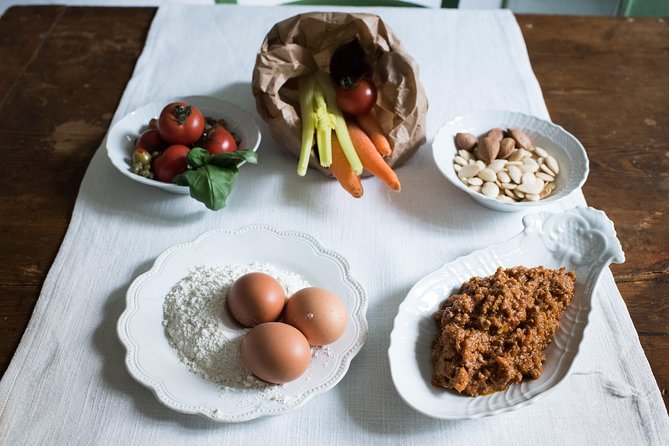
At $174.23 per person for about 4 hours, this isn’t a “cheap activity.” But it can still be a strong value depending on what you want from Pisa.
You’re paying for:
- A private at-home setup (only your group participates)
- Instruction tied to real dishes from Pisa and Tuscany
- A full tasting structure: starter, pasta, dessert
- Wine sampling (red and white from the region)
- A souvenir gift to take home
If you compare this kind of value to paying separately for a multi-course dinner and wine plus a cooking experience, the numbers can start to make sense—especially when the class is private and you’re not sharing the time with strangers.
What I’d consider before booking: if you’re the type who prefers a casual look-only activity, this class costs more than a basic food tour. If you genuinely enjoy learning through doing, the format justifies the price.
Who should book this private cooking class in Pisa
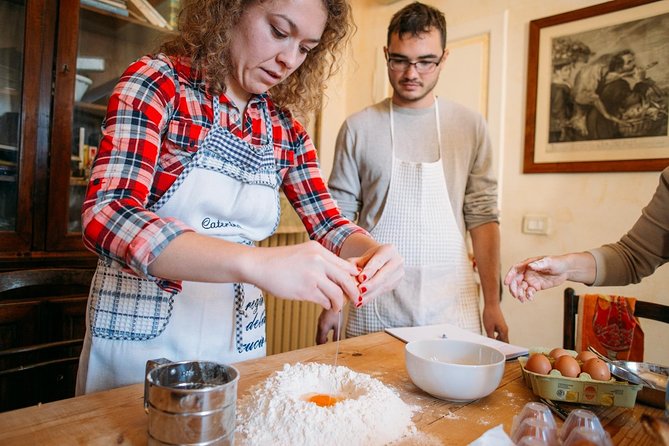
This fits best if you:
- Want a hands-on activity rather than a walking tour
- Like Italian food and want a meal you can actually recreate later
- Prefer small-group or private experiences
- Plan to spend time in Pisa and want one standout food-focused evening or afternoon
It’s also a good choice for people who like structure. The class has a clear 4-hour slot, a defined menu structure, wine sampling, and a straightforward “start and return” flow.
Should you book this Cesarina cooking class in Pisa?
I’d book it if you want Pisa food in a format that feels personal and edible, not just informative. The biggest wins are the private home setting, the structured menu (starter + fresh pasta + Tuscan dessert), and the fact that wine and a full meal experience are part of the plan. Add in the idea of a souvenir gift, and it becomes a take-home memory, not just a photo set.
I’d pause if you’re on a tight budget or you’re only mildly interested in cooking. At $174.23 per person, you need to show up ready to enjoy the full four hours.
If your travel style is food-first and you like authentic, local table energy, this is an easy “yes” to put on your Pisa list.
FAQ
How long is the private cooking class in Pisa?
It lasts about 4 hours.
How much does the experience cost?
The price is $174.23 per person.
Is this class private?
Yes. It’s a private tour/activity, and only your group will participate.
What will I eat during the class?
You’ll sample three dishes: a seasonal starter, fresh pasta (with options such as spaghetti with ’arselle’ clams, pasta with chickpeas, or pappardelle), and a Tuscan dessert (such as castagnaccio, torta coi Bischeri, pine nut cake, tiramisu, or a similar typical dessert).
Do I get wine with the class?
Yes. You’ll sample red and white wine from the region.
What language is the class offered in?
The experience is offered in English.
Where does it start and end?
It starts in Pisa and ends back at the meeting point.
What’s the cancellation policy for a full refund?
You can cancel up to 24 hours in advance for a full refund. If you cancel less than 24 hours before the start time, the amount you paid is not refunded.