REVIEW · PISA
Dine & Enjoy a Cooking Demo at Local’s Home in Pisa
Book on Viator →Operated by Cesarine: Cooking Class · Bookable on Viator
A hot kitchen beats any museum stop.
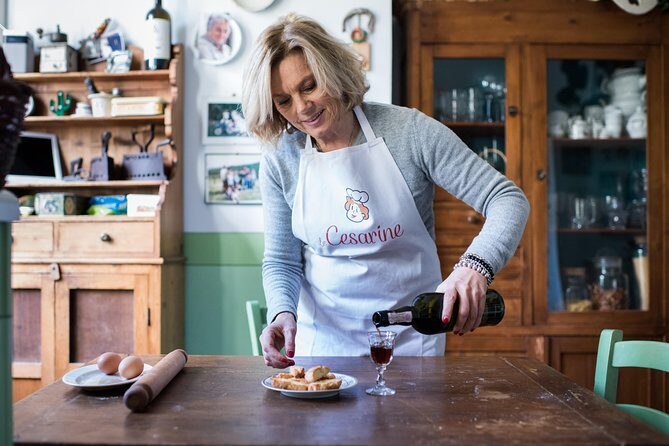
This Pisa experience pairs a hands-on cooking demo with a real sit-down meal in a local home. I like that it’s small (max 10) so you actually chat instead of hovering over your plate. You also get a structured 3-course dinner (starter, fresh pasta main, Tuscan dessert) while watching classic dishes come together.
Two things I really like: the focus on Pisan and Tuscan recipes (the kind families pass down), and the chance to connect with hosts in a relaxed, lived-in setting. One possible drawback: it’s not a big restaurant show, so the vibe is more homey and personal than polished and scripted.
Small group dinner in someone’s home (max 10)
3 courses built around fresh pasta and Tuscan desserts
English experience with a real show-cooking rhythm
Lunch or dinner option so you can fit it into your Pisa day
Conversation with your hosts as part of the experience, not an add-on
In This Review
- Why This Pisa Home Cooking Demo Feels Different
- What Actually Happens During the 2.5-Hour Cooking Demo
- Your 3-Course Menu: Starter to Fresh Pasta to Tuscan Dessert
- Starter: Seasonal and Simple
- Main: Fresh Pasta (with Pisan and Tuscan options)
- Dessert: Tuscan Comfort with Choices
- Learning Pasta the Italian Way (Without Pretending It’s Easy)
- Host-Warm Hospitality: Conversations You’ll Want to Keep
- Price and Value: Does $117.95 Make Sense?
- Where It Fits in Your Pisa Day (Lunch or Dinner)
- Who Should Book This Pisa Cooking Demo at a Local Home
- Should You Book This Pisa Home Cooking Session?
- FAQ
- FAQ
- How long is the cooking demo and meal?
- Is the experience offered in English?
- What food is included in the 3-course meal?
- What is the group size?
- Can I choose lunch or dinner?
- Where does it start and end?
Why This Pisa Home Cooking Demo Feels Different
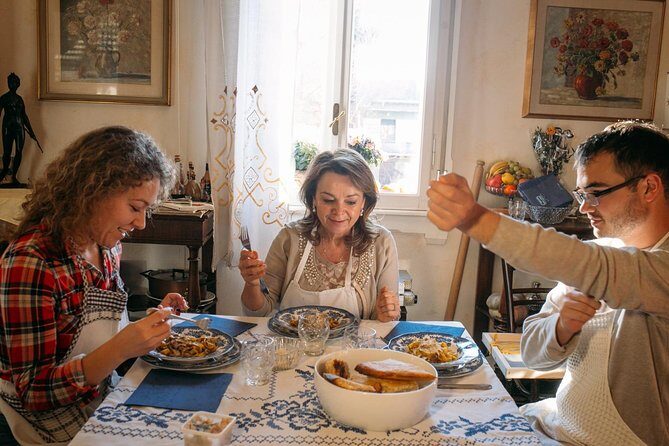
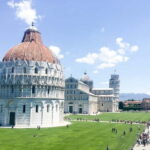
Pisa is famous for one angle of one building. But the best way to feel the town is to eat like a local for an evening. This cooking demo does that by moving the action into a real home kitchen, where you watch classic Tuscan dishes being prepared and then eat a 3-course meal with the people running the show.
What makes this experience work is the mix of instruction and hospitality. You’re not just watching food go by. You get explanations, you taste what’s being made, and you settle in for dinner with fellow participants. It’s the kind of experience that turns eating into a story you can repeat back home.
I also like that it’s designed to be doable for most people. The experience says most travelers can participate, and the group stays small, so you’re not lost in a crowd. And because it’s offered in English, you can follow along without guessing.
The other practical win: it runs about 2 hours 30 minutes. That’s long enough to feel like a night out, but not so long that it wrecks your plans for the rest of Pisa.
What Actually Happens During the 2.5-Hour Cooking Demo
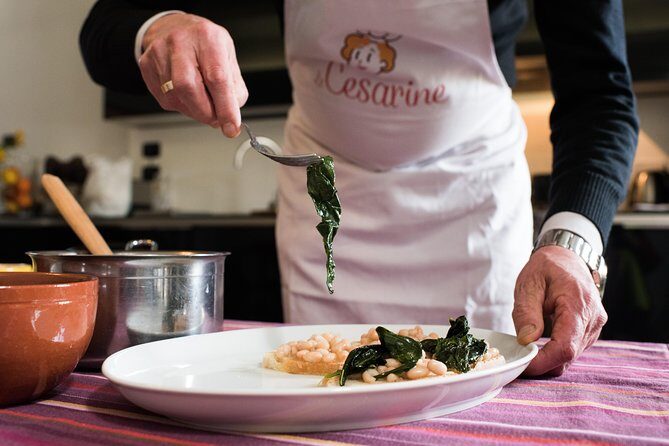
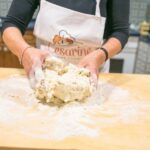
Think of this as a guided evening with clear beats: meet, cook, eat, repeat. The exact timing will vary, but the structure is consistent: you’ll be with a local host in a home setting, watching dishes get made and learning what matters in Italian cooking—timing, texture, and simple ingredients done well.
Because the experience is a show cooking setup, expect a bit more talking and demonstration than a self-paced class. The goal is not to turn you into a pasta machine in one night. The goal is to understand why these dishes work, and then eat them while it’s still hot, still fresh, and still clearly worth the effort.
You’ll end back at the meeting point, so you’re not stuck guessing how to get home after dinner. That matters in Pisa, where walking is easy but plans can get messy when you’re hungry and your phone battery has a different opinion.
You can also read our reviews of more cooking classes in Pisa
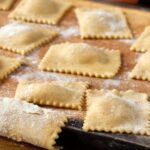
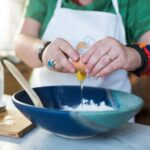
Your 3-Course Menu: Starter to Fresh Pasta to Tuscan Dessert
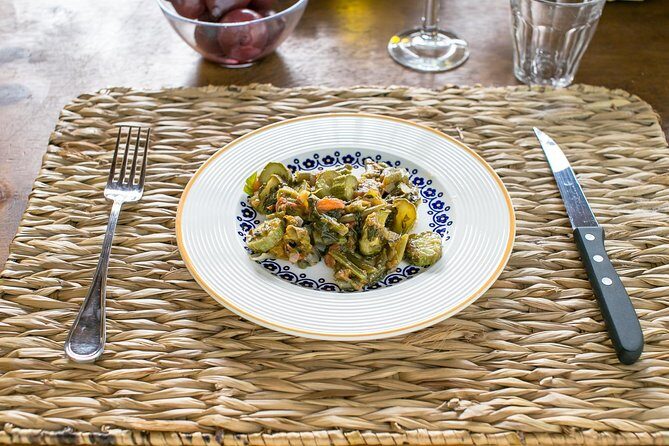
This is a 3-course meal built around classic Italian comfort food. Even if you come in with pasta fatigue from other trips, this one usually lands because you’re learning what you’re eating, and the dishes are framed as local favorites rather than generic restaurant standards.
Starter: Seasonal and Simple
The starter is listed as a seasonal starter, which is exactly what you want in a home-cooking setting. It tends to be more flexible than a fixed menu because it follows what’s available. Practically, that means you’ll get something designed to fit the season rather than a one-size-fits-all tourist choice.
Main: Fresh Pasta (with Pisan and Tuscan options)
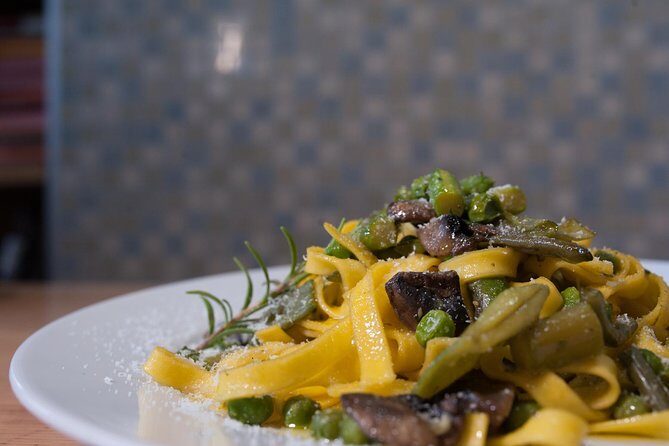
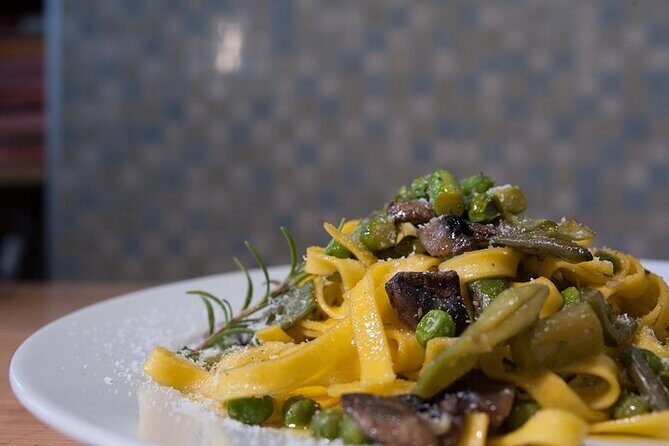
The main is fresh pasta. That’s the big draw. Fresh pasta changes the whole experience—chewier bite, different cooking behavior, and a sauce that sticks differently. You might see options like:
- Spaghetti with arselle clams
- Pasta with chickpeas
- Pappardelle (wide ribbons that hold sauce well)
Even if your exact dish differs, the pattern stays the same: you’re eating fresh pasta made for the meal you’re sitting down to enjoy. That’s different from watching a class where you eat something separate or pre-made.
Dessert: Tuscan Comfort with Choices
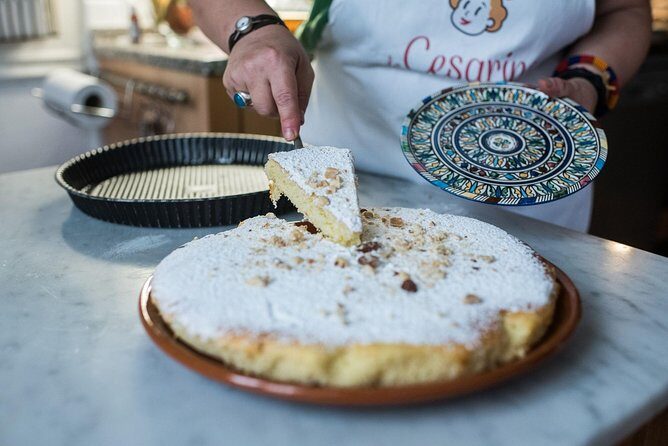
Dessert is listed as a Tuscan dessert, with examples including:
- Castagnaccio
- Torta coi Bischeri
- Pine nut cake
- Tiramisu
- Or similar typical desserts
I like that the dessert list mixes distinctly Tuscan options (like castagnaccio) with crowd-friendly classics (like tiramisu). If you’re the type who wants to taste something local but not take a risk on an unknown flavor, this balance helps.
Learning Pasta the Italian Way (Without Pretending It’s Easy)
There’s a reason people get excited about pasta classes. It’s not because pasta is complicated—it’s because small details decide everything.
In this experience, you get the benefit of a host who knows the pace. You’ll watch preparation and get hands-on instruction, too. One review specifically describes Flora giving hands-on instructions for making lasagna, and that’s a great sign of how practical the teaching can get. You’re not just tasting; you’re being shown how the process works.
Here’s what you should expect to “learn,” even if you don’t make pasta at home tomorrow:
- How fresh pasta behaves while cooking
- How sauces and fillings work with specific shapes (like wide pappardelle vs. thinner styles)
- Why traditional recipes rely on a few ingredients and timing rather than complicated steps
And yes, you’ll still eat well during the class, which is the part most people actually remember.
Host-Warm Hospitality: Conversations You’ll Want to Keep
In home cooking experiences, the food matters. But the human factor matters just as much—and this one leans hard into it.
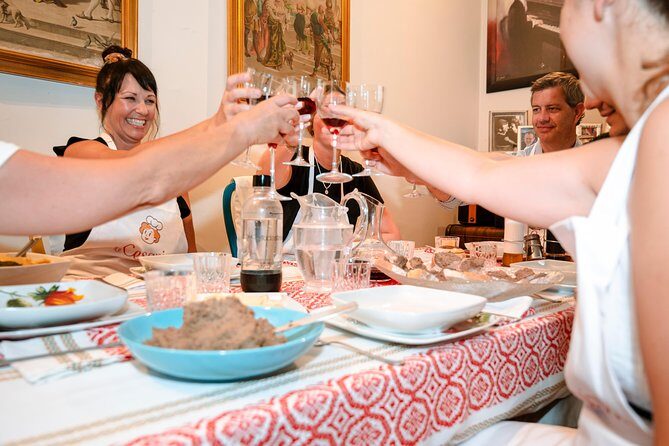
Reviews highlight hosts like Flora and Claudio welcoming people like family, with warm conversations about Italian culture. That’s the difference between a cooking demo and a dinner you’ll remember: you’re not only learning cooking techniques; you’re picking up the little cultural habits that make Italian meals feel like life events.
Another detail that comes through is that wine is part of the evening. One review mentions a number of wine selections. That likely means the hosts guide you through what fits the meal best. If you like pairing food with stories and preferences, you’ll probably enjoy that part of the evening.
Small group size (up to 10) helps here. In a larger class, conversation can feel like speed dating. In a smaller one, you can actually ask questions and get real answers.
Price and Value: Does $117.95 Make Sense?
Let’s talk real-world value, not just the number.
At $117.95 per person for about 2 hours 30 minutes, you’re paying for:
- A private home setting rather than a commercial kitchen
- A 3-course dinner you can’t easily replicate cheaply at home
- A show cooking experience with practical guidance
- English availability, so you’re not stuck piecing things together
- A capped group size (max 10), which is the difference between personal attention and crowd management
In plain terms: you’re not paying only for the cooking lesson. You’re paying for dinner that feels like it has a local pulse. If you normally spend around that amount on a fancy restaurant dinner, this adds the “how it’s made and what it means” layer—plus the social warmth of a real kitchen.
Could you do something cheaper in Pisa? Sure. But if your goal is to leave Pisa with more than photos, this is one of the better ways to spend your evening.
Where It Fits in Your Pisa Day (Lunch or Dinner)
This experience lets you choose lunch or dinner, which is handy because Pisa travel plans can get chaotic. If you’re doing sights by day, dinner is a natural closer. If you’re arriving late or prefer a slower afternoon, lunch can be the smart move.
It also says the start and end are the meeting point, and that it’s near public transportation. That means you can plan without needing a complicated ride plan afterward. Still, I’d treat it like a “go early and be ready” kind of commitment—home dining runs on a schedule, and arriving late won’t do you any favors.
Who Should Book This Pisa Cooking Demo at a Local Home
This is a strong fit if you:
- Want an authentic Pisa and Tuscany food experience without a fancy-tour-bus vibe
- Like learning while eating (not separating “class time” and “meal time”)
- Prefer small groups where you can talk with hosts and others
- Want an English-friendly experience in a real Italian home setting
It may feel less ideal if you’re looking for a strict, classroom-style cooking curriculum with lots of structured tasks. This experience is about the evening, the meal, and the host connection—cooking instruction is part of that, not the whole show.
Should You Book This Pisa Home Cooking Session?
If your goal is to taste Tuscany in a way that feels personal, I think this one is a yes. The combination of a 3-course meal, fresh pasta focus, and small group size is a sweet spot for value and comfort. Add English availability and the chance for real conversations with hosts like Flora and Claudio, and you get an experience that’s more than a ticket—it’s a memory.
Book it if you can fit 2 hours 30 minutes into your schedule and you want an evening that mixes cooking and hospitality. Skip it only if you’re chasing a high-energy spectacle or want a fully formal, restaurant-style setting.
FAQ
FAQ
How long is the cooking demo and meal?
It lasts about 2 hours 30 minutes.
Is the experience offered in English?
Yes, it is offered in English.
What food is included in the 3-course meal?
You’ll have a starter (seasonal starter), a main of fresh pasta (examples include spaghetti with arselle clams, pasta with chickpeas, or pappardelle), and a Tuscan dessert (examples include castagnaccio, torta coi bischeri, pine nut cake, tiramisu, or similar typical desserts).
What is the group size?
The experience has a maximum of 10 travelers.
Can I choose lunch or dinner?
Yes, you can choose a lunch or dinner experience.
Where does it start and end?
It starts in Pisa and ends back at the meeting point.