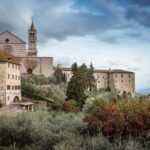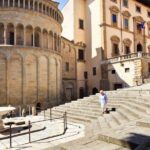
REVIEW · AREZZO
Arezzo Italian Language Holiday: La Dolce Lingua Experience
Book on Viator →Operated by Studentessa Matta · Bookable on Viator
Italian comes alive in Arezzo.
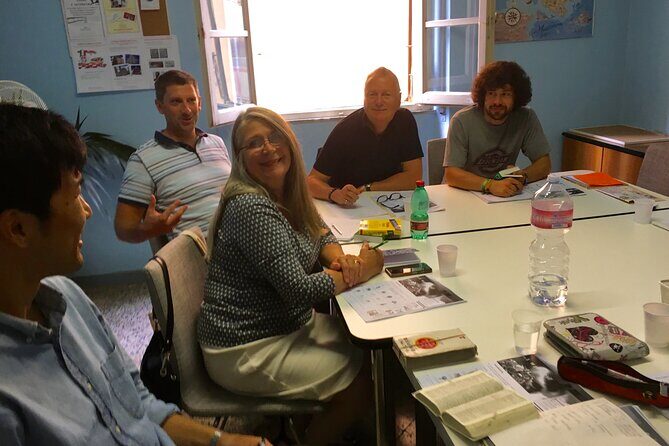
This 13-day language holiday turns study time into real daily practice, with Studentessa Matta, Melissa, and the Cultura Italiana team in town. You’ll be learning in a small, Italy-based setting where the lessons connect to what’s happening in Arezzo right then: churches, piazzas, artisans, food, and local events like the Giostra del Saracino.
What I really like is the way the program pushes speaking, not just grammar. You get unlimited Italian conversation practice, led by Melissa and the school teachers, so you’re using the language while you’re out walking, eating, and chatting with other students. A second thing I love is the built-in cultural hits: you’re not only studying Italian, you’re watching it in action during festival moments such as the June Evening Joust (la Giostra del Saracino) and neighborhood food traditions tied to Santo Spirito.
One possible drawback to think about: it’s a private tour with your group only, and the schedule includes walking and active days (you’ll want moderate physical fitness). If you prefer totally relaxed sightseeing with minimal walking, you might feel the pace more than you expect.
In This Review
- Key highlights at a glance
- Why Arezzo Makes Italian Study Feel Natural
- Your Language Classes: 36 Hours Plus Real Talk
- Giostra del Saracino: A Festival You Can Speak Through
- Santo Spirito and the Cena Propiziatoria: Neighborhood Life Over Dinner
- Cooking Classes and Wine Tastings You Can Turn into Conversation
- Florence and Cortona Day Trips: Using Italian Beyond Arezzo
- Walking Tours: Artisans, Churches, Piazzas, and Questions
- Shopping and Free Time: Making Italian Yours
- Accommodations and Dinners: Why “Included” Helps You Learn
- Price and What $5,600 Buys in Real Terms
- Who This Program Fits Best
- Practical Bits That Will Help You Enjoy It More
- Should You Book This Arezzo Italian Language Holiday?
- FAQ
- How long is the Arezzo Italian Language Holiday?
- Where does the program take place?
- What language learning is included?
- Are meals included?
- Which major event is included?
- Are there accommodations included?
- Is this tour private?
- What is the meeting point?
- What is the cancellation policy?
- Is it accessible for people who need service animals or public transit options?
Key highlights at a glance
- Unlimited Italian conversation practice with guidance from Melissa and Cultura Italiana teachers
- Giostra del Saracino medieval jousting festival experience in June in Arezzo
- Cooking classes and wine tastings you can talk about in Italian afterward
- Excursions to Florence and Cortona for language beyond Arezzo
- Walking tours focused on artisans plus churches and piazzas
- Arezzo culture stops that include Vasari’s home and time for shopping
Why Arezzo Makes Italian Study Feel Natural
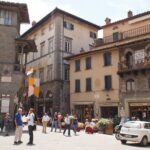
Arezzo is the kind of place where you can learn a language without living behind a desk. For your day-to-day rhythm, that matters. When the environment is walkable and the cultural anchors are right there—church facades, stone streets, neighborhood squares—you have built-in chances to practice Italian without forcing it.
This specific program leans into that. You’re based in Arezzo for 12 nights, and the structure keeps language learning tied to the town itself. You’ll study for about 36 hours of language classes during the 13 days, but the real value is that speaking practice doesn’t only happen when class is running. Conversation practice is woven through activities, meals, excursions, and guided walks.
Also, small-group formats tend to reduce the awkwardness of speaking. The reviews you can find for this school style point to exactly that: people feel cared for, and the flow of the days feels well-organized. In practical terms, it means you spend more energy on using Italian and less time figuring out logistics.
You can also read our reviews of more tours and experiences in Arezzo.


Your Language Classes: 36 Hours Plus Real Talk
The program is built around 36-hour language classes over the 13 days, plus an emphasis on conversation. That combo is important because classroom Italian can stay trapped in your notebook. Here, the goal is for you to use Italian while you’re doing things you actually care about: talking to people, asking questions on walks, and building confidence with like-minded students.
You also have a teaching team on the ground—Melissa and the teachers from Cultura Italiana. That matters for pacing and for how you’ll be corrected. Even when you’re just having a normal chat, you’ll likely feel nudged toward clearer phrasing rather than just being left to guess.
If you’ve studied Italian before and you want more speaking momentum, this kind of program is usually the fastest route. If you’re starting out, you’ll still benefit from hearing and using the language daily, but you should expect that the best results come when you take part actively rather than hiding behind passive listening.
Giostra del Saracino: A Festival You Can Speak Through
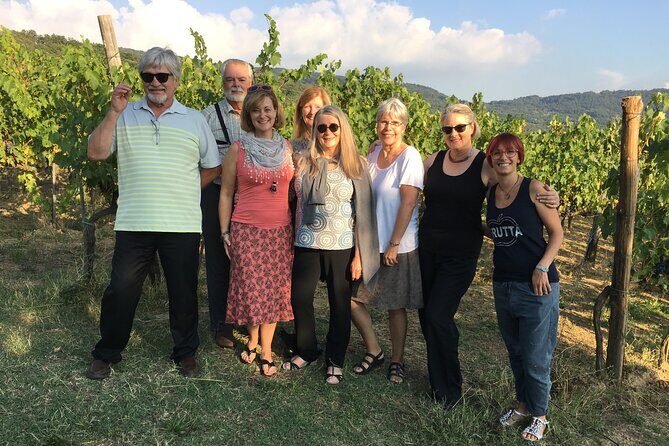
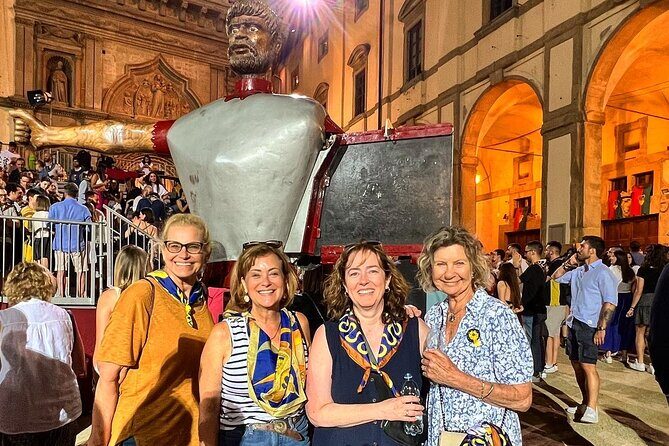
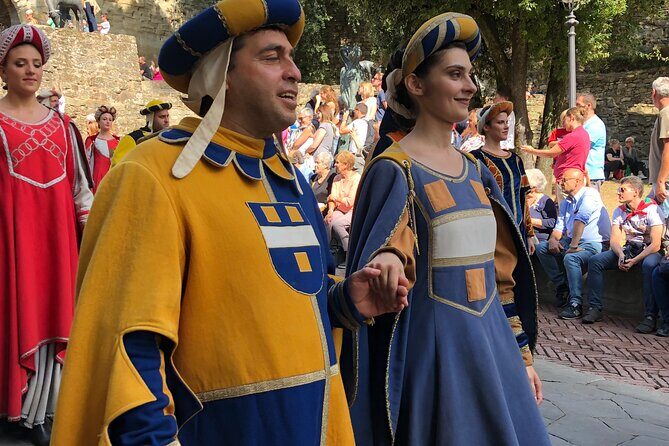
One of the headline experiences here is the June Evening Joust—la Giostra del Saracino. This isn’t just a sightseeing evening. It’s a language learning moment because you’ll be surrounded by local storytelling, crowd energy, and neighborhood pride. Even if you don’t catch every word at first, the event creates a high-interest context for the Italian you’re hearing and speaking.
Festival days can be loud and crowded, and that’s a real-world listening challenge. You’ll want to be comfortable with that vibe. At the same time, the pay-off is big: you get to use Italian about something exciting and specific, not generic travel small talk.
The best part is that this program doesn’t treat the festival as a random add-on. It’s paired with neighborhood context, including special food moments in local quarters. That makes the experience feel like it belongs to the town, not like a quick stop.
Santo Spirito and the Cena Propiziatoria: Neighborhood Life Over Dinner
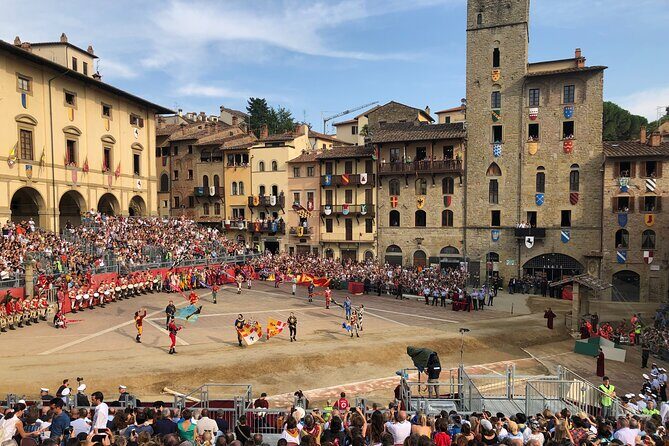
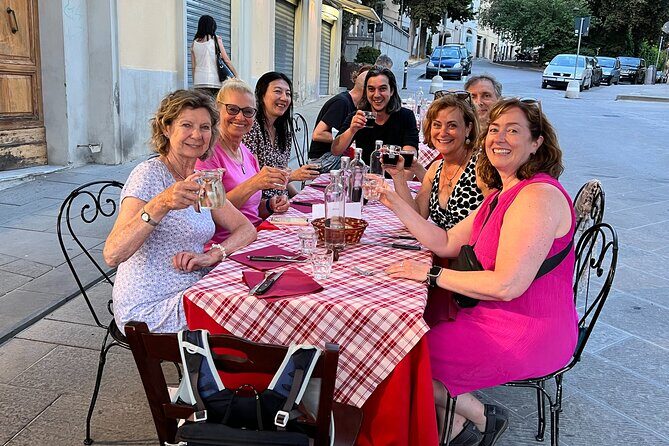
Food is where language sticks. This program includes 8 dinners, and one of the standout neighborhood-focused events is the Cena Propiziatoria in the Santo Spirito quartiere. That detail matters because it’s not just dinner in a restaurant setting. It’s dinner connected to a neighborhood tradition, which gives your Italian conversations a real hook.
What you’ll likely love here is the chance to talk in a relaxed way while you’re sharing the same table experience with your group. Even if you’re still building vocabulary, meals are often where you can practice simple questions, preferences, and explanations without pressure.
This kind of dinner also helps you bond with other students. The reviews for this program style emphasize meeting students from different parts of the world, and that mix is usually where the speaking practice gets fun. You’ll be sharing the same Italian struggles and wins at the same time.
Cooking Classes and Wine Tastings You Can Turn into Conversation
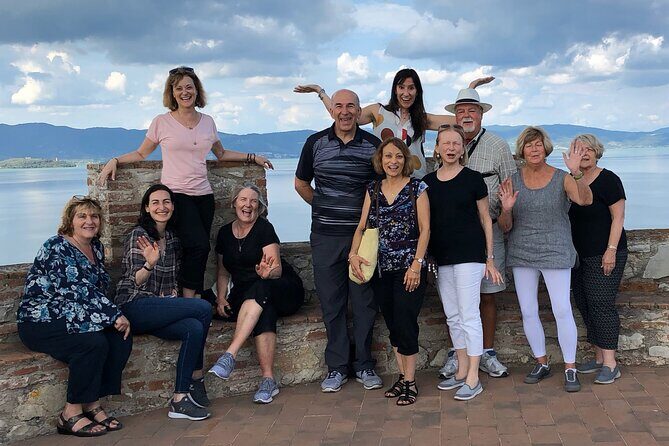
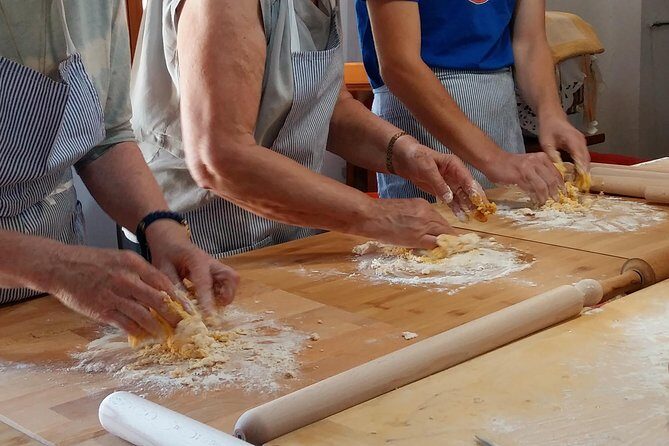
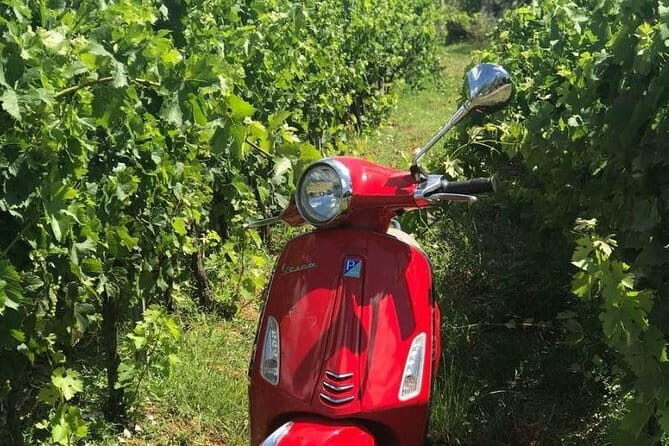
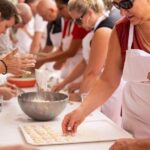
Two cooking classes and wine tastings are included in the program’s activity mix. That’s a smart choice for learners because food vocabulary is practical. You can go from learning phrases to using them right away—asking what’s in a dish, describing flavor, and telling your partner what you liked.
Cooking lessons tend to create natural speaking opportunities: short directions, ingredient talk, and quick explanations. Wine tastings add another layer. You’ll likely hear descriptive language and then practice talking about what you smell and taste. Even if you feel you’re not fluent yet, these are topics where you can participate with confidence.
Just remember: tastings can be socially intense. If you’re the type who gets overwhelmed in group settings, it helps to pace yourself and focus on one or two simple conversational goals, like asking a question about ingredients or describing one flavor you notice.


Florence and Cortona Day Trips: Using Italian Beyond Arezzo
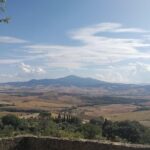
It’s great to study in one city, but you also need to test your Italian in different settings. This program includes excursions to Florence and Cortona, giving you a wider taste of Tuscany while keeping language practice front and center.
Florence is fast-paced and full of visual cues. That makes it useful for learning because you can point, ask, and clarify while you’re surrounded by famous art and busy streets. Cortona is typically a more intimate feeling town experience, which can be good for slowing down and having longer conversations.
Because the excursions are guided, you’re not stuck translating on your own. Guidance helps you ask questions at the right moments and reduces the chance of you wasting energy on confusion. For language learners, that’s a big deal: you get to think in Italian instead of thinking about how to get directions.
Walking Tours: Artisans, Churches, Piazzas, and Questions
Walking tours are built into this program and are designed around places where you can actually talk: artisans, plus visits to Arezzo’s most beautiful churches and piazzas. This is the kind of setup that turns sightseeing into language practice.
When you’re walking with a guide, you’re getting constant prompts—what you see, what you can ask, how to respond. You also get practice making sense of Italian descriptions in real time. That’s how listening skill improves. You stop translating every sentence and start catching meaning.
A practical tip for this style of program: plan to ask questions more than you think you need to. Simple questions work. You’re not aiming for perfect grammar; you’re aiming for interaction.
You’ll also get visits connected to Renaissance culture, including Vasari’s home, which is an extra payoff if you like art history but still want the day to feel grounded in daily conversation rather than pure museum lecture mode.
Shopping and Free Time: Making Italian Yours
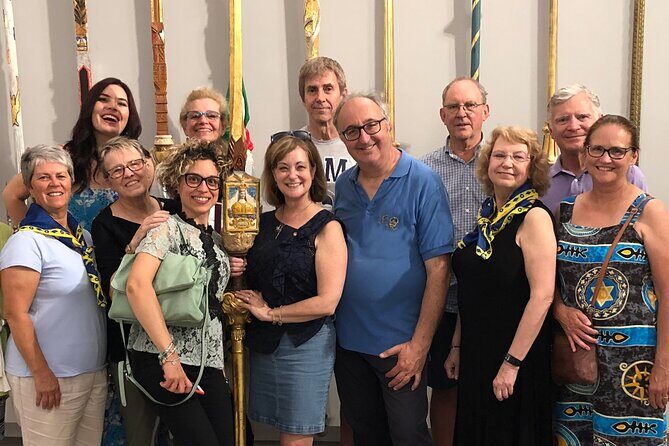
There’s time for a shopping expedition, and that’s not a throwaway detail. In language learning, small real-world transactions are where confidence grows. Even if you keep things simple—asking a price, trying to describe what you want, or confirming details—you’re practicing Italian in the kind of moment that matters long after the trip ends.
Shopping time also gives you an easy way to connect with your group. You can share what you found, ask each other what something is used for, and practice explanations while comparing choices.
If you’re trying to maximize value, treat shopping as a practice session. Go in with one or two Italian phrases you want to use. Then build from there. Confidence comes from small wins repeated.
Accommodations and Dinners: Why “Included” Helps You Learn
This program includes accommodations and has 8 dinners built into it. That matters because it protects your attention. When lodging and major meals are handled, you can spend your energy on speaking and participating, instead of hunting for schedules, routes, and meal options.
With a language course, that kind of structure is often what separates a trip that feels chaotic from a trip that feels productive. You’ll have fewer decision points, so you can keep your routine: class, conversation practice, walks, and cultural events.
You should also keep in mind the group element. It’s private—meaning only your group participates—and that tends to keep the pace coherent. The flip side is you’ll want to be comfortable being in a shared rhythm for 13 days. If you like total independence, this isn’t that.
Price and What $5,600 Buys in Real Terms
At $5,600 per person for about 13 days / 12 nights, the price is not casual. But it’s also not only a lesson bundle. You’re paying for a full language experience that includes guided activities, festival participation, excursions, meals, and accommodations.
Here’s how I’d frame the value check:
- You’re getting 36 hours of classes plus ongoing conversation practice.
- You’re getting multiple high-effort activities included: festival coverage for la Giostra del Saracino, plus cooking classes and wine tastings.
- You’re getting excursions to Florence and Cortona with guidance.
- You’re getting 8 dinners and accommodations in place.
That’s why this tends to work for travelers who want language learning with a social and cultural backbone. If you’re the type who would otherwise spend money on guided tours, multiple paid activities, and separate day trips, you may find this package makes the totals feel less shocking.
The one cost consideration is mindset: you’ll get the best value if you participate actively. If you plan to mostly observe, speak less, and treat it like sightseeing with a few class hours, the price may feel harder to justify.
Who This Program Fits Best
This holiday suits you best if:
- you want to practice speaking Italian daily, not just study it
- you like structured guidance but still want real neighborhood life
- you’re interested in festivals, food experiences, and art-focused stops
- you’re comfortable with walking and moderate activity (your fitness level should match the pace)
It may not fit as well if you need very slow days, long stretches of quiet downtime, or minimal group interaction. Also note the format: it’s a private tour/activity with only your group, so you won’t mix in with random crowds from other groups.
Practical Bits That Will Help You Enjoy It More
The meeting point is Via Vittorio Veneto, 180, 52100 Arezzo AR, Italy, and the activity ends back at the meeting point. You’ll use a mobile ticket. Confirmation is received at booking time.
For logistics, it’s near public transportation, which gives you flexibility if you want to step out on your own between guided activities. Still, with a guided program and a busy event schedule, you’ll likely spend most days following the plan rather than free-wheeling.
Service animals are allowed, and the overall activity level calls for moderate physical fitness. If you have any walking-related needs, this is the moment to be honest with yourself before booking.
Should You Book This Arezzo Italian Language Holiday?
I’d recommend booking if you want Italian that feels connected to real life: conversation practice, food, festivals, and guided culture in Arezzo and beyond. The standout strength is the balance: serious language time with daily chances to speak, plus experiences like la Giostra del Saracino, Santo Spirito’s Cena Propiziatoria, cooking classes, and day trips.
I’d hesitate if you dislike group pacing or you’re not comfortable with walking and active days. Also, this experience is non-refundable and can’t be changed, so be sure your dates are locked in.
If you’re ready to treat the whole trip like a conversation practice session—asking questions, speaking even when it’s imperfect—this program is exactly the kind of structured, culturally rich learning vacation that actually pays off.
FAQ
How long is the Arezzo Italian Language Holiday?
It runs for about 13 days and 12 nights.
Where does the program take place?
The base is Arezzo, Italy, with excursions to Florence and Cortona.
What language learning is included?
The program includes about 36 hours of language classes and unlimited Italian conversation practice with Melissa and Cultura Italiana teachers.
Are meals included?
Yes. There are 8 dinners included, along with two cooking classes and wine tastings.
Which major event is included?
You’ll experience the June Evening Joust, la Giostra del Saracino.
Are there accommodations included?
Yes, accommodations are included.
Is this tour private?
Yes. It’s a private tour/activity, and only your group will participate.
What is the meeting point?
Via Vittorio Veneto, 180, 52100 Arezzo AR, Italy.
What is the cancellation policy?
This experience is non-refundable and cannot be changed for any reason.
Is it accessible for people who need service animals or public transit options?
Service animals are allowed, and the activity is near public transportation. The program also notes a moderate physical fitness level is recommended.