REVIEW · AREZZO
Arezzo: Local Winery Tour With Wine Tasting
Book on GetYourGuide →Operated by Pomaio Wines & Hospitality · Bookable on GetYourGuide
Arezzo does wine in a very architectural way. This 90-minute tour mixes a walk through the vines, a look at a modern wine cellar tied to the Toscana Wine Architecture network, and a guided tasting built around three organic wines and classic Tuscan pairings. It’s practical, not just sit-and-sip.
I especially like how the tasting is structured: you learn the differences between the wines and pick up basic wine-tasting techniques as you go. I also like the size of the experience, capped at 10 people, which makes it easier to ask questions while you’re standing in the vineyards and the cellar.
One possible drawback: the quality of the experience can depend heavily on your guide, and some guests have found the explanations too brief. If you want deep, slow coaching on smell and taste, you may want to show up ready to ask questions.
In This Review
- Key things to know before you go
- Arezzo Wine Architecture: Vine Rows to a Modern Cellar
- The 90-Minute Flow: Reception, Vineyards, Cellar, Tasting
- 3 Organic Wines and Pairings That Teach Your Palate
- What the tasting includes
- What you’ll likely learn about tasting
- Pairings: simple but effective
- Sustainable Production and the Value of Seeing Where It Happens
- Price Reality Check: What $47 Gets You (and When It Feels Worth It)
- The only caution on price
- Comfort, Restrictions, and Fit: Who This Tour Works For
- When Your Guide Matters Most (Hello, Leo)
- Should You Book This Arezzo Wine Tasting Tour?
- FAQ
- How long is the Arezzo local winery tour with wine tasting?
- What wines and food are included?
- Where do I meet for the tour?
- Is transportation to and from the winery included?
- Is this tour suitable for children?
- Is it wheelchair accessible?
Key things to know before you go
- Modern wine-cellar design you’ll see up close, part of the Toscana Wine Architecture network
- 3 organic wines tasted in sequence, with help identifying what’s different about each one
- Vineyard and cellar tour included, so you’re not only tasting
- Tuscan pairings with local products like cheeses, salami, and ham
- Small group (10 max), which usually keeps the pace friendly
- English guide and a guided tasting format that helps you participate
Arezzo Wine Architecture: Vine Rows to a Modern Cellar
This winery experience is set up in that very Tuscan rhythm: you start outside, in the vineyards, and you end inside where the wine is made and stored. What makes this tour feel extra “place-specific” is the cellar itself. You’ll tour the property’s wine cellar with modern architecture, and it’s connected to the Toscana Wine Architecture network, which spotlights some of the most beautiful contemporary wine buildings in Tuscany.
Even if you’re not a design person, the contrast helps your brain. Outside, you’re thinking about plants, sunlight, soil, and growing conditions. Inside, you’re thinking about control—temperature, storage, and the way a winery uses space to protect quality and consistency. It’s an easy way to connect the tasting to real production.
Arezzo also gives you a nice sense of stepping into a working wine environment rather than a polished showroom. The focus stays on how wines are produced and tasted, not on fancy pageantry.
You can also read our reviews of more food & drink experiences in Arezzo

The 90-Minute Flow: Reception, Vineyards, Cellar, Tasting
The timing is tight in a good way—about 1.5 hours total. That matters because you’ll get a complete “tour plus tasting” cycle without it turning into a half-day event.
Here’s the typical order you should expect:
- Meet at the Winery Reception
You start at the reception area, then move directly to the vineyards and cellar. There’s no need to get yourself oriented in a maze of meeting points.
- Vineyard walk
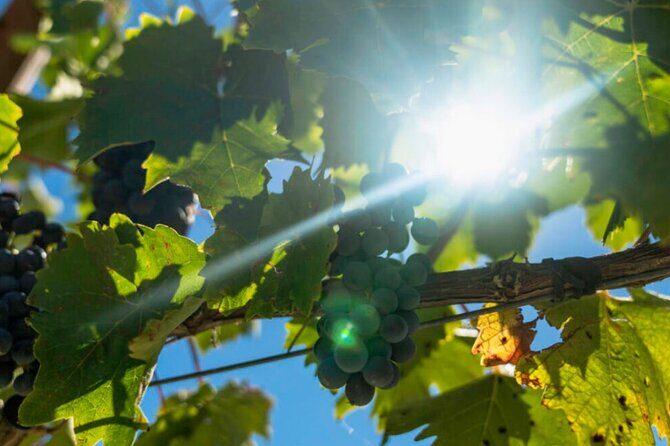
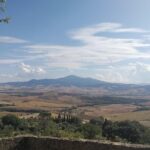
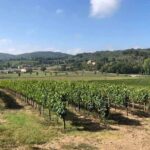
Wear comfortable shoes. The vineyards are part of the show, and you’ll want stable footing. This is where you learn how sustainable production fits into the winery’s approach to quality.
- Wine cellar tour
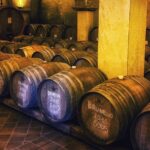
This is the architectural highlight. You’ll see the cellar as part of the Toscana Wine Architecture experience, then you’ll get context on how the winery processes and stores wine. The goal is to connect what you’re seeing to what you’ll later taste.
- Guided tasting of 3 organic wines
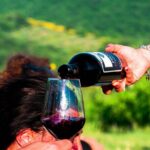
After the tour, the tasting begins. You’ll taste three organic wines and learn the central characteristics and differences between them. This is also where you’ll practice simple tasting ideas so you can describe what you’re noticing (aroma, taste on the palate, and how the wine feels as it finishes).
What you won’t get: transportation to the winery. That’s not offered as part of the tour, so you’ll need your own plan to arrive and depart.
3 Organic Wines and Pairings That Teach Your Palate
The heart of the experience is the tasting: three organic wines, guided, with food pairings.
What the tasting includes
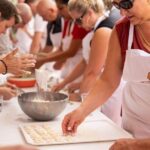
Each wine is served alongside local Tuscan products, such as cheeses, salami, and ham. That pairing setup is actually useful. Salty cured meats and aged or semi-aged cheeses can make certain wine qualities easier to notice—like structure, acidity, and how flavors hold up when you take a bite.
You’re not just getting a sample. You’re getting a tour of taste. The guide walks you through the characteristics of each wine and points out why the differences matter.
What you’ll likely learn about tasting
The tour description includes learning wine-making and wine-tasting processes, plus some tasting techniques. In plain terms, that means you’ll be encouraged to smell and taste with intention rather than drinking on autopilot.
A small-group format helps here. If you’re curious—about why one wine smells more floral, why another feels drier, or what to look for when flavors seem to change with food—you’ll have a better chance to get answers without shouting across a table.
You can also read our reviews of more wine tours in Arezzo


Pairings: simple but effective
One review singled out bread and olive oil alongside local items, which is a common Tuscan move. Since olive oil isn’t guaranteed in the basic description, think of it as a possibility rather than a sure thing. Either way, the general pairing idea is consistent: local food helps you understand the wine.
Sustainable Production and the Value of Seeing Where It Happens
This isn’t a generic “factory tour.” The tour includes learning about the winery’s sustainable production and quality approach. That matters because sustainability in wine can mean real choices in the vineyard and in how the winery handles inputs and cultivation.
When a tour connects sustainability to actual practices, it’s easier to understand what you’re tasting. You’re not just told it’s organic—you see the vineyard side of the story and you tour the cellar side of the process. Then the tasting brings it all together.
Also, small groups help you feel less like a ticket number. With a maximum of 10 participants, the pace stays human. You’re usually more able to keep up with explanations, and you don’t feel rushed between stops.
Price Reality Check: What $47 Gets You (and When It Feels Worth It)
At $47 per person, this sits in the middle range for winery experiences in Tuscany. The real question is what you’re paying for.
Here’s the value math in plain language:
- You get a guided winery tour (vineyards + cellar)
- You get a tasting of 3 organic wines
- You get local Tuscan products to pair with those wines
- You get an English live guide
- You get a small-group experience (10 max)
That’s a lot packed into 1.5 hours, and the structure helps you leave with more than just a memory of flavors. Even if you’re a casual drinker, tasting guidance and pairing context can make the experience feel “worth it,” because you learn something usable.
The only caution on price
One downside that shows up in feedback is that guides vary. When the explanations are too brief, the tour can feel more like wine and food service than a real guided tasting. If that sounds like a risk for you, go in with a plan:
- Ask at least one question in the cellar about how they make or store the wines
- Ask one tasting question while you’re sampling the wines (for example, what to focus on first: aroma or structure)
If your guide is engaged, this price can feel like a strong deal. If your guide is quieter, you’ll still get the tour and tasting, but the “learning” part may feel thinner.
Comfort, Restrictions, and Fit: Who This Tour Works For
This is a do-your-thing tour, and you’ll enjoy it most if you’re ready for a short walk and a wine-focused schedule.
Bring comfortable shoes for the vineyard part. Dress for the weather; Tuscany can shift quickly, and you’ll be outdoors for at least part of the experience.
A few clear rules and fit notes:
- No smoking
- No pets
- Children under 18 aren’t suitable
- The operator says it’s not suitable for pregnant women
- There’s a mixed message on mobility: the activity is listed as wheelchair accessible, but it’s also stated as not suitable for people with mobility impairments
If you fall into any of those categories, I’d treat the mobility note seriously. Accessibility listings and “suitable for” rules don’t always match up perfectly in the real world, especially when vineyards and uneven outdoor surfaces are involved.
Finally, you should arrive ready to taste. The tour lasts about 1.5 hours, and there’s no transportation included, so plan your day and your ride accordingly.
When Your Guide Matters Most (Hello, Leo)
Because this is a guided tasting, your guide can shape the whole tone. One guest experience highlighted a host named Leo with a private feel, plus detailed explanations about the nose, the taste on the palate, and the processes behind each vintage. That kind of hosting turns a tasting into a learning session you remember.
If you’re booking, think of your guide as part of the product. If you care about structure—wine-making process, how each wine differs, and how to taste—you’ll want a guide who takes time with questions and describes what you’re experiencing in a clear way.
Even so, the format itself is built to help you participate: tour first, then tasting with pairing and technique.
Should You Book This Arezzo Wine Tasting Tour?
Book it if you want:
- A short, structured vineyard-to-cellar visit in Arezzo
- 3 organic wines paired with classic Tuscan cheeses and cured meats
- A small group setting where you can actually follow the tasting flow
- A practical way to learn basic tasting techniques without turning it into a school exam
Skip it (or at least think twice) if:
- You mainly want entertainment with little explanation and don’t care about learning what you’re tasting
- You have concerns about the tour’s fitness for your mobility needs, given the note that it’s wheelchair accessible yet marked not suitable for mobility impairments
- You’re traveling with kids under 18, or you’re pregnant
For most adult wine lovers who like context with their glass, this is the kind of tour that makes Tuscany feel real. You leave knowing what you tasted, not only that it tasted good.
FAQ
How long is the Arezzo local winery tour with wine tasting?
The tour lasts about 1.5 hours.
What wines and food are included?
You’ll do a guided tasting of 3 organic wines, and the wines are accompanied by local Tuscan products such as cheeses, salami, and ham.
Where do I meet for the tour?
You meet at the winery reception.
Is transportation to and from the winery included?
No. Transportation isn’t offered as part of the service, so you’ll need to arrange your own way to and from the winery.
Is this tour suitable for children?
No. It’s not suitable for children under 18.
Is it wheelchair accessible?
The activity is listed as wheelchair accessible, but it’s also stated as not suitable for people with mobility impairments. If mobility is a concern, it’s worth thinking carefully about the outdoor vineyard portion and the fit for your needs.