REVIEW · FLORENCE
Brunello di Montalcino, small biodynamic wineries
Book on Viator →Operated by De Gustibus Tours · Bookable on Viator
Small wineries in Tuscany make everything feel personal. This day trip links Brunello di Montalcino country with nearby sights on a route that’s part wine education, part scenic wandering, and part good food with people who actually want to chat.
I love how this is built around boutique stops, not factory-style rushing. You get two winery experiences with tastings, plus a proper lunch in a small group, so you can ask questions and not shout over a busload of strangers.
One thing to consider: it’s a full day in an air-conditioned minivan. The big stops are spread out, and some moments are short, like a quick visit at the fortress.
In This Review
- Key highlights to know before you go
- From Florence to Brunello country: how the day feels in real life
- Crossing Chianti and stopping in Siena’s old south entrance
- Val d’Orcia near Montalcino: a UNESCO valley with time to breathe
- Fortezza di Montalcino: a quick but meaningful fortress stop
- Two boutique winery stops with DOCG and DOC tastings
- The Chianti Classico cellar moment you can actually see
- Lunch in Tuscany: antipasti, seasonal pasta, and the sweets that close it out
- Meeting point, dress code, and what to bring (the stuff that trips people up)
- Price and value: why $479.97 can make sense for a wine day like this
- Who this tour fits best (and who might want something else)
- Should you book this Brunello di Montalcino day trip?
- FAQ
- How long is the tour and what time does it start?
- What does the tour include?
- How many travelers are in the group?
- What wines will I taste?
- Is lunch vegetarian-friendly?
- Where do we meet in Florence?
- Do I need a passport?
Key highlights to know before you go
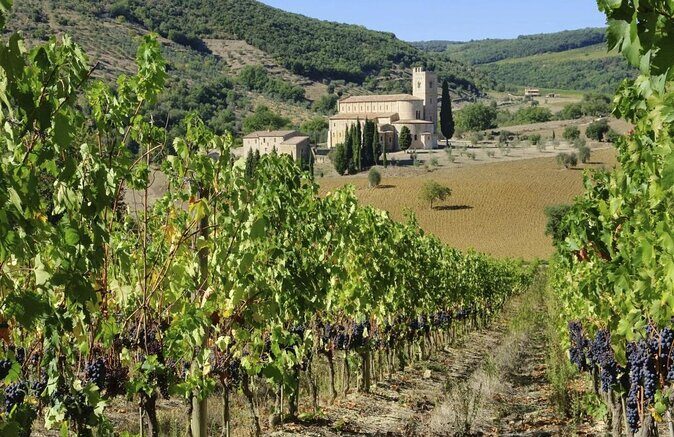
- Max 8 travelers means more time with the guide and the people pouring your wines
- Two winery visits with tastings that include DOCG and DOC bottles
- Val d’Orcia UNESCO area visit around Montalcino, with admission handled
- Fortezza di Montalcino quick look at a Medici-era fortress
- Tuscan lunch built around antipasti, seasonal mains, and sweets like cantucci with vin santo
From Florence to Brunello country: how the day feels in real life
This is the kind of Tuscan day where you don’t just taste wine. You get context. You start out in Florence with enough structure to keep the day smooth, and then you’re out in wine country where the pace changes. In the car, you’ll do the long-distance leg from Florence through Chianti and toward Siena, then settle into the Montalcino area.
What makes it work is the small-group size. With a maximum of 8 travelers, you’re not stuck waiting your turn to ask what you’re tasting. It also makes it easier to hear your guide when they talk about farming choices, grape choices, and why biodynamic practice can show up in the glass.
This is also a day designed for real attention at the wineries. If you’re hoping for hands-on explanations—how a wine is made, how to taste, and what to look for—this setup usually delivers. Guides who’ve run the day before, like Simone and Gilberto, are known for being the type who can explain wine without turning it into a lecture.
You can also read our reviews of more tours and experiences in Florence.
- Tuscany Day Trip from Florence: Siena, San Gimignano, Pisa and Lunch at a Winery
★ 5.0 · 21,634 reviews

Crossing Chianti and stopping in Siena’s old south entrance
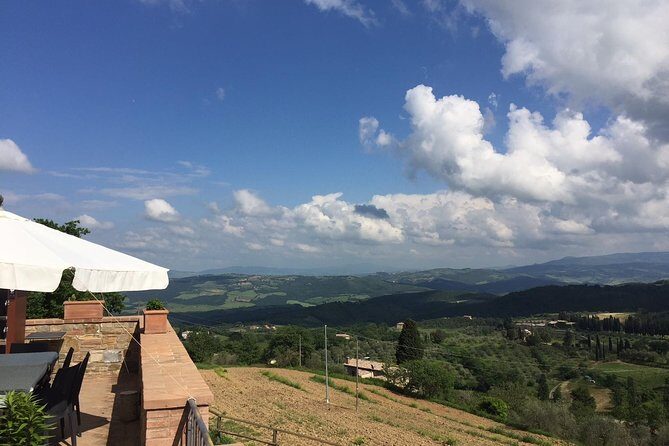
The day begins with a drive that takes you through the Chianti route toward Siena. It’s not just transit. You make a stop at the old south entrance to Siena’s historical city center, so you get a quick dose of the feel of the place before the day turns fully into wine mode.
This matters because Siena is one of those cities that changes your mental picture of the region. Instead of thinking of Tuscany as only vineyards and cypress trees, you’re reminded it’s also medieval streets, stone, and tight urban geometry. Even a short stop helps you connect what you’ll see later—hillsides and farm plots—with how people lived and traded in the past.
If you’re the type who likes your food-and-wine days to also include atmosphere, this stop is a good add-on. It also breaks up the drive so you’re not arriving at wine country feeling like you’re already tired.
Val d’Orcia near Montalcino: a UNESCO valley with time to breathe
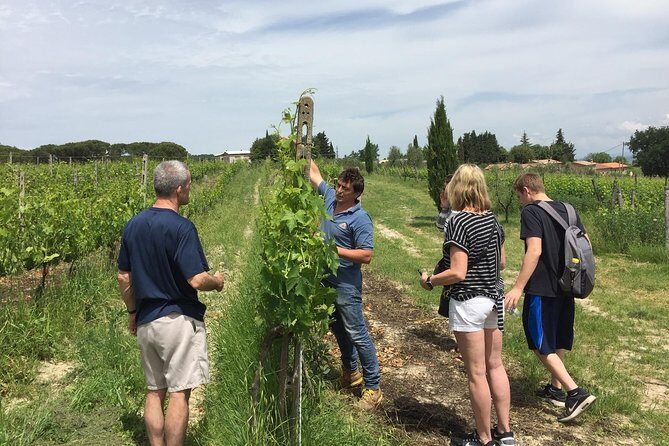
One of the best parts is the visit to Val d’Orcia, the UNESCO World Heritage area surrounding Montalcino. You get about 3 hours here, and that’s an important detail. Three hours is long enough to slow down. It’s not just a quick viewpoint photo and then back on the minivan.
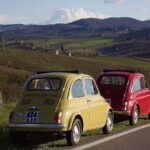
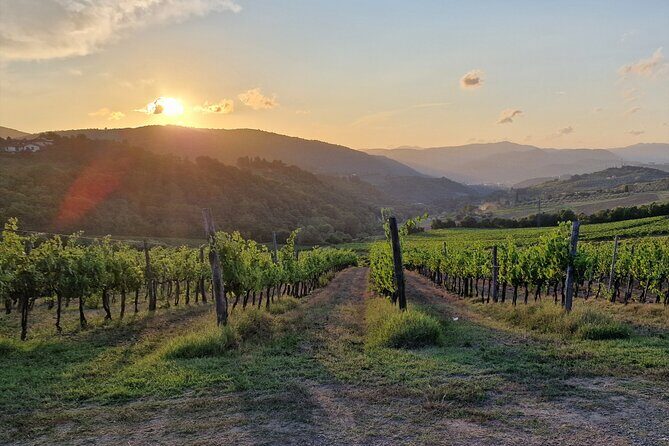
This valley is all about gentle, rolling terrain and that classic Val d’Orcia look that Tuscany postcards try to copy. But what you’re really collecting is perspective. You can see how these vineyards and farm patches fit into the contours of the land. Even without a long hike, that mental “map” helps you understand why certain wines and styles develop where they do.
Admission is included for this stop. That’s one less thing to organize on the fly, and it keeps your time focused on walking around and taking in the scenery.
Fortezza di Montalcino: a quick but meaningful fortress stop
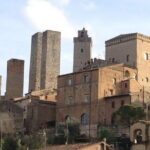
Next comes Fortezza di Montalcino, a Medicean fortress that once protected the town in medieval times. The visit is short—around 15 minutes—so manage expectations.
Think of it as a taste, not a full exploration. You’ll use those minutes to get oriented and to connect the present-day wine town to the past. Seeing a fortress close up also changes your reading of the landscape around it. You start looking at sightlines, elevation, and why a town would be protected from certain directions.
The nice part is that you don’t lose the day to logistics. Admission is free with the experience, and the stop is short enough that it doesn’t hijack the schedule of tastings and lunch.
Two boutique winery stops with DOCG and DOC tastings
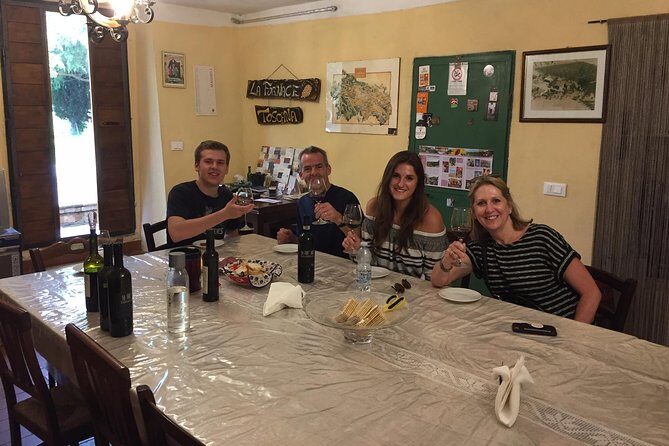
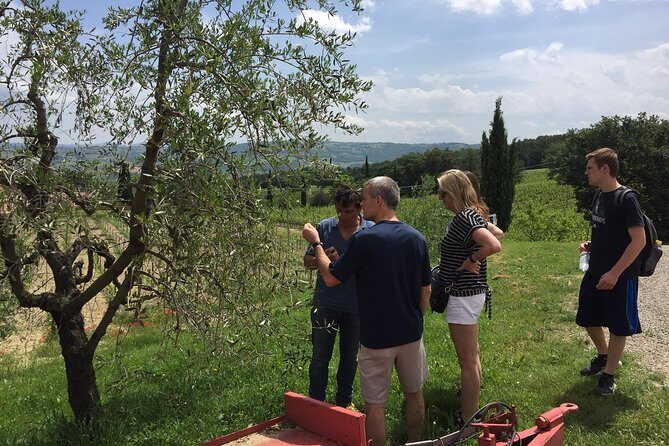
The heart of the experience is the wine. You’ll do two winery tours at smaller, boutique-style producers and sample wines as part of tastings. Importantly, you’re tasting both DOCG and DOC wines, which gives you a more complete picture of how the labeling structure works in this part of Italy.
Why that matters: DOCG and DOC aren’t just alphabet soup. They typically signal different levels of regulation and expectations. When you taste across both categories, you’ll start noticing how style and expression can shift based on place, tradition, and production choices.
This is where the small group helps. In a larger crowd, you often get a basic explanation and a fast pour. Here, you’re more likely to get time to ask questions like:
- What style is the producer aiming for?
- How do they talk about fruit, structure, and aging?
- What should I pay attention to when I taste again later?
You’ll also get at least part of the day framed around biodynamic small wineries. Biodynamic farming doesn’t mean the wine automatically tastes a certain way, but it does give you something interesting to listen for: how the producer describes their approach to soils, cycles, and overall vineyard health.
And yes, the day is designed for enjoyment. You’re not just studying. You’re tasting, walking through production spaces, and learning enough to make your next purchase more confident.
- Tuscany Day Trip from Florence: Siena, San Gimignano, Pisa and Lunch at a Winery
★ 5.0 · 21,634 reviews - The Best tour in Florence: Renaissance & Medici Tales – guided by a STORYTELLER
★ 5.0 · 12,316 reviews
The Chianti Classico cellar moment you can actually see
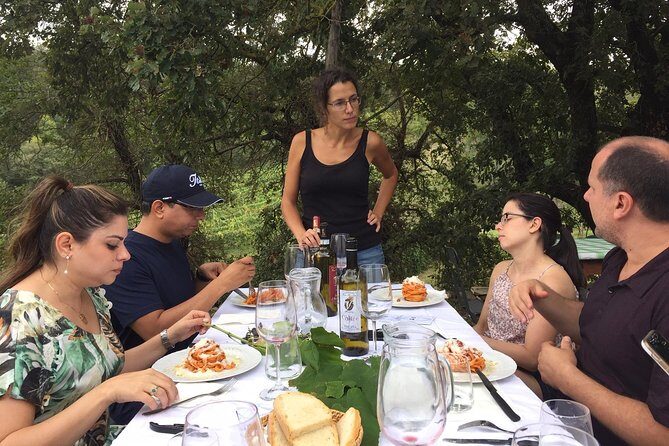
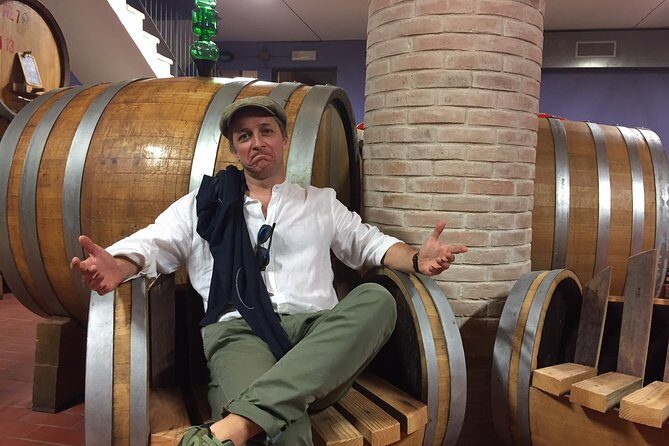
Between the big Montalcino focus points, you also get a stop connected to Chianti Classico with what’s described as a particularly beautiful wine cellar. Even if you’re mainly traveling for Brunello, this kind of cellar visit can be surprisingly useful.
Here’s why: it gives you a contrast. Chianti Classico and Montalcino aren’t just different labels. They’re different ecosystems and different traditions. A cellar visit also grounds the tasting. When you can see the physical space where wine rests, it makes the tasting notes feel more concrete.
If you care about why wines taste different—beyond grapes and marketing—this stop gives you extra context without adding a whole extra day.
Lunch in Tuscany: antipasti, seasonal pasta, and the sweets that close it out
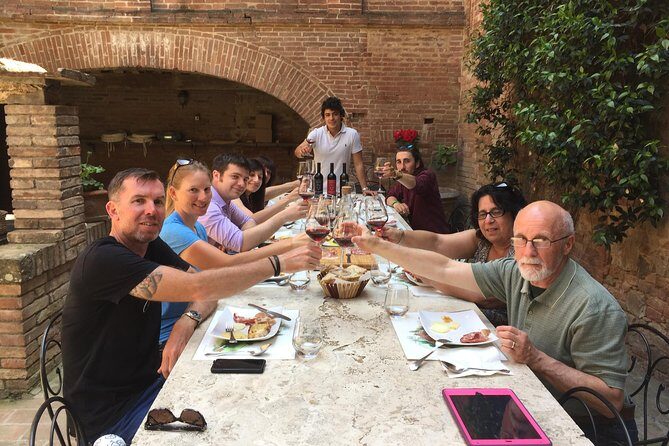
By the time lunch comes around, you’ll be hungry in a good way. This isn’t a quick snack. It’s a Tuscan meal with classic structure: starter, main, dessert.
You’ll likely start with Tuscan antipasti like crostini, pecorino cheese, cold cuts (ham, salami, finocchiona), and honey. That combo matters because it mirrors how many Tuscan foods balance salt, fat, and sweetness—useful for understanding what wines pair well later.
For the main course, the menu is seasonal. You might see options like panzanella, pappa al pomodoro, ribollita, pasta with sauce, or lasagne depending on what’s available. Any of those dishes have a comforting, real-food feel that works well after time outside.
Then you finish with Tuscan desserts. The menu includes cantucci with vin santo and also cakes like torta all’olio di oliva and torta al cioccolato. It’s a sweet ending that fits the region’s style, and it gives you a final taste note to remember.
Dietary note: there’s a vegetarian option available, but you need to request it at booking. If you have any other dietary needs, advise them when you sign up so the meal matches your requirements.
Meeting point, dress code, and what to bring (the stuff that trips people up)
This starts in Florence at Piazza Torquato Tasso (9:00am). There’s no hotel pickup, so plan to get yourself to the meeting point. The good news is it’s a clear, single location instead of a complicated pickup web.
Dress code is smart casual. You don’t need a suit, but it’s worth avoiding gym wear. Since you’ll be walking during some stops, wear comfortable shoes.
One item people sometimes forget: you need a current valid passport on the day of travel. That’s not a “just in case” detail. It’s required.
Price and value: why $479.97 can make sense for a wine day like this
At $479.97 per person, this is not a casual add-on. But for many wine-focused travelers, it can still be good value because you’re paying for a full, guided day with multiple components included.
Here’s what’s bundled in:
- Tuscan lunch
- Wine tastings
- Transport by air-conditioned minivan
- A driver/guide
- Fuel surcharge
What you’re not paying for:
- Hotel pickup/drop-off
When you look at the mix—two winery experiences, tastings across DOCG and DOC, a real Tuscan lunch, and a guided route that includes scenic and historical stops—it starts to make more sense. You’re not just buying wine. You’re buying guidance and organization for the whole day.
Also, the day is capped at 8 travelers. For wine tours, that “small group” factor can be the difference between a fun tasting and a rushed one. If your goal is learning without losing the fun, paying for smaller-group attention often pays off.
Who this tour fits best (and who might want something else)
This works especially well if you:
- Want a Florence day trip that’s centered on Montalcino and Brunello culture
- Like boutique wineries and tastings with time to ask questions
- Prefer small groups and a calmer pace over a big-bus crowd
- Enjoy classic Tuscan food, especially with sweets like cantucci and vin santo
It may not be the best match if:
- You hate long driving days. It’s a full 8 hours.
- You want a long, in-depth exploration at every single stop. Some points are brief, including the fortress.
If you’re the type who likes a “best of” day—scenery, fortress atmosphere, and two wineries with tastings—this format is a strong match.
Should you book this Brunello di Montalcino day trip?
If you’re prioritizing wine tastings with real attention, plus a classic Tuscan lunch and a route that makes sense from Florence, I think it’s a smart booking choice. The small group size is the main reason to feel confident. You’re not likely to get lost in the crowd.
I’d book it if you want a guided day that links Val d’Orcia’s UNESCO scenery to the actual people and places behind the wines. And if you’re curious about biodynamic producers and how DOCG/DOC tasting can widen your understanding, this tour is built for exactly that.
If you want a very relaxed day with zero rushing, keep in mind this is an 8-hour structured route with travel time. But for most wine lovers, that trade-off is part of the deal.
FAQ
How long is the tour and what time does it start?
The tour runs for about 8 hours and starts at 9:00am.
What does the tour include?
It includes a Tuscan lunch, wine tasting, fuel surcharge, a driver/guide, and transport by air-conditioned minivan.
How many travelers are in the group?
The experience has a maximum of 8 travelers, and it’s designed as a small group day.
What wines will I taste?
You’ll do wine tastings that include both DOCG and DOC Italian wines.
Is lunch vegetarian-friendly?
A vegetarian option is available. You need to advise the provider at time of booking if you want it.
Where do we meet in Florence?
You meet at Piazza Torquato Tasso, 50124 Firenze FI, Italy. The tour ends back at the meeting point.
Do I need a passport?
Yes. A current valid passport is required on the day of travel.
More Tour Reviews in Florence
- Tuscany Day Trip from Florence: Siena, San Gimignano, Pisa and Lunch at a Winery
★ 5.0 · 21,634 reviews - The Best tour in Florence: Renaissance & Medici Tales – guided by a STORYTELLER
★ 5.0 · 12,316 reviews