REVIEW · GREVE IN CHIANTI
Chianti: Homemade Pasta Making Class and Lunch
Book on GetYourGuide →Operated by VizEat Ltd · Bookable on GetYourGuide
A pasta class in Chianti can be more than a meal.
This one happens in a family farmhouse setting in the Chianti Hills, with Tuscan hosts and a hands-on cooking flow that ends with lunch, wine, and dessert. It is built around homemade technique, plus the kind of warmth that makes the afternoon feel like you are visiting real people, not just sitting in a demo.
I especially like the small-group size (limited to 8), because it keeps the coaching practical instead of rushed. And I like that the food is not just theory: you make the pasta, eat what you make, and pair it with Chianti wine from the family vineyard.
The main thing to consider is logistics and expectations: it is a 4-hour, off-the-beaten-path farmhouse experience, so you’ll want to plan transportation and come with a flexible attitude about farm-day timing (and about language, if you do not speak Italian—English is supported, and communication may involve translation tools).
In This Review
- Key highlights worth your attention
- How the Chianti farmhouse setting changes the class
- The vibe you should expect
- The 4-hour flow: pasta class first, then lunch, then dessert
- What you’ll cook: homemade pasta (and why technique is the point)
- Pasta you can likely expect to make
- The dessert-making part most cooking classes skip
- Appetizers and lunch: eating like you cooked it
- Wine pairing that’s actually local
- The take-home gift and recipes: the practical souvenir
- Group size and teaching style: why it feels personal
- Who this class is best for
- Price and value: what $130 really buys you
- Logistics you’ll want to plan before you go
- What to bring and how to get the most out of it
- Should you book Chianti: Homemade Pasta Making Class and Lunch?
- FAQ
- What is the duration of the Chianti pasta and lunch experience?
- How many people are in the group?
- What languages are used during the class?
- Is lunch included, and is wine included?
- Do you get anything to take home?
- What should I do if I have food allergies or a special diet?
Key highlights worth your attention
- Family hosts from Tuscany teaching from lived-in routines, not a scripted show
- Limited to 8 people, so you get real hands-on practice
- Chianti wine from the family vineyard served with lunch
- Homemade pasta plus Tuscan dessert using generations-old recipes
- Garden lunch vibe with appetizers like pappa al pomodoro and fettunta
- Take-home gift and recipes, tied to the dish you cooked
How the Chianti farmhouse setting changes the class
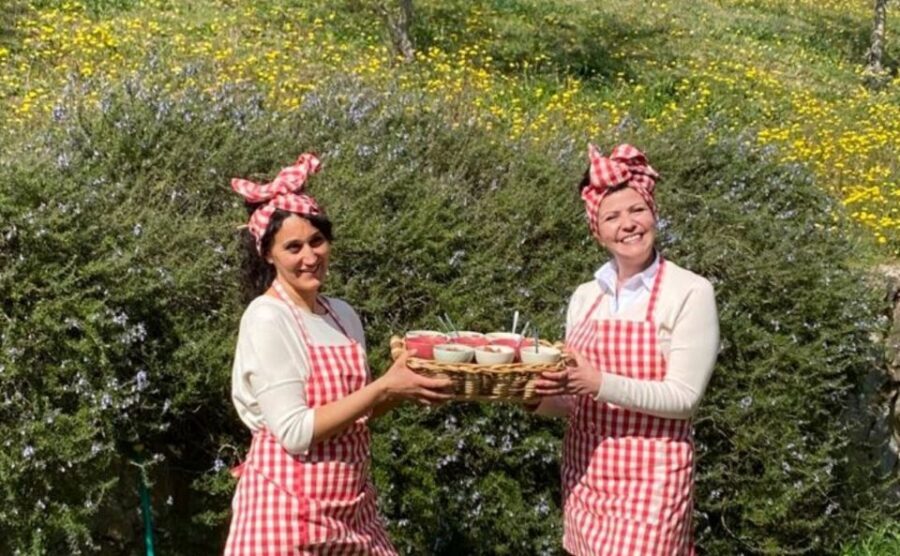
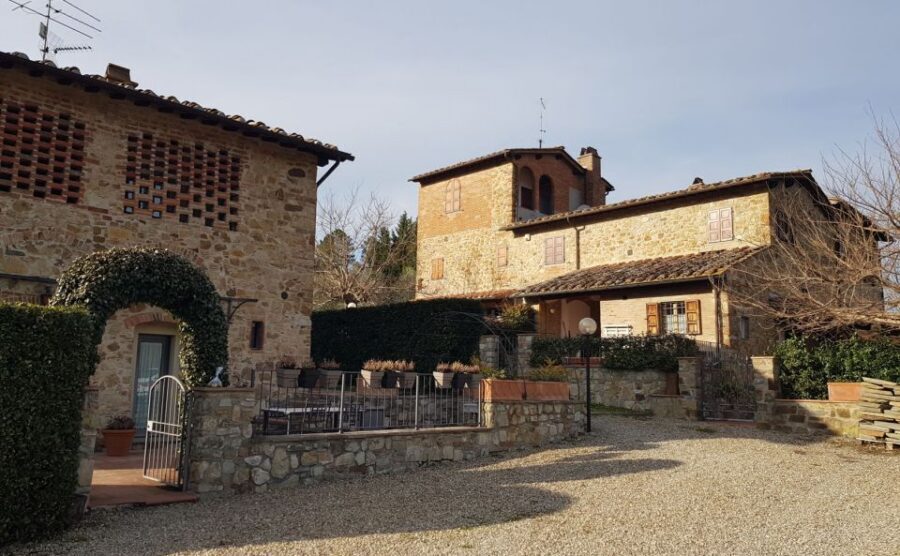
This experience is not staged in a city studio. You meet at Via del Palagione, 53, then you’re guided to the farmhouse environment where the cooking happens. That change matters. In a home kitchen and garden setting, you get the sensory stuff that makes Italian cooking click: flour dust in the air, the sound of dough getting worked, and that slow rhythm where lunch feels like the natural finish line.
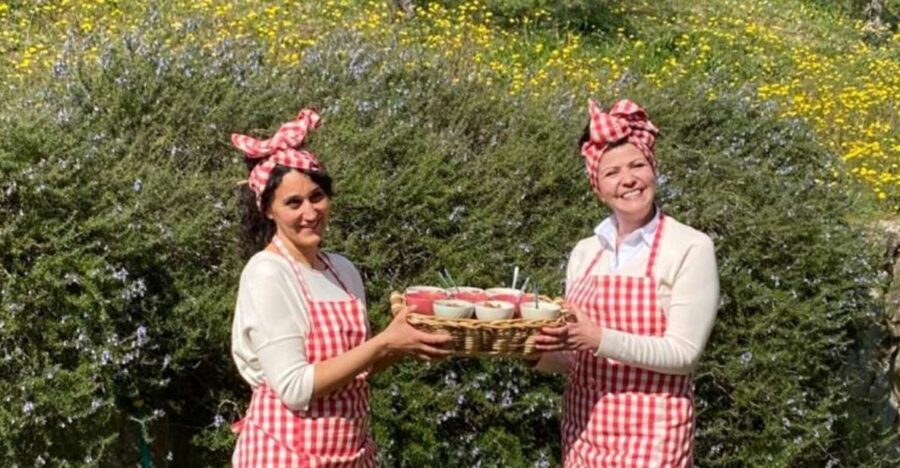
The hosting team is Valentina and Anna (often referred to as Annamarie/Anna Maria in reviews), with their furry companions hanging around in the background. The family connection is part of the appeal: the hosts are originally from Tuscany, and they bring the practical “how we do it at home” mindset rather than trying to impress you with complicated cooking theater.
You also get a full meal arc, not a snack-and-go format. There are appetizers like pappa al pomodoro and fettunta, then the lunch centerpiece—fresh pasta you made—followed by dessert.
You can also read our reviews of more tours and experiences in Greve In Chianti.
The vibe you should expect
From the reviews, the tone is consistently welcoming and inclusive. In one case, the hosts used Google Translate to communicate with the group. That is a tiny detail, but it signals the bigger point: if you worry about language barriers, you’ll likely be okay. The cooking steps and encouragement do most of the work.
The 4-hour flow: pasta class first, then lunch, then dessert
The duration is 4 hours, which is a sweet spot for a hands-on cooking experience. Long enough to learn technique and actually produce food, short enough that you leave feeling satisfied instead of exhausted.
Here’s what the arc looks like, based on how the class is described and how people report their afternoon:
- You arrive and get oriented in the farmhouse kitchen and garden area.
- You learn homemade pasta technique, with step-by-step instruction for different skill levels.
- You also learn Tuscan dessert-making from family recipes.
- You eat a full lunch with the pasta and sauces you prepared, plus wine.
- You finish with dessert and a small take-home moment.
A recurring theme in feedback is that participants often make three types of pasta. The listing says the class includes learning homemade pasta and Tuscan dessert-making; the reviews add the practical detail that the pasta workload can include multiple shapes or styles. Plan on being busy with your hands for most of the session, not watching for long stretches.
What you’ll cook: homemade pasta (and why technique is the point)
“Homemade pasta” can mean a lot of things in Italy, from rolling dough once to producing multiple shapes. Here, the class is designed as an easy-to-follow, all-level coaching experience, so you learn the method rather than just copying a final form.
That matters because pasta has three sensitive variables: dough consistency, rolling/flattening, and handling. When a class slows down enough to teach those points, you can take the skills home and not just the memory.
Pasta you can likely expect to make
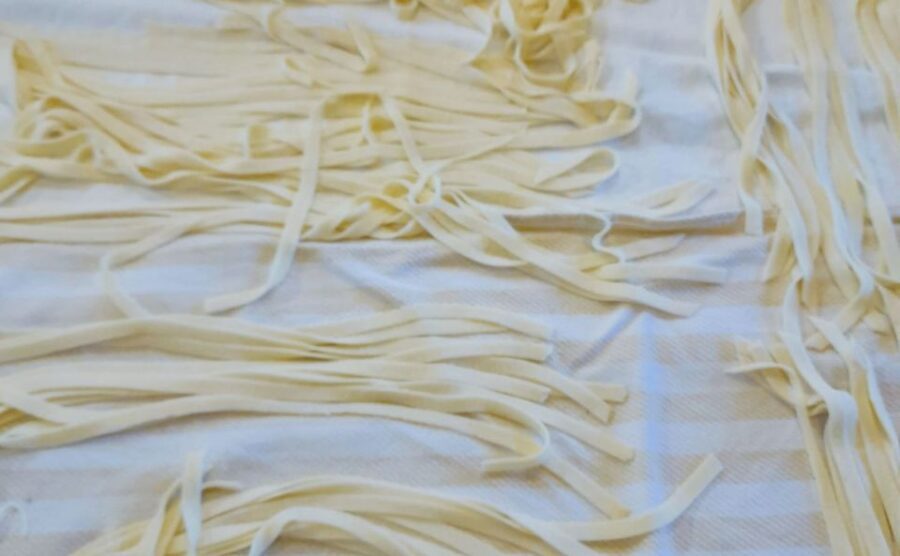
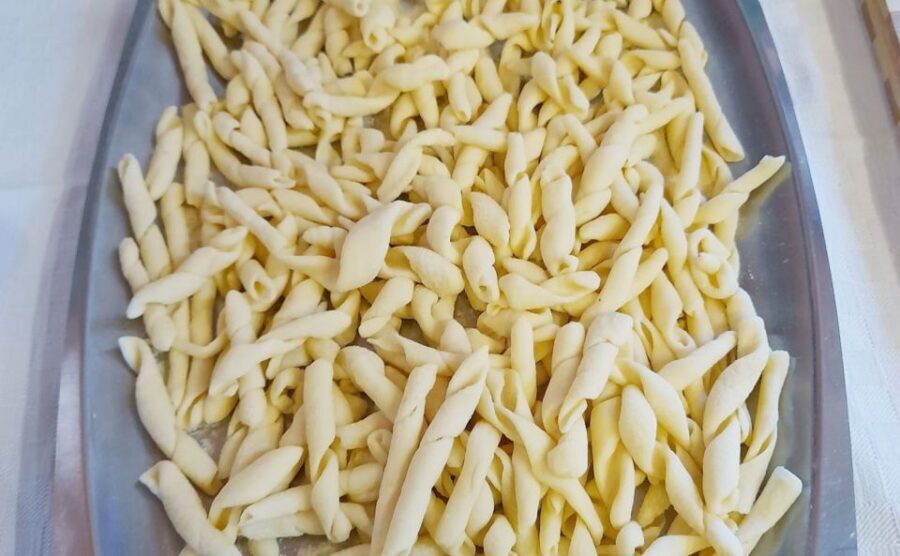
The exact shapes are not listed in the info you provided, but the reviews mention making three different types of pasta by hand. So if you like variety, you will probably appreciate that you get to try multiple steps and outputs instead of repeating a single motion.
The dessert-making part most cooking classes skip

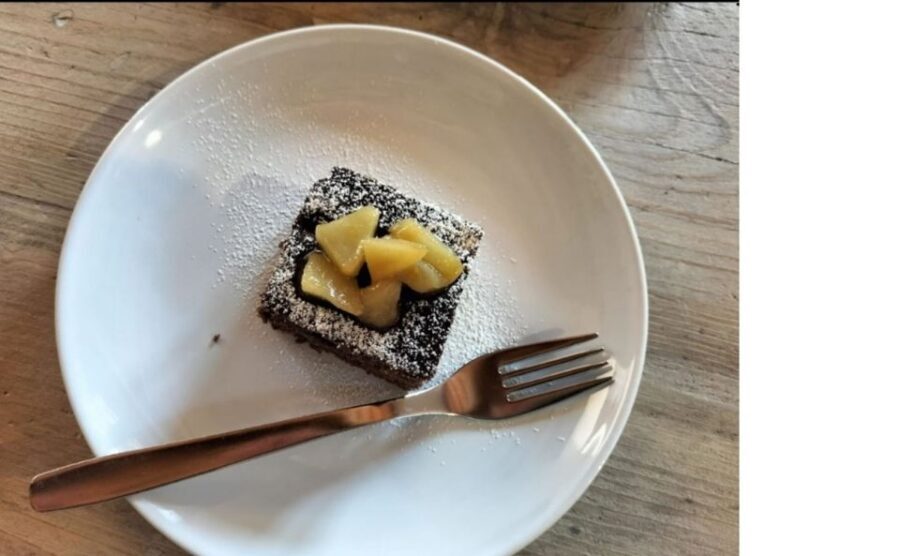
Many classes focus on one highlight and call it a day. This one builds in Tuscan dessert-making too. You learn it from generations-old recipes, and the afternoon ends with dessert after lunch.
That extra segment is one reason the class feels “complete.” You get to experience the full arc of a Tuscan meal mindset: starter comfort food, a flour-and-sauce centerpiece, and something sweet that fits the region’s cooking tradition.
Appetizers and lunch: eating like you cooked it
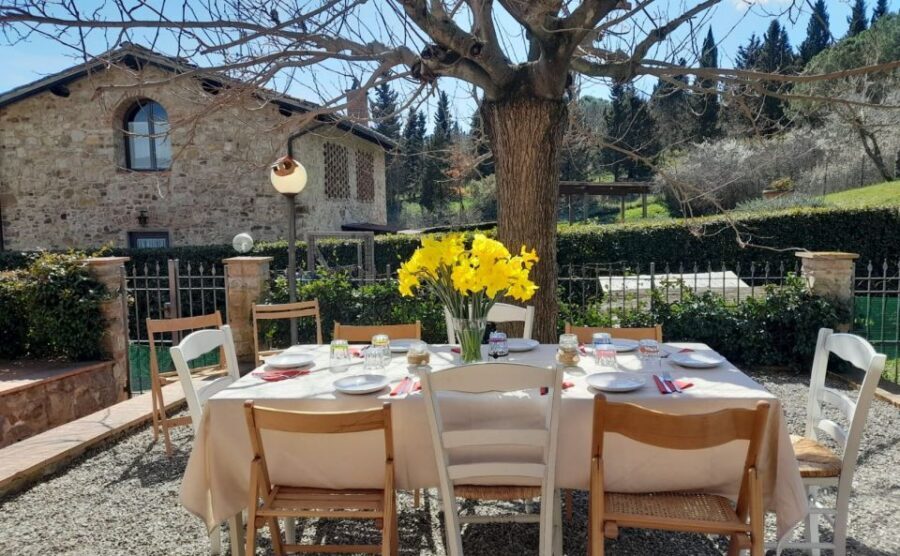
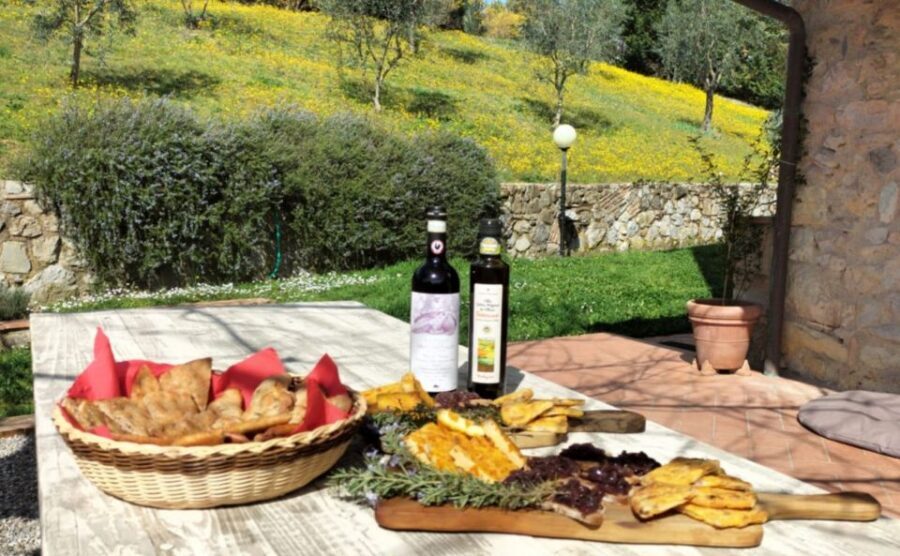
The listing specifically mentions appetizers such as pappa al pomodoro and fettunta, then a lunch built around freshly prepared pasta. Reviews reinforce that lunch happens outside, with a relaxed garden atmosphere. One person described eating outside under shade from a big tree, with the hosts keeping wine flowing.
Even if you do not care about cooking at an expert level, the lunch portion is a big value driver. You are not just learning; you are getting a real meal with wine and coffee to finish.
Wine pairing that’s actually local
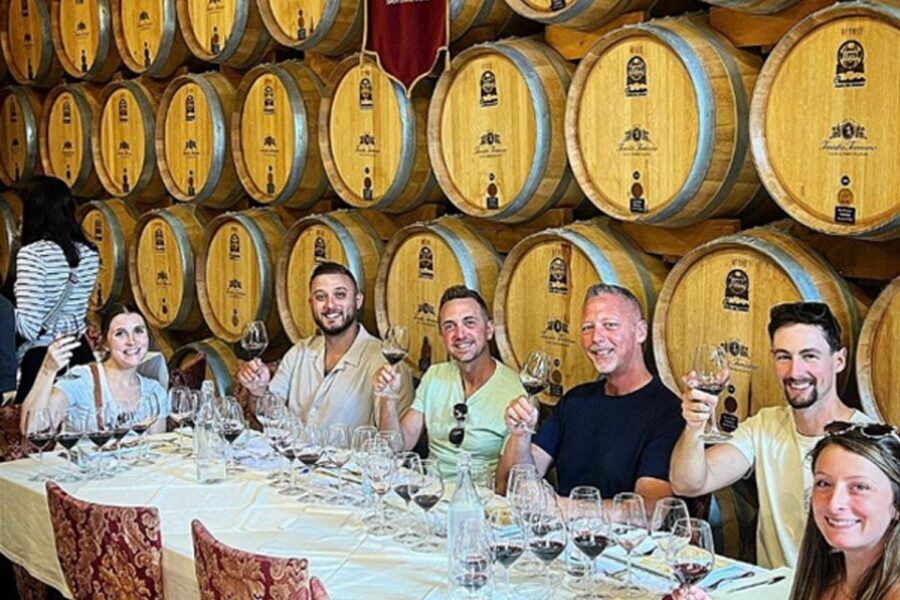
Wine is not a generic extra here. You’ll have Chianti wine sourced directly from the family vineyard. That means the pairing is tied to place, not just a beverage add-on.
If you are the type who likes to understand what you’re drinking, this is helpful. Chianti has a very recognizable style, and it works naturally with tomato-forward starters and pasta sauces typical of Tuscany.
The take-home gift and recipes: the practical souvenir
There are two “souvenirs” at the end of the experience:
- You receive a gift to remember the dish you cooked
- You bring home traditional recipes and culinary skills
This is where the class earns its keep. A lot of food tours give you photos and a fond story. This one adds something you can use later: recipes plus the technique to make the pasta again at home.
Also, that gift tied to the dish you made is a nice touch. It keeps the memory from turning into a vague “we ate pasta somewhere.” You should leave with a specific link to what you created.
Group size and teaching style: why it feels personal
The group is small and limited to 8 participants. Reviews describe the class as intimate, with hands-on attention. One review notes that the class was so small at one point that there was only one other couple, which suggests the hosts can flex the coaching pace when the group is smaller.
What you should look for in a class like this is responsiveness: can the teacher correct your rolling thickness or handling? With a small group, you’re more likely to get that kind of adjustment.
Language-wise, the host or greeter supports English and Italian, and at least one review mentions using Google Translate when needed. Practically, that means you should not stress too much if your Italian is rusty. You’ll still get the cooking cues.
Who this class is best for
This experience is described as perfect for family and groups. Based on what people loved most in the reviews, it also fits these personalities:
- Food lovers who want a real skill, not just a tasting
- Families who want a structured activity that ends with a meal
- Groups of friends who enjoy cooking together and then relaxing outdoors
- Parents visiting Tuscany who want something different from museums and church stops
If you are traveling solo, you may still enjoy it thanks to the intimate size and social hosting. Just be ready for an active cooking session and a shared table feel.
Price and value: what $130 really buys you
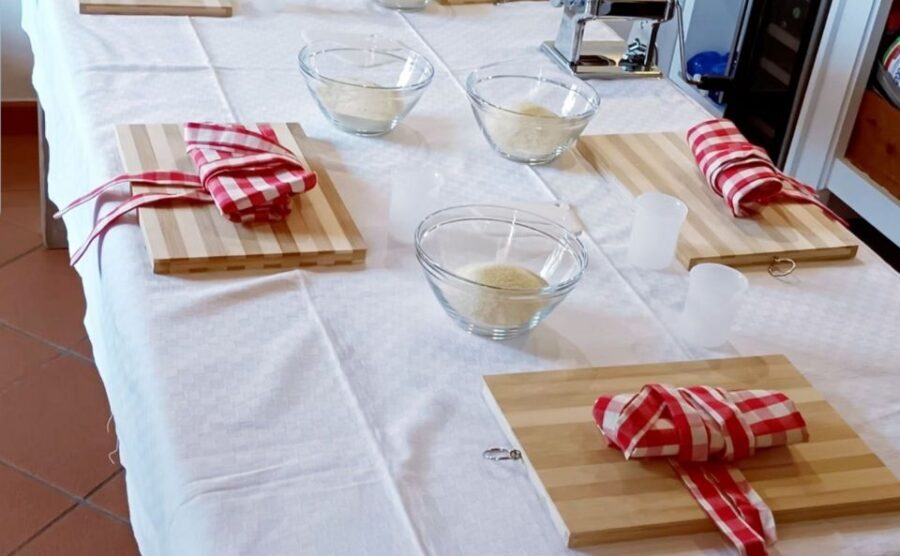
At $130 per person for 4 hours, you’re paying for more than “a cooking demo.” You’re paying for:
- Hands-on instruction for homemade pasta and Tuscan dessert
- A full meal arc: appetizers, lunch built around your pasta, dessert
- Chianti wine sourced from the family vineyard
- Traditional recipes and culinary skills to take home
- A gift connected to the dish you cooked
- A small-group environment limited to 8 people
In plain terms: you’re paying for access and quality time. If you compare this to casual paid tastings, this costs more, but it also gives you training, food you produce, and a take-home bundle.
Is it a bargain? Many people in the reviews seem to think the value lands well for the quality and hospitality. For you, the best way to judge value is to ask what you want from Tuscany. If you want a one-time meal only, you can find food everywhere. If you want a skill you can repeat, plus a place-based wine and lunch, this price starts to make sense fast.
Logistics you’ll want to plan before you go
This isn’t a quick meet-and-eat in a restaurant. You meet at Via del Palagione, 53, and the full address is provided in your confirmation voucher. That means you should plan your arrival and consider that this is a farmhouse location in the Chianti area.
Also keep in mind:
- The class is 4 hours, so you’ll want to avoid stacking tightly scheduled plans right after.
- You should communicate any food restrictions in advance (allergies or special diets), since the hosts need that info.
- The experience involves cooking, so show up prepared to get a little flour under your nails and to move around the kitchen and garden spaces.
What to bring and how to get the most out of it
The info you provided does not list a specific packing list, so I’ll focus on smart, general prep that fits the setting:
- Wear comfortable clothes you do not mind getting flour on.
- Bring a water bottle if you know you get dry in warm outdoor settings (wine and coffee will be part of the plan).
- If you have dietary needs, send the details early, not the day-of.
And mentally: come ready to participate. The best parts of reviews consistently connect to laughter, welcoming hosts, and feeling included. That happens when you lean in rather than watch from the sidelines.
Should you book Chianti: Homemade Pasta Making Class and Lunch?
Book it if you want a Tuscany day that gives you:
- A real skill (homemade pasta technique) plus Tuscan dessert-making
- A full lunch with Chianti wine tied to the family vineyard
- A small group setup that keeps things hands-on
- A take-home bundle: recipes and a gift connected to what you cooked
Skip it if:
- You only want a quick food stop and you hate activities that involve cooking time.
- You cannot make a 4-hour block work, or you are not comfortable with a farmhouse location outside the city rhythm.
If you’re the kind of traveler who likes food because it teaches you how people live, this is one of those days that tends to stick. The best sign is the repeated theme: you leave feeling like you belonged at the table, not like you passed through for a performance.
FAQ
What is the duration of the Chianti pasta and lunch experience?
It lasts 4 hours.
How many people are in the group?
The group is limited to a small group of up to 8 participants.
What languages are used during the class?
The host or greeter supports English and Italian.
Is lunch included, and is wine included?
Yes. You’ll have lunch with the pasta you make, plus appetizers and Chianti wine sourced from the family vineyard.
Do you get anything to take home?
Yes. At the end, you receive a gift to remember the dish you cooked, and you also take home traditional recipes and culinary skills.
What should I do if I have food allergies or a special diet?
You should communicate your food restrictions (allergy, special diet, etc.) so the hosts can plan accordingly.