REVIEW · FLORENCE
Discover Organic and Biodynamic Chianti Small Wineries
Book on Viator →Operated by De Gustibus Tours · Bookable on Viator
Chianti can be more than a label. This day tour spotlights organic and biodynamic wine in the Chianti Classico hills, with stops that mix vineyards, farm-to-table flavors, and medieval villages. You’ll ride out of Florence, get tasting time at boutique wineries, and learn what makes sustainable farming matter in the glass.
I especially like the small-group feel (max 8) and the fact that you’ll be talking with the people making the wine—guides like Tommaso and Gilberto have a knack for keeping things relaxed and clear. I also like that the day includes a real Tuscan lunch plus multiple tastes (not just one red), so you get a more rounded sense of what organic varietals can taste like.
One thing to consider: it’s a full day (about 8 hours), so you’ll spend plenty of time on the road in a minivan. If you hate long car rides or you’re very sensitive to wine, plan your day thoughtfully and pace yourself during tastings.
In This Review
- Key things that make this Chianti tour worth your time
- From Piazza Torquato Tasso to the Chianti hills: how the day works
- Stop 1 in Florence: getting oriented with De Gustibus
- Greve in Chianti: the square, the buzz, and the Falorni butchery
- Montefioralle and Castello: a preserved medieval hamlet tied to the Vespucci family
- The long drive through Strada Statale 222 Chiantigiana
- Boutique winery day: tastings at two small, family-run producers
- What you can expect to taste
- Why the winemaker chat matters
- Pacing and tastings: how to stay comfortable
- Lunch in Tuscany: locally sourced food (and vegetarian options)
- Can the day include more than wine? Ask about the food extras
- Price and value: what you’re really paying for
- Who this Chianti tour suits best
- Who might want a different option
- Booking tips that make the day smoother
- Should you book this organic Chianti tour?
- FAQ
- How long is the Chianti small wineries tour?
- Where does the tour start in Florence?
- What time does the tour begin?
- How many people are in the group?
- Is the tour suitable for most travelers?
- What is the dress code?
- Is lunch included?
- Are wine tastings included?
- Do I need to book a vegetarian meal in advance?
- What dietary requirements can the tour handle?
- What’s included in the price, and what’s not?
Key things that make this Chianti tour worth your time
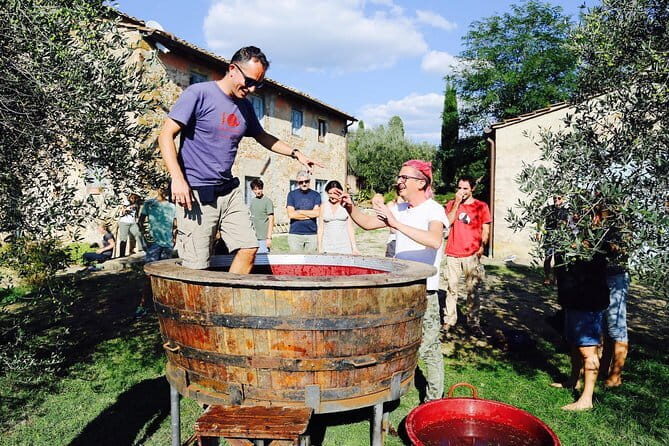
- Organic and biodynamic focus: You’re not just touring wineries; you’re seeing how earth-friendly growing shows up in tasting.
- Winemaker conversations: You get back-and-forth chats that help the wine make sense beyond the menu.
- Two winery settings, plus village stops: You’ll see Greve and Montefioralle before settling in for the main winery time.
- Medieval atmosphere at Montefioralle: A preserved hamlet tied to the Vespucci family adds real “place” to the day.
- Tuscan lunch included: Locally sourced food keeps the day grounded in regional flavors.
- Max 8 travelers: Smaller group size means you’re more likely to ask questions and actually hear answers.
From Piazza Torquato Tasso to the Chianti hills: how the day works
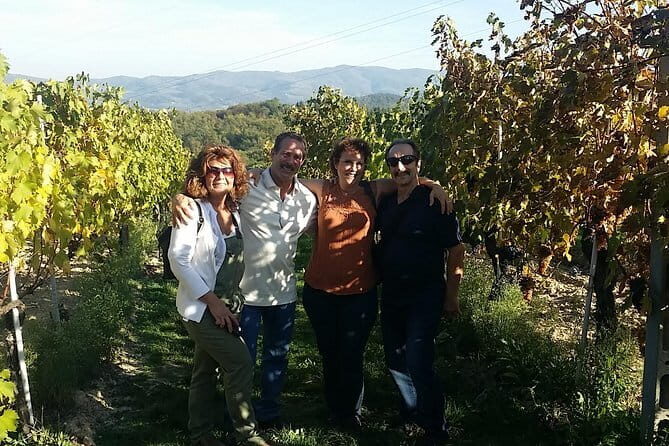
Your day starts at 9:30 am in Florence at Piazza Torquato Tasso, right in front of Culinaria Bistro. The tour is run by De Gustibus Tours, and the idea is simple: use a small-group ride to connect you with the Chianti Classico area and the winemakers working there.
You’ll be transported in an air-conditioned minivan, which matters because this is a drive-and-taste kind of itinerary. The tour loops back to the same meeting point at the end, so you don’t have to plan trains, taxis, or “how do I get back?” logistics.
The tour also runs with a maximum of 8 travelers, which changes the vibe. In a big bus group, you’re mostly a spectator. Here, you can hear the guide, follow along at tastings, and ask practical questions about organic and biodynamic methods.
You can also read our reviews of more tours and experiences in Florence.
- Tuscany Day Trip from Florence: Siena, San Gimignano, Pisa and Lunch at a Winery
★ 5.0 · 21,634 reviews

Stop 1 in Florence: getting oriented with De Gustibus
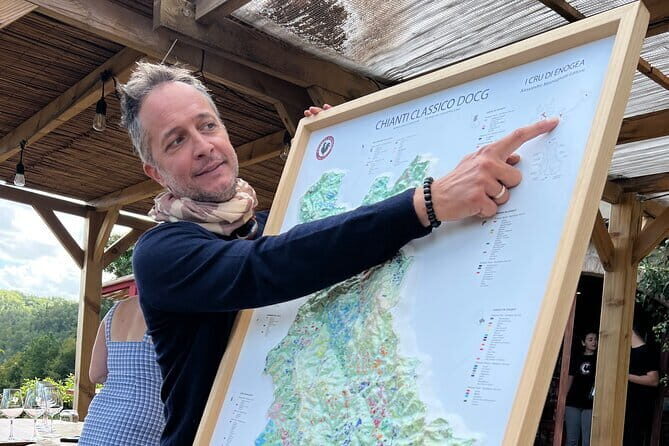
The first stop is short—about 15 minutes—and it’s built for orientation. You meet at Piazza Torquato Tasso, and the team uses their Florence bistro, Culinaria Bistro, as the hub for the tour’s wine-and-food story.
Even with a quick start, this matters because Chianti can feel confusing at first: Classico, varietals, farming styles, and what “organic” or “biodynamic” really changes. Getting oriented early helps you taste with more intention later.
If you’re someone who likes to know why you’re drinking what you’re drinking, this setup works well.
Greve in Chianti: the square, the buzz, and the Falorni butchery
Next you head to Greve in Chianti, the capital of Chianti Classico. You’ll have around 30 minutes here, which is enough time to get your bearings without turning it into a rushed shopping spree.
In Greve, the tour focuses on two practical things:
- Time in the main square, where you can feel the town’s rhythm and take in the setting.
- A stop connected to Falorni, the butcher shop known locally for its cured meats—perfect if you’re building interest in Tuscan food culture beyond wine.
This is a good moment in the itinerary because it “breaks up” the wine-heavy feel. You’re not stuck in tastings back-to-back yet.
Montefioralle and Castello: a preserved medieval hamlet tied to the Vespucci family
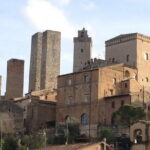
Then comes one of the more atmospheric stops: Castello di Montefioralle. You’ll get about 30 minutes here, and it’s not just a scenic photo break.
The tour emphasizes that this hamlet is perfectly preserved, and that it links to the Vespucci family (as in the family history tied to the Tuscan coast and exploration). That kind of context matters because it turns “pretty stone buildings” into a sense of how people actually lived—how villages were built for protection, climate, and community.
What to watch for: the timing is tight, so wear shoes that work well on uneven ground and take your time early rather than trying to rush your photos at the end.
The long drive through Strada Statale 222 Chiantigiana

After Montefioralle, the day shifts into full Chianti mode along Strada Statale 222 Chiantigiana. This is where you’re out for the main chunk of the day—about 7 hours—with winery time at two small family-run wineries.
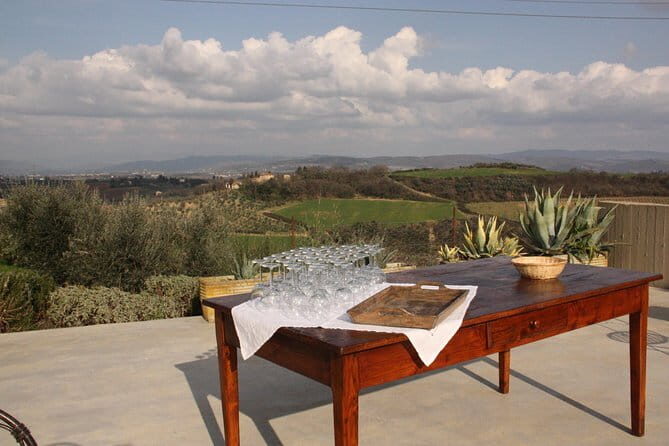
This segment is valuable even if you’re not a “car scenery” person. Chianti is not flat. Roads climb, turns reveal new pockets of vines and olive groves, and the area feels different from the moment you leave Florence. Seeing the terrain helps you understand why certain farming practices are used and why wine styles can come out with distinct character.
Also, your driver and guide are part of why this works. With a small group, you’re less likely to feel like you’re getting shuffled from one place to another without answers.
- Tuscany Day Trip from Florence: Siena, San Gimignano, Pisa and Lunch at a Winery
★ 5.0 · 21,634 reviews - The Best tour in Florence: Renaissance & Medici Tales – guided by a STORYTELLER
★ 5.0 · 12,316 reviews
Boutique winery day: tastings at two small, family-run producers
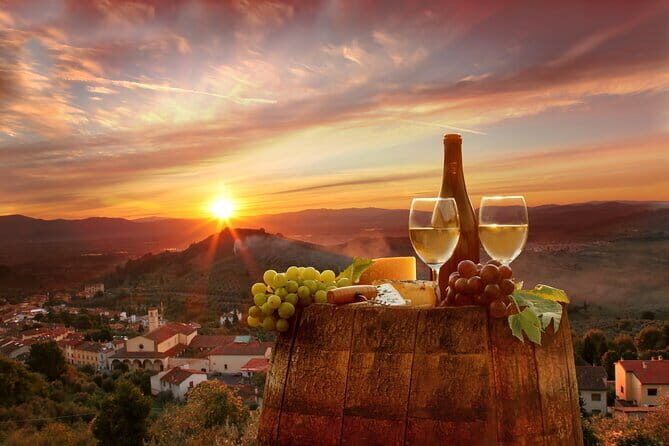
The core of the experience is the winery time—wine tasting at included stops—with a focus on organic varietals and the “earth-friendly” approach behind them.
What you can expect to taste
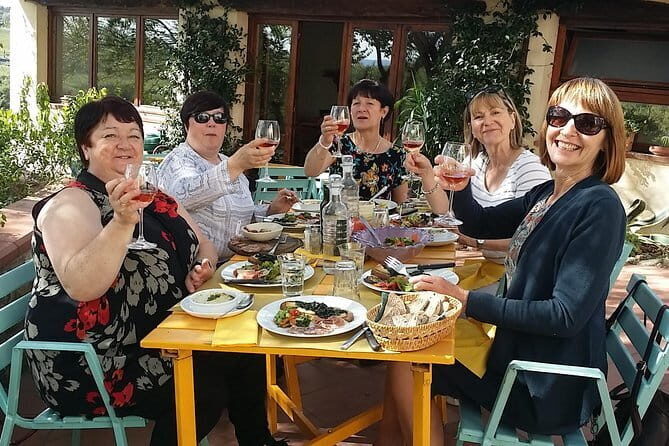
The tour is built around tasting wine made with organic and biodynamic farming methods. You’ll sample different red and white varietals, which is great if you only think of Chianti as one style of red. It also helps you notice how organic viticulture can change the impression of fruit, texture, and balance—at least as the producer wants you to experience it.
Why the winemaker chat matters
In tours where the guide only recites, wine can feel abstract. Here, the emphasis is on meeting the people producing it and asking questions during tastings. Guides like Tommaso and Gilberto are known for giving clear explanations and keeping things friendly.
If you’re the type of person who wants to know what “biodynamic” means in practice—soil, compost, timing, and vineyard habits—this part is where you’ll get the best payoff.
Pacing and tastings: how to stay comfortable
Because this is a small-group, multi-winery day with lunch, don’t treat tastings like a quick sampling plate. Give yourself time between pours to ask questions, and keep an eye on how quickly you want to sip. You’re still on a schedule, and you’ll want your brain clear for the winemaker explanations.
Lunch in Tuscany: locally sourced food (and vegetarian options)
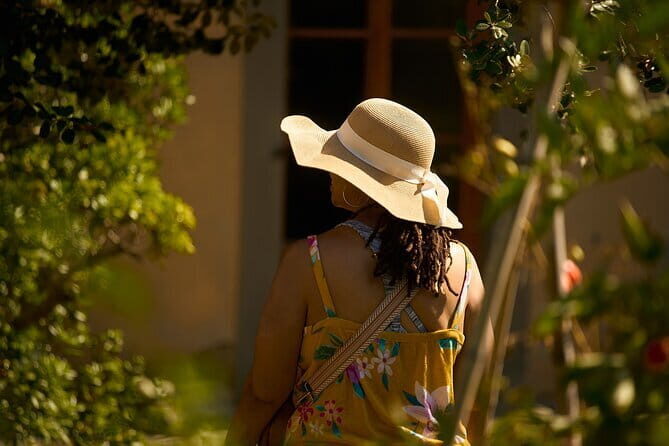
Lunch is included, and it’s positioned as locally sourced Tuscan food, not an afterthought. This is one of the best ways to learn regional cuisine: you taste the dishes that pair naturally with the wines instead of relying on generic tourist meals.
There’s also a vegetarian option available. If you have dietary needs, it’s best to advise them at booking, since the day is designed to keep everyone eating comfortably rather than improvising at the table.
Even if you’re not vegetarian, this often improves the quality of the meal. You tend to get more thoughtful plant-based dishes that reflect what the kitchen is using locally.
Can the day include more than wine? Ask about the food extras
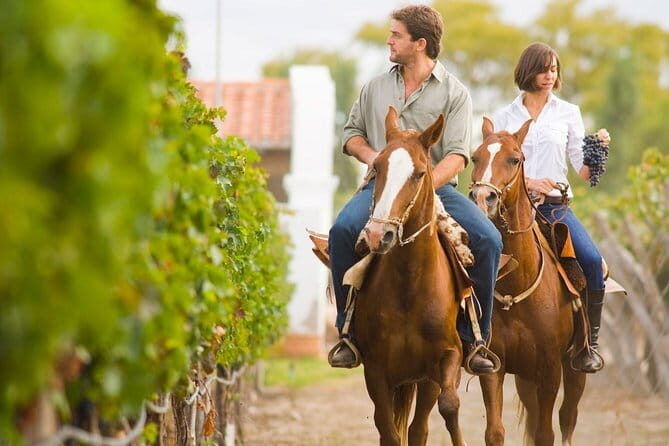
One of the nice surprises in the experience is that the guide approach can go beyond a straight wine-only route. On some departures, guides have been able to add extra food-focused stops, like working in an olive oil producer or pairing with local cheese maker time.
This can be a big deal if you want a deeper food day (and not just a wine day). If you’re interested, bring it up in advance or early in the day so your guide can see what’s possible with timing and the wineries’ schedules.
Price and value: what you’re really paying for
At $321.52 per person for about 8 hours, the price looks “premium” on paper. But the value comes from what’s included:
- Transport by air-conditioned minivan
- Fuel surcharge and local taxes
- Driver/guide
- Lunch
- Wine tasting
You’re not paying separately for transport, driver time, or a lunch. You’re paying for a full-day structure that combines multiple stops with real winery time and included meals.
This is usually the sweet spot when you want convenience without turning the day into a bland checklist. If you’ve been planning Chianti on your own, you’ll know how quickly costs pile up once you add transport + timed reservations + lunch.
Who this Chianti tour suits best
This is a great fit if you:
- Want organic and biodynamic wine without having to research each winery yourself.
- Like small groups and conversations with the people behind the bottle.
- Want a day that mixes wine + Tuscan food + medieval towns, not just wine tastings.
It’s especially well-suited to couples and groups that want a relaxed pace and space to ask questions. The guide style described here tends to keep people comfortable and engaged.
Who might want a different option
Consider another tour if:
- You only want Florence city time and don’t want to leave for most of the day.
- You’re not interested in wine tasting at all (the day is built around it).
- You know you’ll need frequent stops for mobility or breaks. The schedule is tight, and the day runs for about 8 hours.
Booking tips that make the day smoother
Here are practical moves that help:
- Wear smart casual (as requested) but choose shoes that handle uneven streets in village areas.
- If you need a vegetarian option or other dietary needs, tell the team when you book.
- Bring a light layer. Even in warmer months, winery visits and travel can feel cooler.
- Plan to take your time at tastings rather than trying to “power through.” It’s easier to enjoy when you’re not rushing.
Should you book this organic Chianti tour?
I’d book it if your ideal day looks like this: morning pickup in Florence, a taste of town life in Greve, a walk through Montefioralle’s preserved medieval setting, then hours in Chianti with organic Chianti producers and a Tuscan lunch that actually reflects the region.
Skip it if you’re seeking a purely scenic day with no focus on wine, or if you’d rather spend your time in Florence’s museums and neighborhoods.
FAQ
How long is the Chianti small wineries tour?
The tour runs for about 8 hours.
Where does the tour start in Florence?
It starts at Piazza Torquato Tasso, 50124 Firenze FI, Italy, in front of Culinaria Bistro.
What time does the tour begin?
The start time is 9:30 am.
How many people are in the group?
The tour has a maximum of 8 travelers.
Is the tour suitable for most travelers?
The information provided says most travelers can participate.
What is the dress code?
The dress code is smart casual.
Is lunch included?
Yes. Lunch is included.
Are wine tastings included?
Yes. Wine tasting is included.
Do I need to book a vegetarian meal in advance?
Yes. A vegetarian option is available, and you should advise the team at booking.
What dietary requirements can the tour handle?
You should advise any specific dietary requirements at the time of booking, and vegetarian options are available.
What’s included in the price, and what’s not?
Included: fuel surcharge, local taxes, lunch, wine tasting, driver/guide, and transport by air-conditioned minivan. Not included: food and drinks unless specified.



More Tour Reviews in Florence
- Tuscany Day Trip from Florence: Siena, San Gimignano, Pisa and Lunch at a Winery
★ 5.0 · 21,634 reviews - The Best tour in Florence: Renaissance & Medici Tales – guided by a STORYTELLER
★ 5.0 · 12,316 reviews