REVIEW · FLORENCE
Fiesole : Florentine Hills, Roman Theater & Tuscan Farm Experience
Book on Viator →Operated by Marcello · Bookable on Viator
Florence suddenly changes tone up here.
This private Fiesole outing strings together Florence’s old stonework, Roman remains, and hilltop views, finishing with a real working farm experience. Marcello is the kind of guide who shows up ready, explains in plain language, and keeps things relaxed, even when you have questions.
I love the panoramic stop points built into the route, especially the terrace-style viewpoints at San Domenico di Fiesole and the hilltop calm of Convento di San Francesco. I also like the hands-on feel of the archaeology, where the Roman Theater setting still matters because it’s still used in summer, not just staged for tourists.
One thing to consider: the Area Archeologica is the only major ticketed stop, and the time at each stop is short, so come ready to move at a local pace.
In This Review
- Key things you’ll notice on this Fiesole route
- Meeting at Caffè Lietta: getting rolling without stress
- Porta San Gallo and Piazza Savonarola: Florence’s edges, not just the center
- Via San Domenico to Piazza Mino: where Fiesole turns into a viewpoint
- The Area Archeologica: Roman Theater still alive (and ticketed)
- Convento di San Francesco: the wide view you actually remember
- Fattoria di Maiano: Tuscany farm life close to Florence
- Stadio Artemio Franchi and the Arch in Liberty Square
- Cart pace, photo time, and how the timing feels in real life
- Price and value: what $86.89 buys you
- Should you book the Fiesole Roman Theater and farm experience?
- FAQ
- How long is the Fiesole tour?
- Where do we meet?
- Is this tour private?
- Is the tour offered in English?
- Is there a mobile ticket?
- Do we need tickets for the Roman archaeological area?
- Which stops focus on views over Florence?
- Does the tour include a working farm?
- Is the Roman Theater still used?
- What’s the cancellation window?
Key things you’ll notice on this Fiesole route
- Porta San Gallo (c. 1285): one of Florence’s ancient monumental gates, tied to the city’s sixth circle of walls
- San Domenico di Fiesole terrace views: a hillside hamlet with the Convent of Beato Angelico acting like an elevated lookout
- Piazza Mino on Faesulae ground: the historic center built over the ancient Roman Forum, with civic and religious landmarks close by
- Roman Theater, Baths, and an Etruscan-Roman Temple: the archaeology layer-cake, with the Roman Theater still used in summer
- Fattoria di Maiano’s organic olive oil life: a centuries-old working estate with gardens and a historic villa vibe
- Stadio Artemio Franchi and Nervi’s concrete logic: Rationalist architecture for ACF Fiorentina fans and architecture nerds alike
Meeting at Caffè Lietta: getting rolling without stress
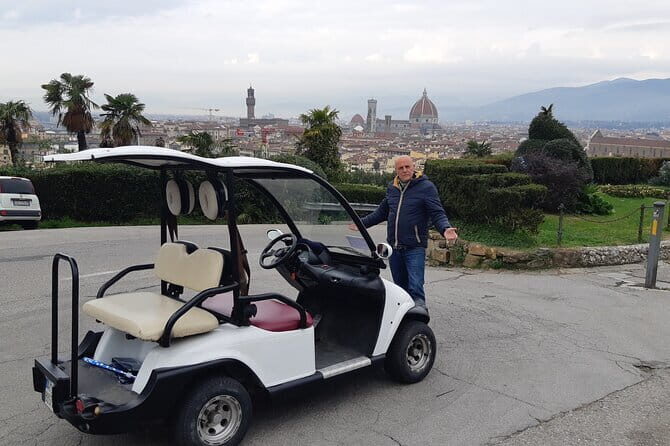
You start right by Piazza della Libertà at Caffè Lietta (Piazza della Libertà 6/7/8 Rosso, 50129 Firenze). That’s a helpful choice because it’s a straightforward meeting spot with near public transportation, so you’re not hunting in backstreets while your morning is slipping away.
This is a private tour, meaning it’s just your group. In a city like Florence, that matters. You can ask questions when you want, pause for photos without negotiating with a crowd, and keep your pace. In the best scenarios, the guide also adjusts the route to your interests. Some people booked this as a first-day orientation, others as a scenic break from museum-heavy plans. Either way, the meet point makes it easy to plug into a day.
The tour ends back at the same meeting point, which is practical if you’re trying to plan lunch or your next ticketed stop. And because the tour uses a mobile ticket, you’re not stuck with printing or lost paper tickets.
You can also read our reviews of more tours and experiences in Florence

Porta San Gallo and Piazza Savonarola: Florence’s edges, not just the center
Right at the beginning, you get a taste of Florence beyond the postcard core. Porta San Gallo is one of the city’s ancient monumental gates, built around 1285 as part of the sixth circle of city walls. Even in a quick stop, it’s worth noting what gates mean here: they’re not just decoration. They’re proof of how Florence used to control movement in and out of town.
Next comes Piazza Savonarola. This square sits just outside the historic center and feels different from the tight stone grid of the core. You’ll notice Umbertine-style palaces from the late 19th century, giving the area a more airy, residential, bourgeois feel. It’s a small contrast, but it helps you “read” Florence as a place that kept evolving long after the Renaissance.
Timing is tight here. The stop is short, so treat it like a first chapter, not a full history lecture. If you want more detail, this is the moment to ask your guide what to prioritize before you go up into the hills.
Via San Domenico to Piazza Mino: where Fiesole turns into a viewpoint
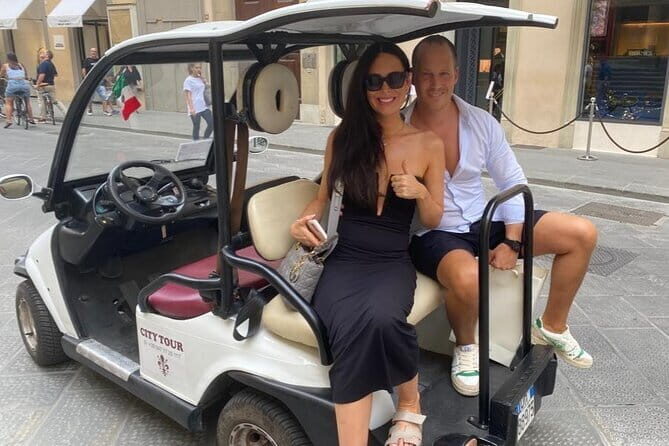
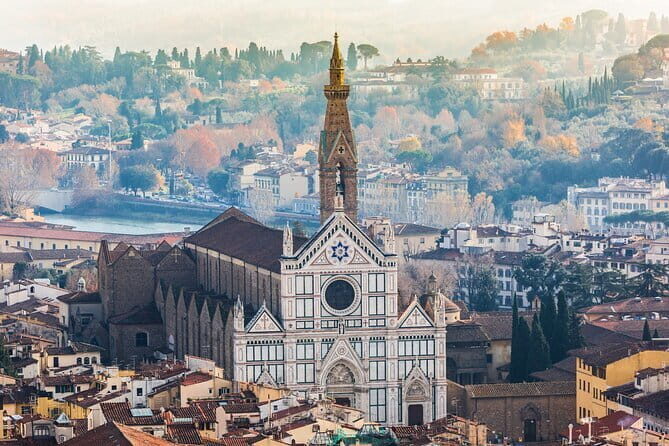
Then you climb into the Fiesole mindset: slower streets, open sky, and a constant shift from city life to panorama. Via San Domenico leads you to San Domenico di Fiesole, described as an elegant hillside hamlet. A big reason people come is the 15th-century Convent of Beato Angelico, which also functions like a natural elevated terrace over Florence.
This is one of those stops where your eyes do half the work. The guide helps you place what you’re seeing in context, so it’s not just pretty. It’s also understandable: hills like this shaped where people settled and how they defended, watched, and worshiped.
After that, you reach Piazza Mino, the historic center of Fiesole. It’s built on top of the ancient Roman Forum, known as Faesulae. The square is dominated by St. Romulus Cathedral and the Palazzo Pretorio (the town hall), so you get the civic and religious heartbeat in one view. The best part for many visitors is the choice: from here, you can head toward the archaeology or shift upward toward the Convent of San Francesco, depending on what you want most.
Because you’re on a private route, you don’t feel like you’re sprinting to keep up with strangers. That said, the tour is about moving efficiently, so if you want long sit-down time, you may need to balance this with a later café break.
The Area Archeologica: Roman Theater still alive (and ticketed)
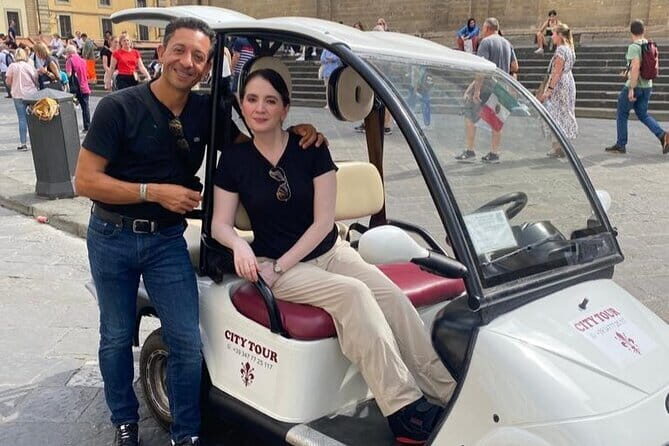
The highlight for many people is the Area Archeologica, and it’s easy to see why. This is one of the most evocative sites around, with preserved remains that show Florence’s territory across eras.
What you’ll likely see includes:
- A Roman Theater, and the key detail is that it’s still used in summer
- Roman Baths
- An Etruscan-Roman Temple
That layering matters. You’re not just looking at one “phase” of antiquity. You’re watching history stack up: Etruscan influences, Roman engineering, and later cultural shifts. The guide can point out what’s Roman versus what shows older roots, so you can understand the shapes and purposes rather than just admire stones.
One caution: admission for the archaeology area is not included, so plan for an extra ticket cost. Many stops on this route are free admission, which makes the paid one feel less painful. Still, it’s the only ticketed element you should budget for if you want the full experience without surprises.
Also, time here is limited in a 2h15 tour. Treat it like a focused walkthrough. If you want a deep study day, you’d pair this with a longer, museum-style archaeology visit later. For an overview that makes you feel the place, it’s strong.
Convento di San Francesco: the wide view you actually remember
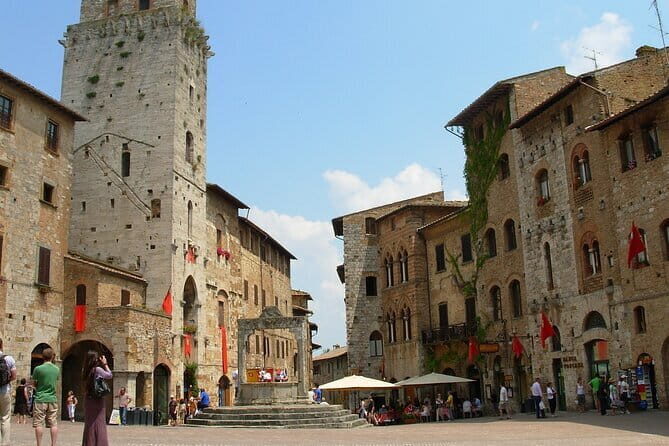
Next up is a quieter stop with a big payoff. Convento di San Francesco sits higher on the hill and is known for its calm Franciscan atmosphere, plus a small Missionary Museum.
But the real draw is the view. This is described as one of the best and widest panoramic outlooks over all of Florence and the Arno valley. In practical terms, this is where you can pause, breathe, and let the city make sense as a whole. It’s also where good photos happen without you doing a major hike right at the end of the day.
The admission at this stop is listed as free. That makes it a smart use of time inside your budget: you get a strong payoff without extra ticketing friction.
If you’re sensitive to crowds, this is usually a better moment than the busiest Florence viewpoints. You still get the scale, but it feels more like a pause than a photo factory.
- Tuscany Day Trip from Florence: Siena, San Gimignano, Pisa and Lunch at a Winery
★ 5.0 · 21,634 reviews - The Best tour in Florence: Renaissance & Medici Tales – guided by a STORYTELLER
★ 5.0 · 12,316 reviews


Fattoria di Maiano: Tuscany farm life close to Florence
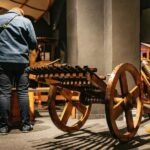
Then the tour shifts from stone to food and plants. Fattoria di Maiano is a centuries-old estate in the Fiesole hills that’s presented as a thriving organic oasis. The practical reason to include a farm stop on a Florence day is simple: it breaks the “all monuments, all day” pattern and replaces it with a slower, grounded experience.
What makes it more than a quick snack stop is the structure of the visit. The estate produces award-winning olive oil, and visitors can explore botanical gardens, a historic villa setting, and the surrounding scenery.
Even if you’re not buying olive oil, this stop gives you something different to carry home: the sense of how this region actually lives. You see why the hills aren’t just scenic backdrops. They’re productive land with a long rhythm.
Admission is listed as free for this stop, which again keeps value strong. The only caution is that the farm experience can’t be huge in a short 2h15 itinerary. Treat it like a taste and a reset, then plan your longer food-focused exploration for another day if you want more depth.
Stadio Artemio Franchi and the Arch in Liberty Square
Not every Fiesole day includes stadium architecture, but this one does, and it’s a smart detour. Stadio Artemio Franchi is the historic home of ACF Fiorentina, and it’s considered a masterpiece of Italian Rationalist architecture.
The tour notes that the stadium was designed by engineer Pier Luigi Nervi and inaugurated in 1931. It also highlights the engineering features people usually remember: reinforced concrete structures, the iconic Maratona Tower, and cantilever roofs.
Is this for everyone? If you’re not into architecture or soccer, it can feel like a hard left turn. But it does give you a real sense of 20th-century Florence identity, which many classic sightseeing routes skip.
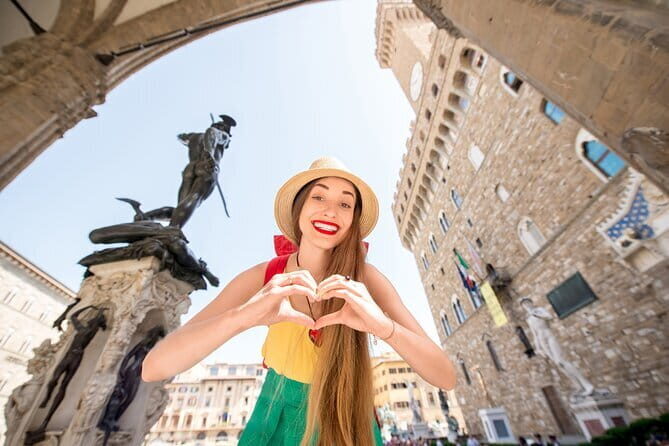
Finally, you return through Liberty Square, where the Arch of Triumph was built in 1737 to celebrate the arrival of the Habsburg-Lorraine dynasty in Florence, succeeding the Medici. It’s an 18th-century symbol with celebratory reliefs. Again, it’s a quick stop, but it connects Florence’s Renaissance past to later dynastic politics in a very visible way.
Cart pace, photo time, and how the timing feels in real life
This tour is about coverage without rushing like a tour-bus blur. The stops are short (some are around 5 to 10 minutes), and the total duration is about 2 hours 15 minutes. That structure works best if you want:
- A strong orientation to Florence and the hills
- A few “anchor” viewpoints
- A mix of Roman ruins and modern-day life (farm and stadium)
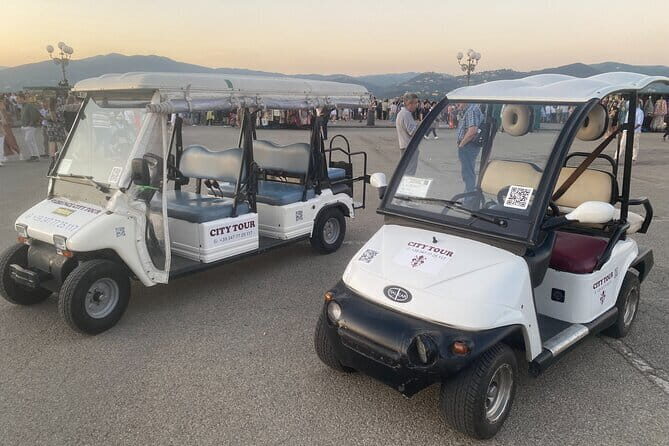
The small-vehicle format matters here. Based on how guides run it, you can pause for photos at the right moments without turning every stop into a group argument. One of the most repeated strengths is that the guide is patient and keeps explanations easy to follow, with a sense of humor that helps you relax instead of feeling like you’re being lectured.
There’s also a practical upside for first timers: you can see multiple neighborhoods and landmarks in one go, which makes it easier to choose later self-guided walks. One of the best pieces of advice I’d give is to do this early in your stay so you build a mental map fast.
Price and value: what $86.89 buys you
At $86.89 per person for about 2h15, you’re paying for more than “transport to hills.” You’re buying a private, English-led route that hits several categories in one outing:
- Ancient city edges (Porta San Gallo)
- Hill viewpoints (San Domenico, Convento di San Francesco)
- Roman archaeology (Area Archeologica, ticketed)
- Working Tuscany life (Fattoria di Maiano)
- Optional architectural curiosity (Artemio Franchi, Nervi)
- Extra context points (Liberty Square’s Arch)
Most stops are free admission, and only the Area Archeologica requires an extra ticket. That’s important when you’re trying to keep costs predictable. In other words, the price isn’t just paying for a ride. It’s paying for a guided route where you’re not paying entry fees at every turn.
One more value signal: this experience is commonly booked about 44 days in advance. That doesn’t mean you must book that early, but it does suggest popularity and limited availability around peak planning periods.
Should you book the Fiesole Roman Theater and farm experience?
I’d book it if you want a short, high-impact day that mixes Florence’s famous look with a hill town feel. It’s especially a good fit if you:
- Like viewpoints but don’t want a full hike
- Want one archaeology stop that feels meaningful without turning into an all-day project
- Prefer a farm visit over another museum hour
- Enjoy a private guide who can slow down when you ask questions
I’d think twice if you’re the type who needs long stays at sites or you want deep archaeology reading time. The paid archaeology stop is the anchor, but in a 2h15 tour, everything is staged for efficiency.
FAQ
How long is the Fiesole tour?
It runs about 2 hours 15 minutes.
Where do we meet?
You meet at Caffè Lietta, Piazza della Libertà 6/7/8 Rosso, 50129 Firenze FI, Italy.
Is this tour private?
Yes. Only your group participates.
Is the tour offered in English?
Yes, it’s offered in English.
Is there a mobile ticket?
Yes. A mobile ticket is provided.
Do we need tickets for the Roman archaeological area?
Admission for the Area Archeologica is not included.
Which stops focus on views over Florence?
San Domenico di Fiesole and the Convento di San Francesco are both described as terrace-style viewpoints over Florence and the Arno valley.
Does the tour include a working farm?
Yes. It includes a visit to Fattoria di Maiano, described as an organic estate that produces olive oil.
Is the Roman Theater still used?
The Roman Theater is described as still used in summer.
What’s the cancellation window?
Free cancellation is available up to 24 hours in advance for a full refund.
More Farms in Florence


More Tour Reviews in Florence
- Tuscany Day Trip from Florence: Siena, San Gimignano, Pisa and Lunch at a Winery
★ 5.0 · 21,634 reviews - The Best tour in Florence: Renaissance & Medici Tales – guided by a STORYTELLER
★ 5.0 · 12,316 reviews