REVIEW · FLORENCE
Florence: Leonardo Drawings
Book on GetYourGuide →Operated by Geko Art Studio · Bookable on GetYourGuide
Drawing like Leonardo is surprisingly doable. In Florence, this 3-hour studio class has you reproduce one famous Leonardo sketch while learning the materials and the thinking behind them, not just the final lines. I love the hands-on practice with sanguine, sepia, and charcoal, and I love the Renaissance context that makes the whole lesson feel grounded.
One heads-up: transport isn’t included, and the studio is about a 32-minute walk from the center, so plan your route or wear comfortable shoes. The class is private and step-by-step, so you can start even if you do not draw much, but you will want time to focus for the full three hours.
In This Review
- Key things to know before you book
- Leonardo Drawings in Florence: What You’re Really Paying For
- Where the Lesson Starts: Geko Art Studio’s Glass-Door Meeting Point
- Your Supplies: Sanguine, Sepia, and Charcoal (Plus the Easel)
- The Step-by-Step Sketch Process: How the Drawing Comes Together
- Renaissance Context While You Draw: Turning Marks Into Meaning
- Coffee Break and Hands-on Momentum
- Price and Value: Is $182 Worth It?
- Languages and Teaching Style: English, Italian, and Spanish
- Who This Class Is Best For (and Who Might Skip It)
- Should You Book Florence: Leonardo Drawings?
- FAQ
- What is included in the Leonardo drawings class?
- How long is the experience?
- Do I need drawing experience?
- What languages are available for the instruction?
- Is transport to and from the atelier included?
- Is the studio wheelchair accessible?
Key things to know before you book
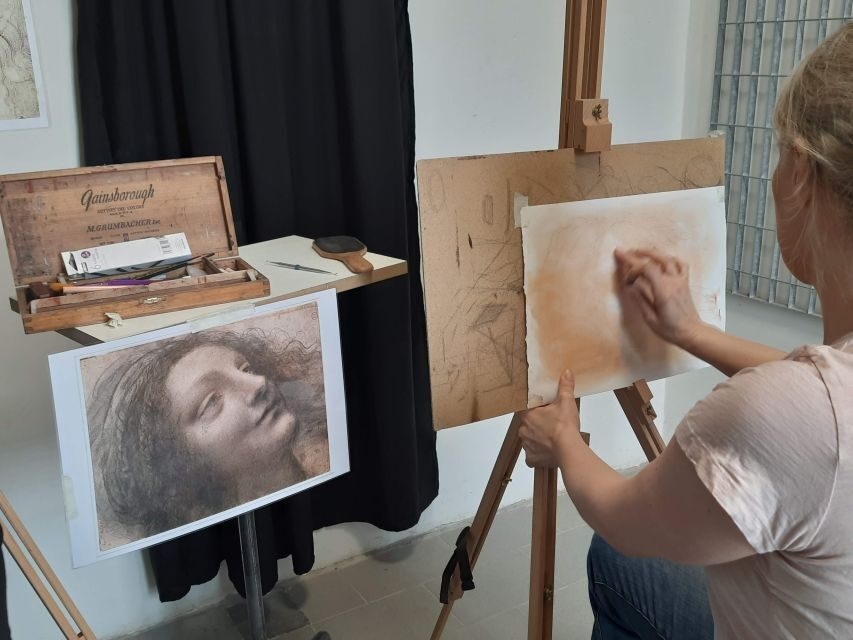
- You copy with the right media: sanguine, sepia, and charcoal on paper, with guidance for each stage
- One famous sketch, studied like a craft: you learn how Leonardo’s choices show up in shading and lines
- All tools are provided: easel, paper supports, pencils, charcoal, eraser, and more
- It’s a private group format: small, studio-style teaching with time to ask questions
- There’s a built-in coffee break: cookies plus water and juice, so you can keep your energy up
Leonardo Drawings in Florence: What You’re Really Paying For
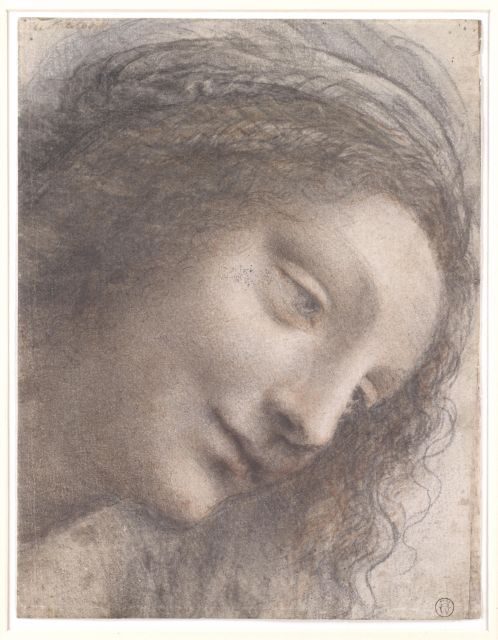
At first glance, this sounds like a fun art class. Then you realize what makes it worth your attention: it’s not just drawing for the sake of drawing. You’re working through a traditional studio process using materials that match the look and feel associated with Leonardo’s work.
The lesson is built around a step-by-step reproduction of one well-known sketch attributed to Leonardo da Vinci. That focus matters. When you only copy a finished image, you miss the logic behind the marks. When you learn the sequence and the tools, you start seeing how an artist builds form.
You also get context while you work. An instructor provides historical and cultural information about the Renaissance period and Leonardo’s life. That pairing is practical: it gives your drawing decisions meaning, not just instruction on what to do next.
And yes, you get a coffee break. It sounds small, but during concentrated drawing time, small breaks help you reset your hands and eyes. Cookies and drinks are included, which keeps the session from turning into a “bring your own snacks” scramble.
You can also read our reviews of more tours and experiences in Florence.
- Tuscany Day Trip from Florence: Siena, San Gimignano, Pisa and Lunch at a Winery
★ 5.0 · 21,634 reviews
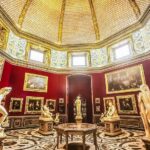

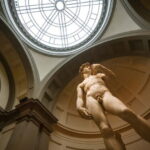
Where the Lesson Starts: Geko Art Studio’s Glass-Door Meeting Point
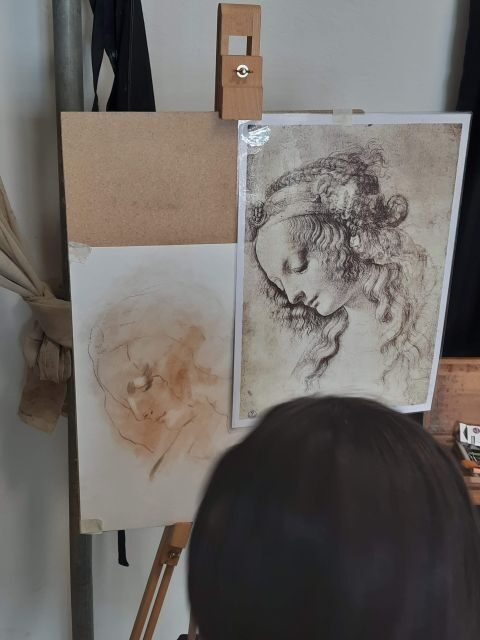
Your day begins at the glass door of Geko Art Studio. That detail might seem minor, but studios can be easy to miss in Florence if you arrive without a plan. If you’re walking over, give yourself a little buffer and orient early so you’re not rushing in with sketching stress.
The schedule is arranged with the office after you book. You can normally pick between 10:00–13:00 or 14:00–17:00, and sometimes an evening slot like 17:30–20:30 is available. That flexibility is useful when your mornings are packed with museums and your afternoons are for neighborhoods, gelato, and long walks.
Also, transportation from and back to the atelier is not included. The studio is a straightforward walk from the center (around 32 minutes on foot, based on past participant feedback). If you prefer not to drag your energy across town, plan for a taxi or a longer day where you’ll happily “earn” the session with a walk.
Your Supplies: Sanguine, Sepia, and Charcoal (Plus the Easel)
This is one of the easiest parts to appreciate up front: you don’t show up empty-handed. The class includes the full drawing kit you need to follow along, including an easel, paper supports, pencils, a sanguigne pencil, charcoal, and an eraser.
The real value here is not just having tools. It’s using them properly. Each medium changes the look of the drawing and affects how you correct mistakes. Charcoal tends to help with deeper darks and expressive texture. Sanguine and sepia tones are often used to build warm, tonal structure. You’re learning how Leonardo-style marks relate to the effect you see.
If you’ve never worked with charcoal, you might expect it to be hard to control. It can be messy at first. The benefit of a guided studio class is that you’re taught step-by-step while the instructor can nudge your hand position, your pressure, and your sequence.
And because you’ll be using the materials on-site, you’re not stuck trying to recreate a method later with the wrong supplies. That’s a common problem with art workshops: you spend money, then you go home to a half-matching kit and wonder why the results feel different. Here, you learn with the real setup.
The Step-by-Step Sketch Process: How the Drawing Comes Together
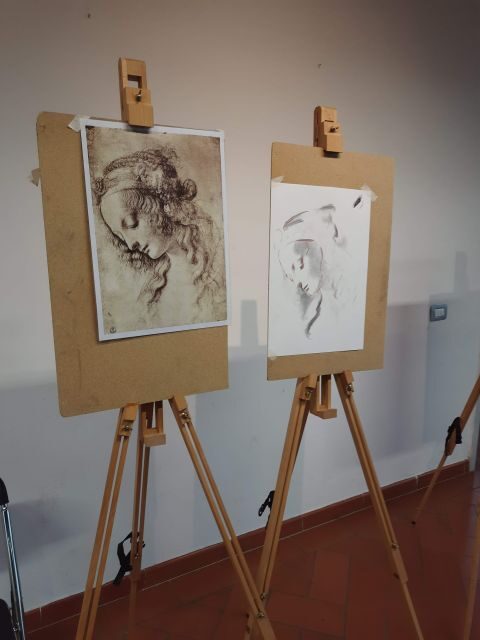
The heart of the experience is a guided process where you reproduce one famous Leonardo sketch. The instruction is traditional and sequential, meaning you don’t jump straight to details. You build the drawing in stages, using the right medium at the right moment.
You’ll get historical and cultural notes during the session as well. That’s important because it helps you understand why certain decisions might matter in Renaissance drawing. Even if you’re not memorizing dates, you’ll still benefit from the bigger picture: Leonardo was observant and methodical, and you can feel that approach in the pacing of the class.
You should also know this is designed for all skill levels. No prior drawing experience is required. That doesn’t mean it’s casual. It means you’re not being graded on talent. You’re being taught craft.
A big plus of a private group format is that the instructor can adjust pacing if you need extra time on a particular step. You also get more chances to ask questions without feeling like you’re interrupting a bigger class. If you’ve ever been in a workshop where you’re watching someone else and hoping you’re doing it right, this format is more comfortable.
Renaissance Context While You Draw: Turning Marks Into Meaning
A drawing lesson can go in two directions. It can become a copy-and-paste activity, or it can become a study of how art thinking works. This experience aims for the second one.
As you work, you receive information about the Renaissance period and Leonardo da Vinci’s life. That context helps you connect what you’re doing with why those techniques mattered. For example, when you learn how to use different tonal tools, it becomes easier to understand how Leonardo built depth: not just by adding detail, but by shaping light and shadow with the materials he trusted.
This is especially valuable if you’re visiting Florence with museum plans already booked. A museum can show you finished works, but it doesn’t always show the decision-making behind the image. A studio class fills that gap. It gives your eyes a new lens for what you see later in galleries and churches.
And it makes the session feel more like a real conversation rather than a one-way lecture. You’re drawing the whole time, so history is not sitting on a stage. It’s standing beside your paper.
- Tuscany Day Trip from Florence: Siena, San Gimignano, Pisa and Lunch at a Winery
★ 5.0 · 21,634 reviews - The Best tour in Florence: Renaissance & Medici Tales – guided by a STORYTELLER
★ 5.0 · 12,316 reviews

Coffee Break and Hands-on Momentum
The class includes a coffee break with cookies, water, and juice. The timing isn’t spelled out in advance, but you can plan for it to happen during the 3-hour session.
That matters more than you might think. Drawing is physically steady work. Your eyes get tired. Your wrist gets tense. A short break keeps you from losing focus halfway through, especially if you’re newer to charcoal or blending tone.
You’ll want to treat the second half of the class like a continuation, not a restart. When people leave a session early (or take breaks too long), their drawings often stall. With a planned coffee stop, you’re less likely to “drop the thread” and more likely to finish the sketch with confidence.
Price and Value: Is $182 Worth It?
The price is $182 per person for a 3-hour experience. That’s not a bargain-basement workshop price, but it’s also not a gallery-ticket price either.
Here’s what helps justify the cost. You’re paying for:
- Guided instruction through the full sketch process
- All drawing materials needed for the class, including paper supports, charcoal, and sanguine tools
- A coffee break (cookies plus drinks)
- A private group studio setup
If you’ve ever tried to buy your own charcoal, paper, and tools and then learn alone from a video, you know how quickly it gets frustrating. Art materials are part of the process, not just part of the experience. And you’re not just learning techniques in theory. You’re using them while someone can correct your approach in real time.
Two costs are not included: transport to and from the studio, and any shipping cost if you want artwork handled that way afterward. If you’re only in Florence for a short stay, the transport piece is something to factor in when you pick your meeting time and plan your day.
Languages and Teaching Style: English, Italian, and Spanish
The instructor teaches in English, Italian, and Spanish. That’s a big practical advantage in Florence, where your plans might be a mix of languages depending on where you’re going and who you’re with.
Because instruction is step-by-step, language matters less for vocabulary and more for clarity of technique. You’ll benefit most from understanding the order of actions: how to set tones, how to build form, and how to use erasing and correction without ruining the drawing.
From the tone described by past participants, the studio teaching style tends to be supportive and encouraging. If you’re worried you’ll feel awkward holding charcoal for the first time, this is the kind of class where you’re more likely to feel guided than judged.
Who This Class Is Best For (and Who Might Skip It)
This is for you if you want something active in Florence. You’ll enjoy it whether you love Leonardo already or you’re just curious about how Renaissance artists worked. It’s also ideal if you like hands-on learning more than listening in museums.
You’ll especially like it if:
- You want a structured way to draw rather than a blank page and hope
- You’re interested in traditional materials and how they change results
- You want a smaller, studio-style setting with time to ask questions
It might be less ideal if:
- You strongly dislike walking to off-center locations (since transport isn’t included)
- You only want a passive experience with no pressure to focus for a full block of time
- You’re hoping for a guided tour of Florence streets as part of this program (this is a studio workshop)
Should You Book Florence: Leonardo Drawings?
If you want an art experience that’s not just sightseeing, I’d say yes. The combination of hands-on drawing with Leonardo-style materials and real context is exactly the sort of activity that makes your Florence trip feel personal.
Book it if you’re willing to commit to the 3-hour rhythm and enjoy learning a craft you can actually use later. The fact that materials and instruction are included makes it low-stress to try, even if you’ve never drawn well before.
Skip it only if you’re short on time, unwilling to walk to the studio, or looking for something broader like a full-day tour. For a focused half-day creative reset, this is a strong fit.
FAQ
What is included in the Leonardo drawings class?
You get the full set of drawing materials, including an easel, paper supports, pencil, sanguigne pencil, charcoal, and an eraser. The class also includes a coffee break with cookies, water, and juice.
How long is the experience?
The experience lasts 3 hours.
Do I need drawing experience?
No. The lesson is designed for all skill levels, and teachers guide you step by step, so you can join even if you’re a beginner.
What languages are available for the instruction?
Instruction is offered in English, Italian, and Spanish.
Is transport to and from the atelier included?
No. Transport from and to the atelier is not included.
Is the studio wheelchair accessible?
Yes, the experience is listed as wheelchair accessible. It’s also set up as a private group.
More Tour Reviews in Florence
- Tuscany Day Trip from Florence: Siena, San Gimignano, Pisa and Lunch at a Winery
★ 5.0 · 21,634 reviews - The Best tour in Florence: Renaissance & Medici Tales – guided by a STORYTELLER
★ 5.0 · 12,316 reviews