REVIEW · SAN GIMIGNANO
Frantoio di San Gimignano: oil mill tour and tasting
Book on GetYourGuide →Operated by SuprEvo - Museo dell'olio · Bookable on GetYourGuide
Olive oil gets a lot more interesting.
At Frantoio di San Gimignano, you’re not just watching a process—you move through it with interactive multimedia panels and hands-on stops that make the olive oil world make sense fast. It’s set in the green hills of Tuscany, near the medieval charm of San Gimignano, so you get that mix of place and product in one tidy visit.
What I like most: the tour uses smart, modern tools (including multitouch stations and virtual reality points) to explain everything from olives to the final oil you’ll taste. I also really appreciated the tasting itself, because it’s not only a pour-and-go moment; you get a guided, technical explanation and it comes with typical Tuscan bread. One drawback to keep in mind: this is a 1.5-hour experience, so if you’re craving a long, traditional, labor-heavy mill session, you may wish it ran longer.
You’ll also feel the place is designed for families, not just adults. The visit is built around the five senses—sight, sound, touch, smell, and taste—so kids usually stay interested, and adults get the story without it turning into a lecture.
In This Review
- Top reasons I’d put Frantoio di San Gimignano on your list
- The Frantoio di San Gimignano format: why it works in 1.5 hours
- Walking into the mill: interactive panels and a hands-on production feel
- The tasting portion: what you should actually pay attention to
- The sensory approach: five senses, not just information
- The shop after the tour: what’s worth a second look
- Price and value: is $23 fair for what you get?
- Who this is best for (and who might prefer something else)
- Practical tips before you go
- Should you book this tour?
- FAQ
- How long is the Frantoio di San Gimignano oil mill tour and tasting?
- What does the tour include?
- Is the tasting included?
- What languages are the live tours available in?
- Is transfer to the museum included?
- What’s the cancellation policy?
Top reasons I’d put Frantoio di San Gimignano on your list
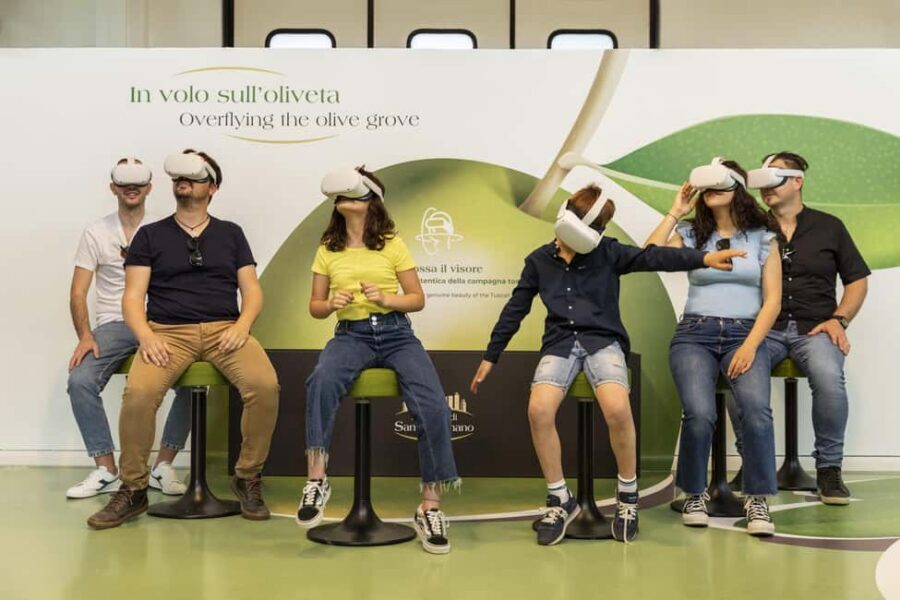
- Interactive olive-oil storytelling with multimedia panels, VR stations, and multitouch lecterns
- A production-site walk where you can see machinery and meet the people who make the oil
- A tasting that explains what you’re tasting, not just what you’re drinking
- Bread plus extra virgin olive oil from the mill, with a guide-led technical walkthrough
- A shop experience built around olive oil, with options in oil, gastronomy, and even cosmetics
The Frantoio di San Gimignano format: why it works in 1.5 hours

This tour is built to fit real travel schedules. You’ve got about 1.5 hours, and it stays packed with meaning. The trick is that it mixes learning and movement: you watch and tap through interactive displays, then you go see production areas, then you finish with tasting.
The olive oil world can sound abstract before you’re there. Here, you’re guided through the steps in a way that connects the olive to the end result in your glass. The result is that you leave with a simple mental model of how extra virgin olive oil becomes what it is—flavor, quality, and properties explained in plain language with a professional tasting approach.
If you want maximum value, arrive ready to slow down. The tasting is the part that will stick with you most, but only if you pay attention to the guide’s cues and compare oils based on what you notice (not what you guess).
You can also read our reviews of more food & drink experiences in San Gimignano


Walking into the mill: interactive panels and a hands-on production feel
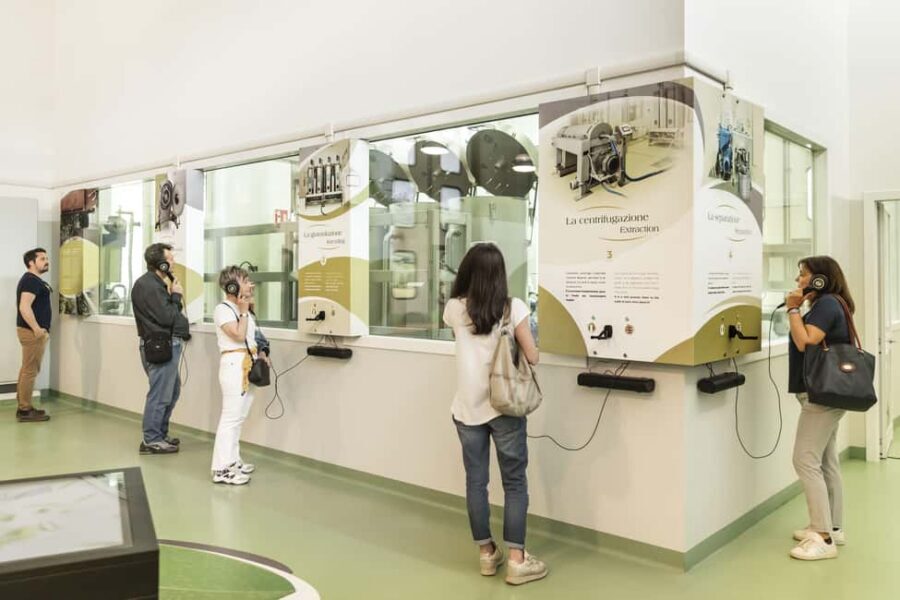
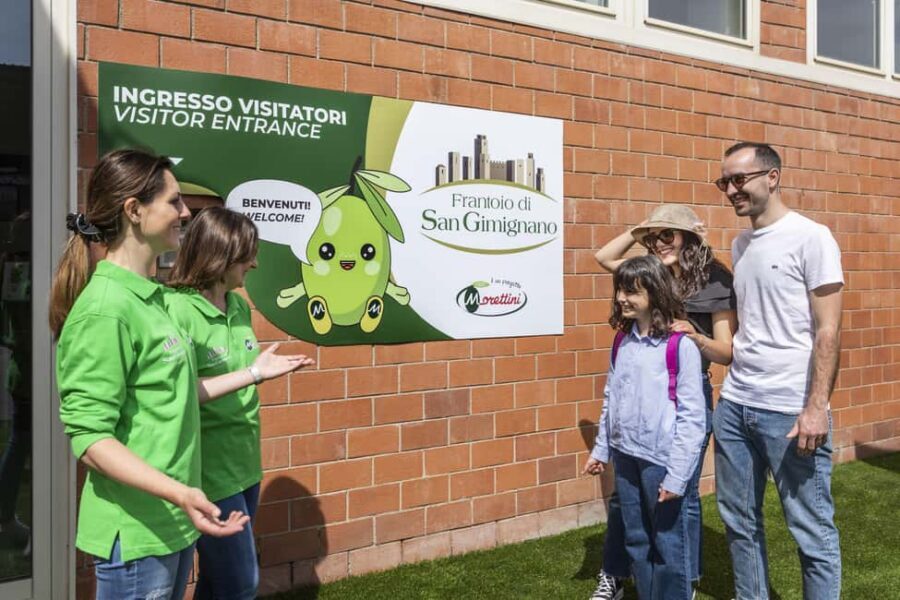
Inside, the tour’s main idea is clear: the oil mill isn’t only a factory. It’s a place of flavors, knowledge, curiosity, and (yes) old traditions plus modern technology.
You start by getting oriented through the multimedia tour, which uses interactive panels and special stations to tell the story behind olive oil. You’ll see displays designed to get you participating, including virtual reality points and multitouch lecterns. That matters because olive oil is usually discussed in slow, technical terms—here, it’s turned into a guided experience you can follow without needing prior expertise.
Then comes the part many people enjoy most: the walk in production spaces. The visit includes the chance to walk in the production sites, admire the machinery, and meet the millers. That’s where the learning stops being theory. You can connect what you saw on the screens to what’s actually happening in the mill.
One practical note: this isn’t described as a full-day industrial walk. It’s more like a well-paced circuit. If you’re the type who loves getting extremely detailed about equipment, you’ll still get real sightlines, but expect a curated, time-friendly path.
The tasting portion: what you should actually pay attention to
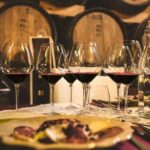
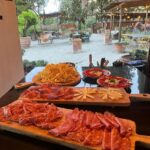
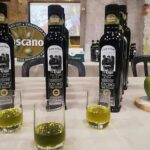
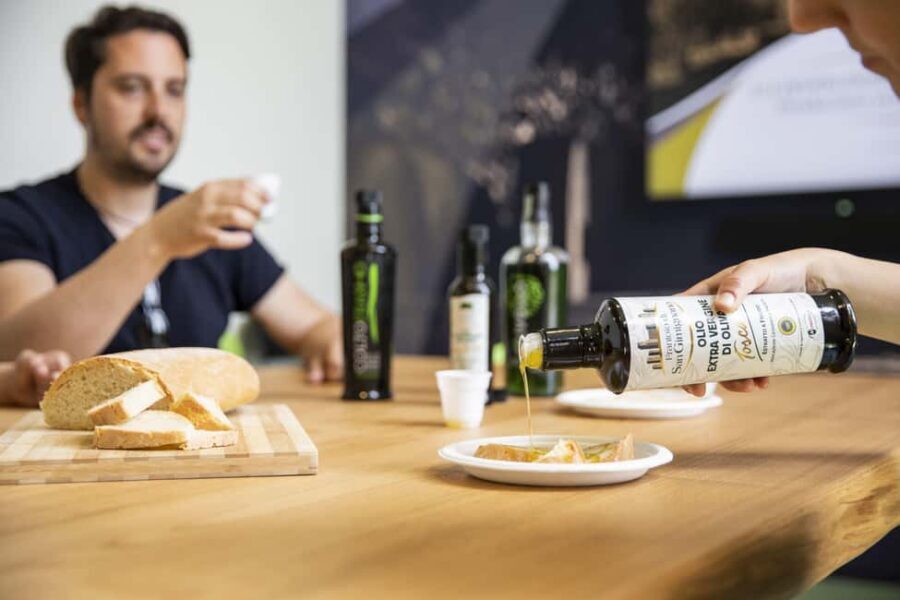
The tasting is a highlight for a reason. You don’t just get olive oil on bread and move on. The tour includes extra virgin olive oil produced by the mill, served with typical regional bread, plus a technical explanation from the guide about the different properties.
When you’re tasting, don’t treat it like a casual sip. The guide’s notes are meant to help you understand differences you might otherwise miss. Pay attention to how the oil tastes and how it feels—think balance, intensity, and the flavors you notice on the way in, not just after you swallow. The tasting is built to train your palate in a short time, which is great if you’re new to olive oil or if you’ve only ever bought whatever was on sale.
Also, since you’re in a production site, the tasting has a clear payoff: you’re tasting the product from the place you just toured. That makes it easier to trust what you’re learning. And because it’s guided, you’re less likely to overthink it or end up with a random shopping list.
The sensory approach: five senses, not just information
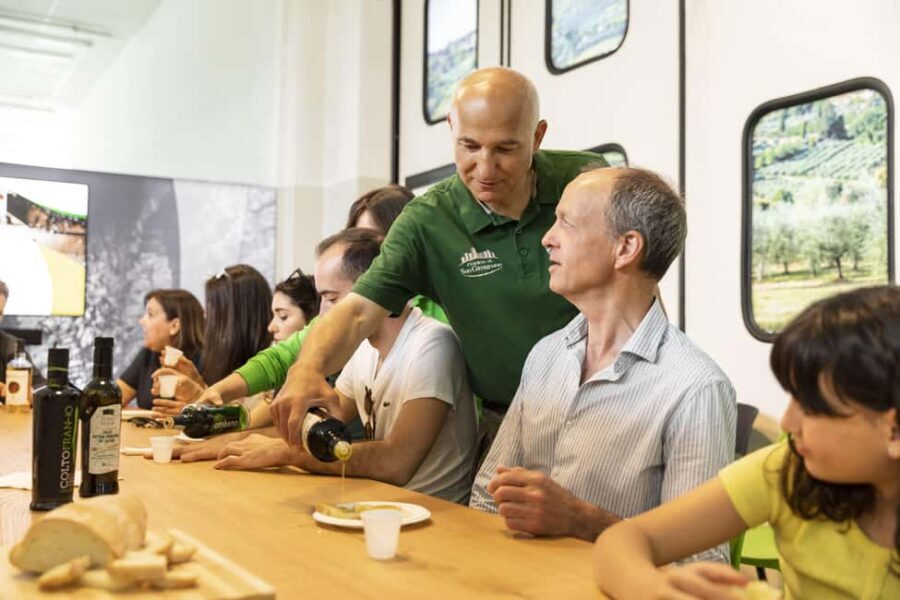
This tour is designed around the idea that the five senses help you remember. You’ll encounter stories and explanations, sure—but they’re paired with interactive media and real-world production viewing, then backed up with tasting.
That structure helps in two ways for you:
- You learn faster because you’re connecting words to visuals and visuals to the actual oil.
- You remember longer because taste is the final hook. Even if the multimedia part feels like a lot at first, the tasting is what turns it into something you can carry home.
For families, this approach usually works better than a classic museum format. For adults, it keeps the visit from feeling like a long slideshow. The goal is a playful educational journey, and the tour’s timing suggests they’re not trying to exhaust you with facts.
The shop after the tour: what’s worth a second look

The tour includes access to the shop experience, and that matters because olive oil shopping is where learning becomes action. The Frantoio di San Gimignano shop is organized around three categories: Oil, Gastronomy, and Cosmetics—all centered on olive oil.
You can browse oil labels from the mill, and the setup also includes tasting opportunities. The info specifically says you can request a free tasting of certain oil labels in the shop, so if you’re deciding what to take home, this is your chance to compare.
What I’d watch for when you shop:
- If you’re buying for cooking, you might want one bottle that tastes smooth and versatile.
- If you’re buying for finishing dishes, you might want something that shows more character when you taste it on bread.
- If you’re buying gifts, look for the gastronomy items made with olive oil, not just plain bottles.
Since the shop includes cosmetics too, it’s a good stop for travelers who like practical souvenirs. You can leave with something useful—edible or otherwise—without needing to hunt across town.

Price and value: is $23 fair for what you get?

At $23 per person for about 1.5 hours, this tour is priced like a focused museum-and-tasting experience, not a full-day countryside production day. The value comes from the mix of three things you typically pay for separately: a guided tour, interactive installations, and a tasting session with technical explanation.
Here’s why that matters:
- If you only did a self-guided exhibit, you’d miss the guided tasting portion and the explanation about olive oil properties.
- If you only did a tasting, you’d miss the context that helps you understand why one oil tastes different from another.
- If you only watched the production, you might not get the sensory training that turns tasting into knowledge.
Also, the tour includes tasting-related elements and additional products based on the mill’s extra virgin olive oil. You’re not just consuming; you’re learning in a compact format.
One thing to keep in mind: transfer to the museum is not included, so factor in how you’ll get there. If you’re already in the San Gimignano area, that’s usually simple. If you’re coming from elsewhere, plan your route early so this doesn’t turn into a stress detour.
Who this is best for (and who might prefer something else)

I’d say this fits best if you want:
- A short, well-structured olive oil experience
- Interactive learning (especially if you’re traveling with kids)
- A guided tasting where you get help understanding what you’re tasting
It’s also a strong pick if you’re a first-timer. You don’t need to know olive oil jargon because the tour is built to explain and demonstrate.
If you’re an olive oil fanatic who wants a very long production-only tour with lots of time for technical deep detail, you might feel the pacing is intentionally compact. But for most travelers, the blend of multimedia, production-site viewing, and tasting is exactly the sweet spot.
Practical tips before you go

- Plan to give the tasting your full attention. The technical part matters, and it’ll help you shop smarter afterward.
- Wear comfy shoes. You’ll be moving through production spaces and interactive areas for the full circuit.
- If you’re sensitive to strong smells, keep in mind that olive oil has a distinct aroma profile. It’s part of the five-senses design, so don’t assume it’ll be subtle.
- Go in hungry enough for bread and tasting, but not so stuffed that everything tastes muted.
Should you book this tour?
Book it if you want a smart, time-friendly introduction to olive oil that ends with a guided tasting and real production context. The interactive multimedia adds speed to the learning, and the tasting with technical explanation helps you leave with knowledge you can actually use when you buy oil.
Skip it only if you specifically want a long, old-school, hands-on industrial tour without multimedia elements, or if your priority is shopping alone. For most visitors to Tuscany who want one good, central experience tied to something truly local, Frantoio di San Gimignano is a solid bet.
FAQ
How long is the Frantoio di San Gimignano oil mill tour and tasting?
The experience lasts about 1.5 hours.
What does the tour include?
It includes a tour to the oil mill with interactive multimedia installations, an olive oil tasting session with professional technique, tasting of gastronomic products based on the extra virgin olive oil, and shop time with olive oil, gastronomy, and cosmetic specialties based on olive oil.
Is the tasting included?
Yes. The tour includes an olive oil tasting session, plus tasting of gastronomic products based on their extra virgin olive oil.
What languages are the live tours available in?
The live tour guide is available in English and Italian.
Is transfer to the museum included?
No, transfer to the museum is not included.
What’s the cancellation policy?
You can cancel up to 24 hours in advance for a full refund.