REVIEW · SAN GIMIGNANO
Golden Grains & Gourmet Pasta Cooking Class
Book on Viator →Operated by Podere La Marronaia- Sosta Alle Colonne · Bookable on Viator
Pasta starts with grain, not shortcuts. Golden Grains & Gourmet Pasta is a hands-on class at a family-run Tuscan estate near San Gimignano, where you go from milling grains to eating what you make. In about 3 hours, you’ll learn traditional Tuscan pasta-making techniques in a rustic kitchen set among vineyards and olive groves.
I especially like two things. First, you actually use a table mill to grind three kinds of organic grains, so you understand the ingredient at the root. Second, the class includes an eat what you cook meal paired with tastings of the estate’s organic and biodynamic wines, plus extra-virgin olive oil and balsamic vinegar.
One thing to consider: at $378.16 per person, this is a splurge-style experience, so it’s best if you’re excited about learning from start to finish—not just doing a quick tasting.
Small-group feel (max 6) for more attention while you knead and shape
Milling organic grains with the estate’s table mill, not just measuring flour
Chef-led guidance through pasta dough, rolling, and shaping steps
Make-your-own sauces with fresh local ingredients to match your pasta
Estate tastings: organic/biodynamic wines plus extra-virgin olive oil and balsamic vinegar
Town-center convenience: a short walk from historic San Gimignano
In This Review
- From Town-Center Walk to Podere La Marronaia’s Vineyard Kitchen
- Milling Three Organic Grains: The Ingredient Lesson Most Classes Skip
- Kneading, Rolling, and Shaping Tuscan Pasta (With Real Guidance)
- Sauce Time: Matching Fresh Local Ingredients to Your Pasta
- Eating Your Handmade Dinner With Estate Wine and Olive Oil
- The Wine and Olive Oil Tasting: What to Taste for While You Enjoy
- Price and Value: What $378.16 Buys You Here
- Where This Works Best: Skills, Style, and Pace
- Booking Timing and What to Expect on Your Schedule
- Should You Book Golden Grains & Gourmet Pasta in San Gimignano?
- FAQ
- Where is the meeting point for the cooking class?
- How long does the Golden Grains & Gourmet Pasta class last?
- What’s included in the experience?
- Is the class suitable for beginners?
- How many people are in the group?
- Do I need to print a ticket?
- What is the cancellation policy?
- Can service animals attend?
From Town-Center Walk to Podere La Marronaia’s Vineyard Kitchen
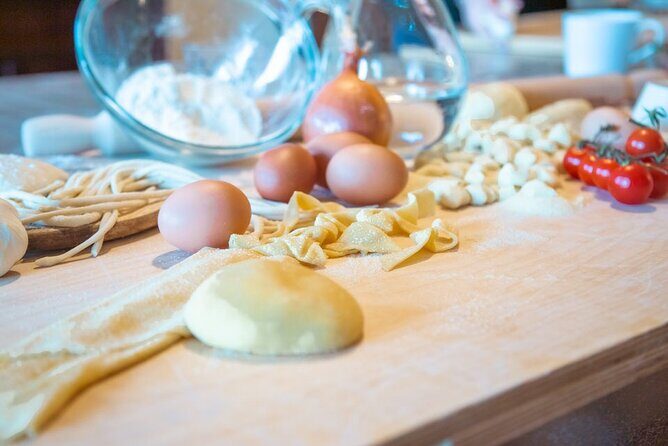
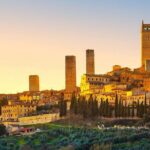
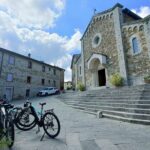
I like starting this kind of class without a lot of fuss. Your meeting point is Via Martiri di Citerna, 2, and the activity ends back there, which keeps the logistics simple. From San Gimignano’s historic center, it’s described as a short walk, so you’re not stuck planning extra transport before you even taste the Tuscan air.
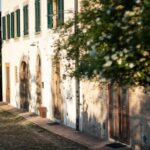
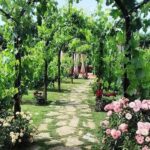
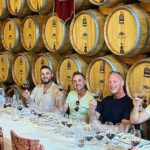
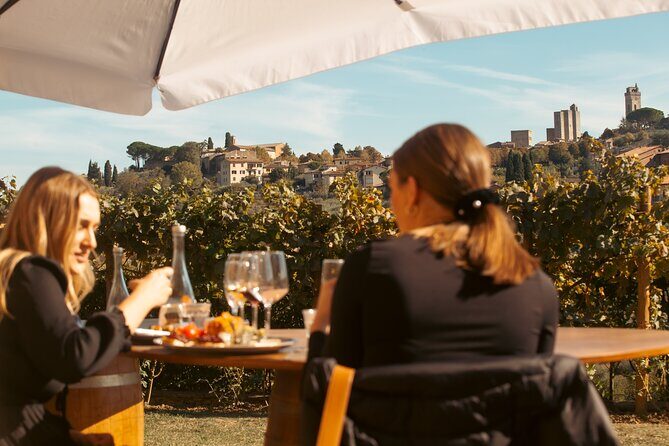
The payoff is that you don’t spend the lesson staring at a classroom wall. You arrive at a family estate—Podere La Marronaia—with vineyards and olive groves around you. That setting matters because it makes the food feel connected to the place. You’re not just learning pasta steps; you’re learning how ingredients move from field to kitchen.
The class itself runs about 3 hours, with a maximum of 6 travelers. That small group size is a big deal. More space to ask questions. Less waiting around while the dough catches up to you. And since you’re doing physical work—kneading, rolling, shaping—that hands-on attention helps your results more than it sounds like.
Milling Three Organic Grains: The Ingredient Lesson Most Classes Skip
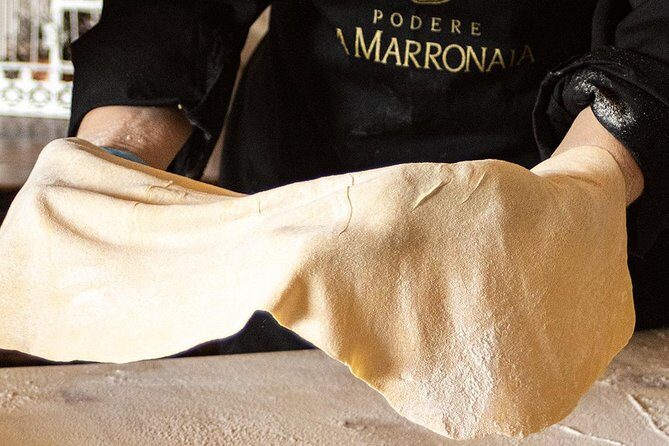
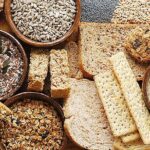
Here’s what makes this experience feel different from the typical pasta class: before you ever roll dough, you mill three different kinds of organic grains using the estate’s table mill.
I like this because it changes how you think about pasta. Flour isn’t just flour. Grain choice affects texture and the feel of the dough, and grinding it fresh can make the whole process feel more real. Even if you’re a first-timer, you’ll pick up the idea that pasta-making is part craft, part ingredient knowledge.
In practice, this milling step also sets the pace for the rest of the class. Once you’ve seen the grain transformed into usable flour, kneading stops feeling like a mysterious step you’re supposed to copy. You can pay attention to the dough’s behavior and follow the chef’s instructions with more confidence.
And because it’s estate-based—part of the family story and Tuscan traditions—it doesn’t feel like a gimmick. It feels like you’re being introduced to a real system of production and taste.
You can also read our reviews of more cooking classes in San Gimignano
Kneading, Rolling, and Shaping Tuscan Pasta (With Real Guidance)
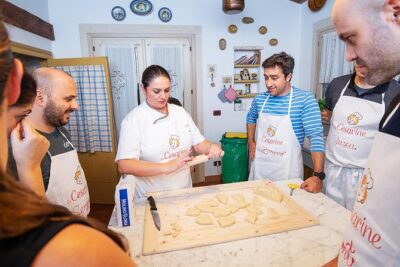
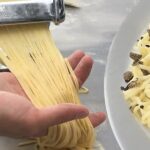
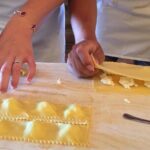
Once the flour is ready, the class shifts into the practical part you came for: hands-on kneading, rolling, and shaping traditional Tuscan pasta.
The guidance is led by expert chefs, and one detail from prior guests sticks in my mind: chef Leonardo is described as patient with novices. That matters. Pasta dough is forgiving, but you still need someone to help you read what you’re doing—how wet or dry it feels, how thick you should roll, and when a shape is tight enough to hold sauce.
You’ll make pasta from scratch, then shape different varieties. The course is built for all skill levels, so you’re not expected to arrive knowing how to fold dough or create perfect thickness. The goal is competence, not performance.
What I think you’ll appreciate most is how quickly you learn to control the process:
- Knead with purpose so the dough becomes smooth and workable
- Roll evenly so the pasta cooks consistently
- Shape with confidence so it holds up when sauced
Because the class group is small, you’re more likely to get course-correcting feedback while your hands are still on the dough. That’s the difference between leaving with a bunch of photos and leaving knowing you can make pasta again at home.
Sauce Time: Matching Fresh Local Ingredients to Your Pasta
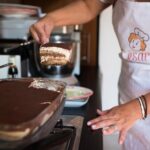
Pasta is the star, but Tuscany doesn’t do bland sides. During the class, you’ll also prepare authentic sauces using fresh, local ingredients designed to complement what you make.
I like that the sauce step isn’t treated like an afterthought. It ties the meal together. If your pasta is shaped for a certain texture—tender sheets, folded pieces, or something that traps sauce—you can see why the chef pairs it with the right ingredients.
Even without a detailed list of each sauce type in the provided info, the structure is clear:
- You craft the pasta
- You cook a sauce with local ingredients
- You eat the pasta you made with the sauce you helped prepare
That flow is practical. It teaches you how pasta and sauce work as a system, not two separate cooking tasks.
Eating Your Handmade Dinner With Estate Wine and Olive Oil
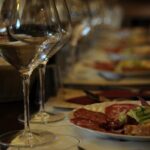
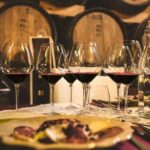
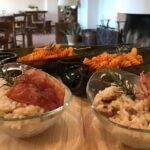
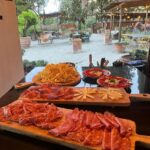
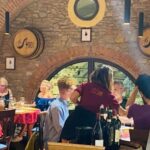
After the cooking, the best part is what usually gets rushed in kitchen experiences: sitting down and actually enjoying it. Your meal is served in a charming setting at the estate, paired with the tastings that make the food taste bigger.
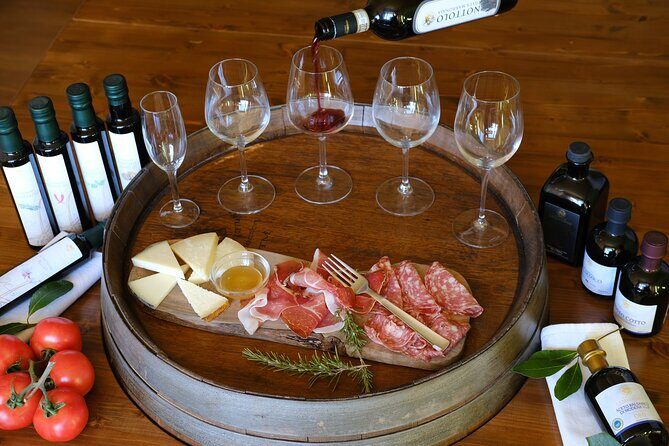
The tasting includes:
- Organic and biodynamic wines from the estate
- Extra-virgin olive oil
- Balsamic vinegar
I like olive oil and balsamic tastings here because they make your pasta meal more educational than just celebratory. You get to taste the ingredients that Italian cooking relies on, and you can connect flavors you recognize on a plate to specific producers and products.
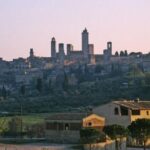
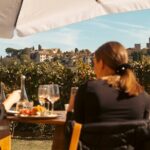
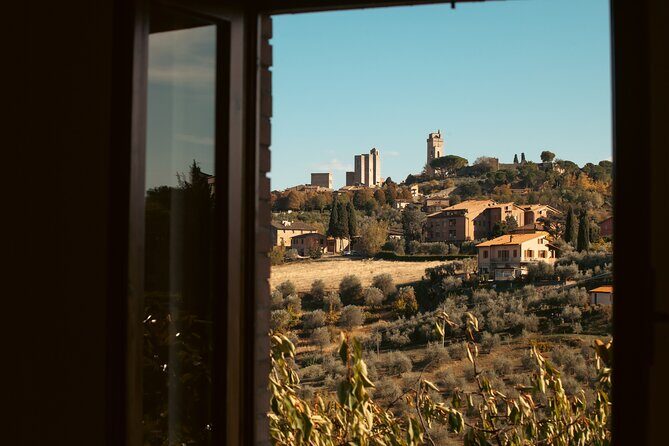
Also, the scenic setting—vineyards and olive groves, with views of San Gimignano—doesn’t hurt. Even if you don’t treat it as a reason to book, it makes the experience feel like a proper evening in the countryside rather than a stop-and-go activity.
The Wine and Olive Oil Tasting: What to Taste for While You Enjoy
This class doesn’t present wine as a checklist. It’s part of the meal. Still, there are smart ways to pay attention so you get value from the tasting.
For the estate organic/biodynamic wines, listen with your nose first. Then note how the wine feels with the pasta: does it soften acidity after a rich bite, or does it sharpen flavors? Since you’re eating what you made, you can compare sauce-to-wine pairing in a grounded way.
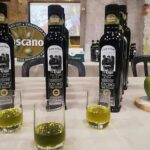
For extra-virgin olive oil, pay attention to texture. Good olive oil isn’t just about taste; it has a feel—sometimes peppery, sometimes buttery, often both depending on how it’s made. With pasta, it can act like a flavor amplifier.
For balsamic vinegar, think about balance. It should add depth without swallowing the rest of the dish. If you find it strong on its own, that usually means it’s meant to work in the same way it does in Tuscan cooking: in the right amount, on the right pasta, at the right time.
This tasting portion is exactly the kind of add-on that can be forgettable in other experiences. Here it has context because you’re still in cooking-mode.
You can also read our reviews of more tours and experiences in San Gimignano


Price and Value: What $378.16 Buys You Here
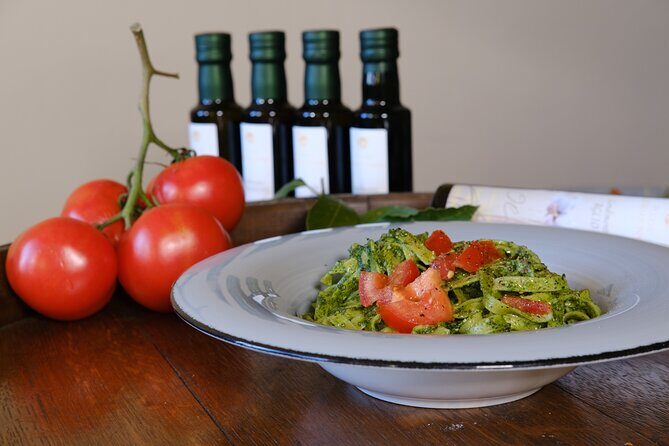
Let’s talk money without the sugarcoating. $378.16 per person is not a cheap cooking class.
So what justifies the cost?
- You get true hands-on instruction for about 3 hours
- You grind organic grains on-site with the estate’s table mill
- You make pasta from scratch and prepare sauces with fresh local ingredients
- You sit down to a full meal you helped produce
- You get wine and food tastings with estate organic/biodynamic wines, plus olive oil and balsamic
It’s closer to a private-feeling, farm-to-table education than a quick demonstration. The small group max of 6 also supports that value, because it’s easier for the chef to interact and correct technique in real time.
If you’ve been doing a lot of big-ticket sightseeing already, this one might feel like a splurge. But if your trip includes food as a main theme—or you want a skill you can repeat—this is the kind of experience that can pay you back for years.
Where This Works Best: Skills, Style, and Pace

This class is a great fit if:
- You want more than a tasting and actually want to learn the steps
- You’re comfortable getting hands-on in a kitchen setting
- You like the slow-food approach where ingredients matter
- You want a small-group experience instead of a crowded room
It also works well for beginners. The class is described as suitable for all skill levels, and prior guests specifically praised the patience of chef Leonardo while teaching novices.
One practical style note: because it’s a cooking experience on an estate, you’ll want to dress for kneading and possible flour dust. I’d treat it like a workshop, not like a casual dinner stroll.
Booking Timing and What to Expect on Your Schedule
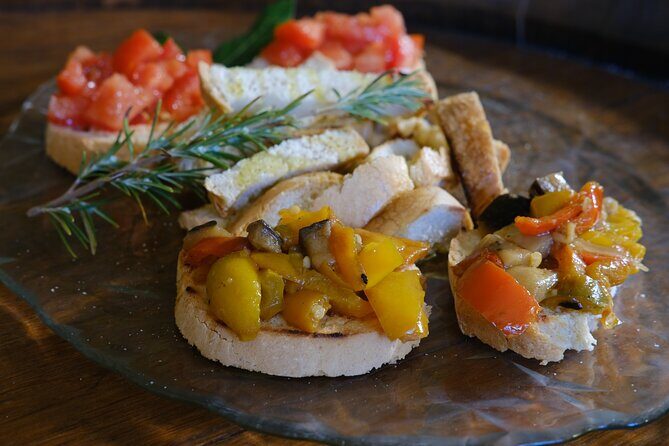
You’ll usually book about 23 days in advance on average, which suggests it’s popular enough that dates can fill. Confirmation happens within 48 hours of booking, subject to availability. A mobile ticket is used, which is handy once you arrive in San Gimignano and don’t want to hunt for paperwork.
If you’re planning around restaurant reservations or day trips, keep the 3-hour window in mind. This class is designed as a complete arc—grind, cook, eat, taste—so I wouldn’t stack it with another activity that relies on fast transitions.
Weather isn’t specified in the provided details, so I won’t promise an outdoor-only experience. But since you’re on a countryside estate with views, it’s wise to assume you may spend at least part of the time in an open-air feel.
Should You Book Golden Grains & Gourmet Pasta in San Gimignano?
I’d book it if you want a real skill and a real meal in the same package. The combination of milling organic grains, learning dough technique, making sauces, and then tasting estate organic/biodynamic wines with extra-virgin olive oil and balsamic vinegar is unusually complete for a cooking class in this price range.
Skip it (or reconsider) if you’re looking for the cheapest way to say you took a pasta class. At $378.16, you’re paying for more than hands-on cooking—you’re paying for the estate setting, the grain-to-plate process, and the small-group instruction.
If pasta is on your must-do list for Tuscany, this is one of the more thoughtful ways to experience it.
FAQ
Where is the meeting point for the cooking class?
The meeting point is Via Martiri di Citerna, 2, 53037 San Gimignano SI, Italy.
How long does the Golden Grains & Gourmet Pasta class last?
The experience lasts about 3 hours.
What’s included in the experience?
You’ll learn to make traditional Tuscan pasta from scratch, including milling grains, kneading, rolling, and shaping. You’ll also prepare sauces with fresh ingredients and enjoy your handmade meal paired with tastings of organic and biodynamic wines, extra-virgin olive oil, and balsamic vinegar.
Is the class suitable for beginners?
Yes. The experience is described as suitable for all skill levels, and it’s guided by expert chefs.
How many people are in the group?
The class has a maximum of 6 travelers.
Do I need to print a ticket?
No. This activity uses a mobile ticket.
What is the cancellation policy?
Free cancellation is available up to 24 hours in advance for a full refund.
Can service animals attend?
Yes, service animals are allowed.