REVIEW · SAN GIMIGNANO
Traditional Cooking Class in San Gimignano
Book on Viator →Operated by Tenuta Guardastelle - Agriturismo and vineyard · Bookable on Viator
You’ll smell Tuscany before you even start.
This pasta-making class at Tenuta Guardastelle turns a winery visit into a real, hands-on food day: make dough for tagliatelle, learn a classic ragù approach, and finish with chicken cacciatore and chocolate lava cake. I especially like that you’re not just watching. You’re doing the work, then sitting down to eat what you made.
I also like the small-group feel and the setting. With a maximum of 12 travelers and a central meeting place at Tenuta Guardastelle, the day stays friendly and practical. The only drawback to note: since it’s a working kitchen plus a winery routine, you should expect a schedule that doesn’t leave much room for wandering off early.
In This Review
- Key things to know before you cook
- Tenuta Guardastelle: the winery setting that makes the class feel special
- Getting started: meeting your chef and setting up for real pasta work
- What you’ll cook: tagliatelle dough, ragù, cacciatore, and lava cake
- Tagliatelle and the pasta-dough basics
- Ragù: learning the sauce you’ll actually remember
- Chicken cacciatore: the second savory anchor
- Chocolate lava cake: ending with a made-for-you dessert
- Dietary needs and allergies: tell them early
- How the meal fits: lunch, dinner, and wine without time pressure
- Central meeting point and small-group pacing: the practical side
- Price and value: is $195.18 per person fair for what you get?
- Tips to get the most from your pasta class in San Gimignano
- Who should book this cooking class (and who might not)
- Should you book Tenuta Guardastelle’s pasta class?
- FAQ
- What dishes are included in the cooking class?
- How long is the experience in San Gimignano?
- Is the class offered in English?
- Is there a limit on group size?
- Can the menu be adjusted for allergies or diet?
- What’s included in the price?
Key things to know before you cook
- Small group (max 12) means more time at the pasta machine and fewer bottlenecks at the counter
- English is available, so you can actually follow the why behind the technique, not just the what
- Take-home recipes and an apron are included, so you can repeat the dishes later
- Allergy and diet adjustments are possible if you tell them ahead of time (vegetarian/vegan too)
- Lunch and dinner are both included, so plan to eat well and bring your appetite
- Vernaccia and Chianti from the estate show up alongside a welcome drink, which makes the meal feel complete
Tenuta Guardastelle: the winery setting that makes the class feel special
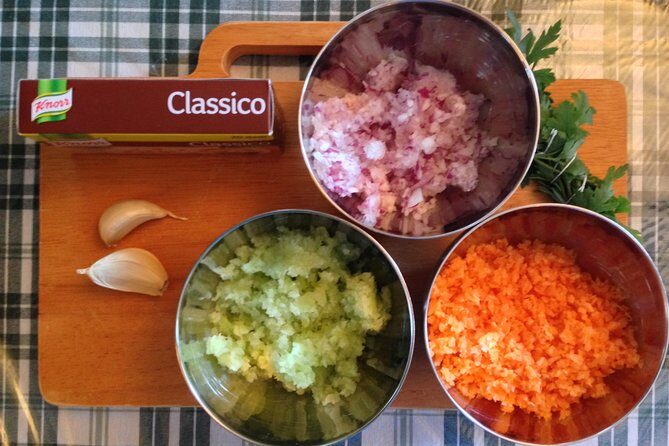
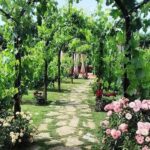
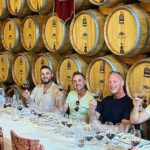
Tenuta Guardastelle isn’t just a backdrop. It’s the reason the day has the right pace. You arrive at the estate at Loc. Sovestro, and you’re immediately in a Tuscan rhythm: vineyards, farm life energy, and that calm “work and then celebrate” mood.
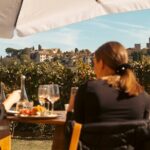
The format also helps. A boutique winery setting keeps things orderly—kitchen gear is ready, staff can move you through each stage, and you’re not shuttled across town to chase the experience. One review even described being escorted out to a table on a terrace with countryside views when lunch was ready. That detail matters, because you don’t lose the holiday vibe between cooking steps.
If you’re the kind of person who likes food and the place where food is made, this setting hits the sweet spot. If you’re only after a quick souvenir photo, you’ll likely find the hands-on part more intense than you expected.
You can also read our reviews of more cooking classes in San Gimignano
Getting started: meeting your chef and setting up for real pasta work
Right away, you’ll get oriented in the kitchen space at Tenuta Guardastelle. You’ll receive an apron and you’ll also get recipes to take home, which is a big deal for something you’re paying for. Too many classes teach you just enough to make you forget details later. Here, you leave with a roadmap.
Then you’re moving to ingredients and technique. Depending on the session, you may cook with Chef Beppe or Chef Federico, and both come through in the reviews as entertaining and focused on teaching. Expect explanations that connect the “feel” of dough and sauce to outcomes you can taste.
And yes, there’s a wine moment. One review mentioned a welcome glass of prosecco as people arrived. It’s a small touch, but it signals the tone: you’re here to learn, then enjoy.
What you’ll cook: tagliatelle dough, ragù, cacciatore, and lava cake
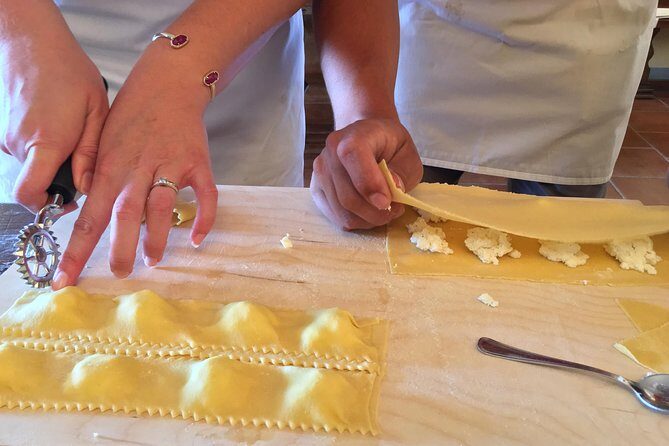
The core promise is hands-on cooking for multiple dishes, and the menu is built around classic Tuscan comfort food. Here’s how the day’s cooking tends to unfold, and why it’s worth your time.
Tagliatelle and the pasta-dough basics
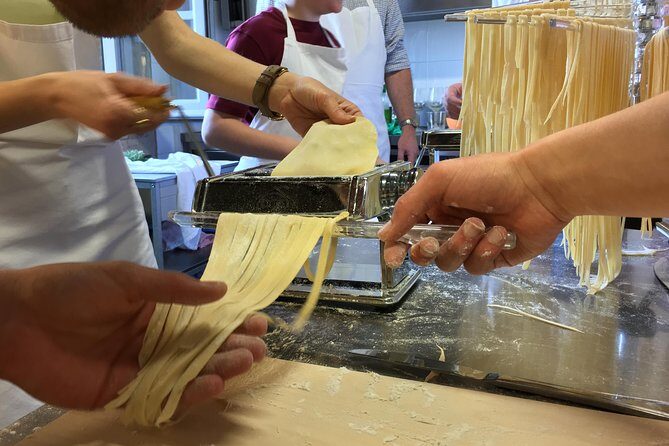
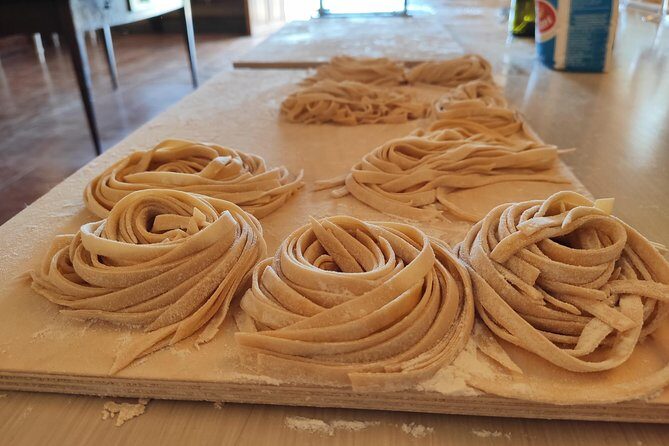
You’ll work with pasta dough and use it for tagliatelle. Even if you’ve made pasta before at home, the value is in how you approach it here: texture, timing, and how to treat the dough so it rolls well and holds up with sauce.
There’s also a pasta machine included, along with the utensils you need. That removes the biggest friction for beginners. You’re not improvising with random gear; you’re learning with the right tools.
In some sessions, you might also make additional pasta shapes beyond tagliatelle (reviews mention forms like mezzelune and tortelloni). If that happens, you’ll get extra practice with folding and stuffing—still centered on classic Italian method.
Ragù: learning the sauce you’ll actually remember
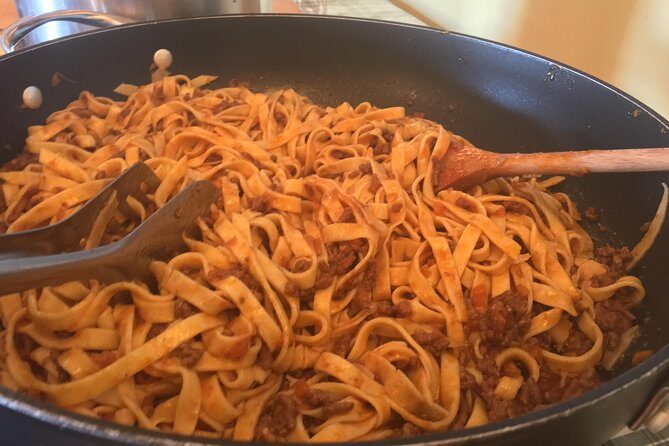
You’ll make homemade ragù to go with your pasta. Ragù sounds simple until you see how much it depends on steady attention and good flavor layering. That’s where a good chef helps: not by lecturing, but by showing what to adjust as you go.
One review specifically called out beef ragout with Chianina beef, which tells you the estate leans into high-quality local ingredients when possible. Even if every class variation uses the same general ragù idea, the technique you learn—browning, building flavor, and giving it time—is what stays with you.
You can also read our reviews of more tours and experiences in San Gimignano



Chicken cacciatore: the second savory anchor
Then comes chicken cacciatore. This is the other half of the savory meal, and it gives you contrast in cooking style: sauce-thickening, simmering, and seasoning that tastes like it came from a real family kitchen.
If you’re the type who gets nervous cooking meat, this part often feels more approachable because it’s direct and forgiving compared to delicate pasta work. You’ll still learn, but you also get that payoff quickly.
Chocolate lava cake: ending with a made-for-you dessert
Finally, you’ll make chocolate lava cake. This is a smart choice for a class menu because it tests technique without being overly technical. You can usually tell right away if something is going right, and when it lands, it feels like a proper celebration meal—not a class worksheet dessert.
In the reviews, the lava cake is repeatedly described as decadent, which matches what you want at the end of a hands-on cooking marathon.
Dietary needs and allergies: tell them early
Good news: if you have allergies, intolerances, or a specific diet like vegetarian/vegan, you can tell them and they’ll adjust the menu. That’s exactly what you want in a cooking class. You’re learning techniques, not just ordering your way around food restrictions.
How the meal fits: lunch, dinner, and wine without time pressure
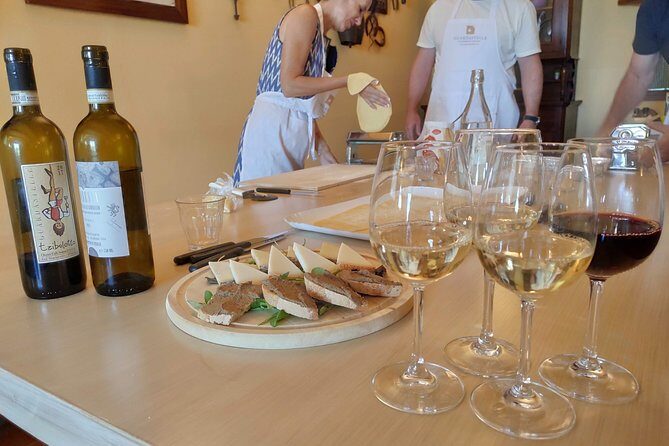
The class includes lunch and dinner prepared together during the experience. In a 4-hour window, that means your meal portion is substantial. Don’t plan on eating again right after. Plan on sleeping well later.
Here’s what I like about this setup:
- You cook and then eat immediately, which helps you remember what you just learned.
- The wines from the estate are part of the meal flow, not a separate stop.
- The table moment is designed for enjoyment, not a quick bite-and-go.
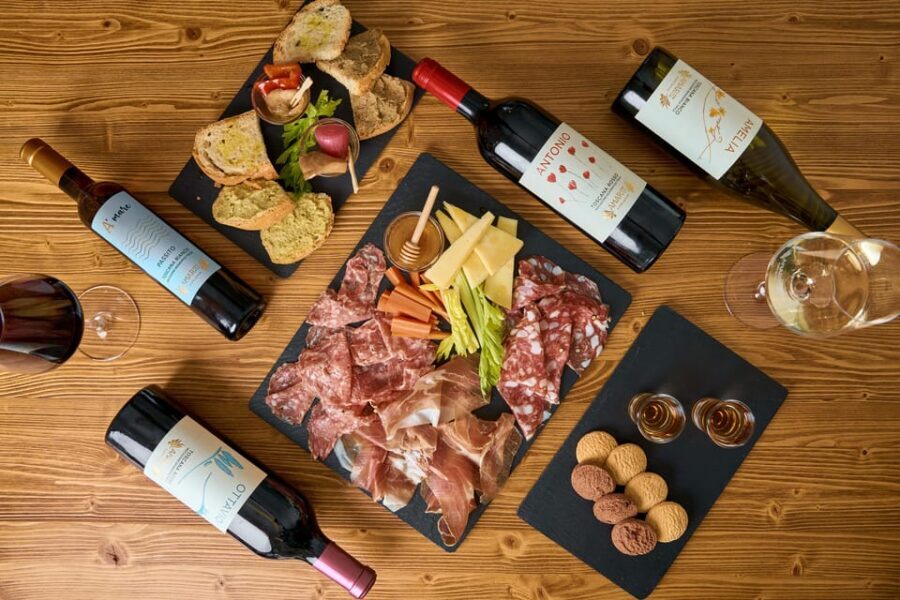
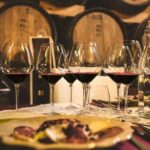
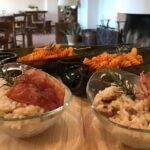
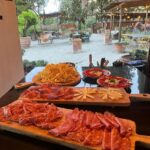
In reviews, the dining is described as being served course after course, paired with estate wines. One person mentioned Vernaccia and Chianti, both produced by Guardastelle, plus the welcome prosecco earlier in the day. That pairing matters because it turns the class into a genuine tasting experience, not just a meal with a little extra flavor on the side.
And if you’re wondering whether you’ll get enough to feel full: with both lunch and dinner included, yes—you should walk out satisfied.
Central meeting point and small-group pacing: the practical side
This experience is designed so you don’t spend your day figuring out transportation puzzles. The meeting point is at Tenuta Guardastelle, and it’s noted as near public transportation. It also says the meeting point activity ends back at the start, which keeps the day simple.
The max 12 travelers detail is more than a number. In a pasta class, it affects everything: spacing, who gets to work at the counter, and how quickly your chef can correct a dough issue. With a small group, you get more personal feedback, and the kitchen doesn’t feel like a rushed assembly line.
Duration is listed at about 4 hours. That’s long enough to learn multiple dishes and eat well, but not so long that you’ll hate your schedule halfway through.
Price and value: is $195.18 per person fair for what you get?
At $195.18 per person, it’s not a budget activity. But it’s also not just a class with snacks. You’re paying for:
- Hands-on pasta equipment (including a pasta machine)
- Utensils and ingredients for multiple dishes
- Lunch and dinner included, both made in the class
- Apron and recipes to take home
- Wine from the estate, which adds real value when it’s paired with the food you cooked
- Small group size (max 12), which supports higher-quality instruction
In other words, you’re buying a full Tuscan food day in one ticket, and you’re leaving with skills you can repeat. If your priority is learning the method and eating what you made, this price starts to make sense fast.
If your priority is only a quick pasta photo and you’d rather be out exploring the town all day, you might find it too structured.
Tips to get the most from your pasta class in San Gimignano
Here’s how to make this day work for you.
- Tell them about allergies/diet early. The menu can be adjusted, but you need to communicate ahead of time.
- Ask questions about dough texture. When the chef explains what the dough should feel like, that’s the part you’ll reuse at home.
- Go with comfortable shoes. You’ll be in a working kitchen for hours.
- Come hungry, then slow down during the meals. With both lunch and dinner included, you’ll likely overeat if you ignore pacing.
- Use the take-home recipes immediately. After you’re back, cook one thing within a week. Otherwise, the technique details fade faster than you’d expect.
Also, if you’re traveling with someone who’s skeptical about cooking classes, this one is often easier to sell because the setting, wine, and multiple dishes keep the day lively.
Who should book this cooking class (and who might not)
This class is a great match if you:
- want authentic Italian cooking focused on real technique
- like a small-group experience where you actually touch the ingredients
- enjoy wine pairings and want estate-produced bottles included in the day
- want a hands-on activity that ends with a proper sit-down meal
It might be less ideal if you:
- want a mostly sightseeing day with only light involvement
- prefer cooking classes where everything is vegetarian/vegan without needing menu adjustments
- get uncomfortable in active kitchens and would rather watch than participate
Should you book Tenuta Guardastelle’s pasta class?
If you’re choosing between a casual food tour and a hands-on cooking class, I’d book this one. The combination of pasta skills, multiple classic dishes, and the fact that lunch and dinner are included makes it feel like a full experience rather than a short demo.
Two things decide it for me: the small group size and the take-home recipes. Those are what turn the class from a fun afternoon into something you can repeat later. Add in the estate wine pairing, and it’s one of those rare tickets that delivers both learning and a true meal—without making you coordinate a long travel day.
FAQ
What dishes are included in the cooking class?
You’ll cook pasta dough for tagliatelle, make homemade ragù, prepare chicken cacciatore, and make chocolate lava cake for dessert.
How long is the experience in San Gimignano?
The class runs for about 4 hours.
Is the class offered in English?
Yes. The experience is offered in English.
Is there a limit on group size?
Yes. The class has a maximum of 12 travelers.
Can the menu be adjusted for allergies or diet?
Yes. If you have allergies, intolerances, or a specific diet such as vegetarian/vegan, you can tell them and they will adjust the menu.
What’s included in the price?
Included: all utensils and a pasta machine, lunch, dinner, apron, and recipes to take home. Wine is also part of the experience. Not included: private transportation and gratuity.