REVIEW · FLORENCE
From Florence: Cooking Class & Lunch at Tuscan Farmhouse
Book on GetYourGuide →Operated by Walkabout Tours · Bookable on GetYourGuide
Your Tuscan feast starts in Florence.
You’ll begin with a guided walk through Mercato Centrale, then you’ll head out into the countryside to cook at a Tuscan farmhouse—market ingredients in, big Tuscan flavors out. I especially like the way the day connects shopping and cooking, with guides like Luca and chefs like Carmela bringing both energy and practical technique to the table. One thing to keep in mind: the route involves uneven, steep surfaces, so it’s not a great fit for people with mobility challenges.
I love two parts the most. First, the market shopping feels like real daily life—cheese, cured meats, balsamic, olives, and seasonal produce, with help on what to choose and why. Second, the cooking is hands-on: you make classic dishes like bruschetta, hand-made pasta, ragù, roast pork, and tiramisù, and you don’t just watch.
The possible drawback is physical: the tour isn’t suitable for wheelchair users or people with walking difficulties because of the terrain in and around the market and farmhouse.
In This Review
- Key Highlights You’ll Care About
- Mercato Centrale Morning: Where You Learn to Shop Like a Local
- Choosing Ingredients: What Makes a Difference in Tuscan Cooking
- The Bus Ride to the Countryside: Views Are Part of the Meal Plan
- Hands-On Cooking at the Farmhouse: Pasta, Ragù, Bruschetta
- Fresh pasta, made by hand
- Ragù: the hearty, traditional centerpiece
- Bruschetta with farmhouse ingredients
- Roast Pork and Roast Potatoes: Herbs From the Farm
- Tiramisù and Lunch Pairing: The Finish Line That Counts
- Recipes, Diploma, and Bringing Tuscan Cooking Home
- Price and Value: Is $203.91 Worth It?
- Who This Tuscany Farmhouse Class Suits Best
- Should You Book This Tuscany Cooking Class?
- FAQ
- Where do I meet the guide?
- How long is the experience?
- What’s the price per person?
- Does it include transportation?
- What do I cook and eat during the day?
- Is wine included?
- Is there any market time in Florence?
- Is the market visited on Sundays or public holidays?
- What about dietary needs?
- Is it wheelchair accessible?
- What do I get at the end of the tour?
- Is there free cancellation?
Key Highlights You’ll Care About
- Mercato Centrale first, then a farmhouse class: you buy ingredients in Florence and cook with them right away
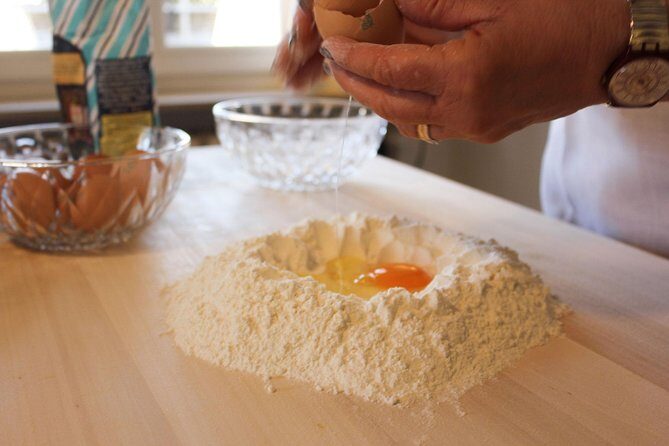
- Hand-made pasta with freshly laid eggs: you learn the process, not just the final dish
- Classic menu, built step-by-step: bruschetta, pasta, ragù, roast pork, roast potatoes, tiramisù
- Wine is part of the meal, not a side note: Chianti break plus wine pairing with lunch
- You leave with recipes and an Italian cooking diploma: a real souvenir for future dinners
- Luca and Carmela energy: lively, funny guidance that keeps the day moving and fun
Mercato Centrale Morning: Where You Learn to Shop Like a Local
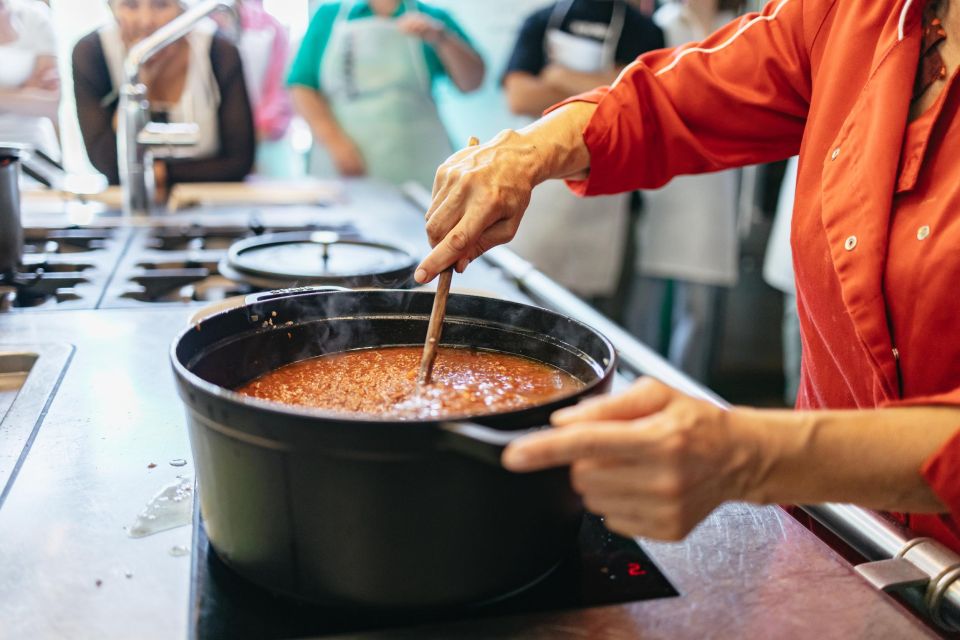
The morning starts at the taxi stand outside Santa Maria Novella train station, where your guide is holding a sign for Walkabout Tours. That matters because you want to get oriented fast—Florence is easy to wander off course in, and you’ll want your energy for the market.
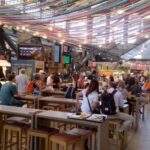
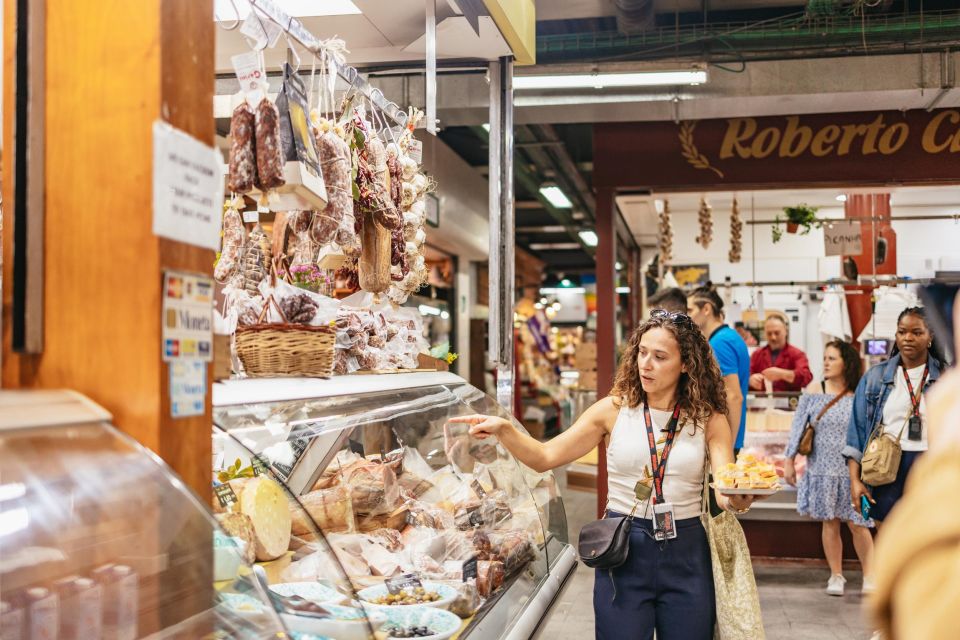
Mercato Centrale is the real deal: sights, sounds, smells, and vendors doing their daily work. You’re not stuck in a long lecture either. You’ll stroll with the guide and stop at stalls for the staples that define Tuscan flavor—things like cured meats, cheeses, balsamic vinegar, sun-dried tomatoes, and olives, plus fruit and vegetables that are in season.
The value here is simple: shopping becomes instruction. When you learn how to pick ingredients in a place where people do it every day, you’re better prepared to cook at home later. And yes, you’ll get a chance to sample products as part of the experience, which helps you understand what you’re aiming for.
You can also read our reviews of more tours and experiences in Florence.
- Tuscany Day Trip from Florence: Siena, San Gimignano, Pisa and Lunch at a Winery
★ 5.0 · 21,634 reviews


Choosing Ingredients: What Makes a Difference in Tuscan Cooking
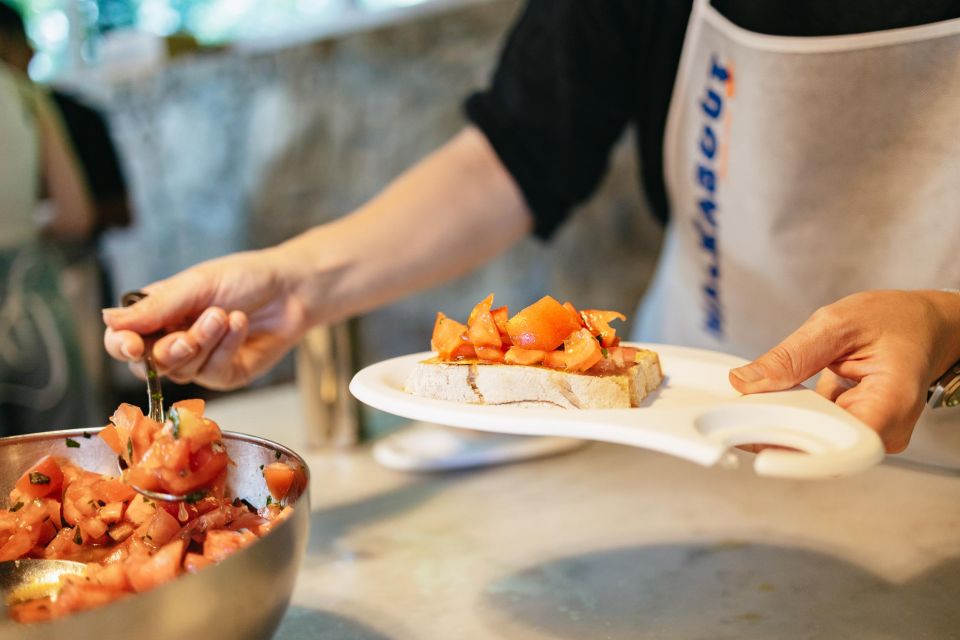
This part is more practical than it sounds. If you’ve ever cooked Italian food at home and wondered why it doesn’t taste the same, the answer is often ingredient choice and timing—what’s ripe, what’s cured, what’s fresh, and what’s worth paying for.
In this class, you’ll shop for key building blocks like:
- Cheese (for flavor depth in dishes and sauces)
- Cured meats (for salty, savory backbone)
- Balsamic vinegar (sweet-sour balance that turns a simple dish into something “Italian”)
- Olive oil (the farmhouse extra virgin olive oil becomes part of your bruschetta)
- Seasonal produce (especially the tomatoes for your tomato-focused components)
You also learn how to think seasonally. Tuscan cooking isn’t about trying to force winter ingredients into summer flavors. The guide helps you notice what the market offers right now—and that’s what you’ll bring to the farmhouse.
For me, this is one of the best “buying the lesson” moments of the day. Even if you forget exact recipes, you’ll remember the logic: taste, smell, and pick for freshness and balance.
The Bus Ride to the Countryside: Views Are Part of the Meal Plan
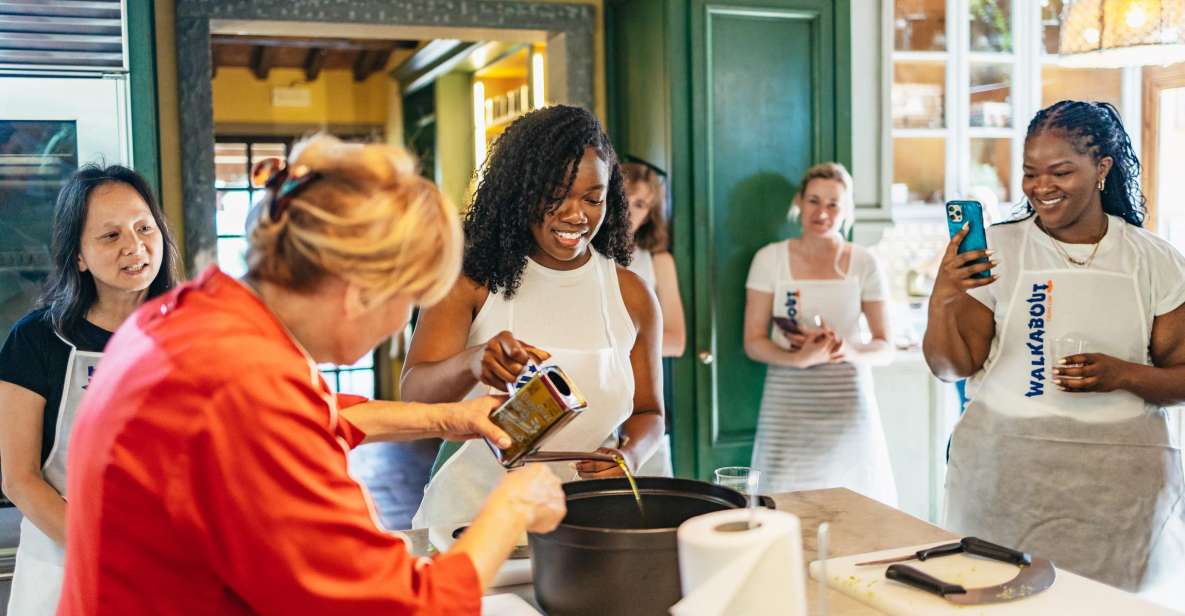
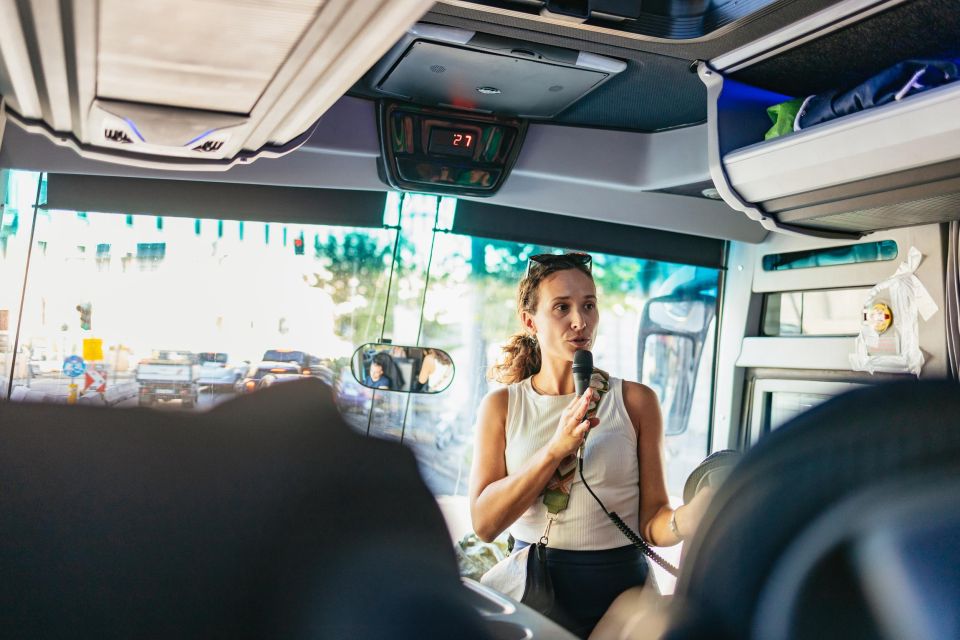
After the market, you’ll take a bus out of Florence to the countryside around the city. The ride is included and it’s more than just transportation—you’re using the time to shift gears from city pace to farmhouse calm.
What you gain is the scenery. The farmhouse setting is part of why this experience works. When you arrive in rural Tuscany, the views and gardens set the stage for what you’re about to cook: food that’s meant to be hearty, simple, and deeply flavored.
Practical note: the day’s structure is designed so you’re not scrambling. You’ll have an organized flow—market, transfer, then cooking with a chef—so you can relax and focus on learning.
Hands-On Cooking at the Farmhouse: Pasta, Ragù, Bruschetta
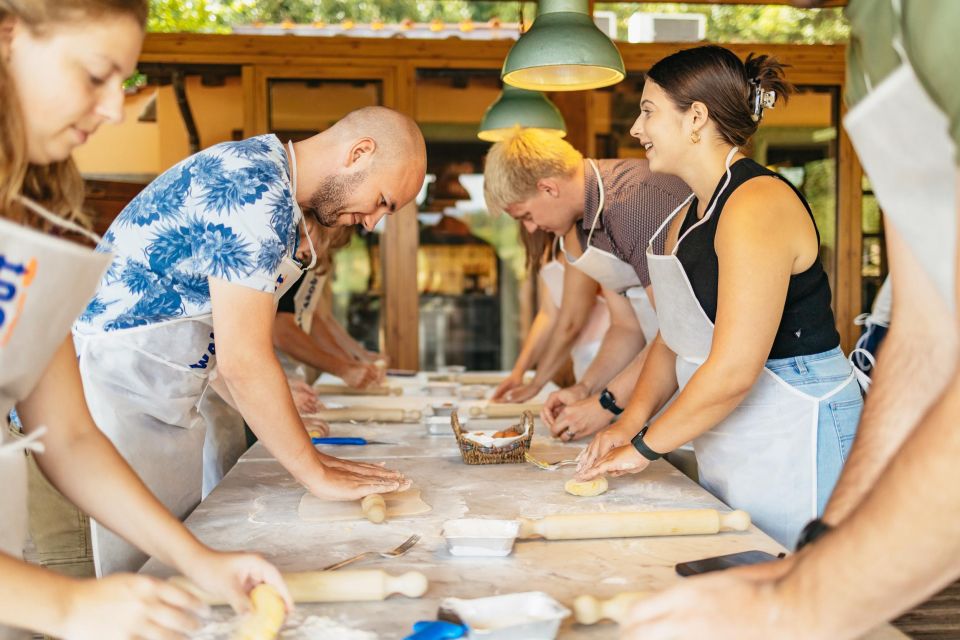
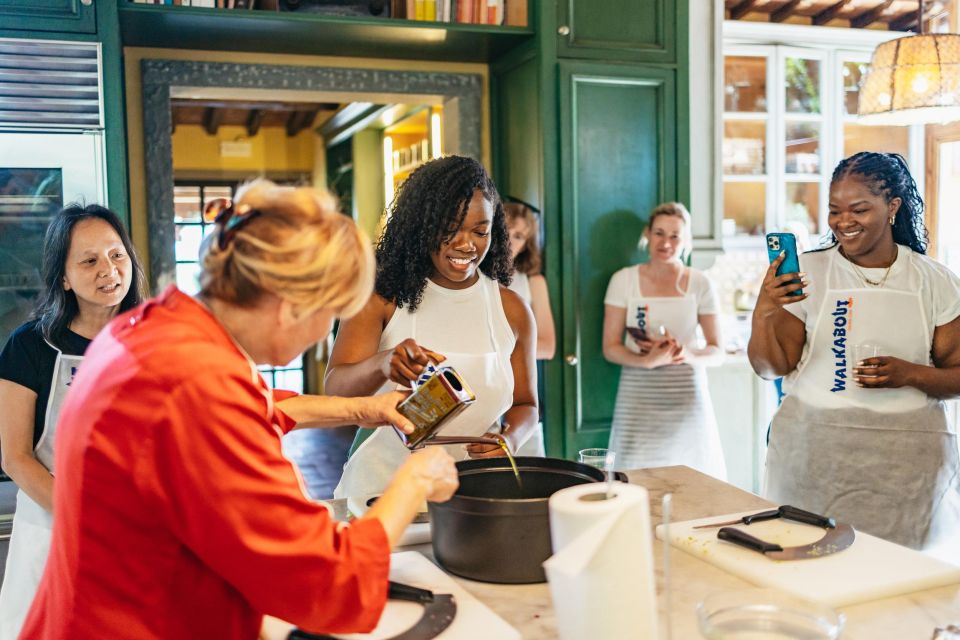
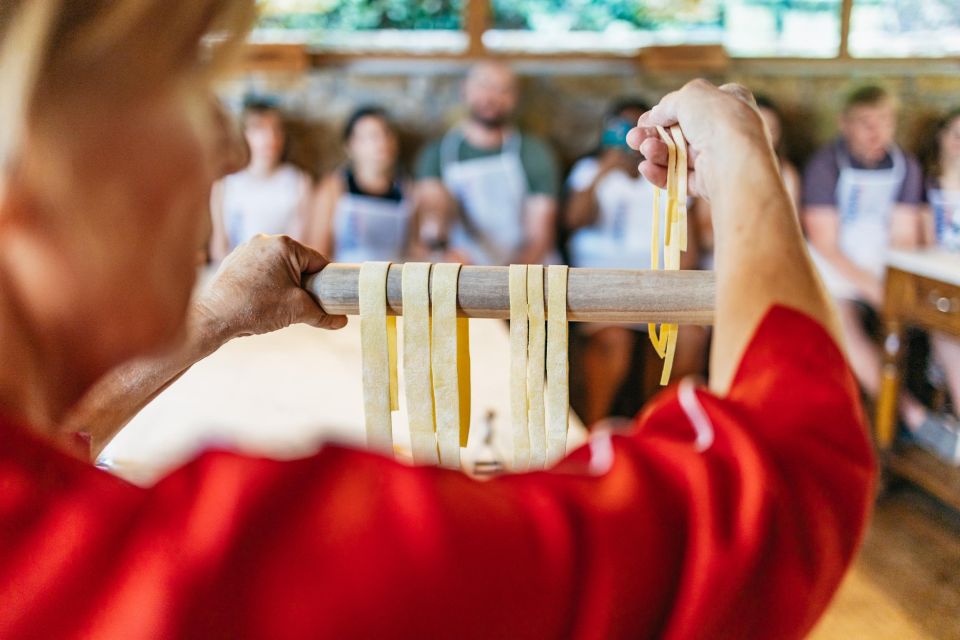
Once you’re at the farmhouse, the chef leads you into the kitchen like a class, not a demo. And the best part is that you’ll actually make multiple dishes instead of just helping with one.
Fresh pasta, made by hand
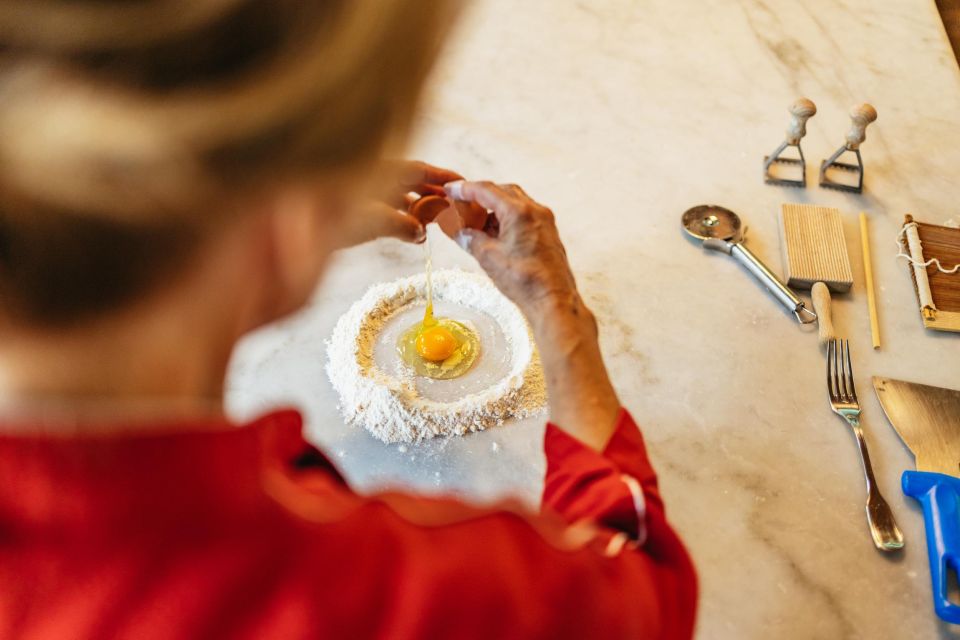
You’ll learn how to make authentic Italian pasta by hand using freshly laid eggs. This is one of the most satisfying lessons on the menu because it’s tactile. You feel what the dough should be like, and you get a real sense of how egg pasta comes together when it’s done right.
This also pairs well with the next dish. When you make pasta yourself, ragù stops being a generic “sauce choice” and becomes the reason you’re doing the work.
- Tuscany Day Trip from Florence: Siena, San Gimignano, Pisa and Lunch at a Winery
★ 5.0 · 21,634 reviews - The Best tour in Florence: Renaissance & Medici Tales – guided by a STORYTELLER
★ 5.0 · 12,316 reviews
Ragù: the hearty, traditional centerpiece
You’ll prepare a traditional and hearty ragù. The goal isn’t just to cook meat and call it a sauce. You’re learning the rhythm and method that gives ragù its depth.
If you want to recreate it later, this is where the recipe handoff becomes important. You’ll be more likely to get close at home because you’ll understand what to watch for while it cooks.
Bruschetta with farmhouse ingredients
Then comes bruschetta—fresh bread, tomatoes, and the farmhouse extra virgin olive oil. Simple foods are the toughest to nail, and this one works because the ingredients are built for it. When tomatoes taste like tomatoes and the oil tastes like real olive oil, bruschetta becomes more than an appetizer.
And yes, expect the class to include moments of humor and showmanship. Chefs and guides often keep things lively, and names like Luca and Carmela come up often for a reason: the energy keeps you engaged while you learn.
Roast Pork and Roast Potatoes: Herbs From the Farm
After a short break with Chianti wine, you’ll get into the main savory cooking. This is the “Tuscan comfort food” segment—roast pork and roast potatoes flavored with fresh herbs gathered from around the farmhouse.
This part is valuable because it teaches seasoning as a skill. Instead of relying on bottled flavors, you’ll see how herbs from the property translate into aroma and taste. The effect is immediate when you smell and cook with fresh leaves and stems right where the meal is being made.
Roast potatoes are also a great home takeaway. Many people know what potatoes are, but fewer people consistently roast them well. Here, the process is part of the lesson, so you’ll know what to aim for.
And if you’re thinking about your future dinner parties: roast dishes travel well. They’re easier to host around than dishes that require last-minute fiddling.
Tiramisù and Lunch Pairing: The Finish Line That Counts
The dessert lesson is the one everyone talks about: tiramisù, with secrets of Italian coffee and cream techniques. This is where the day turns from cooking practice into something you’ll want to remember at dessert time.
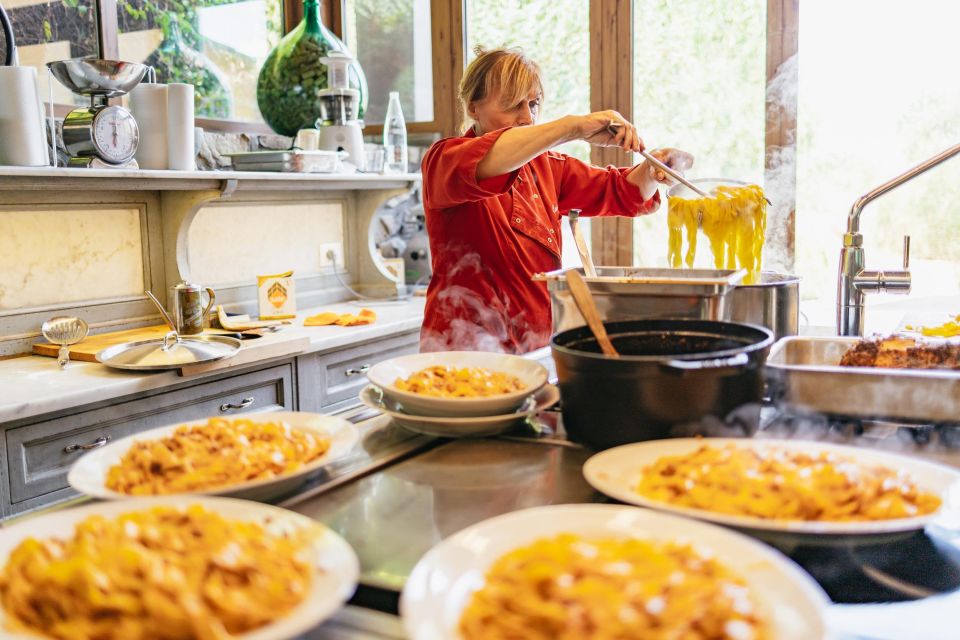
You’ll then sit down for the fruits of your labor—a 3-course meal paired with local wine that compliments your dishes. The pairing matters here because you’re not just eating; you’re tasting how Tuscan flavors work with wine.
If you’re the kind of person who likes food experiences that end with a clear payoff, this is your moment. You finish cooking and then you get to enjoy everything in one sitting—no hunting for a restaurant afterward, no hoping you picked the right tour day for your schedule.
Recipes, Diploma, and Bringing Tuscan Cooking Home
At the end, you receive a diploma and a copy of the recipes so you can recreate the dishes back at home. That may sound like a gimmick until you realize how useful it is.
Because the recipes are tied to what you made during the day, you’re not translating a vague internet recipe in your head. You have the steps from the same dishes you prepared in the same sequence—pasta, ragù, bruschetta, roast pork and potatoes, and tiramisù.
Also, the diploma is a fun touch. It’s the kind of souvenir that stays in your home and reminds you of what you learned—not just where you went.
Price and Value: Is $203.91 Worth It?
At $203.91 per person, this isn’t a budget activity. But it also isn’t just a cooking demo for one dish. You’re paying for a full arc: market shopping in Florence, countryside transport, a hands-on class for multiple dishes, a full 3-course lunch, and wine.
Here’s the value math that makes sense for many people:
- You get ingredients + technique: shopping and cooking are linked, which improves your results later.
- You cook several classics: not just one highlight dish.
- Lunch and wine are included: you’re not buying an extra meal on top.
- You leave with recipes and a diploma: the experience continues after your trip.
If you’re a foodie who wants skills you can use—especially if you like pasta, sauces, and desserts—this can feel like a smart splurge. If you only want a quick taste with minimal effort, you might feel this is more work than you expected.
Who This Tuscany Farmhouse Class Suits Best
This experience is best for you if:
- You want an authentic cooking day that starts with real ingredient shopping.
- You enjoy hands-on learning and want to recreate Tuscan classics at home.
- You like lively guides and chefs who keep the day fun while teaching.
It’s less ideal if:
- You have mobility limitations or struggle with uneven, steep surfaces.
- You need strict dietary accommodations beyond the vegetarian option.
- You’re traveling with young children; children under 8 aren’t suitable for this activity.
Also consider timing. The market isn’t visited on Sundays or public holidays because it’s closed. If your trip lands on those days, the day still runs, but the market portion won’t be included as described.
Should You Book This Tuscany Cooking Class?
Book it if you want a food-focused day that actually teaches you something—and then feeds you well. The market-to-farmhouse flow, the hands-on cooking (pasta, ragù, bruschetta, roast pork, tiramisù), and the fact that you finish with a wine-paired 3-course lunch make it feel like a complete experience, not a stopover.
Skip or rethink it if you need wheelchair access or have difficulty on steep, uneven terrain. Also be cautious with dietary needs: a vegetarian option exists, but gluten-free and other alternative dietary requirements can’t be accommodated.
If you can handle the walking and you’re excited to cook, this is the kind of Tuscan day you’ll still talk about when you’re home—especially the pasta and tiramisù parts.
FAQ
Where do I meet the guide?
Meet your guide at the taxi stand outside Santa Maria Novella train station. Your guide will be holding a sign with the provider name Walkabout Tours.
How long is the experience?
The duration is 6 hours.
What’s the price per person?
The price is $203.91 per person.
Does it include transportation?
Yes. Transportation from Florence to the farmhouse and back is included.
What do I cook and eat during the day?
You’ll make classic Tuscan dishes such as bruschetta, pasta (made by hand), ragù, roast pork and roast potatoes, and tiramisù. You’ll also enjoy a 3-course lunch.
Is wine included?
Yes. There’s wine, including a Chianti wine break and wine paired with your 3-course meal.
Is there any market time in Florence?
Yes. There’s a Mercato Centrale walking tour where you shop for ingredients for the cooking class.
Is the market visited on Sundays or public holidays?
No. Mercato Centrale will not be visited on Sundays or public holidays because the market is closed.
What about dietary needs?
A vegetarian option is available. Gluten-free or other alternative dietary requirements cannot be accommodated.
Is it wheelchair accessible?
No. The tour isn’t suitable for wheelchair users or people with mobility impairments.
What do I get at the end of the tour?
You receive a diploma and a copy of the recipes.
Is there free cancellation?
Yes. You can cancel up to 24 hours in advance for a full refund.
More Tour Reviews in Florence
- Tuscany Day Trip from Florence: Siena, San Gimignano, Pisa and Lunch at a Winery
★ 5.0 · 21,634 reviews - The Best tour in Florence: Renaissance & Medici Tales – guided by a STORYTELLER
★ 5.0 · 12,316 reviews