REVIEW · PISA
Guided tour of Piazza dei Miracoli in Pisa
Book on Viator →Operated by Pisaconguida · Bookable on Viator
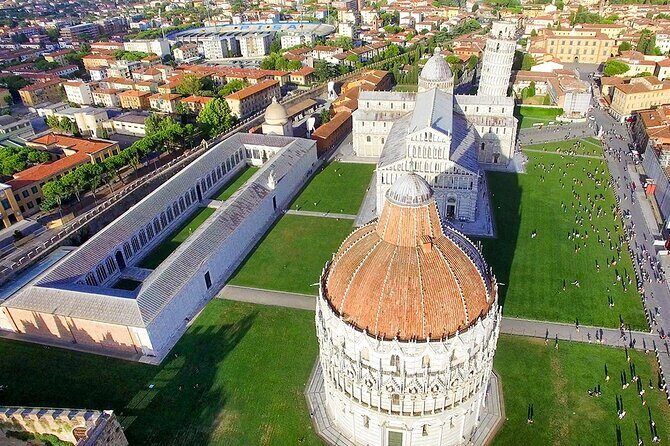
Pisa packs a lot into ninety minutes. This guided walk through the Piazza dei Miracoli focuses on what makes the Leaning Tower, Duomo, Baptistery, and optional Camposanto so unforgettable—without wasting time.
I like that you get real inside access (included tickets for the Duomo and Battistery), so you’re not just looking at facades. I also like how the guide frames each place with specific points—like the Lamp of Galileo, the Gothic pulpit by Giovanni Pisano, and the Baptistery’s acoustics—so the buildings make sense fast.
One consideration: the Tower climb is optional and you’ll need the right option to go inside, and the climb option isn’t part of the tours listed as accessible for everyone. Also, the Duomo interior isn’t included on Sunday mornings, so plan your day accordingly.
In This Review
- Key things I’d bet on before you go
- Why Piazza dei Miracoli feels different with a guide
- Meeting at the Tower of Pisa and keeping the flow simple
- Stop 1: Leaning Tower of Pisa—construction phases, restoration, and optional inside access
- Stop 2: Duomo di Pisa interior—Lamp of Galileo, Giovanni Pisano pulpit, and more
- Stop 3: Battistero di San Giovanni—Galileo connection, acoustics, and women’s galleries
- Stop 4: Camposanto—Roman sarcophagi and the Triumph of Death (optional entry)
- The real value: how the guide turns icons into stories
- Price and value: is $66.09 worth it?
- Who this tour suits best (and who should think twice)
- Should you book this Piazza dei Miracoli guided tour?
- FAQ
- What is the duration of the tour?
- Is the tour offered in English?
- Is this a private tour?
- Where does the tour start and end?
- Are tickets included for every site?
- Is the Duomo interior visit available on Sundays?
- Can I go to the Battistery’s women’s galleries?
- Can I cancel for a full refund?
Key things I’d bet on before you go
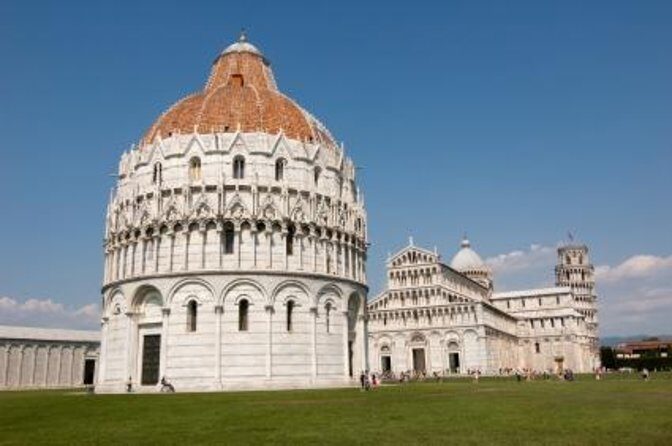
- Duomo + Baptistery interior time with tickets included, not just exterior sightseeing
- Concrete highlights like the Lamp of Galileo, Giovanni Pisano’s pulpit, and the apse mosaic
- Tower context and restoration talk that helps the structure click in your head
- Battistery acoustics + women’s galleries, a rare combo for many visitors
- Camposanto is optional, with extra ticket needs if you add it
- Private tour pace for your group, led in English with room for questions (Eloise is frequently praised)
Why Piazza dei Miracoli feels different with a guide
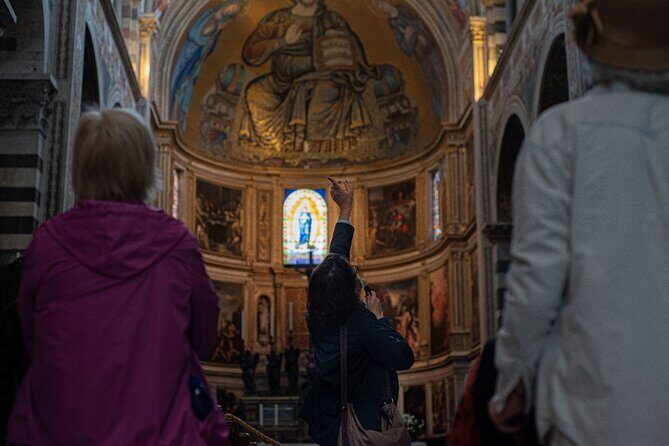
Piazza dei Miracoli is famous for a reason. But the place can also feel a bit like a photo stop circuit unless someone points you to what to look for. A guided format helps you slow down in the right spots and match each building to a few key ideas you can remember later.
In this tour, the pacing is tight: you move stop-to-stop in about 1 hour 30 minutes, with focused time inside the Duomo and Baptistery. That matters because these interiors are where the details live—mosaics, pulpits, and sound effects that you’ll miss if you wander.
Also, the guide doesn’t just say what something is. The stops include what you’re meant to notice: the Tower’s construction phases and recent restoration, the Duomo’s standout artistic elements, and even the Baptistery acoustics. It’s a smart way to turn a famous square into something personal and readable.
You can also read our reviews of more guided tours in Pisa
Meeting at the Tower of Pisa and keeping the flow simple
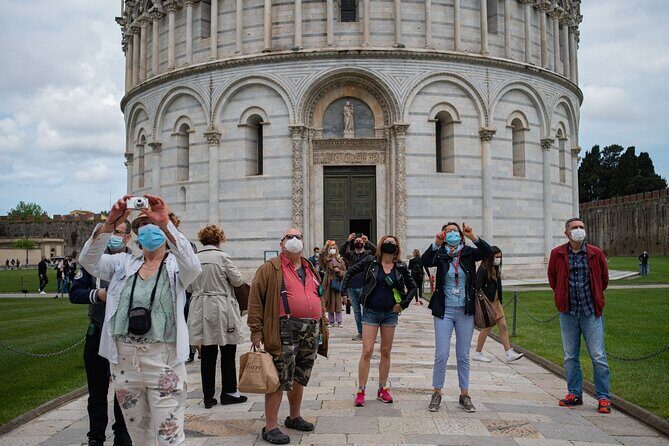
You’ll meet at the Tower of Pisa, Piazza del Duomo (56126 Pisa PI, Italy). The tour ends back at the meeting point, which is handy when you don’t want to spend extra time figuring out your next move.
This is set up as a private tour—only your group participates—so the guide can actually tailor pacing to questions and to what people want to linger on. That’s a big deal in Pisa, where the square draws crowds and attention is constantly pulled toward quick photo angles.
One more practical note: it’s offered in English, and a mobile ticket is included. If you prefer planning that’s lighter on paper, that’s a plus.
Stop 1: Leaning Tower of Pisa—construction phases, restoration, and optional inside access
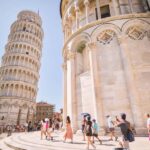
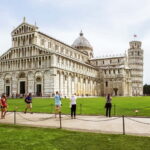
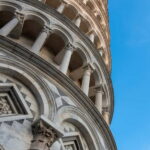
The Leaning Tower gets the star treatment here, and you’ll start with it. Your guide will explain the construction phases, the Tower’s history, and the details of the recent restoration. That context is exactly what you need. Without it, the Tower can turn into a single joke in your head: it leans, and that’s that.
Instead, you’ll learn how the building process contributed to the leaning and what restoration efforts have tried to stabilize and preserve it. The goal is clarity. You’re not just admiring; you’re understanding.
Timing is about 15 minutes, and the admission ticket isn’t included. There’s an option that can include the climb, and if you choose it, you’ll also see the inside.
Practical drawback: the climb option is the one called out as not included in accessibility for everyone in the set of tours offered. If accessibility matters for you, choose the option that stays within the accessible scope, or ask what’s possible for your situation before you commit.
Stop 2: Duomo di Pisa interior—Lamp of Galileo, Giovanni Pisano pulpit, and more
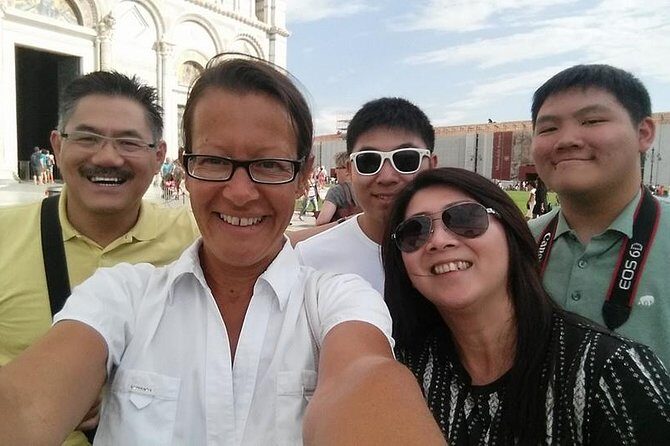
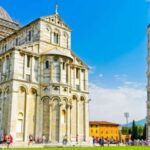
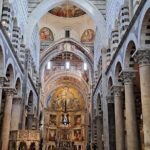
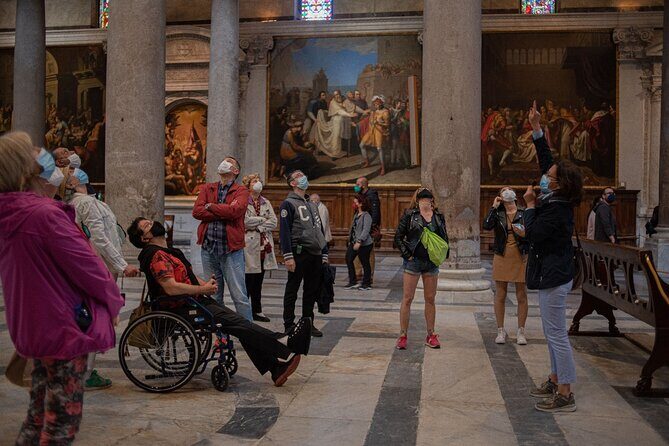
Next comes the Duomo di Pisa with interior time of about 20 minutes. Tickets for this stop are included, which helps value and reduces the hassle of figuring out add-ons.
You’ll see the interior and focus on several named highlights:
- the Lamp of Galileo
- the Gothic pulpit by Giovanni Pisano
- the Byzantine apse mosaic
- and you’ll admire the Duomo’s overall style in context, not as a random mix of parts
One reason this stop is so worth the guided format is that these items can feel easy to miss when you’re just touring. When the guide points you to what to find, suddenly the cathedral becomes a set of recognizable masterpieces rather than a big room with good acoustics.
A key scheduling note: the interior visit is not on Sunday mornings. If you’re planning a Sunday, you’ll want to pick a time that doesn’t conflict with that restriction, or you may end up missing the interior emphasis that makes this tour special.
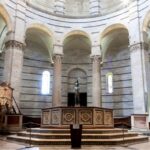
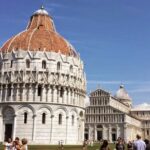
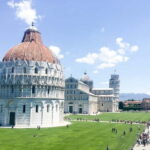
Stop 3: Battistero di San Giovanni—Galileo connection, acoustics, and women’s galleries
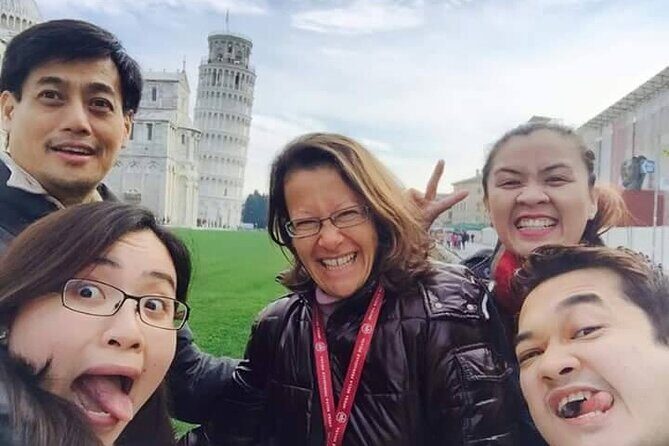
The Battistero di San Giovanni is next, with about 15 minutes. Admission tickets are included for this stop too, so you’re set for the interior without extra ticket wrangling.
This is where the tour gets a little magical in a practical way. You’ll see the Baptistery interior and hear about its famous association with Galileo Galilei, including the fact that Galileo was baptized in the baptistery’s baptismal font. You’ll also get to experience its acoustics, which is the kind of thing that doesn’t land unless someone tells you when to pay attention and what to listen for.
You’ll also go up to the women’s galleries. That detail matters because it changes your perspective. Instead of only viewing the building from one level, you get another angle on how the space is arranged and how the interior feels from higher up.
The guide’s role here is huge: acoustics are harder to appreciate “by accident.” With timing and cues, it turns into one of those moments you remember later without needing to take hundreds of photos.
Stop 4: Camposanto—Roman sarcophagi and the Triumph of Death (optional entry)
The last stop is the Camposanto, usually about 20 minutes. Here, the big distinction is options: you only enter if you buy the option that includes it, and admission tickets aren’t included.
If you do include it, you’ll admire:
- Roman sarcophagi
- frescoes, including the famous Triumph of Death
Camposanto can be the most emotionally intense stop in the whole square, depending on your interest. The sarcophagi bring a sense of the ancient world up close, and the fresco theme is a strong image—one that’s easier to understand when a guide frames what you’re looking at instead of letting it blur into “old paintings on walls.”
Because it’s optional, this is also where you should make a choice based on your energy. If you want one more indoor/covered element and you’re the type who likes art details, it’s a great add-on. If you’re more about the Tower and quick hits, you may prefer to keep the tour focused.
The real value: how the guide turns icons into stories
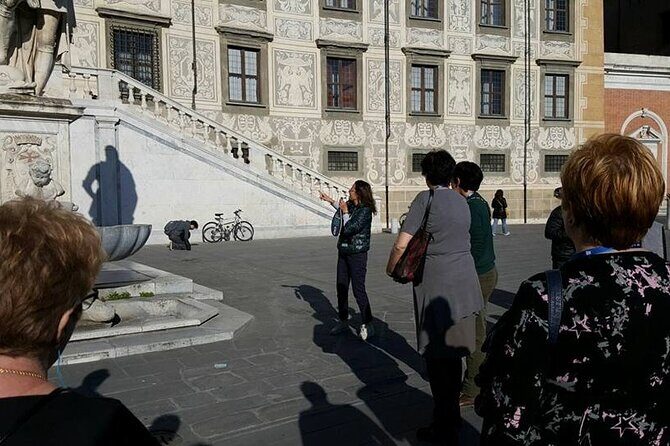
The highest praise across the experience centers on the guide’s communication. The name Eloise comes up again and again for being professional, well prepared, and very good at explaining details in a way that feels organized, not overwhelming.
What I’d take from that for your decision-making:
- You’ll likely get clear, structured explanations at each stop, so you’re not guessing what to focus on.
- Eloise is specifically credited with great explanations of frescos, including the Camposanto material.
- There’s also praise for attention to questions and smooth coordination before the tour.
That matters in Pisa because many people arrive knowing a few headline facts—Tower leans, Duomo is big, Baptistery has Galileo—but they don’t know what to look for. This tour is built to help you walk out with a mental map: who made what, what artwork is where, and what restoration and design choices mean.
Price and value: is $66.09 worth it?
The price is $66.09 per person for about 1 hour 30 minutes in English, and the tour is private for your group.
Here’s how I’d judge value, practically:
- You get admission included for the Duomo and Baptistery. That’s a real cost offset rather than a “see it from outside” arrangement.
- The Tower and Camposanto are more flexible because those require choosing options, and their tickets may not be included.
- You also get a mobile ticket, plus the structure of a timed route that keeps you from spending your Pisa time just figuring out access.
If your main goal is interiors—especially the Duomo interior elements and the Baptistery acoustics—then the included-ticket stops make this feel like good value. If you only want the Tower viewpoint and you don’t care about interiors, then you might decide against adding options.
In short: this is priced for people who want more than the classic quick sweep.
Who this tour suits best (and who should think twice)
This experience is designed for a wide range of people. It notes that most can participate, and it’s stated that the tours offered are accessible to children and disabled people except the one that includes the ascent to the tower.
So this can work well for:
- families who want a guided path instead of a self-made puzzle
- couples who want a smart route without rushing
- people who care about art and want named details explained clearly
- anyone who likes to ask questions and have a guide answer them on the spot
A couple of watch-outs:
- If you need the tower climb for accessibility reasons (or you want to avoid it), pick the option that matches the accessibility note.
- If your schedule puts you in Pisa on Sunday morning, remember the Duomo interior part won’t be covered in the same way.
Should you book this Piazza dei Miracoli guided tour?
I think you should book if you want Pisa to be more than a checklist. The biggest “yes” signals for me are the interior inclusions: Duomo + Baptistery with tickets handled, plus the kind of specific guidance that helps you notice Lamp of Galileo, Giovanni Pisano’s pulpit, and the Baptistery acoustics without guessing.
I’d skip or rethink it if:
- you only care about exterior photos and the Tower climb option
- you’re set on a Sunday morning plan and the Duomo interior timing would frustrate you
- accessibility needs are tied to the Tower ascent, because that option is called out as the exception
If your goal is to leave with a clearer understanding of what you saw—fast—this is a strong fit, especially if you like the idea of a guide like Eloise bringing the details into focus.
FAQ
What is the duration of the tour?
It’s about 1 hour 30 minutes.
Is the tour offered in English?
Yes, it is offered in English.
Is this a private tour?
Yes. Only your group will participate.
Where does the tour start and end?
It starts at the Tower of Pisa, Piazza del Duomo, 56126 Pisa PI, Italy, and ends back at the same meeting point.
Are tickets included for every site?
Admission is included for the Duomo di Pisa and the Battistero di San Giovanni. The Tower admission (for climbing/inside access) is not included, and Camposanto entry is optional and not included.
Is the Duomo interior visit available on Sundays?
No. The interior is not visited on Sunday mornings.
Can I go to the Battistery’s women’s galleries?
Yes. The tour includes going up to the women’s galleries.
Can I cancel for a full refund?
Yes, free cancellation is available up to 24 hours before the experience starts for a full refund.