REVIEW · FLORENCE
Palette Knife Painting Class Florence
Book on GetYourGuide →Operated by Geko Art Studio · Bookable on GetYourGuide
Thick paint, calm focus, and Florence within reach. This palette knife class at Geko Art Studio is a hands-on way to make art with texture instead of brushwork. You’ll work in a well-lit local atelier, guided step by step by a professional instructor, with enough time to ask questions and actually shape your own style.
Two things I especially like: first, the small group setup (up to 8) that makes it feel more personal than a big workshop. Second, the way the teaching balances structure with freedom, so even if you start with zero experience, you still leave with a strong, finished-looking painting plan for your 3 hours.
One consideration: this is oil paint, so drying takes time. If you’re thinking about packing your canvas and carrying it home right away, plan ahead for shipping/mailing costs and a few days of patience.
In This Review
- Key Highlights Worth Booking This For
- Why Palette Knife Painting Feels Different in Florence
- Inside Geko Art Studio: What Happens During the 3 Hours
- The Painting You’ll Create: 20cm x 20cm, Textured and Take-Home Ready (Mostly)
- Materials, Food, and What’s Actually Included in the $182
- Timing and How to Choose Your Class Slot
- Who This Class Is Best For (And Who Might Skip It)
- Price vs Value: What $182 Buys You in Real Terms
- Tips for Getting Great Results (Even if You’ve Never Held a Knife)
- My Booking Recommendation: Should You Choose This Class?
- FAQ
- How long is the palette knife painting class?
- Where does the class take place?
- What is the price?
- How many people are in the group?
- What’s included in the class price?
- What should I bring?
- What languages are available?
- Is there transport to and from the studio?
- Are children allowed?
- Will I be able to take my painting home right away?
- What’s the cancellation policy?
- Can I pay later?
Key Highlights Worth Booking This For
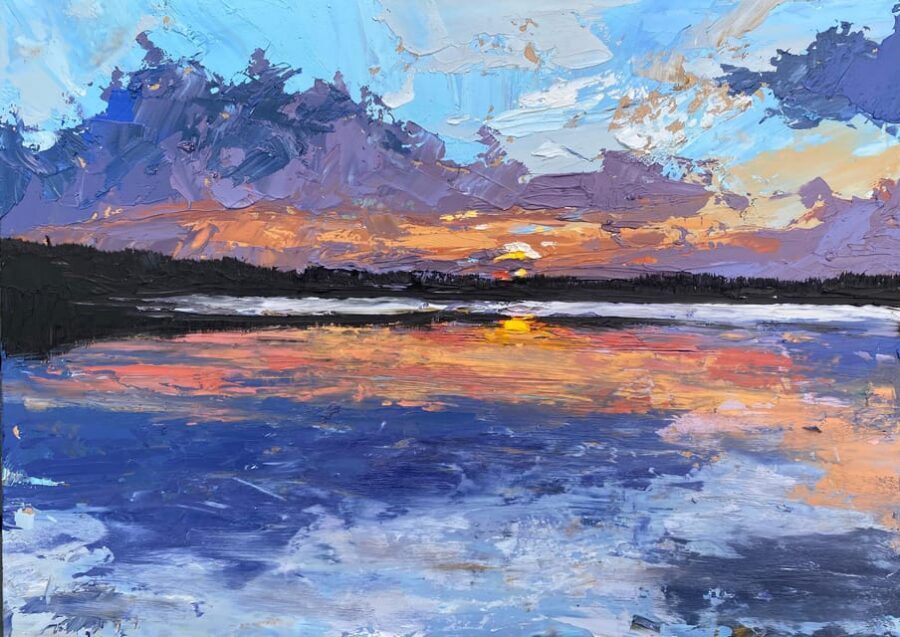
- Palette knife technique with real texture: you’ll learn how to apply and manipulate oil paint for layered depth
- Small group attention: limited to 8 participants, with time for questions and coaching
- A clear 3-hour structure: you work through a plan designed to get you to a completed piece
- Materials included: oil paints, palette knife, and a 20 cm x 20 cm canvas panel
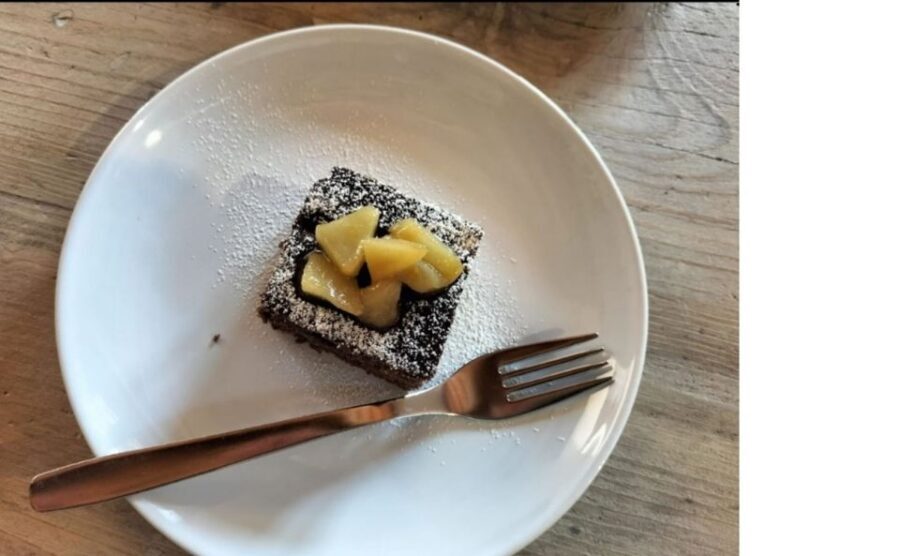
- Break with a sweet stop: snack plus a short break that often includes stepping into a nearby bakery for coffee or cake
Why Palette Knife Painting Feels Different in Florence
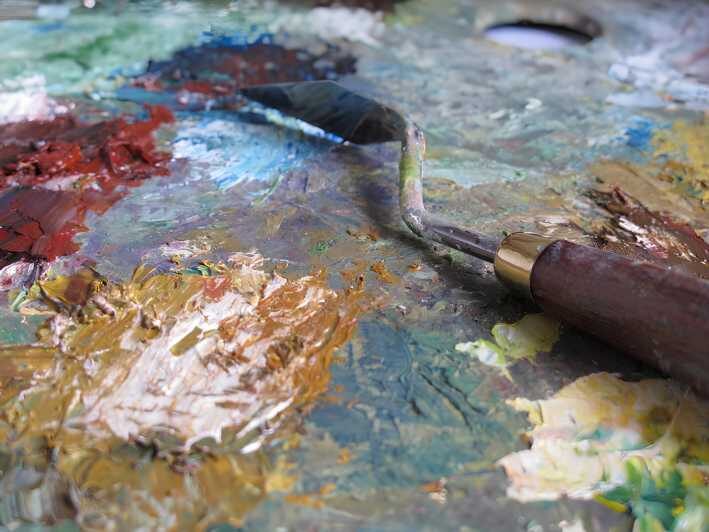
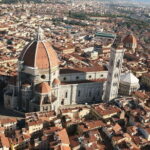
Florence can tempt you into classic tourist mode fast: museums, churches, views, repeat. This class pulls you into something slower and more hands-on. Palette knife painting isn’t about careful lines. It’s about pressure, angles, and how paint catches light when it dries with raised ridges.
You’re also working in an environment that feels local rather than theatrical. People come in with different skill levels, but the goal stays practical: learn the method, build confidence, and walk away with a painting you can point to and say I made that.
What I like is that the class doesn’t treat beginners like they’re a special case. The instruction is patient and step-by-step, and you’re guided through mixing oil colors, building depth, and making decisions about where to place highlights and darker tones. That matters in Florence, where you can spend a lot of time looking at art but not touching it.
You can also read our reviews of more tours and experiences in Florence

Inside Geko Art Studio: What Happens During the 3 Hours
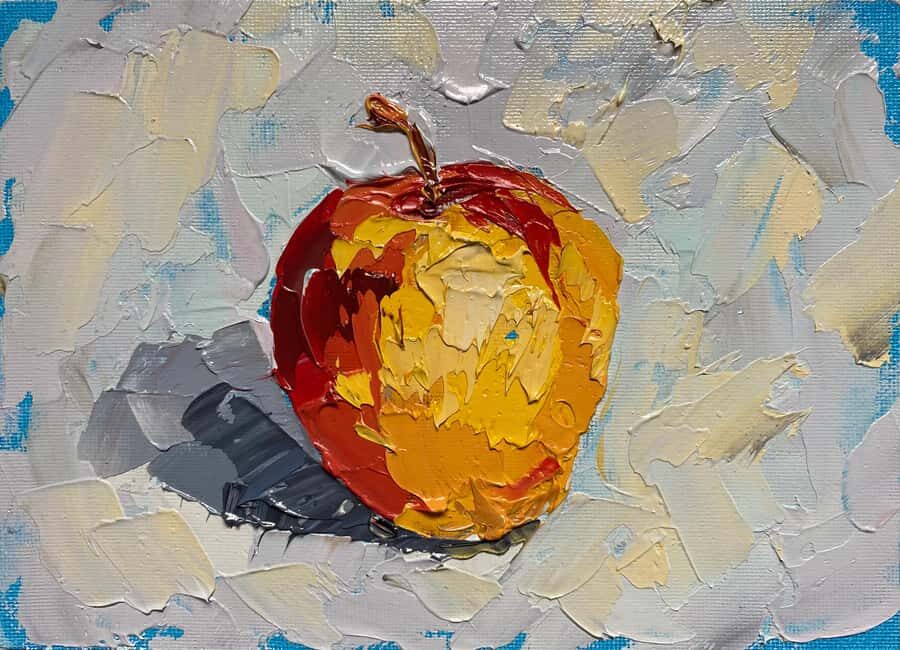
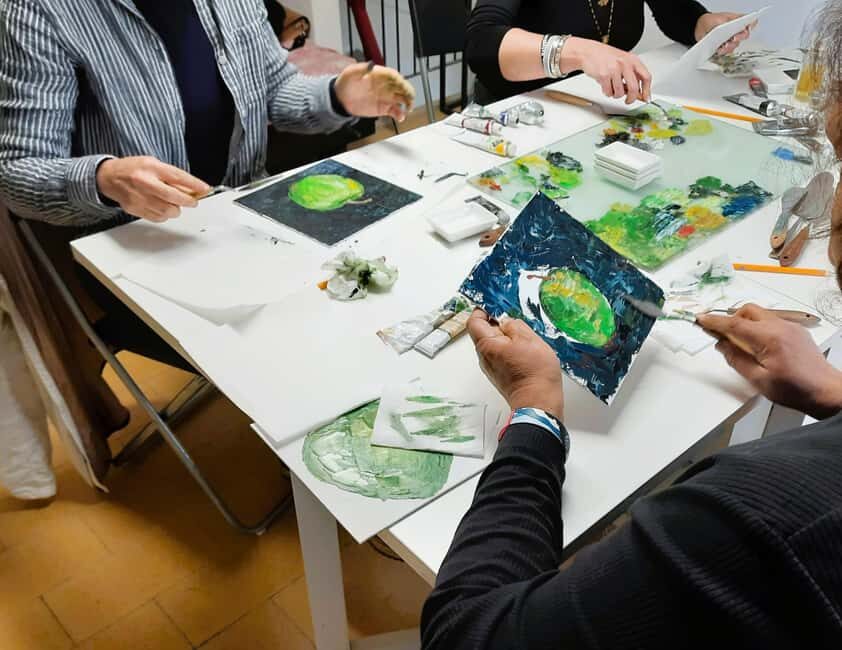
The class runs for 3 hours, typically in a small studio space with good light and a still life set up. You’ll start by learning how to handle the palette knife—how to load it with paint, how thick to go, and how to translate an idea in your head onto canvas.
Expect a structure that generally moves like this:
First, you’ll learn core techniques. Palette knife work is all about control without brush habits. Your instructor shows you how to create marks that read clearly from a distance, how to make smooth transitions when you want them, and how to leave intentional texture when that’s the effect you’re after.
Then you’ll mix and apply paint. You’re not just handed colors and told to play. You’ll practice oil color mixing for the tones you need, and learn how to layer without muddying the work. In a class like this, that’s the difference between paint that looks like it was thrown on top and paint that looks like it was planned.
You’ll also get the chance to work from a still life setup and make choices about nuance. One of the repeated themes in the experience is that instructors give helpful suggestions—small changes that make a big difference, like how to push contrast or adjust a highlight so it makes the subject feel more dimensional.
A useful element: break time. During that pause, you’ll have a snack and water, juice, coffee—and in practice, it often includes stepping next door for something sweet. It’s a nice reset, especially because oil painting can ask more of you than you expect. Your eyes get tired, then your hand needs a breather, then you come back and finish stronger.
The Painting You’ll Create: 20cm x 20cm, Textured and Take-Home Ready (Mostly)
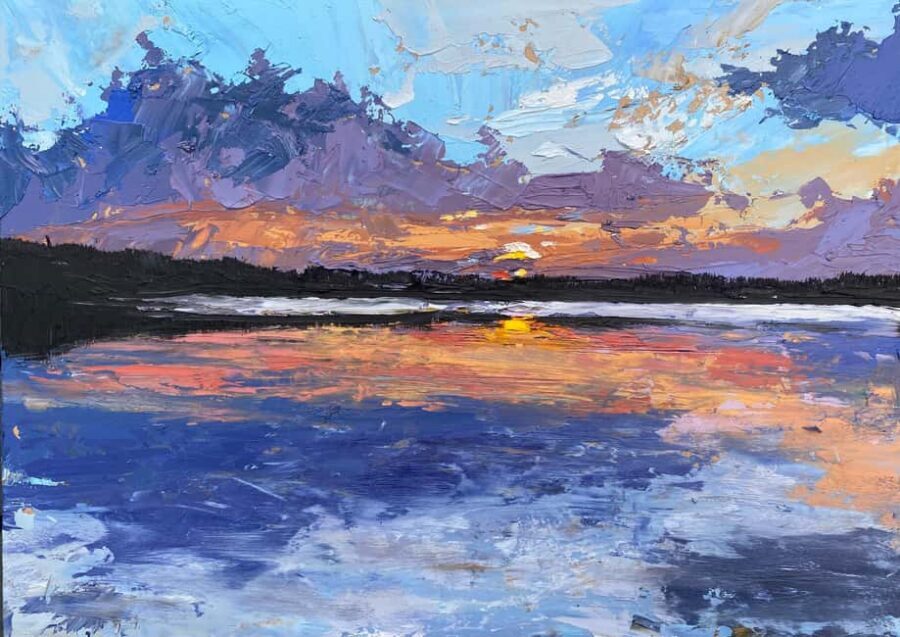
You’ll work on a canvas panel that’s 20 cm x 20 cm, and it’s included in the price. That’s a smart size for a 3-hour class. It’s large enough to show texture and layering decisions, but small enough that you can actually complete a coherent piece without feeling rushed.
The class is built around a plan that aims at a finished result within the time limit. People have walked out with paintings they felt genuinely proud of, and that’s not just hype. A big part of the value here is pacing. When the instructor sets up a realistic route to a completed work, you spend your energy learning the technique rather than getting stuck at the blank canvas stage.
You can expect a still life setup to guide you. Even if you drift into abstraction (it happens), you’re coached toward a result that still looks intentional. That flexibility matters. It keeps you from going into the classic beginner spiral of worrying you’re doing it wrong.
Do note one practical detail: oil paint takes time to dry. In plain terms, you’ll need to treat your finished painting like something fragile that’s not ready for immediate travel life. A realistic plan is to let it dry for a few days, and if you want it back at home without the stress of moving it, you might need to mail it. Shipping costs and extra canvas panels are not included, so if you want a smooth take-home outcome, budget for the logistics.
Materials, Food, and What’s Actually Included in the $182
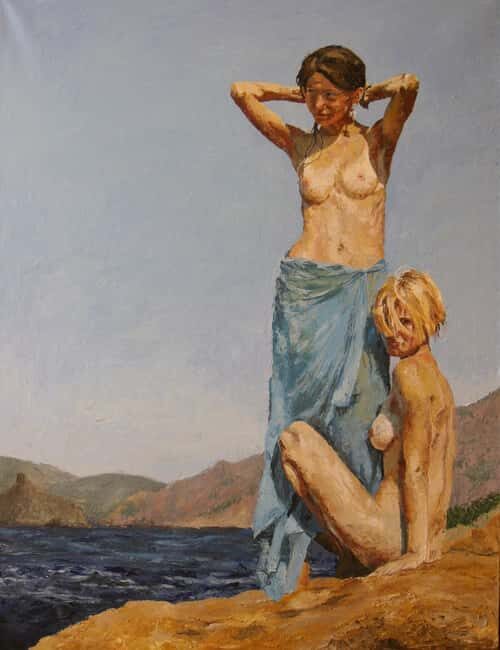
For $182 per person, you’re not just paying for the instructor’s time. The package includes the basics you need to learn properly:
- Oil paint colors
- Palette knife
- Canvas panel (20 cm x 20 cm)
- Snack with water, plus juice or coffee
That inclusion is part of the value. In art classes, the hidden costs can add up fast if you have to buy paint, knives, and canvas first. Here, you can show up and start painting the right way.
Not included are things you might forget to think about until you’re at the studio: transport to/from the atelier, any extras canvas panels, and shipping. If you’re staying in the center of Florence, you’ll likely handle the trip with local transport or a short walk/taxi. If you’re farther out, build in time. The class location is in Florence, but your plan for getting there matters because the studio time is set around agreed slots.
Also bring an ID or passport. It’s one of those small items that keeps your day smooth.
Timing and How to Choose Your Class Slot
After you book, you’ll coordinate the time with the office. Dates and class times are agreed personally, and as the date approaches you’ll be contacted by WhatsApp or email. The time options are usually 10 am–1 pm or 2 pm–5 pm, with 5:30 pm–8:30 pm sometimes available.
This matters because you’re working with paint and you may want your schedule to fit around drying and returning to your hotel. If you’re the type who hates rushing at the end of a day, I’d lean toward a time where you still have breathing room afterward for wrapping up and getting dinner without stress.
If language matters, plan early. English, Italian, Spanish, Greek, and Chinese are offered, but the non-English options depend on teacher availability. If you want Spanish, Greek, or Chinese specifically, booking at least 3 days in advance is recommended.
- Tuscany Day Trip from Florence: Siena, San Gimignano, Pisa and Lunch at a Winery
★ 5.0 · 21,634 reviews - The Best tour in Florence: Renaissance & Medici Tales – guided by a STORYTELLER
★ 5.0 · 12,316 reviews


Who This Class Is Best For (And Who Might Skip It)
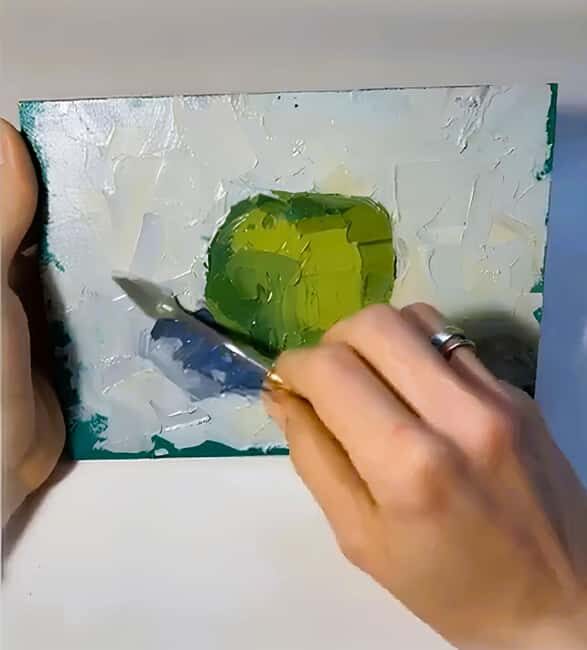
This palette knife class fits a lot of travelers, mainly because it’s not limited to artists. The instructor guides you step by step, and people have come in for their first experience with oil painting and still felt confident by the end.
You’ll likely enjoy it most if you:
- want something hands-on in Florence, not just sightseeing
- like guided practice and prefer learning technique over free-form painting only
- want a small-group setting where you can ask questions and get direct help
It might be less ideal if:
- you expect a quick, brush-and-done souvenir you can immediately pack and carry home
- you need something that stays kid-friendly, since it’s not suitable for children under 12
There’s also a mindset fit. Palette knife painting rewards patience. Your first marks may not look perfect. That’s normal. The class is built around teaching you how to adjust, not around judging you for the first attempt.
Price vs Value: What $182 Buys You in Real Terms
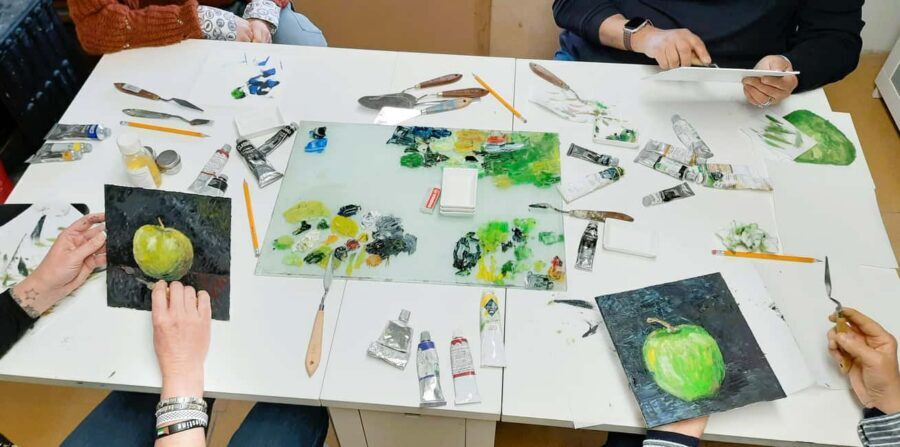
Art workshops in Europe range from cheap and rushed to pricey and vague. This one sits in a middle zone that feels fair because the package is practical.
You get:
- guided technique from a professional instructor
- materials included (oil paints, knife, and a canvas panel)
- a structured plan aimed at a completed piece in 3 hours
- snack and drinks during the break
The part you should evaluate is the take-home reality. Oil paint drying means the painting may not be ready to travel right away. Shipping isn’t included, and extra canvas isn’t included either. So the true cost for some people becomes price + logistics later.
If you’re okay with that—either mailing the painting or planning drying time—then $182 is a solid value for learning, not just trying. If you absolutely need a souvenir you can grab and walk out with, you might compare this to a dry-medium class instead.
Tips for Getting Great Results (Even if You’ve Never Held a Knife)
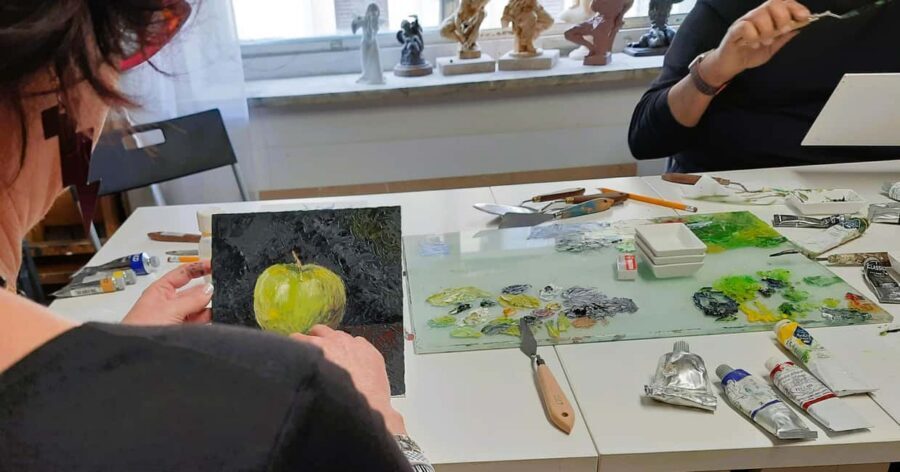
Here’s how to get more out of your 3 hours without overthinking it:
First, treat the palette knife like a tool with weight. Think about how you angle it. Many people initially press too lightly or too flat, which leads to paint that doesn’t show texture well.
Second, don’t chase perfection too early. Oil paint layering takes time to understand. Focus on small adjustments: tone balance, contrast, and where the texture supports the subject.
Third, ask questions while you’re painting. The best experiences here are described as patient, supportive instruction with time for specific coaching. If your work is going sideways, stop and ask for a suggestion. That’s the moment you can correct the method and still finish confidently.
Fourth, wear or bring something you don’t mind getting paint on. Oil can be stubborn. You’re handling real materials, not just making a quick sketch.
My Booking Recommendation: Should You Choose This Class?
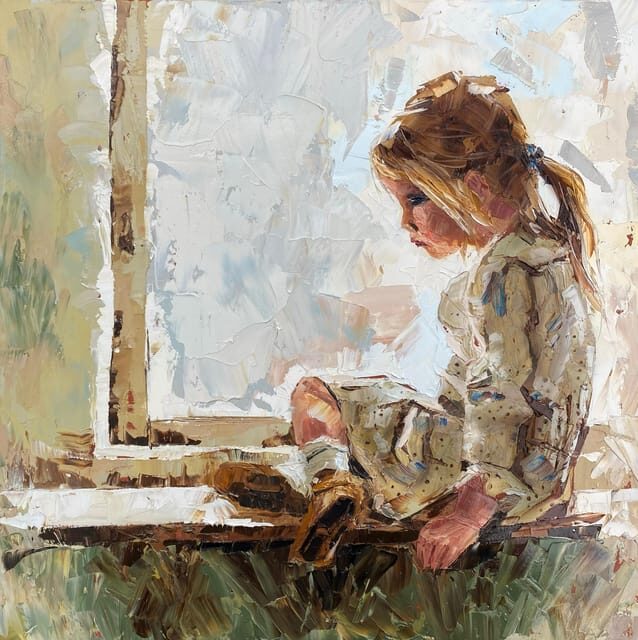
I’d book this if you want a meaningful, hands-on Florence experience that’s structured, beginner-friendly, and genuinely art-making—not a passive craft.
Choose it if you:
- want a small-group class with steady coaching
- like texture and paint that looks dimensional in real life
- are happy to plan for oil drying and possible mailing
Skip it if you:
- need a fast souvenir you can immediately pack and carry home
- only want a light, casual activity with no medium learning
If you do book, pick your slot carefully, bring your ID, and give yourself permission to learn as you go. The end result is often more satisfying than people expect, because you’re guided to a finish.
FAQ
How long is the palette knife painting class?
The class lasts 3 hours.
Where does the class take place?
It’s in Tuscany, Italy, in Florence at Geko Art Studio.
What is the price?
The price is $182 per person.
How many people are in the group?
The group is limited to 8 participants.
What’s included in the class price?
All materials are included: oil paint colors, a palette knife, and a 20 cm x 20 cm canvas panel. A snack with water and juice or coffee is also included.
What should I bring?
Bring a passport or ID card.
What languages are available?
Instruction is available in English, Italian, Spanish, Greek, and Chinese. Spanish/Greek/Chinese depend on teacher availability, so booking at least 3 days in advance is recommended if you need those languages.
Is there transport to and from the studio?
Transport to/from the atelier is not included.
Are children allowed?
It’s not suitable for children under 12.
Will I be able to take my painting home right away?
Oil paint takes a few days to dry, so you may need to plan to mail it if you want it transported safely. Shipping costs are not included.
What’s the cancellation policy?
You can cancel up to 24 hours in advance for a full refund.
Can I pay later?
Yes. The option is listed as reserve now & pay later, with the ability to book your spot and pay nothing today.
More Workshops & Classes in Florence

More Tour Reviews in Florence
- Tuscany Day Trip from Florence: Siena, San Gimignano, Pisa and Lunch at a Winery
★ 5.0 · 21,634 reviews - The Best tour in Florence: Renaissance & Medici Tales – guided by a STORYTELLER
★ 5.0 · 12,316 reviews