REVIEW · FLORENCE
Painting Experience in the center of Florence
Book on Viator →Operated by Ulisse Mladenova Tour Guide Florence & Siena · Bookable on Viator
Florence has a funny way of making color feel personal.
This open-air painting session lets you slow down and watch the city like an artist—under real daylight, in real places, with real coaching. I like that it’s a focused, private session for just your group, not a big scramble of strangers. One possible drawback to plan around: the exact spot where you paint can shift with the weather.
Two things I especially like here: the hands-on instruction (including how to build a strong color base) and the fact that all materials are included. You’ll finish with a small piece that’s actually yours, not just a souvenir photo. You should know this isn’t a strict classroom routine—some people prefer more step-by-step direction than others.
Because you’re painting in a piazza setting like Pontevecchio, Giardino delle Rose, or Piazza di Santo Spirito, you’re also trading indoor comfort for atmosphere. If you’re comfortable with a little outdoor setup—walking to a spot, sitting outside, working with shifting light—you’ll likely love the whole experience.
In This Review
- Key highlights you’ll care about
- Florence Plein Air Painting: Why the Light Matters
- Where You’ll Start: Santa Maria Novella to Your Painting Spot
- Ulisse’s Teaching Style: Art, Florence, and Real Feedback
- Ponte Vecchio, Giardino delle Rose, or Santo Spirito: Picking the Right View
- Acrylic in the Open Air: A Medium Built for Speed and Control
- Coffee, Chairs, and Supplies: What’s Included (and What Isn’t)
- The Real Goal: Make a Small Masterpiece You Can Keep
- How the 3 Hours Feel: A Simple Rhythm That Works
- Price and Value: What $160.22 Buys in Florence
- Best Fit: Beginners, Families, and People Who Like Florence by Foot
- A Balanced Heads-Up: When Direction Feels Too Loose
- Practical Tips to Make Your Painting Better (and Your Day Easier)
- Should You Book This Plein Air Painting Class in Florence?
- FAQ
- How long is the painting experience in central Florence?
- How much does it cost per person?
- What language is the class offered in?
- Where will I paint?
- Are art supplies included?
- Is seating available if I need it?
- Is coffee or tea included?
- Is the group limited to just my party?
- Can I cancel for a full refund?
Key highlights you’ll care about
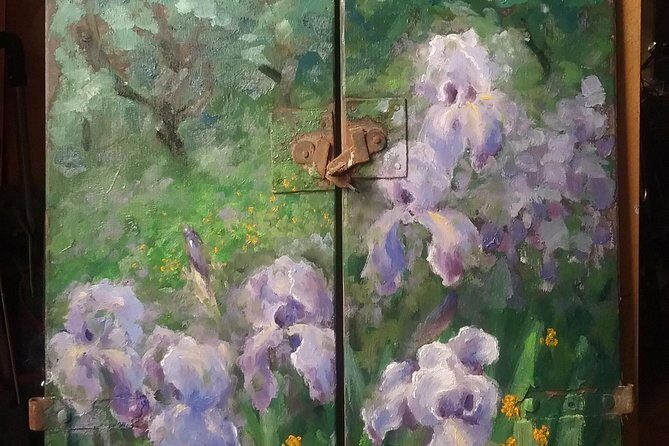
- Plein air in central Florence in a piazza setting near iconic sights
- Ulisse Mladenova teaching technique and weaving in art-history context
- Acrylic painting approach taught for speed and artistic control
- Materials included, plus coffee and/or tea, and a chair if you request one
- Weather-dependent locations (Pontevecchio, Giardino delle Rose, or Santo Spirito)
Florence Plein Air Painting: Why the Light Matters
Florence is one of those cities where art is everywhere. But this experience isn’t about staring at famous work behind glass. It’s about doing the same kind of visual problem painters solved for centuries: how light changes color, how shadows sit on stone, and how you capture the feeling of a place without painting every detail.
That’s why the outdoor part matters. You’ll be working in daylight conditions that don’t freeze in place. The colors you mix will look different depending on sun and cloud cover. And when you’re taught to simplify quickly—rather than aiming for perfect detail—you get results that feel more like a real first artwork and less like homework.
You can also read our reviews of more tours and experiences in Florence.
- Tuscany Day Trip from Florence: Siena, San Gimignano, Pisa and Lunch at a Winery
★ 5.0 · 21,634 reviews

Where You’ll Start: Santa Maria Novella to Your Painting Spot
The session begins near Piazza di Santa Maria Novella, and it returns you back there at the end. That’s practical because you’re in the middle of things from the start. You don’t have to plan a separate trip across town just to find the class.
It’s also a format that works well if you have limited time. The experience is about 3 hours, and it’s paced around getting you set up, doing the painting work, and closing out with something you can take home.
Inside that time window, expect a “teacher guide” style approach: you won’t just be dropped off with supplies and told good luck. You’re there for instruction, plus the chance to actually look at your surroundings as reference material.
A small thing worth knowing: chairs can be available on request, which helps if you’re worried about outdoor sitting. Since you’ll be outdoors, dress for the conditions—comfortable shoes and layers are your best friends.
Ulisse’s Teaching Style: Art, Florence, and Real Feedback
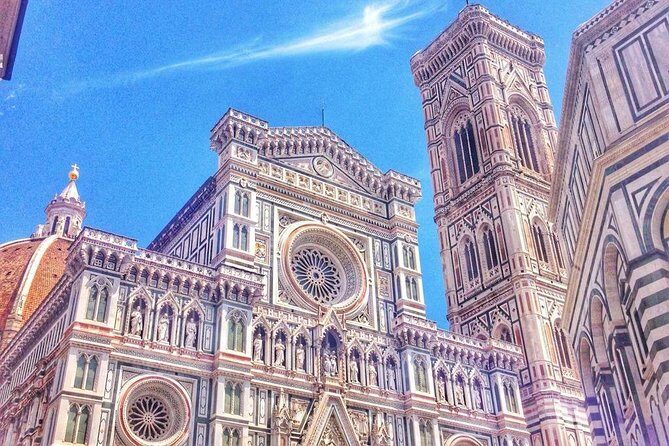
This class is led by Ulisse Mladenova, a Florence and Siena tour guide and painter. What people consistently highlight is that the teaching isn’t just technical. It’s also connected to how artists in Florence thought about making art—color, composition, and the meaning behind choices.
One standout theme from feedback is how friendly and conversational the session feels. Many people say they spent a lot of time talking while painting, and that they felt encouraged rather than judged. That matters. Open-air painting can be intimidating if you think you need natural talent. In this setup, the tone is about learning and trying.
You’ll also get practical teaching beats, like how to lay a color base and how to shape the painting so it reads well even as the light changes. Another praised part is the way Ulisse chooses a quieter spot. That helps a lot in Florence, where some corners can feel like they’re in permanent tourist mode.
Ponte Vecchio, Giardino delle Rose, or Santo Spirito: Picking the Right View
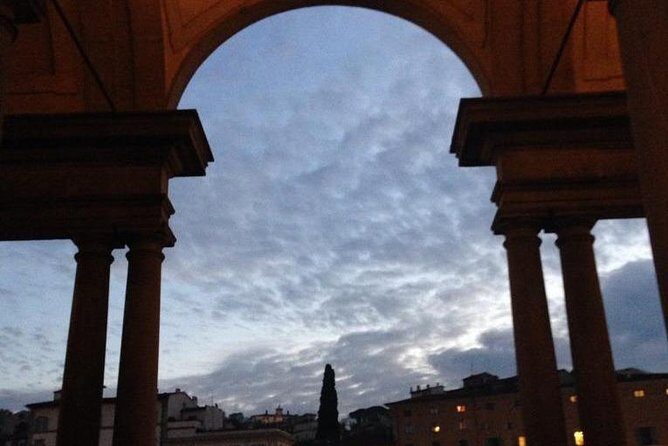
The painting location can change based on weather. Depending on conditions, you’ll paint at or near Pontevecchio, Giardino delle Rose, or Piazza di Santo Spirito. This flexibility is not a gimmick; it’s a smart way to keep the session comfortable and workable.
Here’s how those places affect the experience:
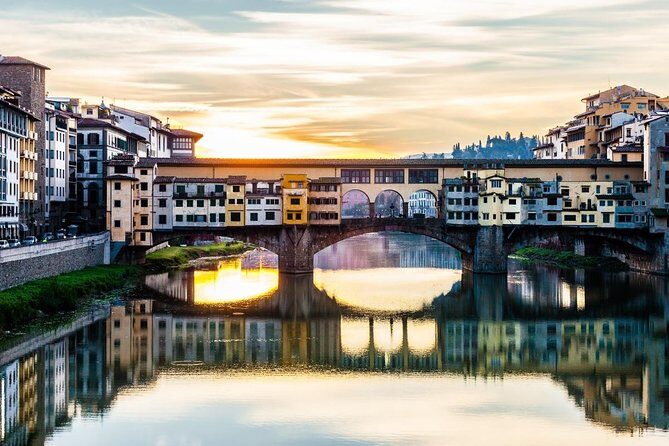
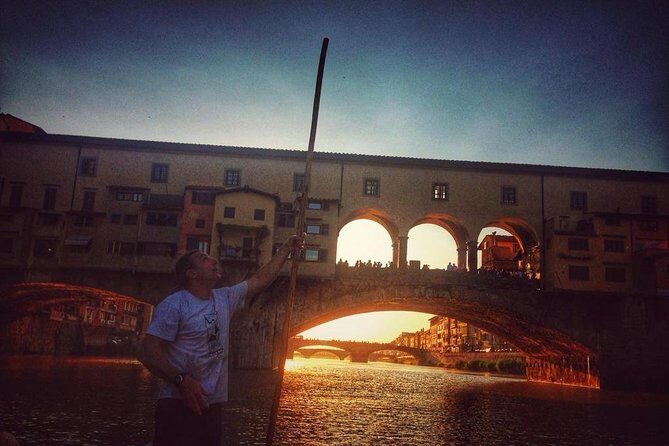
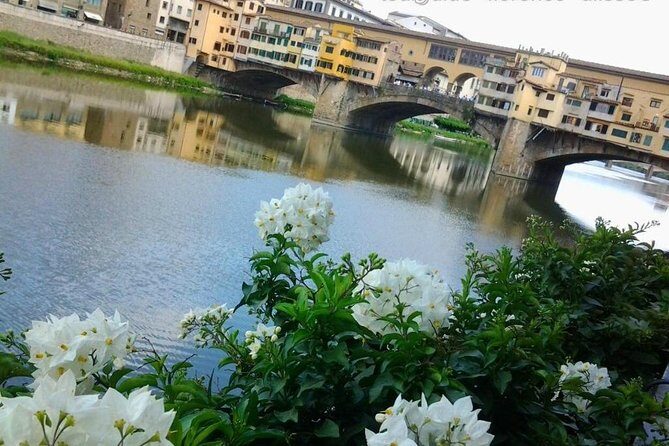
- Pontevecchio puts you close to a famous river view where you can capture reflections and tonal shifts. That’s great if you like scene variety and don’t mind working with moving light.
- Giardino delle Rose tends to feel more like an outdoor “pause” from the city. If you want a calmer feeling and easier composition, this kind of garden setting can help you focus.
- Piazza di Santo Spirito gives you an authentic neighborhood vibe with open space. It’s a helpful choice when you want to paint in a piazza setting that still feels distinctly Florence.
A key consideration: because the location is weather-dependent, you should avoid counting on one exact view. Instead, treat the destination shift as part of the experience. The upside is that the instructor can adapt so you still end up in a great working spot.
Acrylic in the Open Air: A Medium Built for Speed and Control
The class uses an acrylic technique. The helpful part is that acrylic can give you options—so you can paint with it in a way that feels like other mediums. The goal is not just to make it “look like” something else. The goal is to give you control outdoors.
In plain terms: acrylic tends to be forgiving for a short session. You can build layers, adjust your marks, and keep moving without the long waits you might associate with some traditional painting processes.
Ulisse also uses art-history examples to guide personal style. That’s a big deal if you’ve ever wondered how painters decide what to simplify. Here you’ll learn a framework: start with the right base tones, then shape the image so it reads. You’re working toward a small completed piece fast, which is exactly what plein air is good at teaching.
- Tuscany Day Trip from Florence: Siena, San Gimignano, Pisa and Lunch at a Winery
★ 5.0 · 21,634 reviews - The Best tour in Florence: Renaissance & Medici Tales – guided by a STORYTELLER
★ 5.0 · 12,316 reviews

Coffee, Chairs, and Supplies: What’s Included (and What Isn’t)
The session provides the main essentials:
- colors and brushes
- a canvas or wooden support
- and a chair can be included on request
- coffee and/or tea
This is part of the value. You’re not paying for a “bring your own supplies” class. It’s more like: you show up, and the materials are ready to go so you can spend your energy on learning.
What isn’t included is soda/pop and tips. Also, you’ll get a mobile ticket, which is convenient if you like keeping everything on your phone.
The Real Goal: Make a Small Masterpiece You Can Keep
The best part of experiences like this is when the result feels like a souvenir with meaning. Here, the aim is to leave with a small masterpiece painted by you.
That doesn’t mean it has to be perfect. In fact, the teaching approach leans toward understanding how paintings are created in history and then trying to complete an art work quickly. That’s valuable for two reasons:
- You learn the logic behind the process (not just the steps).
- You avoid spending your whole time stuck in the early stage.
You’ll be taught how to lay down a foundation, and then how to shape what you see so the painting becomes recognizable. One of the reasons people rate this so highly is that they walk away feeling proud—like they actually made something, not just watched an instructor create.
How the 3 Hours Feel: A Simple Rhythm That Works
Even without going minute-by-minute, you can expect a rhythm typical of a good plein air lesson:
First, you get set up in the chosen spot. Then the instructor helps you start with a workable plan—color base first, then the bigger shapes. After that you’ll refine and finish your painting. The goal is completion, and the instruction is there to keep you moving instead of stalling.
The teaching feedback is also tailored. People mention help in new painting skills, plus encouragement as they work. That matters because it keeps you from freezing when your first pass doesn’t look like you hoped.
If you like structure, this experience likely gives you enough guidance to feel confident. If you hate improvisation, one caution: a few comments suggest that the direction can feel lighter than some people expect. In that case, simply ask for more specific guidance during the class. A good instructor will adjust.
Price and Value: What $160.22 Buys in Florence
At $160.22 per person for about 3 hours, this isn’t a cheap activity. So the real question is: what are you paying for?
You’re paying for:
- dedicated instruction from Ulisse
- plein air coaching in a central Florence location
- included painting materials (colors, brushes, canvas/wood support)
- coffee and/or tea
- a private group format, meaning you’re not competing for attention with strangers
Compared to the cost of buying supplies yourself—plus the cost of a guided art workshop in a prime location—this starts to make sense. And you end with an actual painted piece, which you can’t say about most “activities” in Florence.
The value is best if you want something hands-on and you care about learning a practical technique. If you’re only looking for a casual photo stop, you might feel the price is high for the time spent painting.
Best Fit: Beginners, Families, and People Who Like Florence by Foot
This experience is described as something most travelers can participate in. That’s your clue that it’s not only for professional artists.
It also seems to work for people of different ages and abilities. One family-style highlight: a parent and daughter enjoyed it together, with friendly teaching and no rush. If you travel with a teen or an adult who likes creative projects, this is the kind of class that can turn into a shared memory.
It’s also a great fit if you like Florence beyond the postcard checklist. The session is a way to see the city through color and light. Even when you’re not an art person, you may find yourself noticing details differently—shadows, tonal ranges, how buildings catch sun.
A Balanced Heads-Up: When Direction Feels Too Loose
One review theme points to a drawback: for some people, the session felt more like a free-for-all than a tightly directed workshop. Another comment suggests there wasn’t much of a place to actually paint.
Because the location can change with weather, and because outdoor spots have real practical limits, this is the part to consider. If you’re the type who wants step-by-step instruction at all times, you should be ready to communicate your preferred pace and level of direction right away.
You can also reduce stress by arriving ready to sit and paint for three hours: comfortable clothes, sunscreen, and a water plan. The more comfortable you are, the easier it is for the instruction to land.
Practical Tips to Make Your Painting Better (and Your Day Easier)
A few simple things help you enjoy the session more:
- Wear layers. Florence weather shifts, and outdoor painting can turn chilly fast.
- Bring a light sun protection plan. Even if you’re not baking, the glare can mess with color perception.
- Don’t aim for perfection. Aim for a clear big-shape reading—your instructor will guide the process.
- If you’re unsure what style you want, start with questions. You can ask about the acrylic method and how to get the look you like.
- If you want a chair, request it ahead of time. Then you can focus on painting instead of bargaining with discomfort.
Also, because this experience is booked well in advance on average, consider planning early. That’s usually a sign the instructors and locations are in demand.
Should You Book This Plein Air Painting Class in Florence?
If you want a hands-on, creative way to experience Florence, I’d say it’s a strong pick. The combination of private coaching, included supplies, and the chance to create something you can keep makes it feel like more than a sightseeing add-on.
Book it if:
- you enjoy creative activities
- you want a real instruction focus, not just watching
- you like learning how painters build a work (especially color base and shaping)
- you’re happy painting outdoors in a changing-light environment
Skip it (or at least set expectations) if:
- you need very strict, constant step-by-step direction
- you’re uncomfortable outdoors for extended sitting
- you’re mainly chasing one specific view, since the location can change with weather
Overall: this is a memorable Florence experience for the right mindset—curious, patient, and game to learn while the city’s light does its thing.
FAQ
How long is the painting experience in central Florence?
It lasts about 3 hours.
How much does it cost per person?
The price is $160.22 per person.
What language is the class offered in?
It’s offered in English.
Where will I paint?
The painting takes place at Pontevecchio, Giardino delle Rose, or Piazza di Santo Spirito depending on weather conditions.
Are art supplies included?
Yes. Colors, brushes, and a canvas or wooden support are included.
Is seating available if I need it?
A chair can be included on request.
Is coffee or tea included?
Coffee and/or tea are included.
Is the group limited to just my party?
Yes. Only your group will participate, so it’s private for your group.
Can I cancel for a full refund?
Yes—free cancellation is available, and you can cancel up to 24 hours in advance for a full refund.
More Tour Reviews in Florence
- Tuscany Day Trip from Florence: Siena, San Gimignano, Pisa and Lunch at a Winery
★ 5.0 · 21,634 reviews - The Best tour in Florence: Renaissance & Medici Tales – guided by a STORYTELLER
★ 5.0 · 12,316 reviews