REVIEW · PISA
Pisa: Camposanto and Cathedral Entry Tickets and Audio Guide
Book on GetYourGuide →Operated by D'Uva · Bookable on GetYourGuide
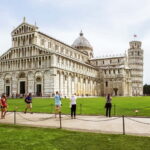
Pisa can feel like a theme park, but this plan helps you see the real architecture. The big draw here is the skip-the-line entry paired with an official audio guide that walks your route at your own pace, covering the Camposanto and the Cathedral. It’s a simple setup: pick your language, grab your ticket, and follow a guided path without losing time at the ticket window.
I especially like that you get Romanesque highlights through audio, not just a list of things to look at. You’ll also get a focused way to take in the Campo Santo’s famous Roman Sarcophagi, frescoes, and artworks in the Monumental Cemetery. One thing to watch: the audio experience can be straightforward, but it can also leave you wanting more orientation or explanation at times.
If you arrive with short attention span goals, you’ll likely be fine. If you want a super detailed guided talk, you may find the audio level varies by language or by how you like to navigate.
In This Review
- Key highlights to look forward to
- Why this Pisa Camposanto and Cathedral ticket really works
- Picking up at Piazza dei Miracoli: the meeting point you should find first
- Camposanto walk: Roman sarcophagi, frescoes, and art you’ll actually pause for
- Two Italian Romanesque masterpieces, explained while you walk
- Cathedral of Pisa entry: what you can expect during a short visit
- Timing, info quirks, and how to keep your visit smooth
- Language choice: the audio guide is the real product here
- Price and value: is $23 worth it for this Pisa combo?
- Who this is best for in Pisa
- Should you book this Pisa Camposanto and Cathedral audio ticket?
- FAQ
- What is the duration of the Camposanto and Cathedral audio experience?
- How much does it cost?
- Is there skip-the-line entry?
- Where do I collect the tickets and audio guide?
- Which languages are available for the audio guide?
- Do I get access to the Cathedral too?
- What should I wear and bring?
Key highlights to look forward to
- Skip-the-line entry that helps you avoid the worst queues in Pisa
- Audio guide in 5 languages so you can actually follow the story as you walk
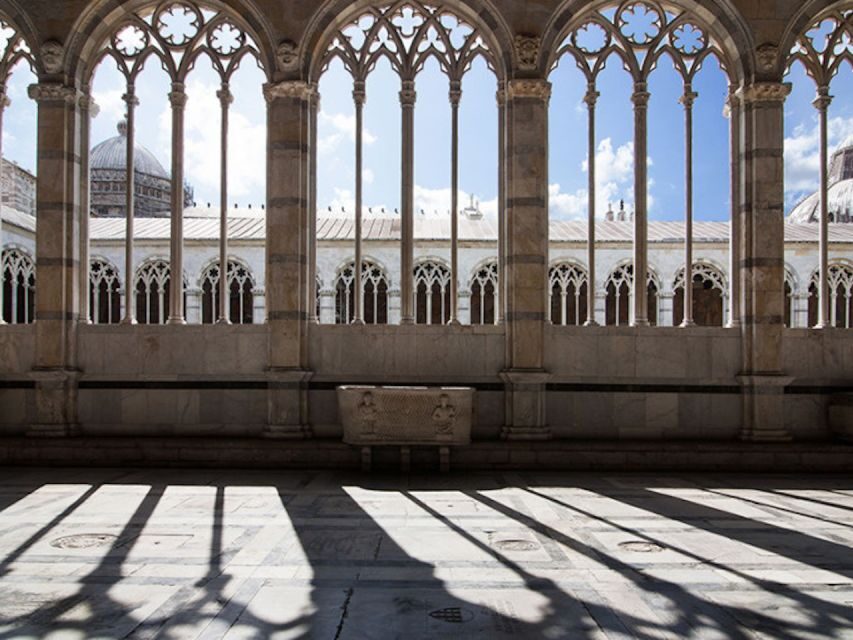
- Roman Sarcophagi and frescoes inside the Monumental Cemetery area
- Two Italian Romanesque architectural masterpieces explained as you move through the route
- Cathedral access included with interior and exterior time in your 1-hour visit
- Practical route guidance available right at the Piazza dei Miracoli area
Why this Pisa Camposanto and Cathedral ticket really works
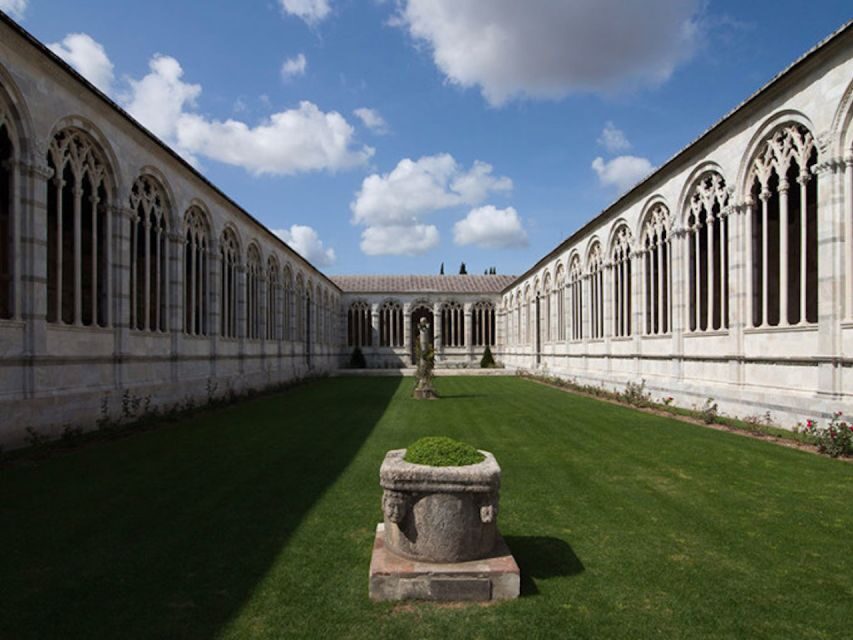
This ticket is built for one thing: time. The Pisa Cathedral complex can get crowded fast, especially when everyone funnels through the same entrances. Here, you enter the Camposanto with skip-the-line tickets through a separate entrance, which means you spend less energy queuing and more time looking closely.
The second smart choice is how the visit is delivered. Instead of joining a group that moves at one speed, you follow an audio guide route. That matters because the sights in the Camposanto are visually dense. Sarcophagi, painted surfaces, and carved details are the kind of stuff you miss when you’re rushed. With audio, you can slow down for the bits that catch your eye and move on when your feet start negotiating with your brain.
You can also read our reviews of more tours and experiences in Pisa


Picking up at Piazza dei Miracoli: the meeting point you should find first
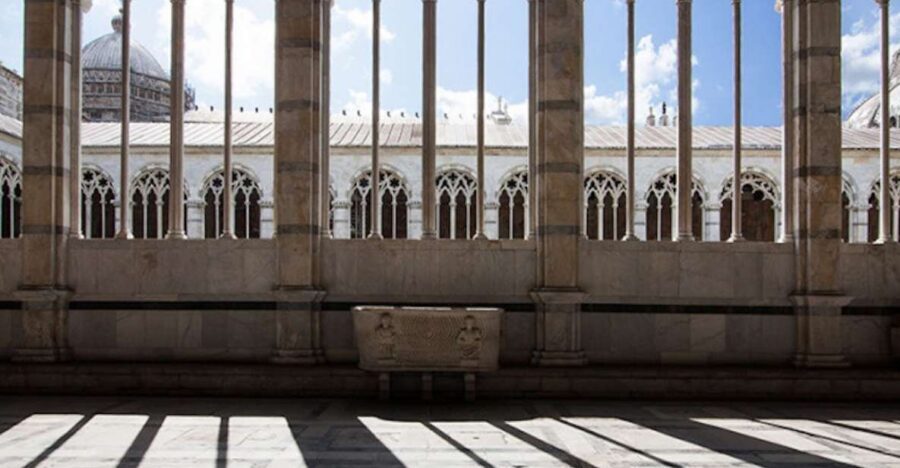
Your start is at the Audioguide Desk in Piazza dei Miracoli, before you visit. You’ll present your reservation at that desk by the entrance to the Sinopie Museum. That detail matters because the Cathedral complex is easy to navigate poorly when you’re flustered. I’d rather you find the desk first, then settle into the route calmly.
Bring an ID or passport—it’s required. Also note the basic dress rule: no shorts and no skirts. In practice, it’s less about fashion and more about being allowed through without friction, especially in religious spaces.
Camposanto walk: Roman sarcophagi, frescoes, and art you’ll actually pause for
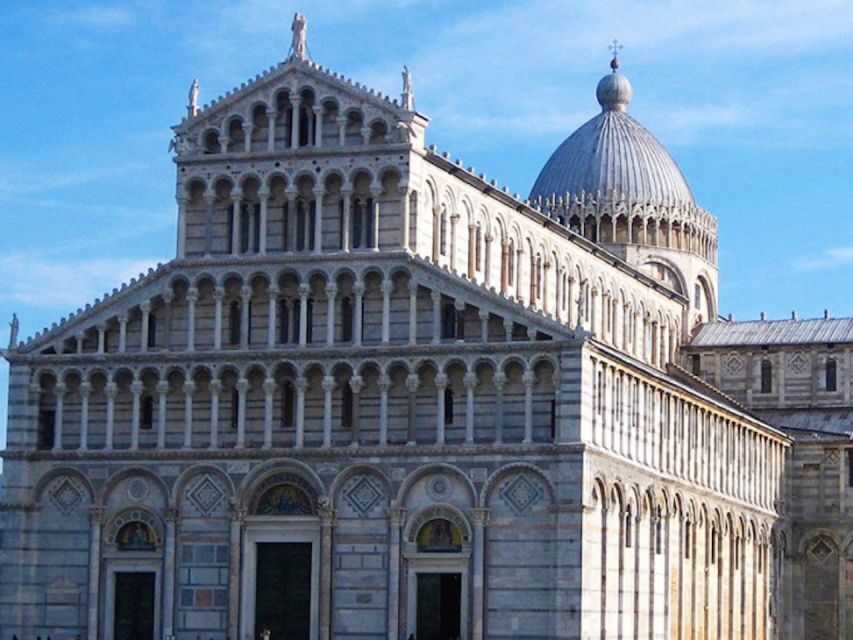
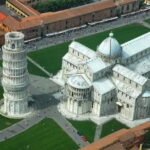
Once you enter the Camposanto, the audio guide becomes your best friend. This area isn’t just a pretty courtyard. It’s the Monumental Cemetery, and the mood shifts quickly once you’re inside—part museum, part solemn space, part architectural showcase.
Here’s what you’re set up to see:
- Roman Sarcophagi: These are the kind of objects that reward close looking. You’ll get historical context through the audio as you spot shapes, carving styles, and placement.
- Frescoes and works of art: The painted surfaces and artworks are why the Camposanto is famous. Even if you’re not a Roman-art specialist, the audio helps you connect what you’re seeing to what it meant.
One practical caution: the Camposanto’s layout can feel confusing at first. Several details can tug your attention in different directions, and if your audio device or app isn’t guiding you clearly, you might lose your spot on the route. My advice is simple: before you go full camera-on, take a second to confirm where you are relative to the route. Then let the narration do the rest.
Two Italian Romanesque masterpieces, explained while you walk
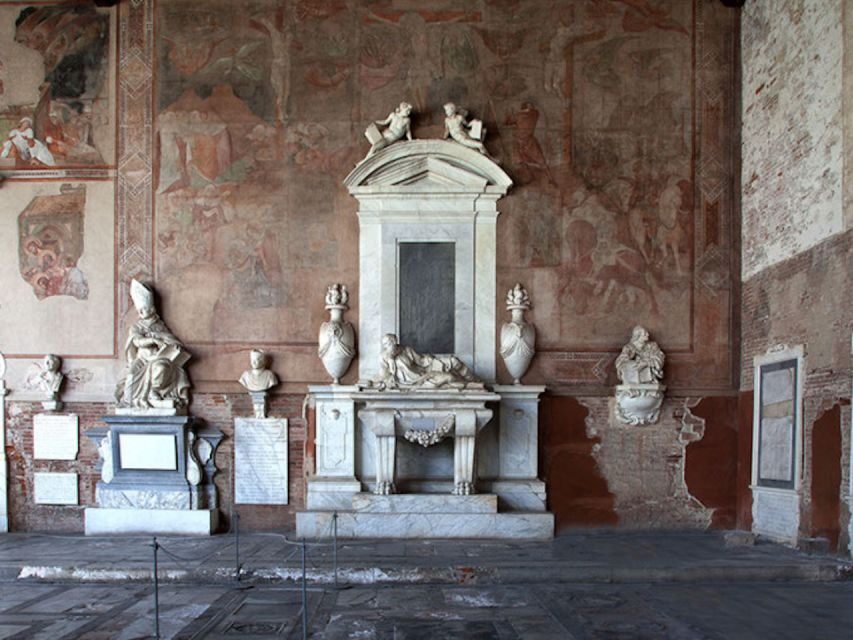
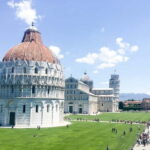
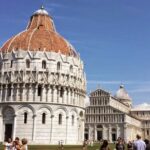
The experience is designed around two Italian Romanesque architectural masterpieces. The audio route is meant to point them out as you move, not just later in a brochure.
What makes this valuable is how Romanesque architecture works in real life. It’s not just about one facade. It’s about proportions, arcades, repeated forms, and the way light lands on stone and painted surfaces. Audio narration helps you notice those patterns without needing to be an architecture student.
You’ll also notice a nice pacing choice: the audio guide is paired with the physical flow of your visit. That’s a big advantage if you like to “look first, learn second,” or if you’re the kind of person who wants context before you start taking photos.
Cathedral of Pisa entry: what you can expect during a short visit
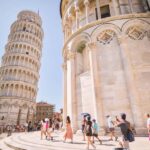
You get free access to the Cathedral, and your audio guide covers both the exterior and interior. In a 1-hour visit, the goal is not to do a slow, museum-style marathon. It’s to connect the big visual elements with the story, so you leave knowing what you saw.
Think of your Cathedral time like this:
- First, get oriented from the outside elements included in the route.
- Then, go in and let the audio guide help you interpret what you’re looking at—especially because interior details can be easy to overlook when you’re trying to “just get the main photo.”
One more reality check from how these visits can run: your selected time might align with a service or mass, and that can affect what areas are accessible. On busy days, you might find access limited compared to a normal open visit. If the Cathedral is your priority, pick a time that feels flexible for religious-space changes, and stay adaptable.
You can also read our reviews of more guided tours in Pisa


Timing, info quirks, and how to keep your visit smooth
Audio guides are great, but they’re not magic. There can be mismatches between the guide and what’s open that day. If you notice something like a closed nearby space or conflicting info, the simplest fix is to trust the signage on-site more than assumptions from memory.
Also, because this is self-guided with an official route, you should expect some “find your bearings” moments. That’s not a deal-breaker. But if you rely on step-by-step narration to stay on track, go in with patience—and use your first few minutes to lock in the route.
If you’re the type who gets flustered when you can’t immediately tell where you are, bring a calm mindset. The Camposanto can feel trickier than expected, mainly because there’s a lot to look at.
Language choice: the audio guide is the real product here
The audio guide is included and available in Italian, English, Spanish, French, and German. This is one of the most practical features, because the complex building details really do need clear language to land. If you pick a language you’re comfortable listening to for a full hour, the experience becomes much more rewarding.
I like that the setup doesn’t force you into a one-size-fits-all group format. You can pause, back up a step, or move faster through parts that don’t grab you. That freedom matters in a place where people tend to rush because they feel they’re behind schedule.
Price and value: is $23 worth it for this Pisa combo?
At $23 per person for an around-1-hour visit, you’re paying for three things: timed entry efficiency, a guided route structure, and access to two major stops (Camposanto entry and free Cathedral access).
Here’s how I’d judge value:
- If you’re trying to avoid queues and you like moving on your own, skip-the-line is worth real money in time savings.
- If you want context without hiring a full guided tour, the official audio route helps you see more than you’d catch on your own.
- If you’re visiting only for quick photos and don’t care about understanding what you’re seeing, then the price might feel less compelling.
In other words, this ticket is strong value for people who like architecture and want structure without a tour group shadowing every move.
Who this is best for in Pisa
This fits best if you:
- like self-guided travel but still want a real narrative
- want official audio rather than random apps
- care about Romanesque architecture and want help connecting the dots
- are okay with a short visit rather than a long, deep museum day
It may be less ideal if you:
- want a very detailed lecture-style explanation
- get frustrated when navigation feels slightly unclear
- need guaranteed full access to every religious-space area regardless of services
It’s also a good option for people with mobility needs because the experience is listed as wheelchair accessible.
Should you book this Pisa Camposanto and Cathedral audio ticket?
Yes, I’d book it if your priority is efficiency plus a structured way to understand what you’re seeing. The combo of skip-the-line entry and an included audio route turns Pisa from chaotic to manageable, especially in the Camposanto where details reward slowing down.
If you’re picky about explanations or you need super-clear guidance on where you are at every step, consider that the audio format may not feel deep enough. In that case, go in with realistic expectations: this is a route-guided visit, not a long-form lecture.
If you want a smooth, hour-long way to hit the Cathedral and Camposanto without feeling trapped by crowds, this is one of the smarter ways to do Pisa.
FAQ
What is the duration of the Camposanto and Cathedral audio experience?
The experience lasts about 1 hour.
How much does it cost?
The price is $23 per person.
Is there skip-the-line entry?
Yes. You get skip-the-line tickets with entry through a separate entrance for the Camposanto.
Where do I collect the tickets and audio guide?
Collect your reservation/tickets at the Audioguide Desk in Piazza dei Miracoli, by the entrance to the Sinopie Museum.
Which languages are available for the audio guide?
The audio guide is available in Italian, English, Spanish, French, and German.
Do I get access to the Cathedral too?
Yes. Free access to the Cathedral is included, and the audio guide covers both the Cathedral and Camposanto route.
What should I wear and bring?
Bring an ID card or passport. No shorts or skirts are allowed.