REVIEW · AREZZO
Private Tasting of Organic Wines in the Cellar in Mugliano
Book on Viator →Operated by Wine tour · Bookable on Viator
Organic wine tastes better when it’s explained.
In Mugliano, just outside Arezzo, you’ll step into a working cellar and taste wines shaped by organic farming and hands-on, cellar-level know-how. I like that the experience stays practical and specific, down to how the cellar is run and how fermentation happens. I also like the focus on the people who make the wine and the stories behind each pour, not just the labels. A possible drawback: because it’s organic and production-focused, the evening isn’t built like a big party—go in for learning and quiet attention, not loud entertainment.
A key part of the charm is that the wines are presented as a living product, not a finished product you just sip and forget. You’ll hear how spontaneous winemaking with indigenous yeasts and no added enzymes changes flavor, plus how different vessels (steel, oak barriques, and even ancient caratelli for sweet wines) affect what’s in your glass. If you’re expecting a wide-ranging tour bus of multiple stops, this is more like a concentrated, high-quality cellar session—very good, but not long or wide-ranging.
In This Review
- Key highlights at Mugliano’s cellar
- Mugliano’s cellar tasting is built for real wine curiosity
- What “organic” means here: indigenous yeasts and no added enzymes
- Cellar design choices you can taste: steel, oak, and caratelli
- Your two-hour flow in Arezzo: tasting plus local appetizers
- Stop 1 in Mugliano: why starting in the cellar is a smart move
- Price and timing: good value if you plan ahead
- Who this private organic tasting suits best
- Should you book this Mugliano organic cellar tasting?
- FAQ
- Where is the tasting located?
- How long is the private tasting?
- How much does it cost?
- Is the tour private?
- What language is the experience offered in?
- What’s included to eat?
- When does it run?
- Is there a ticket format?
- What’s the cancellation policy?
- Are service animals allowed and is it suitable for most people?
Key highlights at Mugliano’s cellar
- Private group time so your guide can answer questions without rushing
- Organic production details you can taste: indigenous yeasts, no added enzymes
- Cellar tech with meaning including photovoltaic power and large steel capacity
- Sweet wines shaped by ancient tools using caratelli
- English-friendly hosting designed for real understanding, not just a lecture
Mugliano’s cellar tasting is built for real wine curiosity
This is one of those wine experiences that feels like it was designed for people who actually want to understand what’s happening in the glass. You’re in Arezzo’s orbit, at Via di Mugliano 44, and the whole thing revolves around the cellar setting and the organic philosophy behind it. The price is $36.12 per person for about 2 hours, which is reasonable if you value depth over speed.
The “private” part matters. With a private setup, you’re not sharing a single guide’s attention with a large crowd. You can ask why a wine tastes a certain way, or how the cellar choices show up in the final result. For me, that’s the difference between tasting that feels educational and tasting that feels like a checklist.
You’ll also notice the tone: it’s not about fancy wording. It’s about the land, the process, and the sensory details—scents, memories, and small production choices that shift flavor.
You can also read our reviews of more food & drink experiences in Arezzo


What “organic” means here: indigenous yeasts and no added enzymes
Organic can mean a lot of things, but this winery ties it to the winemaking process, not only the vineyard label. Expect to hear that winemaking happens spontaneously thanks to indigenous yeasts, with no addition of enzymes. Translation: the fermentation is allowed to start and run using the natural yeast life already present.
That tends to make tasting more interesting for you because the wine’s character reflects its specific origin and the cellar’s day-to-day conditions. You’re also more likely to notice variation from one bottling to another, since it’s not being mechanically standardized with added enzyme helpers.
The “wine is alive” idea isn’t just poetic talk here. It’s connected to the way the wine is handled in the cellar—especially refinement and vessel choices. If you like wines that feel expressive and slightly individual, this setup can be a good match.
Cellar design choices you can taste: steel, oak, and caratelli
In this cellar, the scale and the methods aren’t background trivia. They’re part of why you taste what you taste.
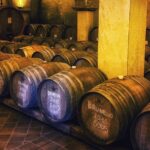
First, the cellar includes steel barrel capacity of 3600 hectolitres, powered by a photovoltaic system. Steel is often associated with preserving freshness and helping flavors stay clean. When the wine is handled in large steel capacity, it can influence how aromas hold together and how texture develops before refining.
Next come the wood choices. The wines are refined in oak barriques. Barriques can bring subtle structure and aroma complexity, and oak refinement often changes the way you perceive the wine’s weight and finish.
Then there’s the sweet wine approach: the winery uses ancient caratelli for sweet wines. Caratelli are traditional tools for shaping fermentation and aging characteristics in sweeter styles. For you, that means the tasting isn’t only about dry whites and reds; you may also get a glimpse of how older methods create a different flavor profile than modern barrels alone.
If you’re the type who likes to connect process to taste, this cellar setup gives you plenty to think about while you sip.
Your two-hour flow in Arezzo: tasting plus local appetizers
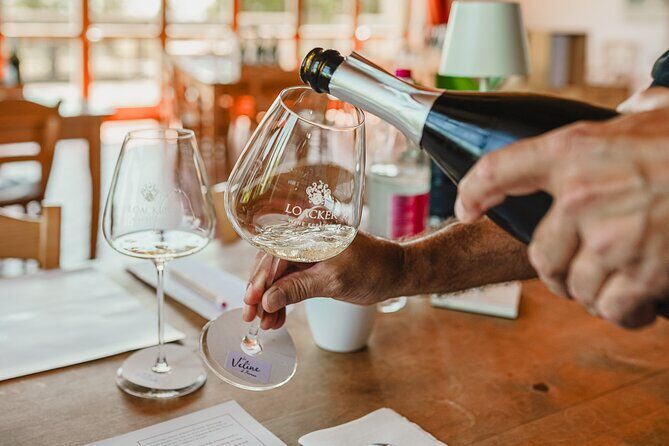
Plan for a relaxed pace. The experience is about 2 hours, and it includes a starter of local appetizers. That matters more than it seems. Wine tastings can skew toward “just drink more” when food is missing, but with local bites, you can reset your palate and pay closer attention to differences between wines.
You’ll also get explanations directly from the person hosting you. One review highlights Christian as phenomenal—knowledgeable about wine and production—and that supportive, no-rush style seems to be a strong part of the value. When the guide is clear and engaged, it’s easier for you to follow the logic behind each pour.
Because the tasting takes place in the cellar, you don’t just learn in theory. You’re tasting while surrounded by the actual production environment. Even if you’re not a wine expert, that physical context can help your brain connect details faster.
Stop 1 in Mugliano: why starting in the cellar is a smart move
This experience keeps the focus tight: there’s essentially one main place to be, and it’s in the Mugliano area near Arezzo. That can be a plus. You aren’t spending time switching locations. You’re using your full time with the guide to learn, taste, and ask questions.
The payoff is concentration. If you’ve ever done wine tours where you spend most of your day in transit, you’ll appreciate this format. Two hours in one cellar can feel more “you’re really there” than a longer schedule that moves you along like a conveyor belt.
One consideration: because it’s a cellar-based session, the setting may feel more work-focused than scenic-view-focused. If what you crave most is sweeping Tuscan views and photo stops at every turn, you might still enjoy it—but you’ll want to frame this as a tasting-first experience.
You can also read our reviews of more private tours in Arezzo

Price and timing: good value if you plan ahead
At $36.12 per person, this private tasting is priced like a value pick in the wine world—especially because it’s private and includes local appetizers. The best “value” question for you is simple: do you want process and explanation, or do you mainly want a relaxed drink with minimal talking? If you choose process, the price starts to look like a bargain.
Timing is also worth thinking about. The listing notes it’s booked about 55 days in advance on average, which is a hint to reserve early if your dates are fixed. The experience is also offered in set windows between 10:00 AM and 12:30 PM, and again 4:00 PM to 6:00 PM on Monday through Wednesday during the listed operating period.
If your schedule is flexible, you can shop the time slot that best fits your Arezzo day plan. If your travel dates are firm, booking sooner gives you more options.
Who this private organic tasting suits best
This is a strong match if you like organic wine that’s explained at production level. It’s also ideal if you enjoy asking questions—because private time means the guide can actually respond instead of rushing.
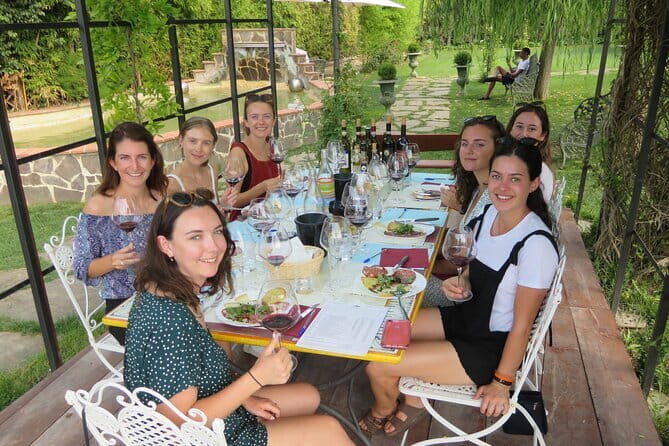
It’s also a good pick if you’re traveling in a smaller group that prefers calm, high-focus experiences. The format suits couples, friends, and anyone who wants to taste and learn without the noise of larger groups.
If you’re totally new to wine, it can still work because the explanation is part of the experience. You don’t need technical knowledge to benefit; you just need curiosity. If you hate detailed explanations and want only quick sipping, you might find the process talk to be more than you expect.
Should you book this Mugliano organic cellar tasting?
Book it if you want an organic wine tasting with real production detail, served in a private setting and anchored by a guide who can explain how indigenous yeasts, fermentation choices, and vessel work shape flavor. The $36.12 price makes sense when you value attention, not just drinking.
Skip it only if you’re chasing a multi-stop day tour with lots of scenery and roaming time. This is a cellar experience: focused, intimate, and designed for people who care about what happens before the wine reaches your table.
If you want a memorable Arezzo-area food-and-wine moment without the usual tour-day chaos, this is a solid yes.
FAQ
Where is the tasting located?
The tasting meets at Via di Mugliano, 44, 52100 Arezzo AR, Italy, and it ends back at the same meeting point.
How long is the private tasting?
It’s approximately 2 hours.
How much does it cost?
The price is $36.12 per person.
Is the tour private?
Yes. It’s a private tour/activity, meaning only your group participates.
What language is the experience offered in?
It’s offered in English.
What’s included to eat?
The starter includes local appetizers.
When does it run?
It’s offered between March 22, 2022 and November 26, 2026, specifically Monday to Wednesday from 10:00 AM to 12:30 PM and again from 4:00 PM to 6:00 PM.
Is there a ticket format?
You receive a mobile ticket.
What’s the cancellation policy?
Free cancellation is available. You can cancel up to 24 hours in advance for a full refund, based on local time.
Are service animals allowed and is it suitable for most people?
Yes, service animals are allowed. Most travelers can participate. It’s also near public transportation.