REVIEW · TUSCANY
Tuscan Cooking Class
Book on Viator →Operated by La Chiusa Tuscany · Bookable on Viator
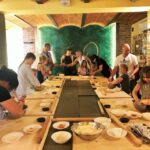
Handmade pasta starts here. This Tuscan Cooking Class in Montefollonico is built around real technique, not just watching. You learn by doing, with local women guiding you through classic recipes and ending with the kind of tasting that feels like it was made for sharing. I like the small group size (max 15) because it keeps the pace friendly and questions actually get answered, and I like the clear menu so you know what you will cook and eat. One thing to consider is that the 4-hour timing includes hands-on work plus tasting, so if you’re planning a tight travel schedule that day, leave some breathing room.
What makes this class feel especially Tuscan is the way the recipes link together: pasta dough meets simple sauces, then you finish with cantucci biscuits. The lessons are about 3 typical Tuscan pastas plus garlic sauce, a typical seasonal dish, and cantucci made with almonds. You get the teaching style of local “grandmothers,” meaning the focus is on practical skills and tradition, not fancy food talk. The possible drawback is that the exact dishes can feel more hands-on than you expect, so it’s worth coming with comfortable clothes and a no-rush mindset.
If you want value, this is the kind of experience where your ticket buys both the cooking instruction and the meal at the end. You leave with a better understanding of what makes Tuscan food so consistent: dough, seasoning, and technique that doesn’t need shortcuts. Just note that it’s offered in English, which helps a lot, but the best experience still comes when you’re ready to participate.
In This Review
- Key highlights to look for
- Montefollonico base: a cooking class that starts with people
- What you’ll cook: pici, ravioli, garlic sauce, and a seasonal starter
- The cantucci finish: almonds, crunch, and the end-of-meal ritual
- The tasting moment: eat what you made, in company
- English-led, small-group pace: who this is for (and when it’s not)
- Price and value: what $192.66 is buying you
- Logistics you can manage quickly: mobile ticket and getting there
- Should you book the Tuscan Cooking Class?
- FAQ
- FAQ
- How long is the Tuscan Cooking Class?
- What dishes will I learn to make?
- Is the class taught in English?
- Where does the class meet?
- What is the group size limit?
- Is a mobile ticket provided?
- Are service animals allowed?
- Can I cancel and get a full refund?
Key highlights to look for
- Small class size (up to 15), so you get personal help while you cook
- Hands-on pasta making, including pici and ravioli in the example menu
- Finish with cantucci with almonds, a classic Tuscan sweet you can recognize and remember
- Garlic sauce + a seasonal starter, so you taste the whole flow of a Tuscan meal
- Local women as instructors, taught like family tradition rather than a showroom demo
- Tasting at the end, so you eat what you made, not just watch it happen
Montefollonico base: a cooking class that starts with people
The experience runs out of Montefollonico, with the meeting point at Via della Madonnina, 88, 53049 Montefollonico SI, Italy. It ends back at the same point, which is practical because you don’t have to plot transport details after you eat. Expect the day to be simple: arrive, check in with the team, cook for about 2 hours, then sit down for tasting as the finale.
One of the most important details here is the instructor style. The class is led by local women, described as authentic custodians of regional culinary traditions and framed as grandmothers. That matters for you because teaching is usually less about “rules” and more about how they correct your dough, timing, and seasoning. You’re not just learning recipes; you’re learning how to think like someone who cooks the same dishes for years.
The group limit of 15 travelers is also a big deal. In larger classes, you can spend the whole time waiting for your turn. Here, the smaller number usually makes it easier to follow along, ask quick questions, and get help when a dough ball sticks or sauce needs adjusting.
You can also read our reviews of more cooking classes in Tuscany
What you’ll cook: pici, ravioli, garlic sauce, and a seasonal starter
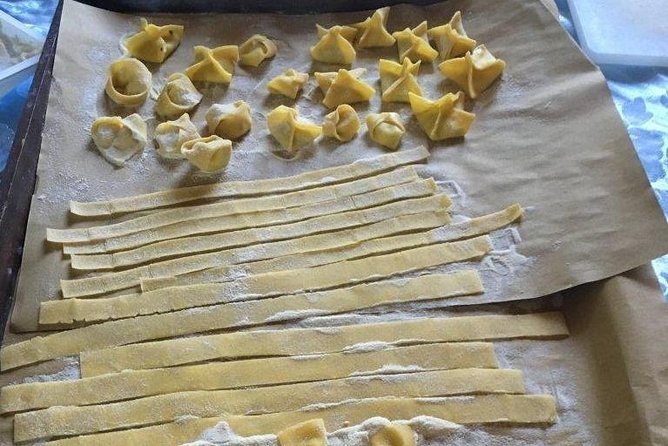
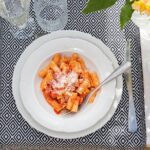
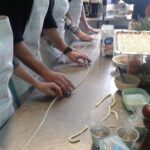
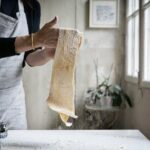
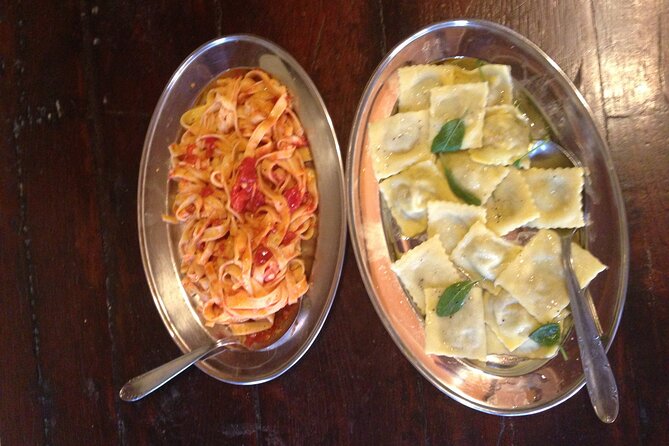
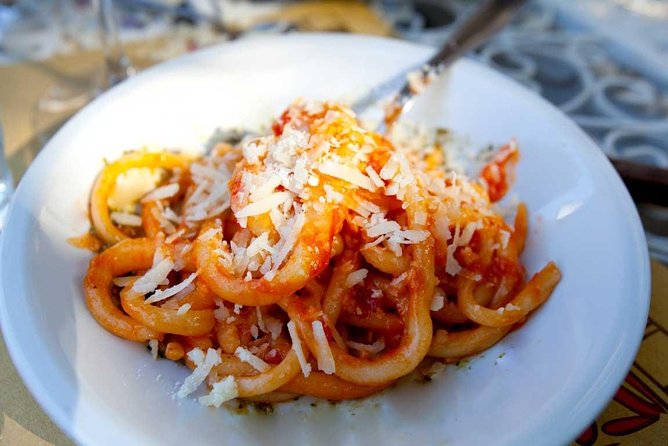
Let’s talk about what your hands will actually do. The lesson covers the preparation of 3 typical Tuscan pastas along with garlic sauce, plus 1 typical seasonal dish and cantucci. In the example menu, you’ll see handmade pici with garlic sauce and ravioli, which gives you a good sense of the direction even if every class setup can vary.
Pici is a great pasta to learn because it’s rustic by nature. It’s not about perfection like a fancy restaurant postcard; it’s about consistency, thickness, and feel. If you’ve never worked dough before, pici is often the more forgiving starting point, and you’ll quickly understand how Tuscan cooking leans on technique that works in real kitchens.
Then comes ravioli, where the focus shifts to structure. You’ll be learning how to shape and fill so the pasta stays sealed and holds up during cooking. For you, that’s useful even beyond this class, because ravioli technique tends to transfer well: shaping, filling discipline, and timing all show up in other Italian dishes too.
Garlic sauce ties the lesson together. It sounds simple, but garlic sauce teaches balance. You learn how to let garlic flavor bloom without making everything harsh, and how to make it cling. That’s one of those “small” lessons that ends up being a big payoff when you cook later.
And don’t skip the starter piece. You’ll also prepare a typical seasonal dish, which is where the class signals its local roots. Seasonal cooking is a practical Tuscan idea: use what’s at its best right now, then build around it. Even if you’re not a chef, you’ll leave with a clearer sense of what “seasonal” means in Italian home cooking.
The cantucci finish: almonds, crunch, and the end-of-meal ritual
Every good cooking class needs a strong ending, and here it’s cantucci. These are typical Tuscan biscuits with almonds, and they’re not an afterthought sweet. Cantucci have a distinct texture—dry, crunchy, and satisfying—and they’re part of the kind of routine Tuscan kitchens rely on: bake, share, and pair with a comforting drink.
What you should expect from this segment is that it ties your work into the broader meal rhythm. You start with savory pasta and sauce logic, then you switch gears to biscuits. That keeps the experience from feeling one-note and makes the final tasting more memorable because you’re closing the loop on the whole meal.
Even if you’ve had cantucci before in a shop, learning how they’re made helps you understand why they taste the way they do. Almonds matter, but technique and bake time matter too. You’re not just eating dessert; you’re learning what makes a classic dessert behave like a classic dessert.
The tasting moment: eat what you made, in company
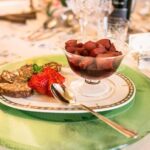
The class ends with a delicious tasting of what you prepared, served with the vibe of cooking taught by the “grandmothers.” This is usually where the experience becomes more than skills. When you taste your own pici with the garlic sauce you made, it’s easier to spot what you did right—thickness, seasoning, balance—and what you’d adjust next time.
Tastings also give you a low-pressure way to talk with the instructors and ask questions you didn’t think to ask during active cooking. If you’re traveling with someone (or meeting people in the group), this is also often when you get the easiest conversation flow.
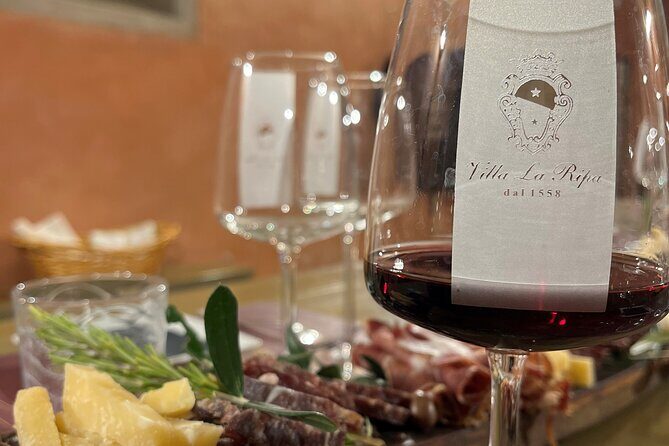
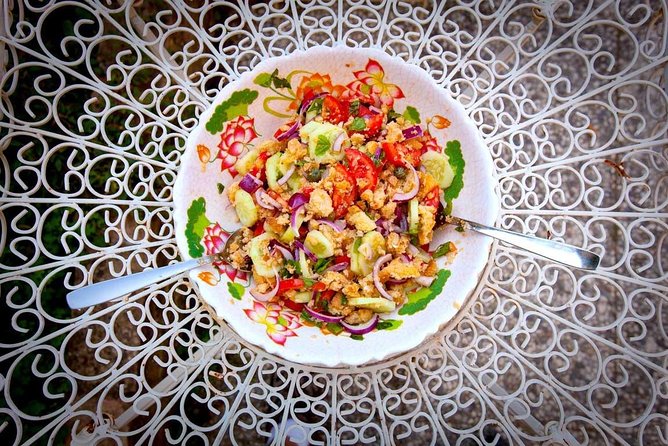
One extra detail from a high-rating review: a cheese demonstration and cheese tasting with wine was highlighted, along with the sense of a warm, hospitable property (flowers, vegetable garden, lemon trees). That doesn’t change the core menu, but it does suggest the experience can include additional tastings beyond the main pasta-and-dessert cycle. If you’re a fan of pairing food with wine, it’s a smart idea to confirm what’s included for your specific date.
English-led, small-group pace: who this is for (and when it’s not)
This class is offered in English, which helps you follow along without guessing what each step is supposed to accomplish. That’s especially important for dough work, where small differences in texture change everything. If you’ve taken cooking classes before in non-English settings, you know how easily you can feel lost. Here, the language support is a straightforward win.
Because it’s designed for most travelers to participate and capped at 15 people, it suits a wide range: couples, solo travelers who want a social activity, and families with older teens (depending on comfort with hands-on cooking). If you like food that’s simple but technical—pasta shapes, sauces, real seasonal dishes—this is right in that zone.
When it’s less ideal: if you need a fully passive experience (watching only), a hands-on class can feel more work than fun. And if you’re planning to pack in multiple activities immediately after the class, remember it runs about 4 hours, so plan your day like you would around a meal and a workshop, not a quick stop.
You can also read our reviews of more tours and experiences in Tuscany
Price and value: what $192.66 is buying you
At $192.66 per person, this isn’t a budget activity. The question is whether it pays you back in food, learning, and enjoyment—and based on how the class is structured, it tries hard to do exactly that.
You’re paying for three things at once:
- Hands-on instruction for multiple courses (pastas, sauce, a seasonal dish)
- The raw ingredients and the work that goes into producing the meal
- A tasting that turns your labor into a sit-down experience
That combination is why the price can make sense if you care about eating what you make. A lot of tours charge you for a meal that you didn’t help make. Here, the meal is part of the lesson. You’re also paying for the small-group limit, which usually reduces waiting time and increases the chance you’ll be helped while cooking.
One more value angle: tuition for technique is expensive in a lot of other contexts. If you’ve ever looked at private pasta lessons or specialized baking classes, you’ll notice the pricing often climbs quickly. This class packages multiple skills—pici, ravioli, sauce logic, and cantucci—into a single session.
So, for me, the best justification is this: if you want more than a tourist bite and you enjoy cooking with guidance, you’ll likely feel the cost was fair.
Logistics you can manage quickly: mobile ticket and getting there
You’ll get a mobile ticket, which is convenient if you’re already traveling light and don’t want to hunt for paper. Confirmation comes at booking, and you’ll be able to plan around the start time with that clarity.
The location is set at Via della Madonnina, 88 in Montefollonico, and the end is back at the meeting point. That reduces stress. The only part to think about is transportation to arrive on time, especially because rural Tuscan venues are often not next to major transit hubs.
Also, if you’re someone who likes photos, you’ll probably appreciate the hospitality side. In a top review, the host being helpful with pictures was praised, including quick sharing to a phone once everyone was done. That kind of little service matters when you’re busy kneading and shaping and still want good memories.
Should you book the Tuscan Cooking Class?
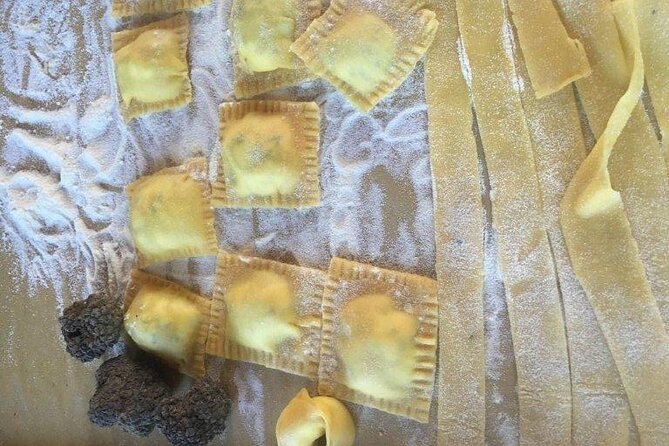
Book it if you want a hands-on Tuscan food experience with a clear menu, English guidance, and a small group setting. You’ll get practical pasta technique (including pici and ravioli in the example menu), garlic sauce learning, a seasonal starter, and cantucci with almonds—then you’ll taste it all. It’s a good match for people who enjoy cooking, eating, and learning how home-style recipes actually work.
Skip it only if you’d rather watch than participate, or if your schedule is so tight you can’t comfortably spend about 4 hours on a food-focused activity. If you fit the hands-on style, it’s one of those days that tends to stick with you longer than a museum visit.
FAQ
FAQ
How long is the Tuscan Cooking Class?
It lasts about 4 hours (approx.), and the cooking lessons are described as lasting around 2 hours.
What dishes will I learn to make?
The lessons include preparation of 3 typical Tuscan pastas, garlic sauce, 1 typical seasonal dish, and cantucci (Tuscan biscuits with almonds). The sample menu includes pici with garlic sauce and ravioli.
Is the class taught in English?
Yes. The experience is offered in English.
Where does the class meet?
The meeting point is Via della Madonnina, 88, 53049 Montefollonico SI, Italy.
What is the group size limit?
This activity has a maximum of 15 travelers.
Is a mobile ticket provided?
Yes, you’ll receive a mobile ticket.
Are service animals allowed?
Service animals are allowed.
Can I cancel and get a full refund?
Free cancellation is available. You can cancel up to 24 hours in advance of the experience for a full refund. If you cancel less than 24 hours before the start time, the amount paid is not refunded.